The Future of User Manuals
In collaboration with Alstom
Augmented Reality and Smart Glasses
Summary
This year’s iPOLE is carried out in collaboration with Alstom. Participating educational institutions are the University of Applied Sciences and Arts Northwestern Switzerland FHNW; Merz Akademie, Stuttgart; Northumbria University, Newcastle upon Tyne and HSE Design School, Moscow. The course is lead by the Computer Science Department of FHNW. Approximately 30 students in five (possibly six) trans-disciplinary teams will work on the design and development of augmented reality concepts for future user manuals under the guidance and supervision of more than 10 faculty members.
Keywords
POLE, iPOLE, Alstom, User Manuals, Smart Glasses, Augmented Reality, design thinking, user centred design
Goal
The goal is to develop prototypes applying new concepts utilising the idea of user manuals in an augmented reality context and how this implementation will help a company like Alstom.
Initial situation
User manuals have slowly become bland and disinteresting methods of learning a certain task/process. With new emerging technologies we set the question: how can this change? Smart glasses which are slowly spreading in the market seemed to be a useful tool for implementing a way to instruct someone on a very specialised task.
Process and results
Once the virtual Kick-Off took place via video conference, the students were given their first research task to complete until the physical Kick-Off week in Windisch. In a team building process, six disciplinary and nationally mixed groups of around 6 students came together to set up the further planning: What goals have to be achieved? How to distribute the tasks? What do we expect from each other, what kind of problems might come up? The students would also visit Alstom’s factory in Birr where they would see a demonstration of the steam turbine, one of the primary machines aimed to be fixed and accessed using the new smart glasses prototypes.


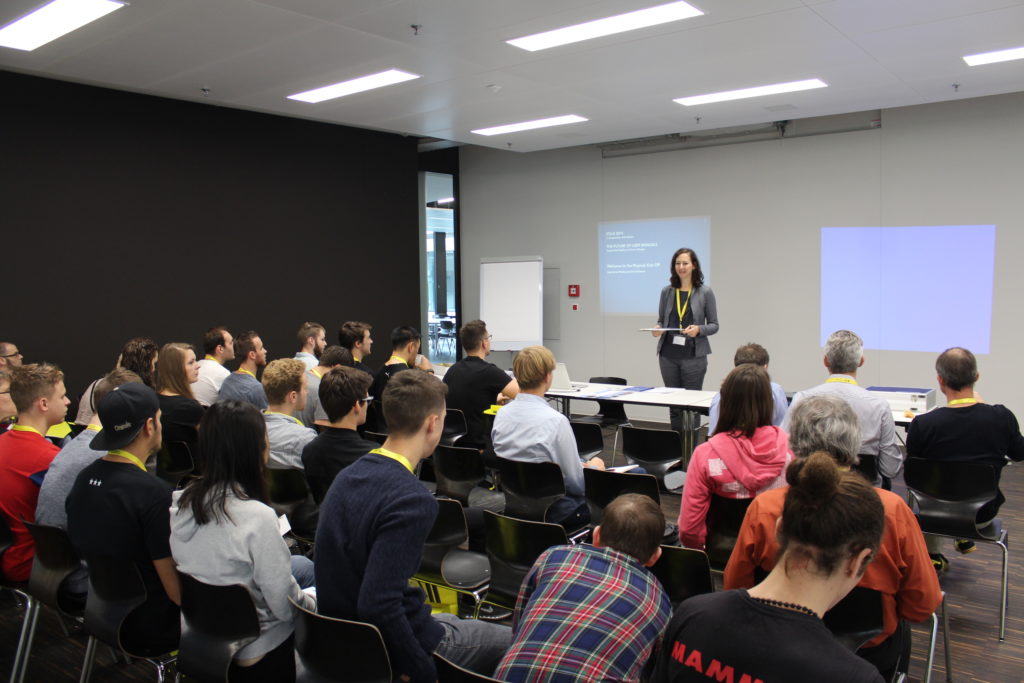
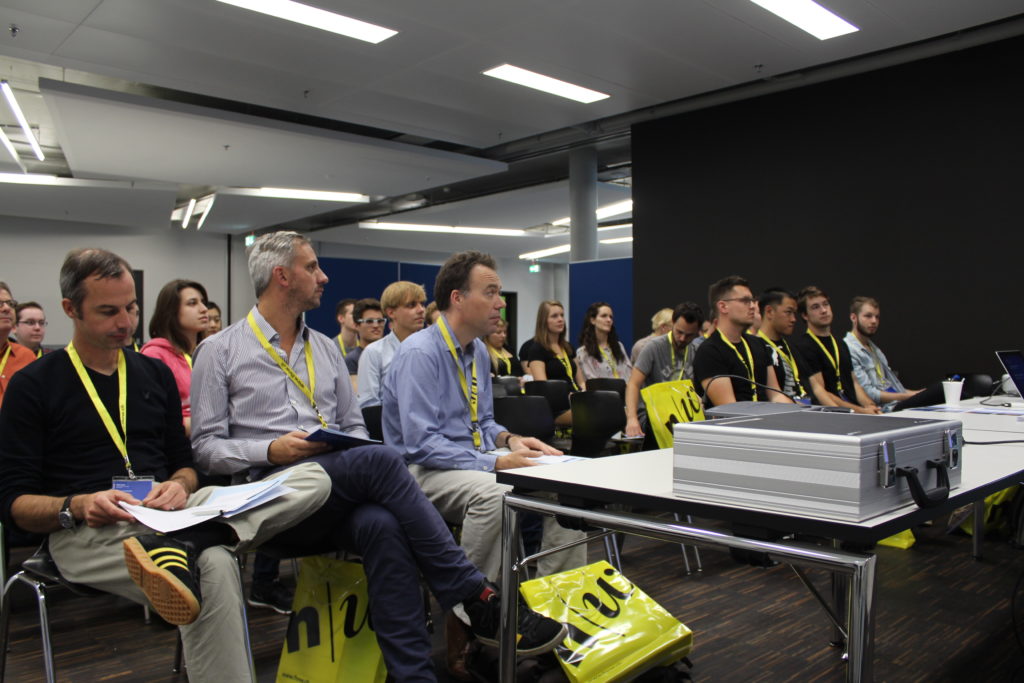
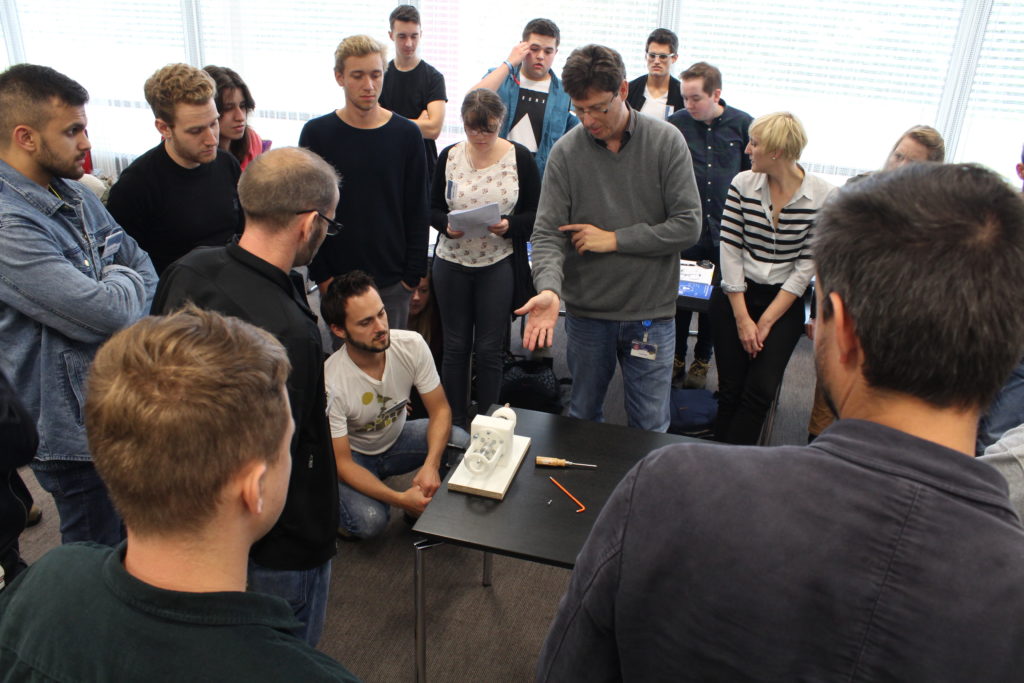

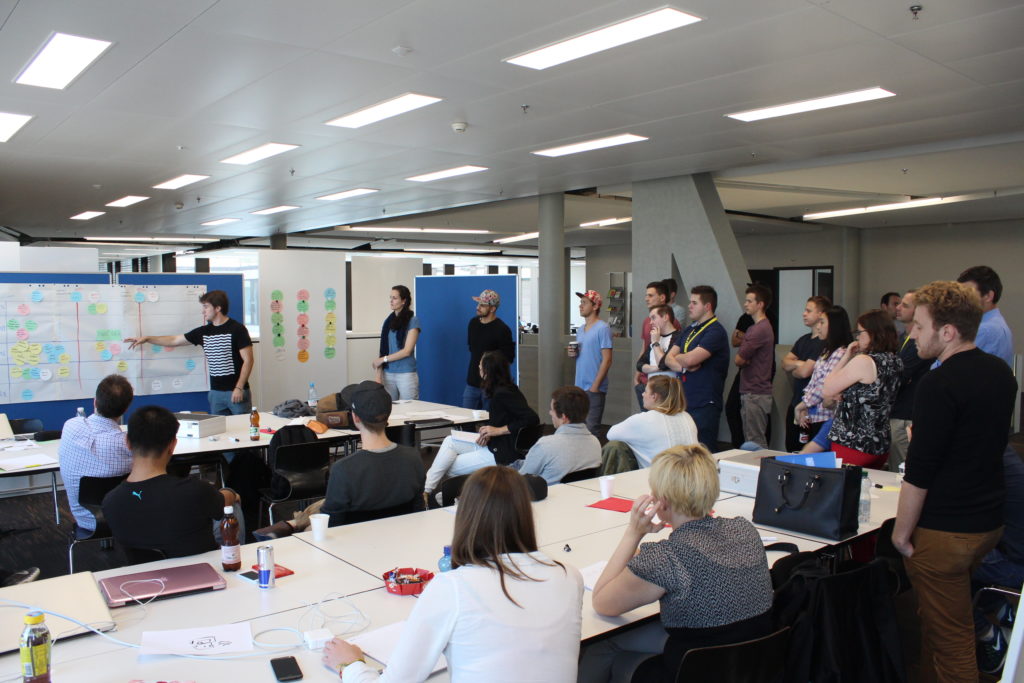
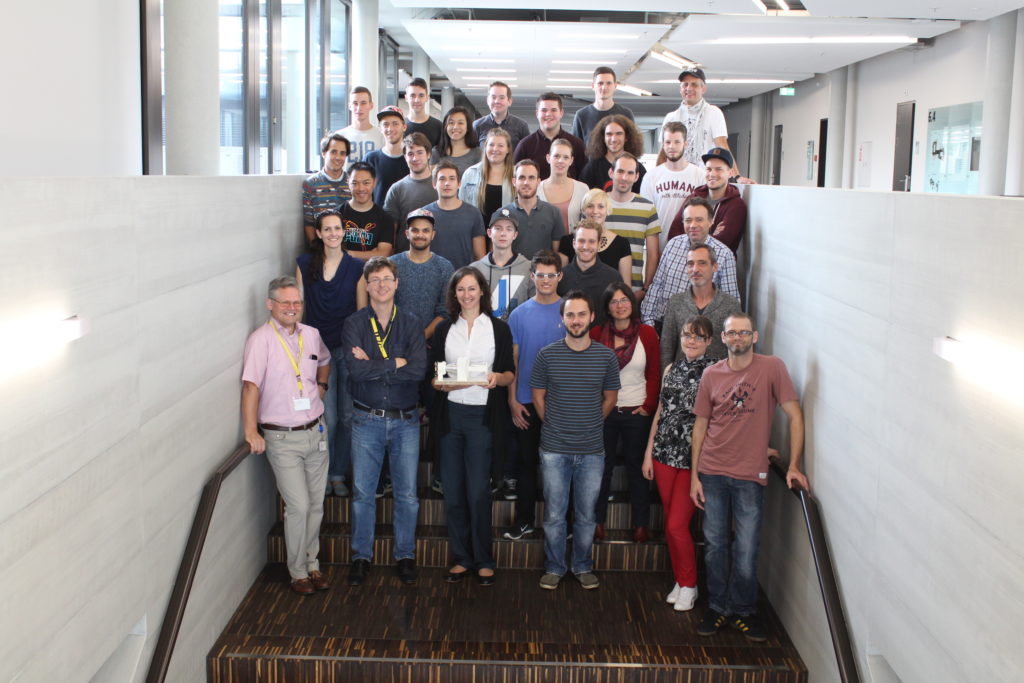
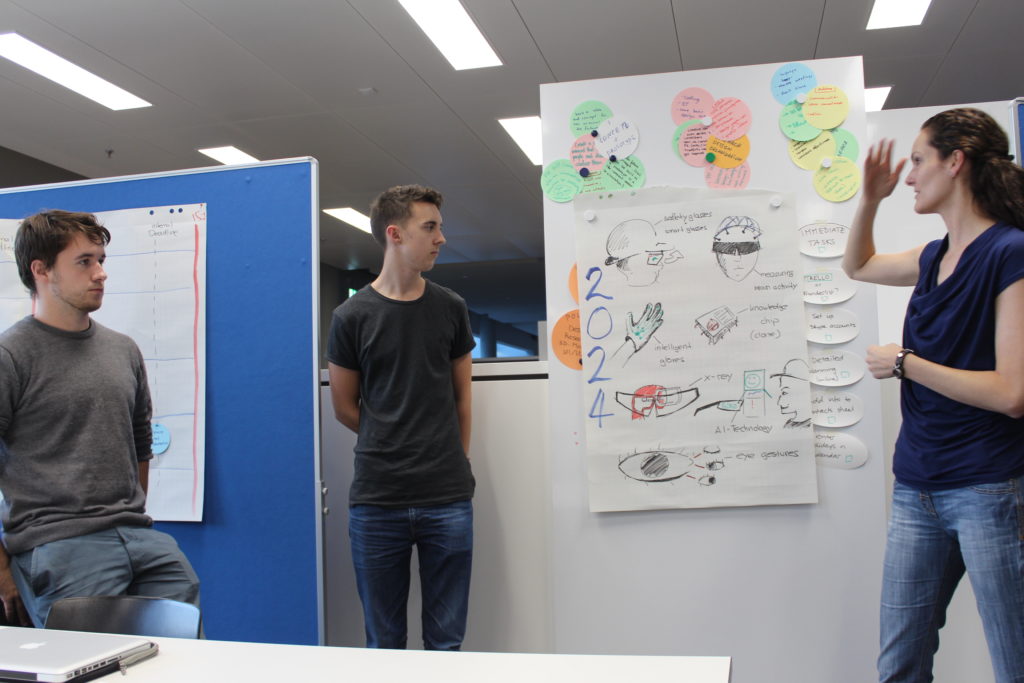
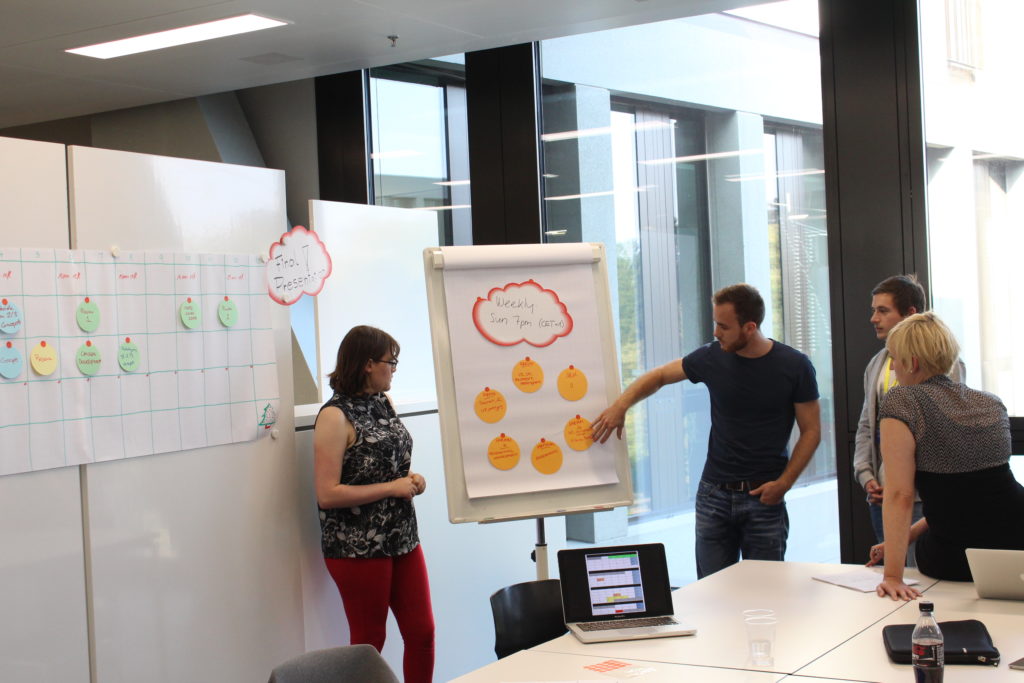
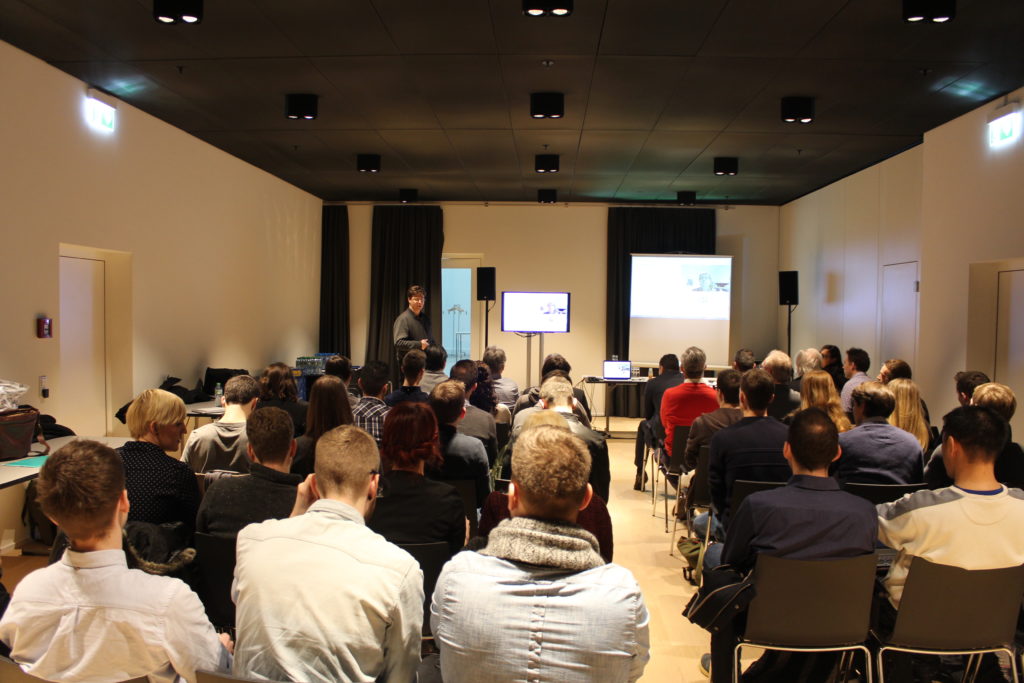
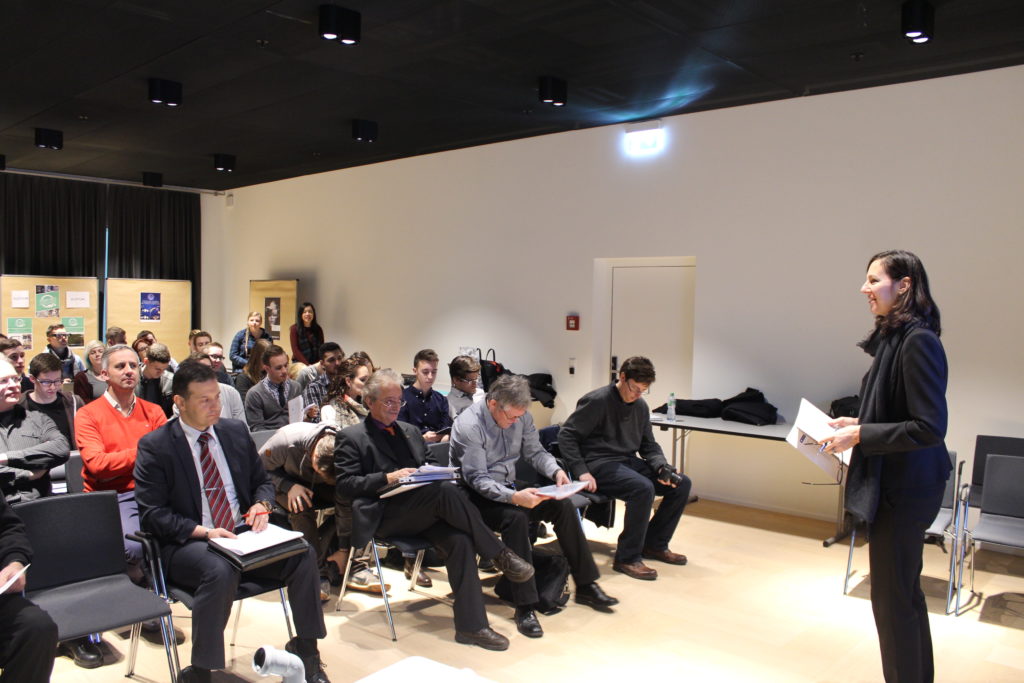
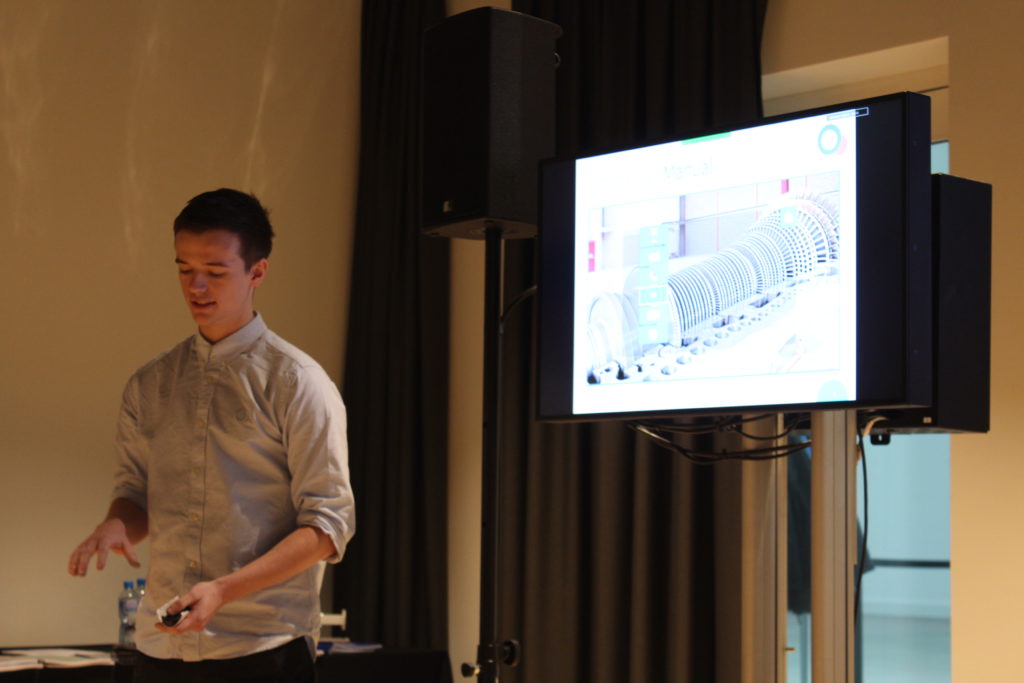
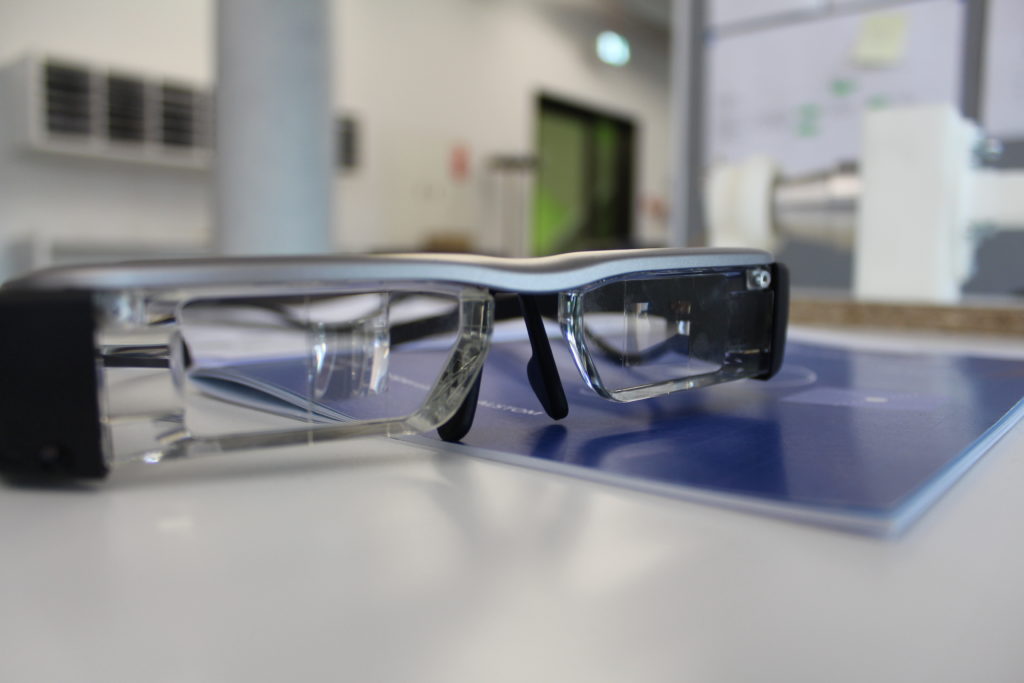
When the teams left Switzerland to return to their home countries, the project would continue with regular virtual meetings. The teams would have to continue brainstorming and ideation, set up scenarios, design appropriate user interfaces for the task and create prototypes showcasing how it would all work together in the end.
When the project came to a close after a six month working period, the teams returned to Switzerland for the final presentation. The six teams each had a solution and prototype which were presented in front of a jury which was made up of the industry partner, experts in the relevant fields the project dealt with and the coaches from the participating universities. Below are the results of the project:
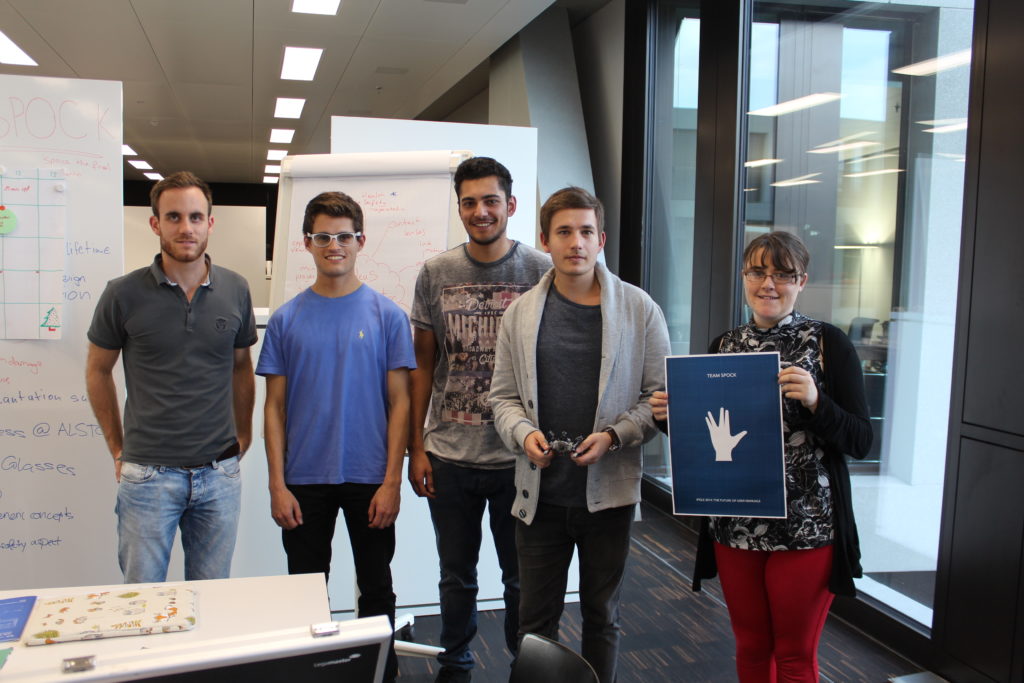
Team Spock
- Matthias Giger (Computer Science)
- Fabian Künzli (Computer Science)
- Julia Eppler (Interface Design / New Media)
- Fabian Gligor (Interface Design / New Media)
- Sophie Tyler (Interactive Media Design)
- Aaron Chatha (Interactive Media Design)
Coach:
- Magdalena Mateescu


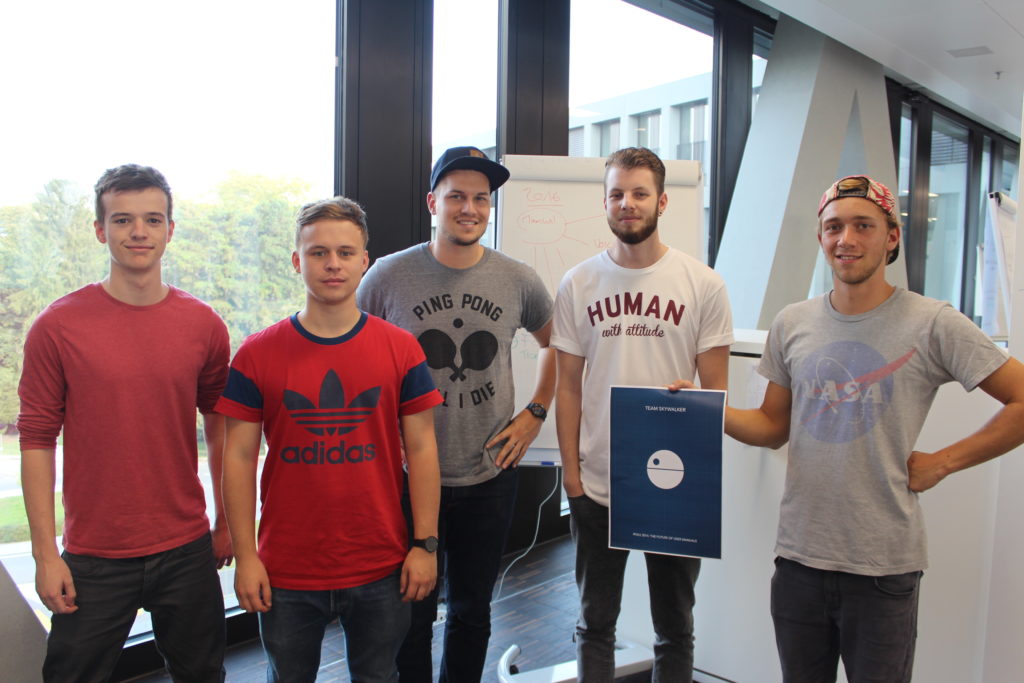
Team Skywalker
- Simon Flühmann (Computer Science)
- Kevin Rochel (Computer Science)
- Moritz Haecker (Interface Design / New Media)
- Lena Mueller (Interface Design / New Media)
- Jay Clark (Interactive Media Design)
- Joel Cockram (Interactive Media Design)
Coach:
- Egor Larichev


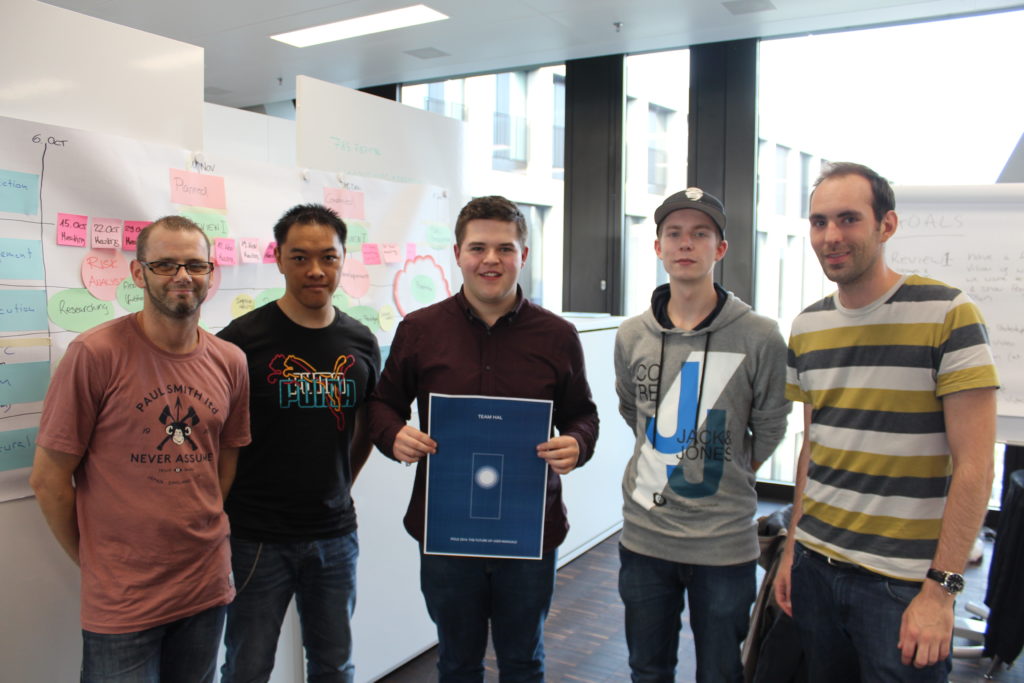
Team HAL
- Thien-An Bui (Computer Science)
- Marc Kaufmann (Computer Science)
- Sebastian Knau (Interface Design / New Media)
- Hanna Rittich (Interface Design / New Media)
- Ste Wallace (Interactive Media Design)
- Paul Craven (Interactive Media Design)
Coach:
- Jamie Steane


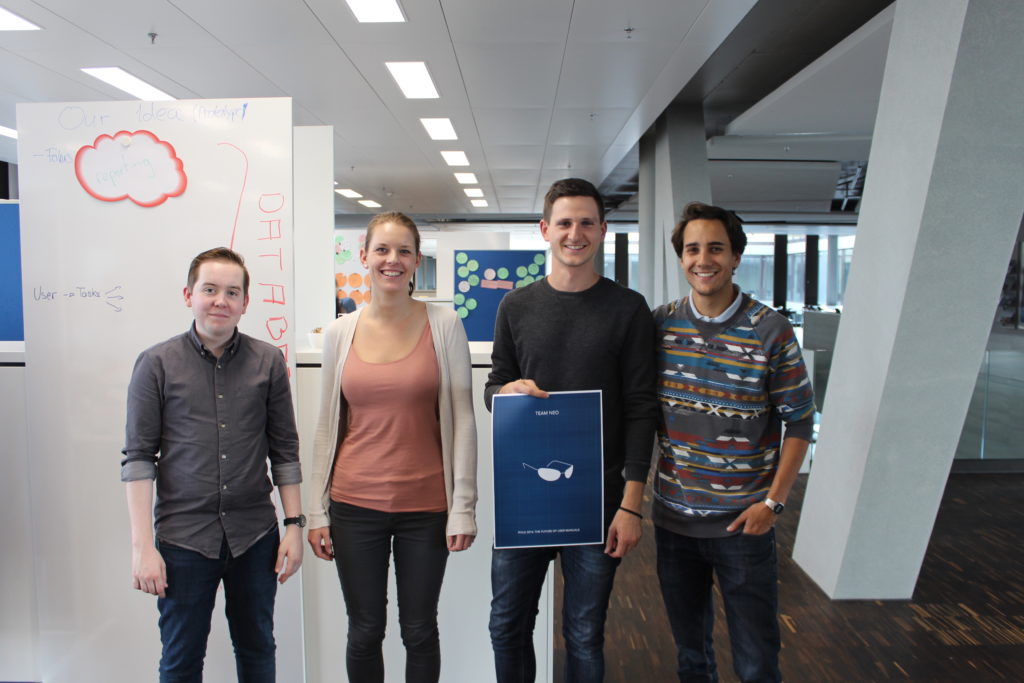
Team Neo
- Carmen Pott (Computer Science)
- David Rüfenacht (Computer Science)
- Fabian Koschar (Interface Design / New Media)
- Pablo Speck (Interface Design / New Media)
- Sina Zorn (Interface Design / New Media)
- Samuel Housley (Interactive Media Design)
Coach:
- Simon Schubiger


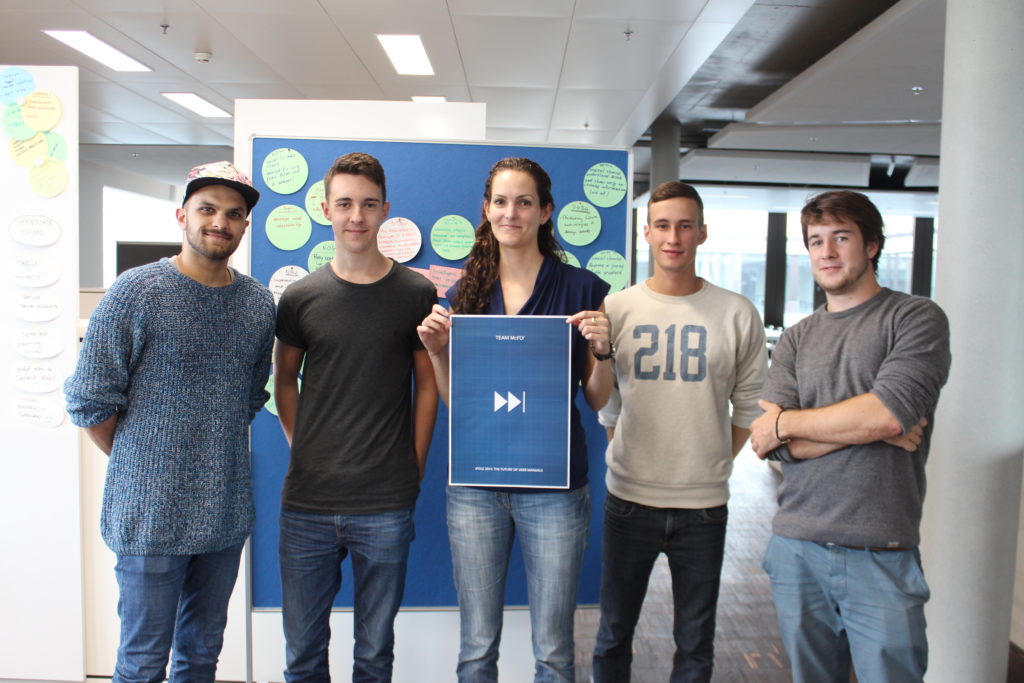
Team McFly
- Christian Glatthard (Computer Science)
- Céline Solenthaler (Computer Science)
- Milon Quayim (Interface Design / New Media)
- Jannik Welz (Interface Design / New Media)
- James Tabiner (Interactive Media Design)
Coach:
- Mario Doulis


Team Stark
- Chih Chan (Interactive Media Design)
- Fabrice Michaud (Computer Science)
- Caroline Badoud (Computer Science)
- Tim Schultze (Interface Design / New Media)
- Tobias Schultze (Interface Design / New Media)
- Tamzin Ward (Interactive Media Design)
Coach:
- André Csillaghy


Project details
| Duration: | 1 Semester |
| Teams: | 6 |
| Size of teams: | 5-6 Persons |
Industry partner

Project lead iPOLE
Doris Agotai, FHNW, School of Engineering, Computer Science Department
Christoph Holliger, FHNW, School of Engineering / Academy of Art and Design
www.pole-project.ch
Partner Universities
- FHNW, School of Engineering
- FHNW, School of Applied Psychology
- Merz-Akademie, Stuttgart
- Northumbria University, Newcastle upon Tyne
- HSE Art and Design School, Moscow
Contact
Doris Agotai, doris.agotai@fhnw.ch