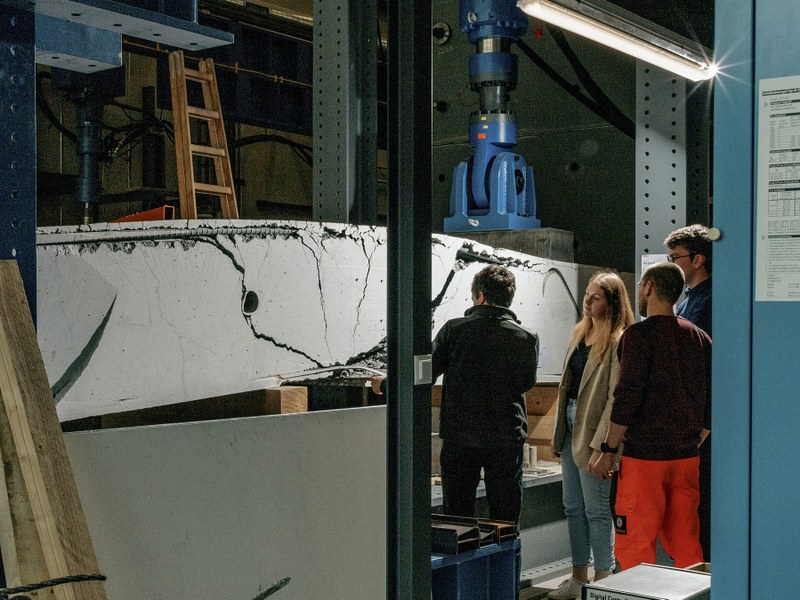
With the MSE Civil Engineering master's programme, you become an expert in complex issues of civil engineering. You deepen your knowledge in a chosen core discipline such as structural design, geotechnical engineering or transportation infrastructure and develop into a competent project leader. Thanks to state-of-the-art infrastructure and practice-oriented research, you are ideally prepared for demanding professional challenges.
Factsheet
- Degree
- Master of Science FHNW in Engineering, Profile Civil Engineering
- Study mode
- Full-time, Part-time/work-study
- Learning mode
- Onsite
- ECTS credits
- 90
- Next start
- 22.2.2027
- Duration
- Full-time (3 semesters) or part-time (5 semesters)
- Application fee
- CHF 200
- Semester fee
- Residence at the start of studies in Switzerland: CHF 750, residence at the start of studies in the EU/EFTA: CHF 1000
At a glance
- Specialisation: You become a sought-after expert in a core discipline such as structural engineering, tunnelling or hydraulic engineering.
- Leadership skills: The master’s programme prepares you specifically for leadership roles in construction companies and engineering offices.
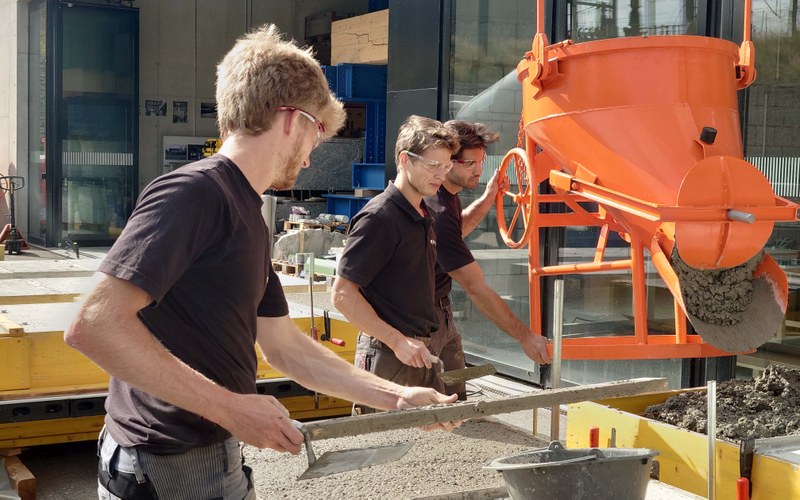
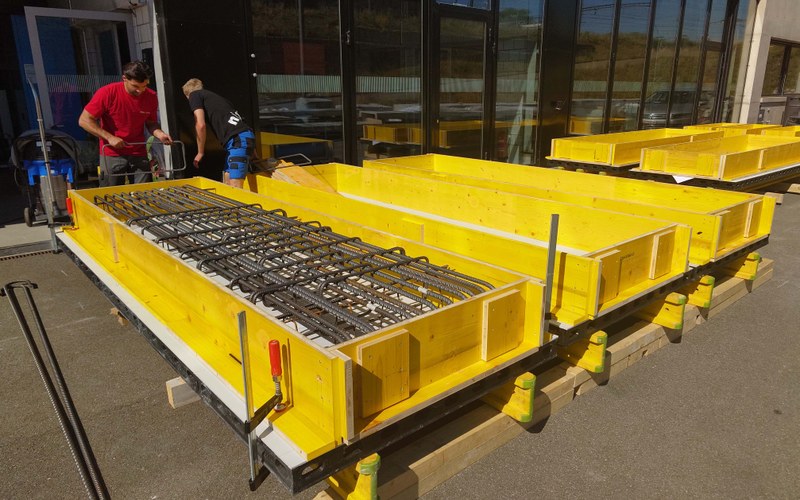
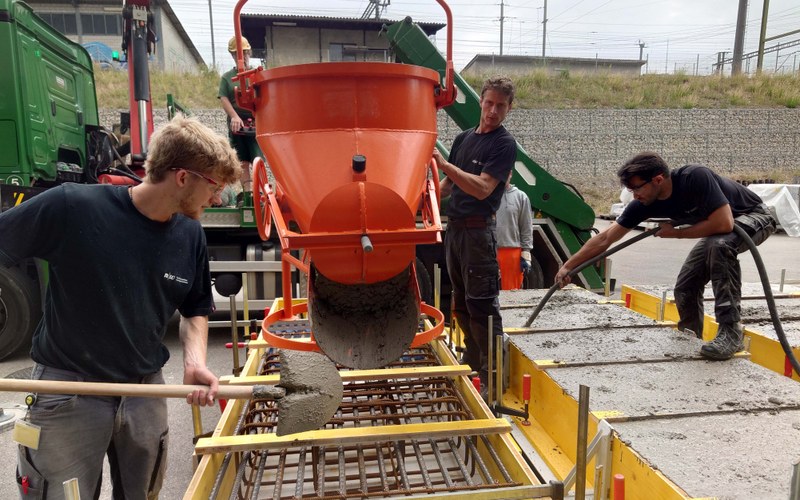
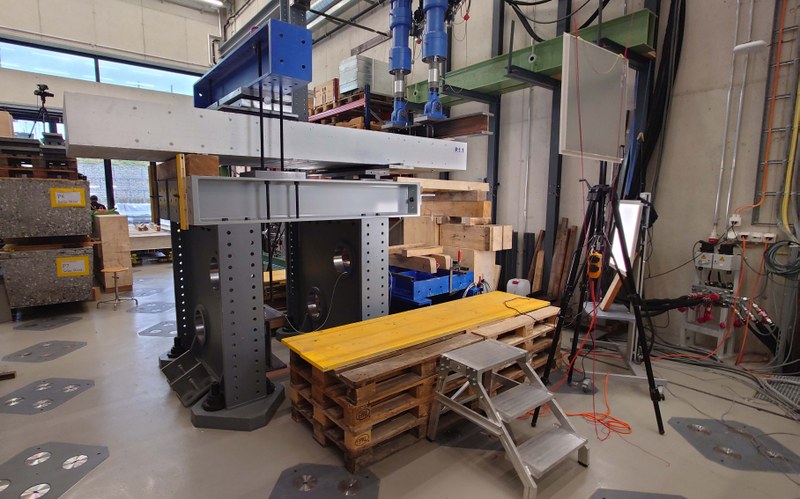
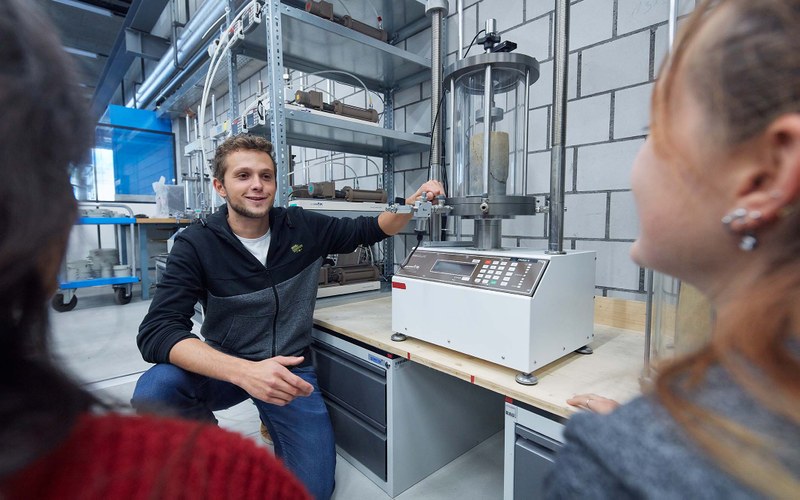
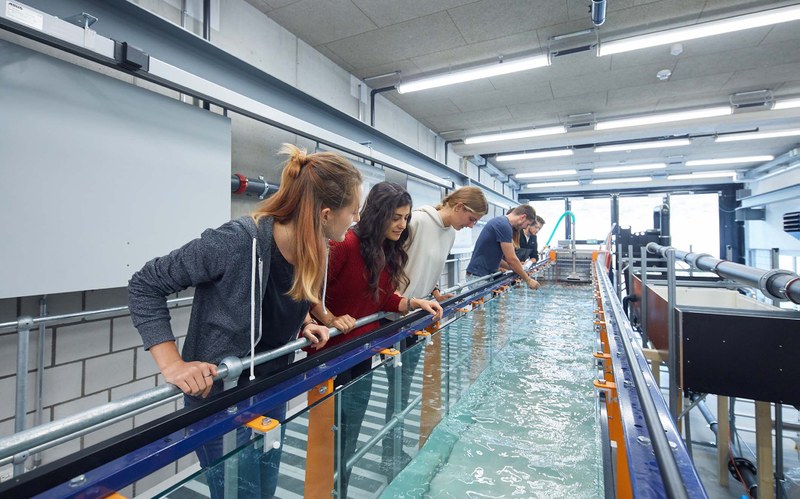
- Practical relevance: You benefit from modern, well-equipped construction labs and realistic testing environments.
- Project competence: You learn to independently analyse, plan and manage complex tasks.
- Future orientation: With a focus on current challenges, you are well equipped for the construction world of tomorrow.
Why study this?
With the MSE Civil Engineering programme, you open up new professional opportunities – whether as a sought-after project manager, specialist or in a leadership role. You can contribute to exciting infrastructure and construction projects that shape our environment, mobility and quality of life. Your expertise helps ensure that socially relevant structures are implemented sustainably and safely – today and in the future.
Structure and programme contents
Programme structure
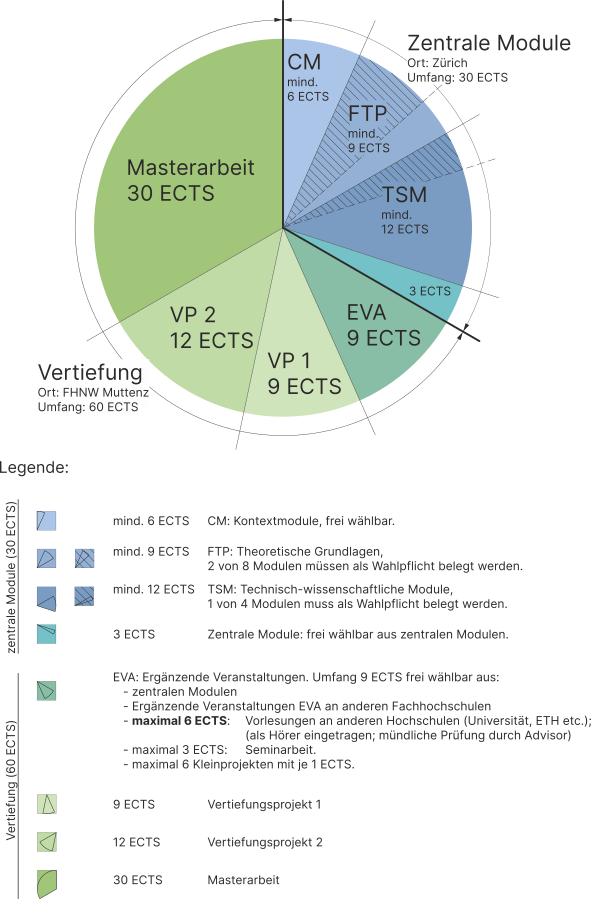
The Master's program, totaling 90 ECTS credits, is divided into the following three main parts:
- Core Modules (30 ECTS credits), Zürich
- Specialization (30 ECTS credits), Muttenz
- Master's Thesis (30 ECTS credits), Muttenz
In contrast to the content-defined foundational studies, the Master's program aims to allow for a flexible structure tailored to individual preferences. The goal is to create a study plan customized to your personal preferences. The framework of the study structure is visualized in the following graphic.
Study Mode
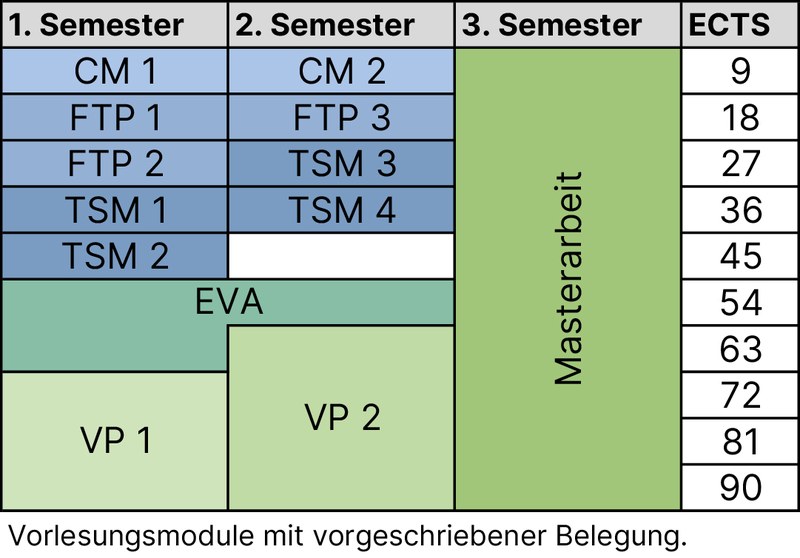
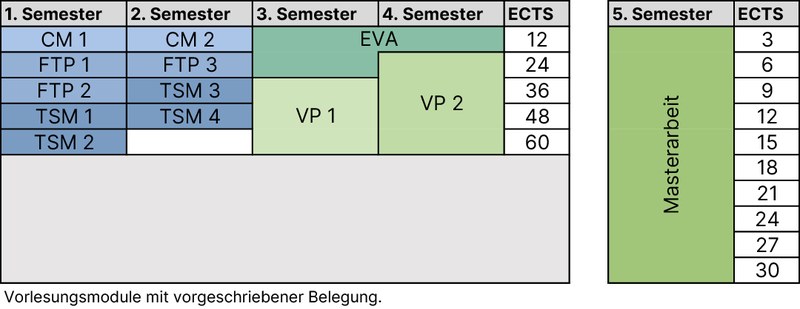
You can complete the MSE program either full-time in three semesters or part-time over five semesters. If you choose the part-time option, you have the opportunity to work alongside your studies – either at an engineering firm or at the Institute of Civil Engineering.
Full-time Study
Part-time Study
Specialisations
The Civil Engineering study profile offers you four distinct specialization areas where you can deepen your knowledge and skills
- Structural Engineering
- Geotechnical Engineering
- Hydraulic Engineering and Water Management
- Transportation Planning and Traffic Systems
Specialization in Structural Engineering
Concrete Construction
You explore a wide range of topics related to concrete and prestressed concrete construction. A particular focus is placed on earthquake analysis and structural monitoring.
Structural Mechanics
You dive into advanced methods of structural mechanics and mechanics of materials, working with both concrete and steel structures. You can specialize in areas such as stability and plasticity theory, earthquake analysis, prestressed concrete, and bridge construction. You learn how to develop sophisticated structural concepts and translate them into practical designs, considering both static and dynamic demands.
Specialization in Geotechnical Engineering
You analyze and assess natural events and work on planning, designing, and supervising geotechnical structures and measures. With a solid foundation in soil mechanics, you apply numerical methods and advanced constitutive models, and you learn to describe the behavior of partially saturated soils. You can specialize in deep foundations, ground improvement, geosynthetics, and rock mechanics to prepare for complex, project-oriented challenges.
Specialization in Hydraulic Engineering and Water Management
You focus on pressing future issues such as climate change and its impact on river flow regimes and catchment water balances. You study substance transport in surface and groundwater, ecological revitalization, and sustainable water management. You also gain skills in hydrological and hydraulic (2D, 3D) modeling, eco-hydraulics, and sustainable construction methods.
Specialization in Transportation Planning and Traffic Systems
You engage with traffic engineering and control, public transport concepts, and comprehensive transportation planning. You learn to develop mobility solutions that meet today’s and tomorrow’s complex demands.
Requirements and admission
Acceptance criteria
The Master's program in MSE CE is designed as a consecutive course following the Bachelor's program in Civil Engineering. It builds on the foundational content of the Bachelor's degree, primarily targeting individuals with a Bachelor's degree in Civil Engineering.
Admission Requirements:
- Bachelor of Science in Civil Engineering (ECTS grade "A" or "B")
- Degree as Diploma Engineer FH (overall grade "good" to "very good")
- Or admission based on suitability assessment by the program director
Organisational matters
Module Catalog / Elective Modules
One-third of your MSE program consists of centrally organized courses for all German-speaking universities of applied sciences, held in Zurich (Lagerstrasse 41). You will complete a total of 11 modules, each worth 3 ECTS credits, covering theoretical foundations, specialized knowledge, and context. You can find a full overview and detailed descriptions of all modules in the Appendix of the MSE Examination and Study Regulations and on the official MSE website.
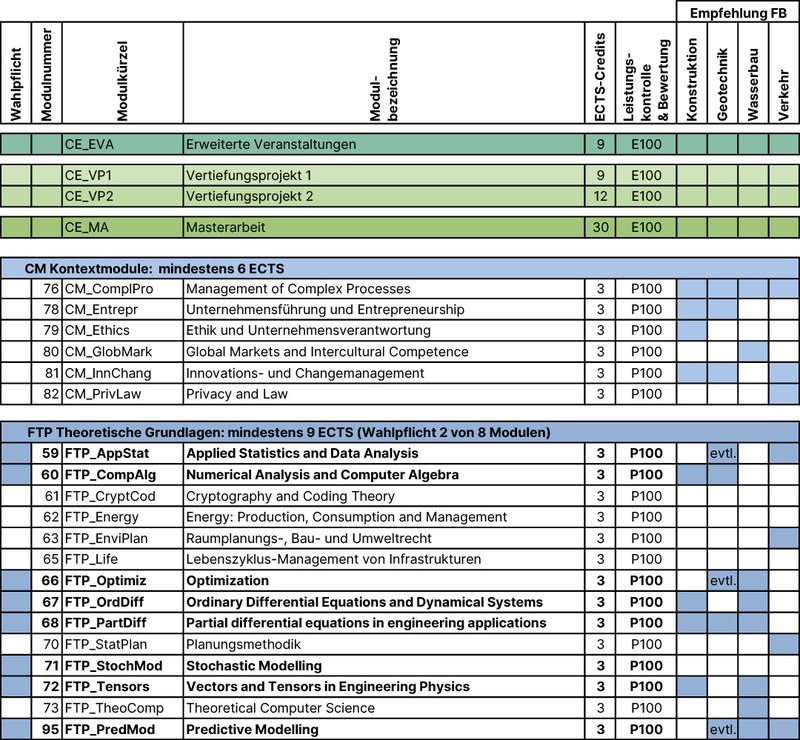
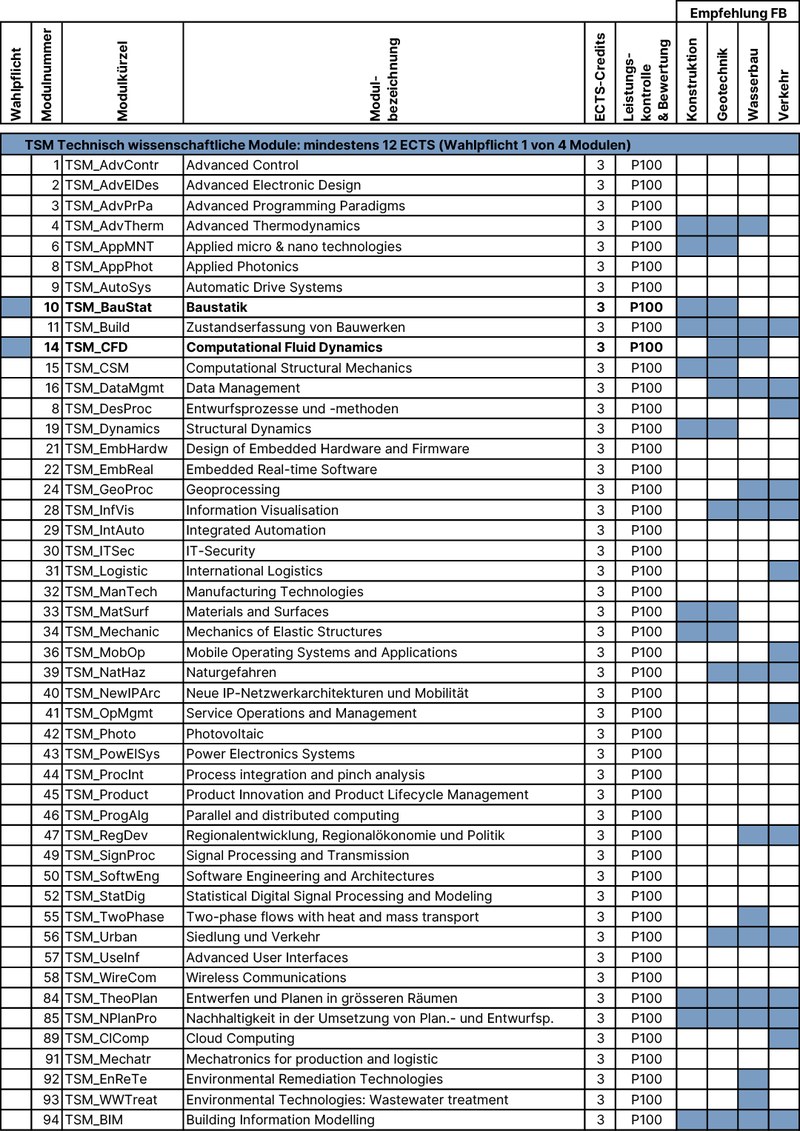
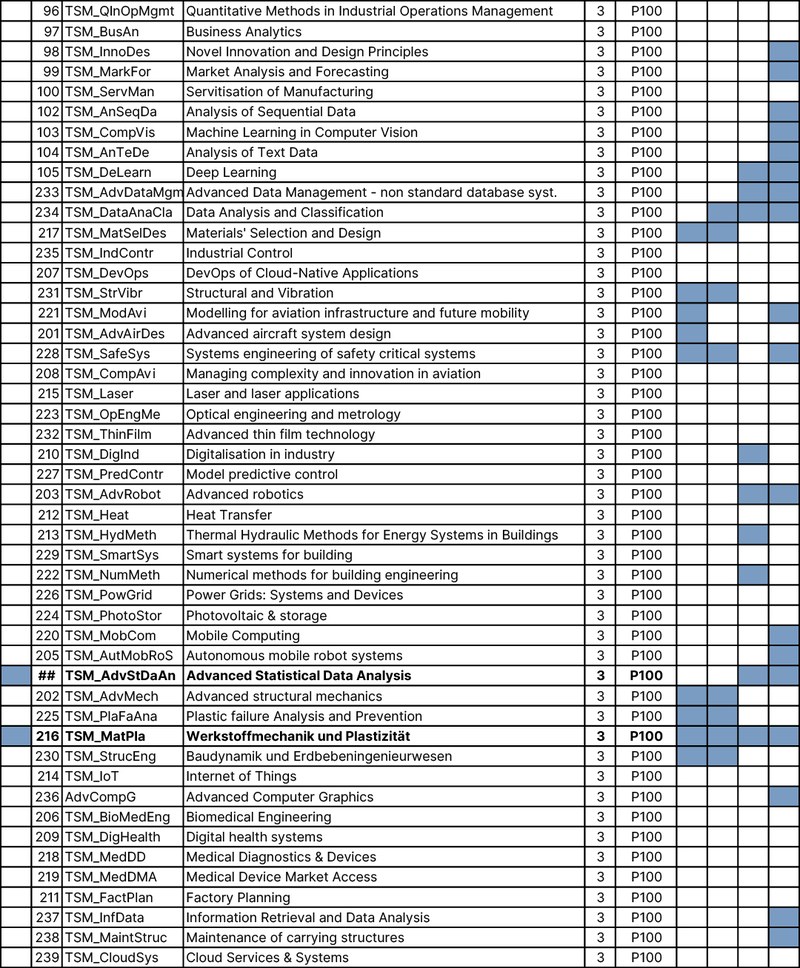
You can find further information on www.msengineering.ch.
Regulations
Current Study and Examination Regulations for the MSE program at the School of Architecture, Civil Engineering, and Geomatics at FHNW:
Appendix to the MSE Examination and Study Regulations of the HABG:
Integration into Experimental Research
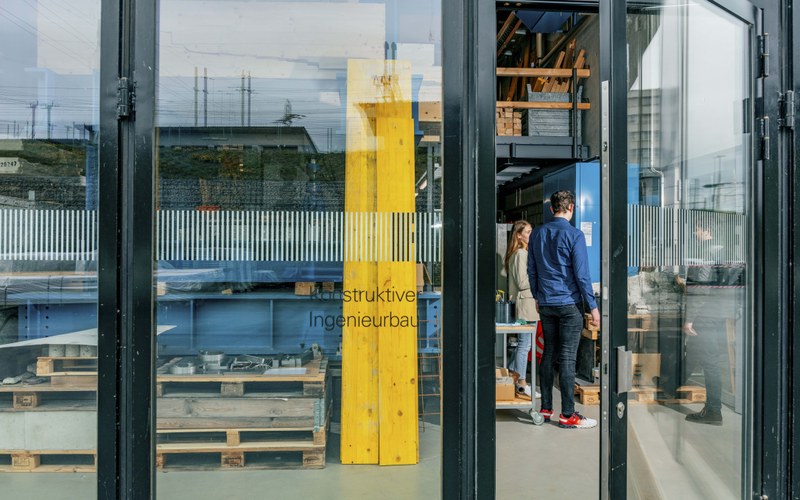
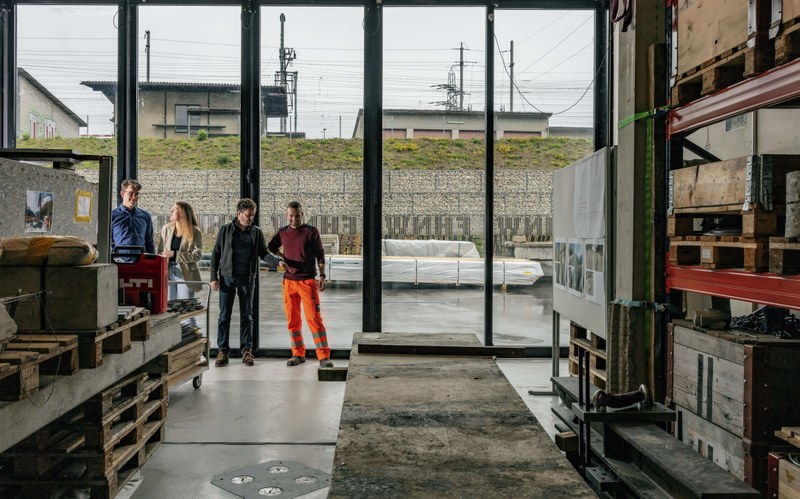
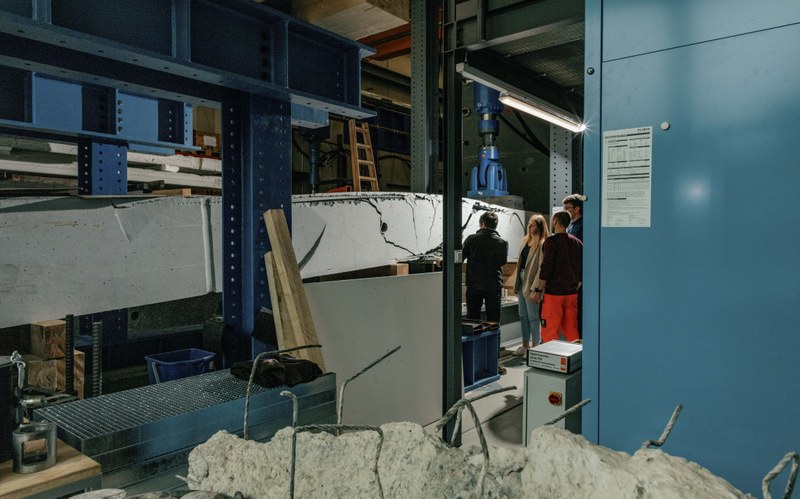
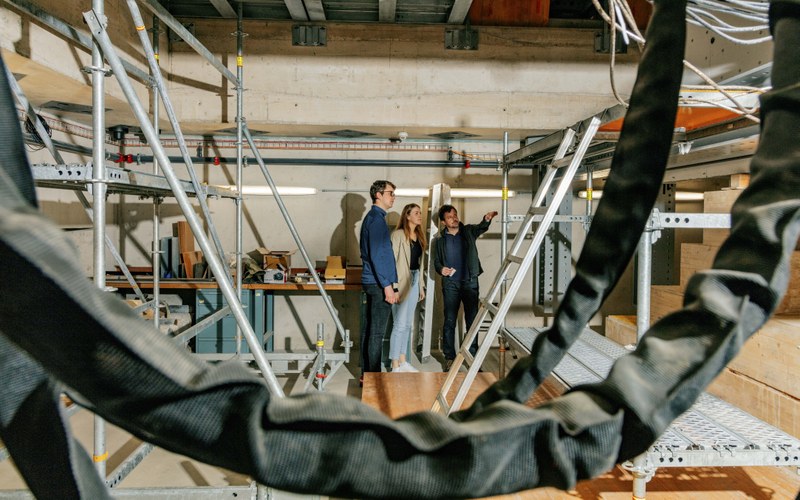
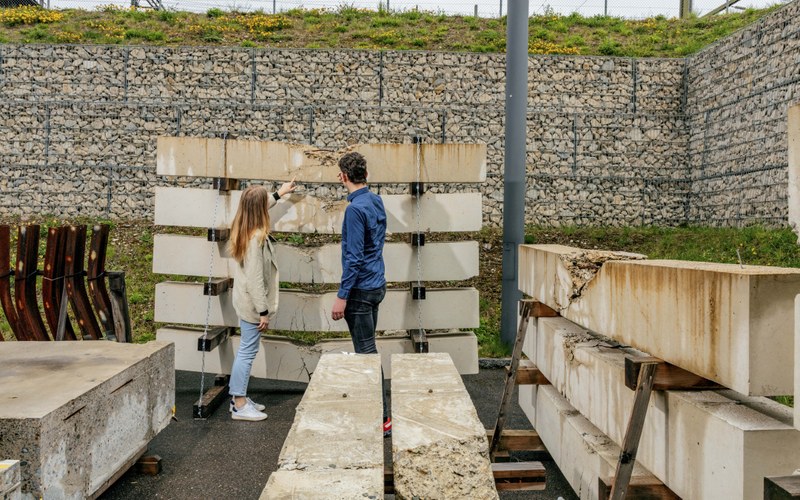
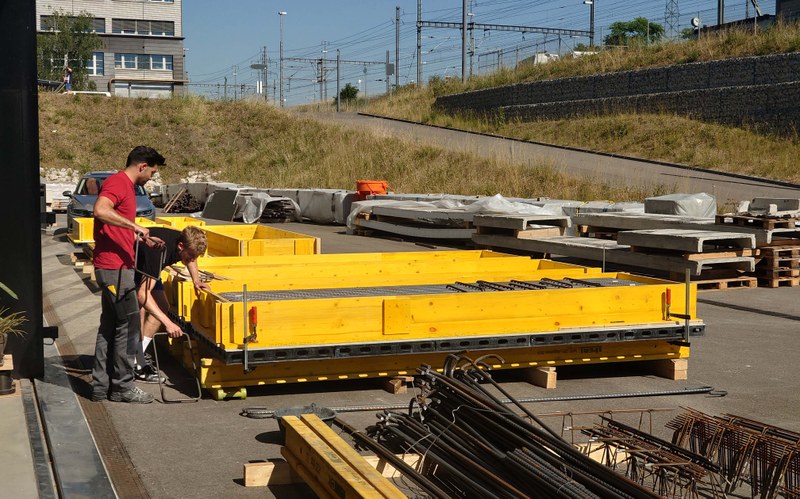
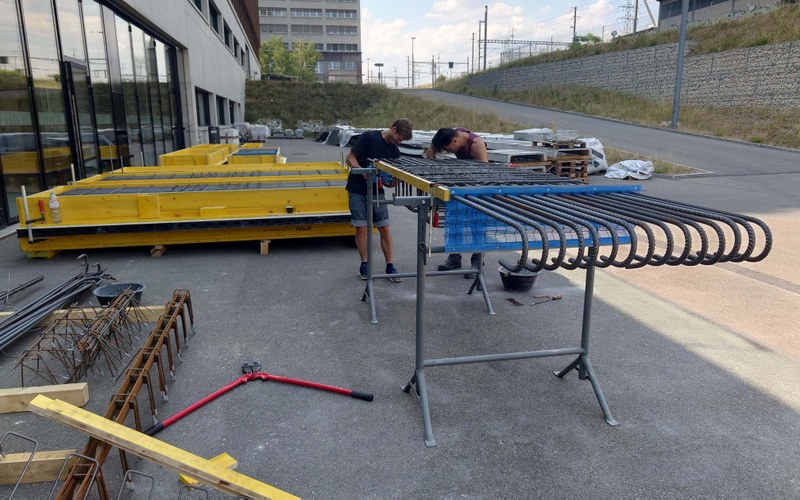
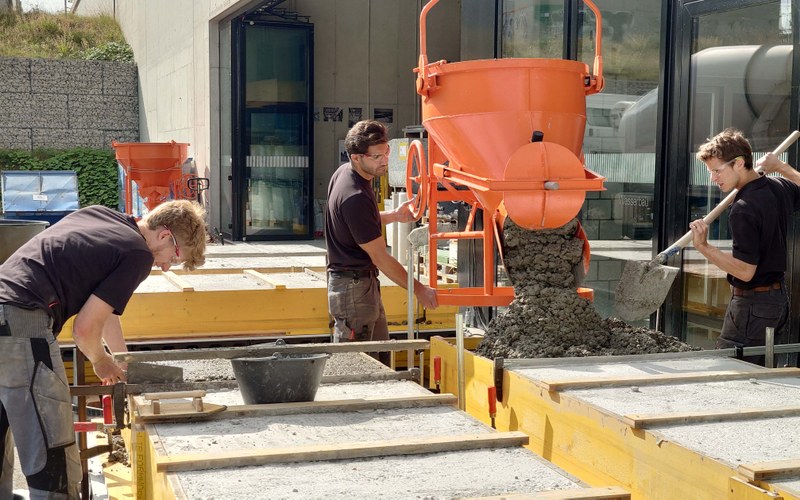
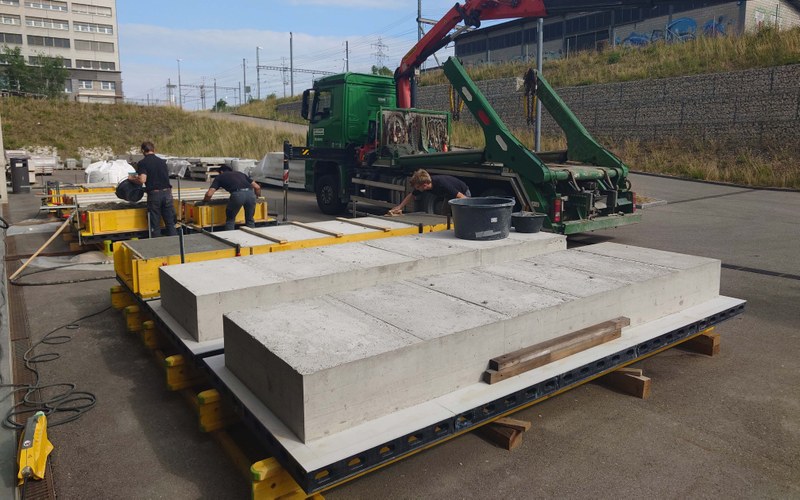
Your specialization takes place at FHNW and includes two specialization projects, your master's thesis, and participation in additional seminars and events. The MSE program at the Muttenz campus is strongly shaped by the experimental possibilities offered by FHNW’s state-of-the-art construction laboratory. Take a look at the following impressions to get a glimpse of the lab environment.
Advising and information events
Contact
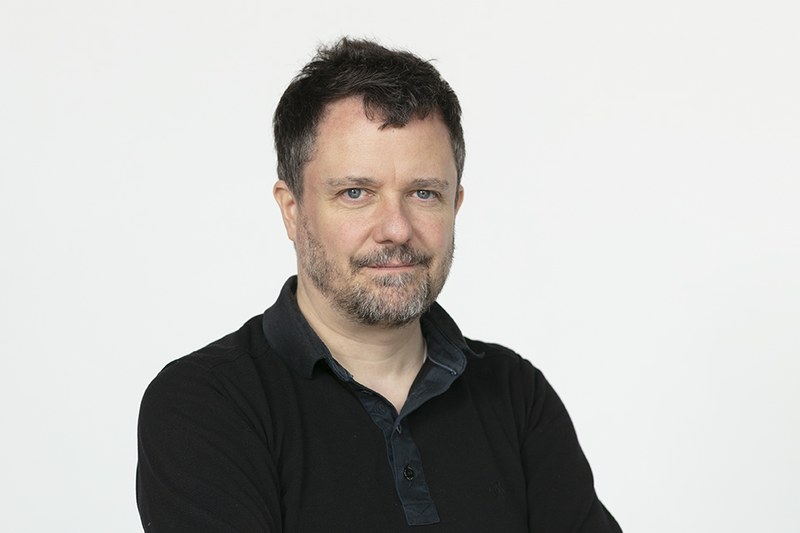
Prof. Dr. Simon Zweidler
- Phone
- +41 61 228 58 24
- simon.zweidler@fhnw.ch
Information events
Loading...