Skip to main contentSkip to search barSkip to navigationSkip to footer
Logo of the University of Applied Sciences and Arts Northwestern Switzerland
Degree Programmes
Continuing Education
Research and Services
International
About FHNW
DeEn
Locations and ContactFHNW LibraryMedia Relations
Logo of the University of Applied Sciences and Arts Northwestern Switzerland
  • Degree Programmes
  • Continuing Education
  • Research and Services
  • International
  • About FHNW
DeEn
Locations and ContactFHNW LibraryMedia Relations
20 years University of Applied Sciences and Arts Northwestern Switzerland FHNW

20 years University of Applied Sciences and Arts Northwestern Switzerland FHNW

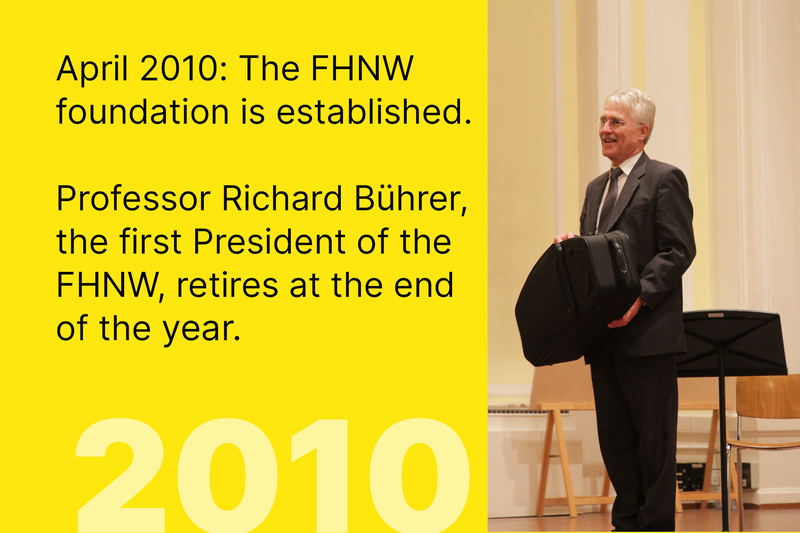
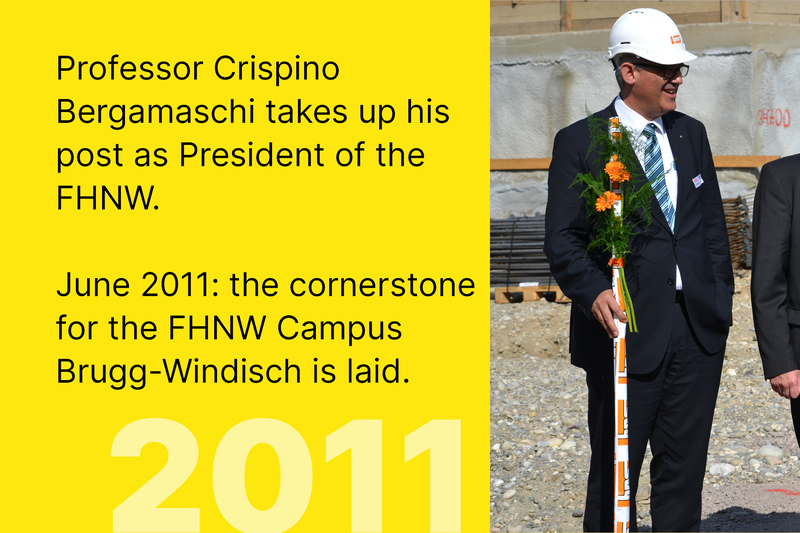
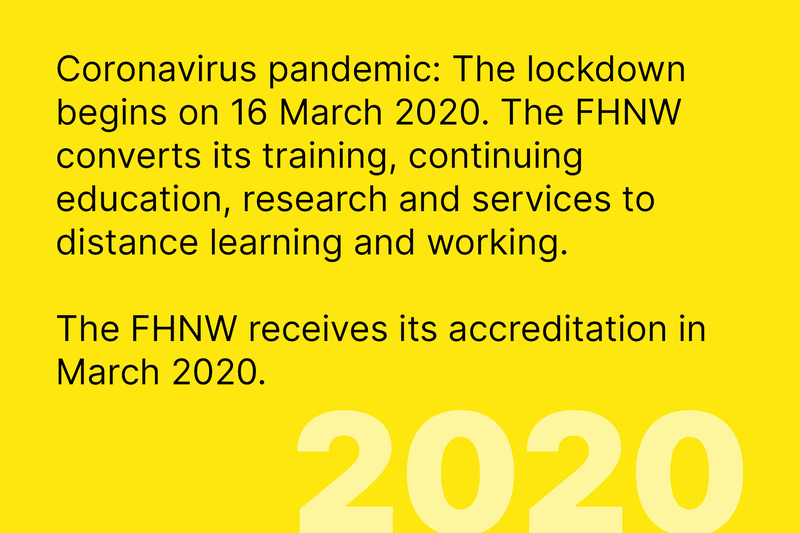
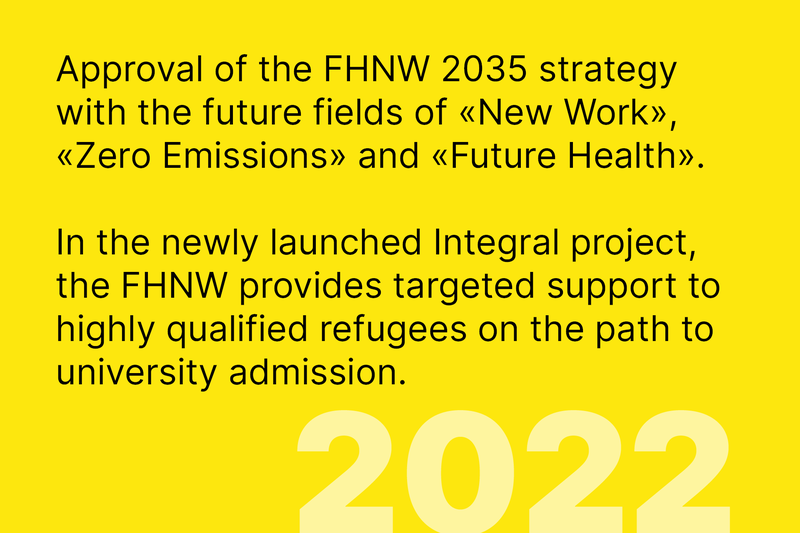
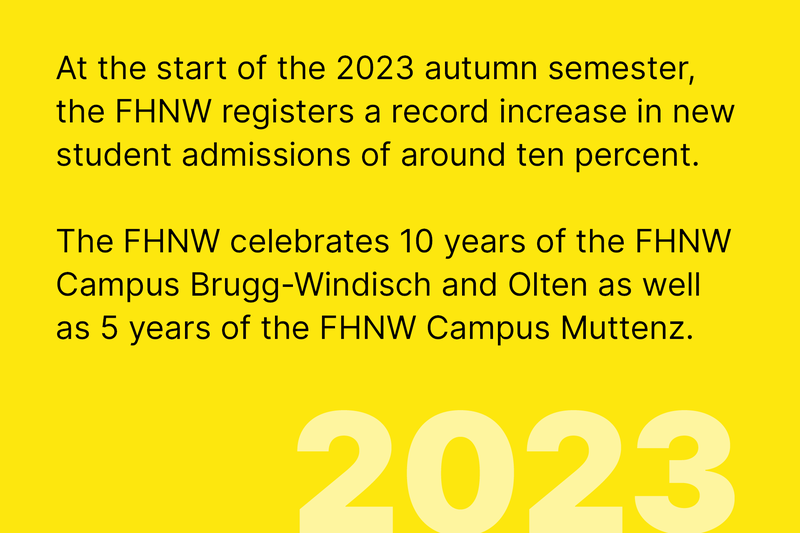
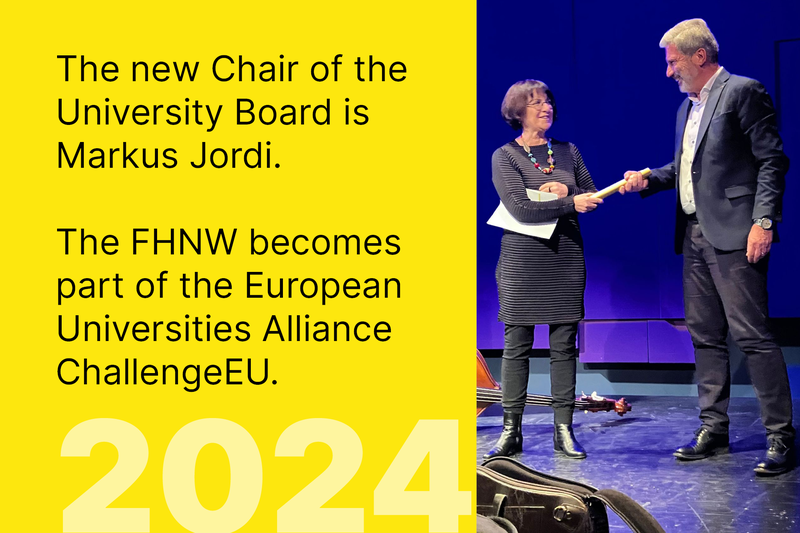
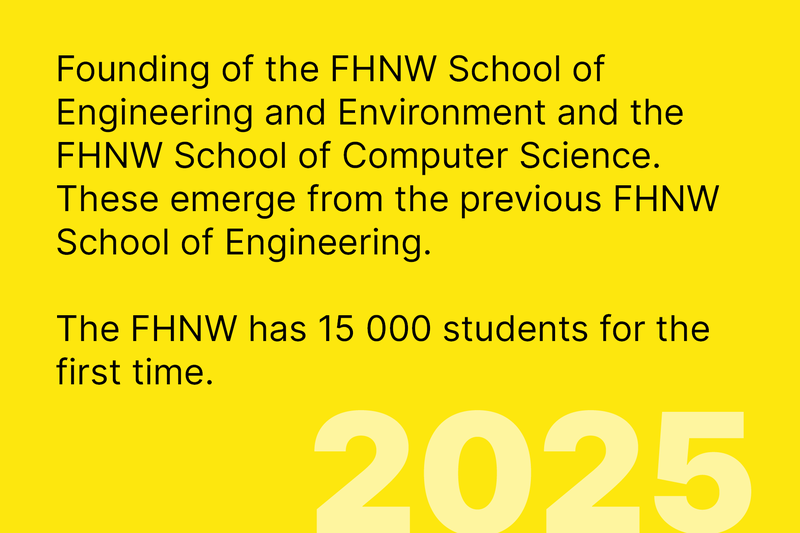
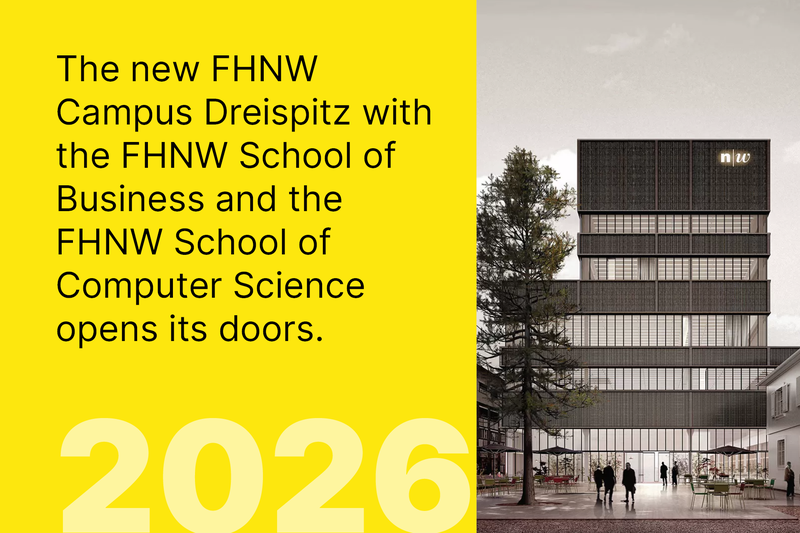
Milestones from 20 years FHNW
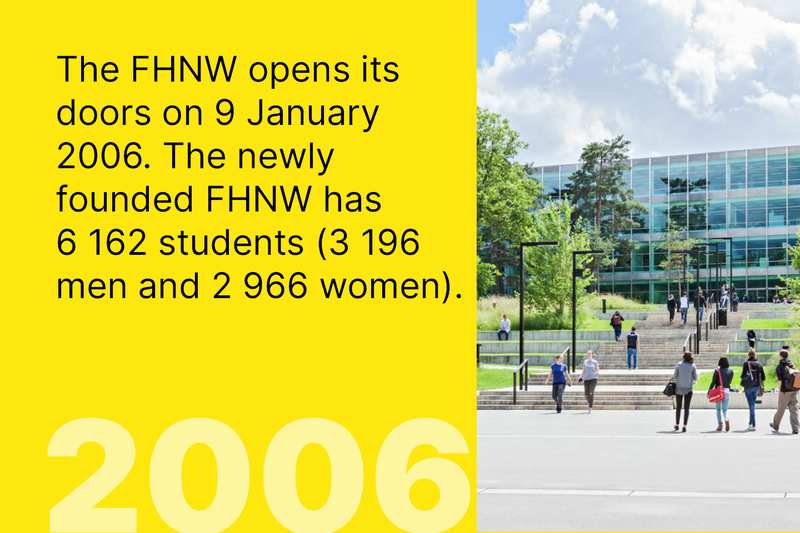
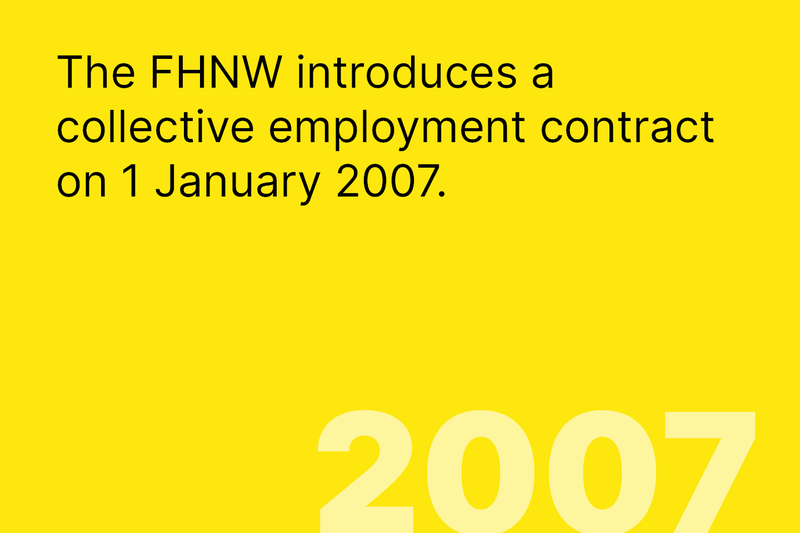
1/21
2/21
21/21
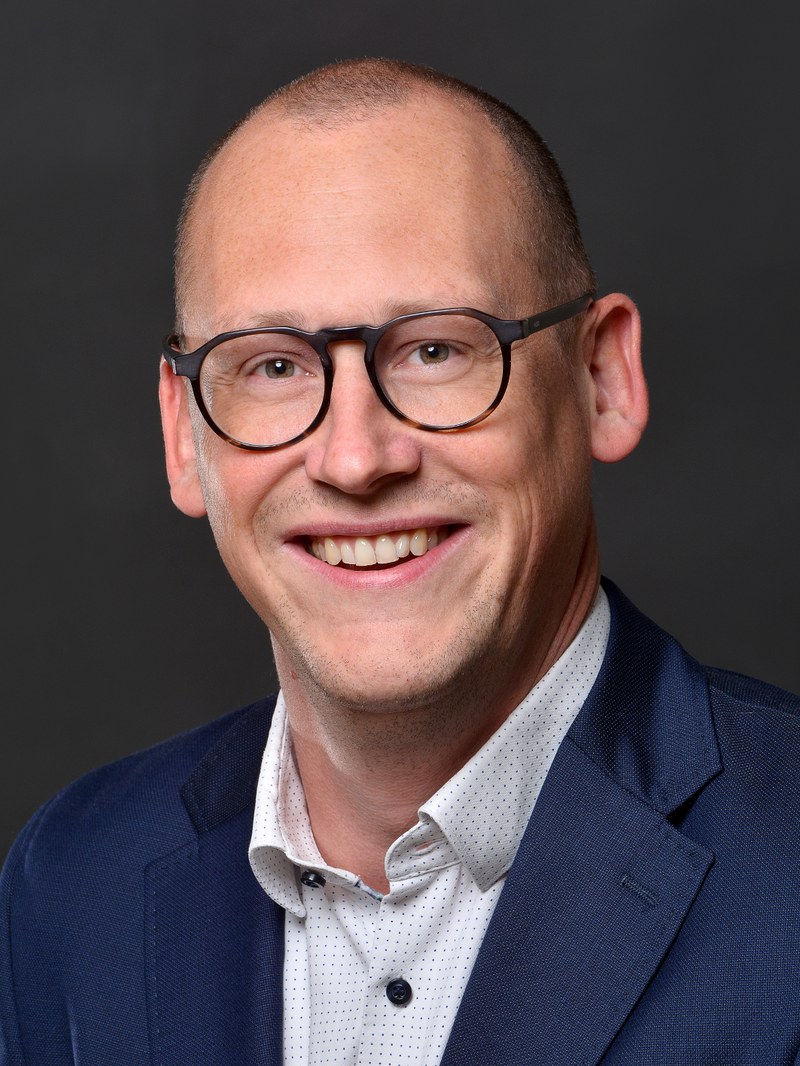
Portrait of Dr. Adrian Pritzius, Head of Site Development BSF, Bachem AG, Alumnus FHNW School of Life Sciences
«The FHNW was the ideal first stage for me: The practical studies and indepth knowledge provided me with the tools for my future career. This allowed me to expand my university research in homogeneous rhodium catalysis and later develop management and leadership skills in industry that shape my work as Head of Site Development today.»
Dr. Adrian Pritzius, Head of Site Development BSF, Bachem AG, Alumnus FHNW School of Life Sciences

Anniversary publication

The brochure focuses on the interesting and at times eventful founding history of the FHNW. In interviews with the author, historian Dr Jacqueline Weber, those politically responsible for the foundation as well as the decision-makers responsible for operational matters at the time described their memories of the creation process.

That the four cantons of Aargau, Basel Landschaft, Basel Stadt and Solothurn agreed at the start of the third millennia on the founding of a joint university can only be understood in retrospect as a remarkable achievement. The brochure makes it clear – The FHNW project was a visionary undertaking that required a great deal of courage, energy and assertiveness from all those responsible – and was ultimately rewarded with success.
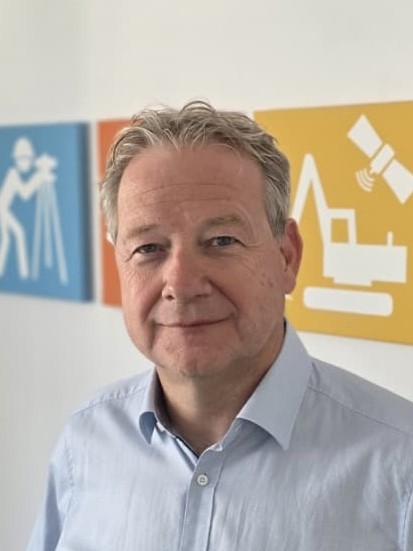
Portrait of Markus Brun, CEO MEB Group, Alumnus FHNW School of Architecture, Construction and Geomatics
«The FHNW provided me with a strong technical foundation, networked thinking and analytical skills. These principles remain with me to this day and help me to constantly familiarise myself with new topics. The friendships from my time as a student and which continue to this day are particularly valuable.»
Markus Brun, CEO MEB Group, Alumnus FHNW School of Architecture, Construction and Geomatics

Facts about the FHNW 

Number of employees (as at 15/10/2025)

The FHNW has 3 400 employees.

Number of students (as at 15/10/2025)

The FHNW has around 15 000 students.

Number of locations

The FHNW has six campuses in four cantons (AG, BS, BL, SO).

Number of higher education institutions

The FHNW has ten Schools.

Number of degree programmes

The FHNW offers 58 degree programmes.

Total number of BA, CAS, DAS and MAS degrees since foundation

To date, the FHNW has launched 48 500 trained specialists on the market and has further trained around 54 000 specialists as part of market-oriented CAS, DAS and MAS continuing education programmes.

Research projects

Since its foundation, the FHNW has implemented 13 000 applied research projects with industry partners, etc., generating solutions to specific problems in practice.

Portrait of Yannik Zamboni, CEO / founder & creative director maison blanche AG, Alumnus Basel Academy of Art and Design  FHNW (Photo: Josefine Zürcher)
«The FHNW taught me to question everything first, to find myself «correctly» and motivated me to go my own way. I learned to anchor my political and social interests and to express them through fashion. I look back at FHNW as a place to produce something commercially viable without pressure. Thanks to my beginnings at FHNW, I can now be part of the change I have so longed for in this industry.»
Yannik Zamboni, CEO / founder & creative director maison blanche AG, Alumnus Basel Academy of Art and Design FHNW (Photo: Josefine Zürcher)

Highlights from the FHNW

Human-machine interaction

Increasing automation in companies and the use of artificial intelligence are leading to a new division of tasks between humans and machines. This presents opportunities and challenges for employees as well as SMEs and large companies. The FHNW School of Applied Psychology is developing practical solutions to support and actively shape such change processes, for example in a highly acclaimed project with the SBB and BLS. 

The merging of railway operations into a small number of operation centres changed numerous work processes and areas of responsibility. Changes in the organisation of work were necessary to guarantee safe control and fault operations, as was the further development of the technical infrastructure to ensure an optimal division of tasks between humans and technology. The FHNW School of Applied Psychology provided support with concepts and methods for human-centric work and technology design. 

With a view to future technological developments, the FHNW School of Applied Psychology also formulated specific recommendations on how companies can best exploit the potential of automation. 

Renovation procedures and reuse of windows

Windows are often disposed of after around 30 years and replaced with new ones. The FenSanReuse research project run by the FHNW School of Architecture, Civil Engineering and Geomatics shows how existing windows can be technically upgraded and reused. Barbara Sintzel, Head of the Institute for Sustainability and Energy in Building: «Today, buildings are supplied increasingly with renewable energy. That’s a good thing. Our project shows how we can reduce further emissions, particularly in the production of building materials and components». 

Here’s one example: Glass reinforcement, in which a third, coated pane is integrated into an existing double insulating glazing, causes around 80% less emissions than replacing it with a new plastic frame window.  

MESH - Festival of Art and Technology

The world is changing more and more quickly. But what do we actually want? How do we shape our future and by what means? The Mesh Festival, a collaborative project between the FHNW Academy of Art and Design, HEK (House of Electronic Arts) and iart AG (Studio of Medial Architecture), focuses on key questions at the intersection of technology, art and society. For five days, Freilager Square in Münchenstein/Basel will be transformed into a pulsating meeting place for artistic exploration and open dialogue, with projects by artists, creators, academics and students. 

Founded in 2024, just one year later the Festival won the Xaver Award 2025 in the category «Best Public Event». This award recognises projects that impress with their creativity, quality, innovation and impact.  

The next Mesh Festival entitled «urban actions | spatial utopias» is dedicated to the future of urban living spaces. From 14 to 18 October 2026. Save the date! 

1/5
2/5
5/5
SKA radio telescope

How did life come about? The SKA, the world’s largest radio telescope, will provide answers to this question from around 2029. SKA looks deep into the past of the universe, as far back as the Cosmic Dawn, when 13 billion years ago the very first stars glowed and the first galaxies were formed.  

With its cutting-edge data science expertise, the FHNW School of Computer Sciences is involved in this important research, which is supported jointly with other Swiss universities and research centres as well as on an international basis. 

The FHNW team, led by professor André Csillaghy, is working on the most innovative methods for handling the vast amounts of data that the SKA will generate at its two sites in Australia and South Africa.  

WASH

At the FHNW School of Life Sciences, scientists conduct research along the entire healthcare value chain. In addition, the School is dedicated to developing resource-saving technologies and processes in the environmental sector. The WASH (Water, Sanitation and Hygiene) research group of the Institute for Ecopreneurship makes an important contribution to health and quality of life. One of the international projects is hands4health, which improves hand hygiene and sanitation in healthcare facilities and schools without a functioning water supply. 

Coordinated by the FHNW, eleven partner organisations from research, the private sector and NGOs work hand in hand on simple, cost-effective and resource-saving solutions. These range from new infrastructure and specific behavioural changes to efficient management and systematic success monitoring. 

1/2
2/2
Festival «Encounters»

What does a jazz standard reinterpreted by classical music students sound like? What musical treats can be heard when the Schola Cantorum Basiliensis and the Jazz Institute join forces? The Spiegelungen Festival, which has been held every two years since 2015, in collaboration with the bird’s eye jazz club in Basel, is dedicated to such extraordinary musical encounters. 

Students from the three institutes of the FHNW Academy of Music – classical music, Schola Cantorum Basiliensis and Jazz – work together to produce unique crossover programmes in which at least two musical variations always come together. The Festival will take place again from 2 to 7 November 2026. 

Ed Williams: Renaissance Compost (section)  

In this semi-improvised ensemble piece, a group of students from the Schola Cantorum Basiliensis and sonic space basel dismantle Nicola Vicentino’s experimental composition «Musica Prisca Caput» from 1555 in real time. Conceived at the time as a project to revive ancient music and apply its power to contemporary compositions, Vicentino’s musical piece is now broken down like organic matter by musician enzymes. Together, the musicians improvise, weaving a tapestry of timbres, intervals and silence, which emerges from the diffraction, repetition and savour of the original notes.  

The partner school model

Schools and the FHNW School of Education (UTE) are jointly responsible for qualifying teachers. As a result, prospective teachers are familiar with two key study locations – the UTE and its practical instruction locations. Based on scientific knowledge and conviction, the FHNW School of Education launched the partner school concept almost 15 years ago. What started out as a pioneering project rapidly and consistently proved to be a model for success.  

During the partner school year, students get to know the teaching profession in all its facets. They help shape day-to-day teaching and are involved in all school activities (school trips, parents’ evenings, etc.). The students assume joint responsibility and are accompanied and supported by experienced and qualified practical teachers. The close partnership and collaboration between the schools, the UTE and their students is proving to be a win-win situation and keeps everyone up to date.  

More than 60 partner schools at all levels from kindergarten to upper-secondary level are currently involved in the four sponsoring cantons of the FHNW University of Applied Sciences and Arts Northwestern Switzerland.  

Re:connect – digital media in the everyday lives of young people

Image: FHNW School of Social Work Digital Competence Hub (Indre Grumbinaite/Joval Lienhardt) using ChatGPT

Digital media has become an integral part of the lives of young people. But what role does it play when young people are placed in an intensively supervised setting in the case of danger to themselves or others? 

The research and development project “re:connect – Digital Media in the Everyday Lives of Young People in Intensively Supervised Inpatient Facilities for Youth Welfare and Youth Psychiatry” addresses these questions. The project was carried out between 2023 and 2025 by the Institute for Studies in Children and Youth Services of the FHNW School of Social Work in cooperation with BFF – Competence Education Bern as part of the MEKiS initiative (MEKiS: Media competence in social work). 

The overall results are available in a research report as well as in a practice-oriented brochure. The latter shows how digital media can be professionally addressed and used wisely in inpatient settings. Help services and practical tips exist for this purpose.

FHNW Rover Team

What started as a small project in 2021 became a sensation in 2024: World champions! The FHNW Rover team – consisting entirely of students – prevailed against 27 strong teams in the European Rover Challenge (ERC), the international competition for space robotics. With fifth place in the summer of 2025, the Mars Rover also proves that it is one of the serious players. 

Collecting soil samples, navigating autonomously over rough terrain and even dispatching a drone? The Mars Rover has to master new, challenging tasks every year in order to qualify at all. The recipe for success – the close collaboration of an interdisciplinary team of students in electrical and information technology, mechanical engineering and computer sciences. 

Since spring 2025, the Mars Rover has had its own training area at the Brugg-Windisch campus. The Martian-like landscape is also a place to chill out as well as a habitat for native insects and plants. 

1/5
2/5
5/5
Swiss Innovation Challenge

In 2015, the FHNW University of Applied Sciences and Arts Northwestern Switzerland and the Baselland Chamber of Commerce founded the Swiss Innovation Challenge, a three-stage competition that guides start-ups and SMEs along the challenging path of establishing a business. The ceremony culminates in the Award Winning Ceremony as part of the Business Day.  

More than 1 300 funded projects from a wide range of sectors such as medical technology and pharmaceuticals, IT, construction and agriculture, culture and tourism have so far created more than 1 850 new jobs. Since its inception, prize money totalling CHF 400 000 has been awarded and accompanying services equivalent to CHF 800 000 have been provided. 

With practical coaching sessions, valuable discussions with experienced mentors and tailor-made seminars, the Swiss Innovation Challenge strengthens the innovative capability of the Swiss economy and inspires founders to boldly turn their visions into reality on a sustainable basis. 

Portrait of Yumi Ito, singer, pianist, composer, band leader (Photo: Maria Jarzyna)
«I owe a lot to the FHNW. The encounters with outstanding musicians and collaboration with both Swiss and international lecturers were formative. The master’s degree programme and the focus year, with their strong relevance on the practical, helped me advance both artistically and personally and ideally prepared me for my professional life. Without the FHNW, I would probably never be where I am today.»
Yumi Ito, singer, pianist, composer, band leader (Photo: Maria Jarzyna)

What you didn’t know about the FHNW

1/7
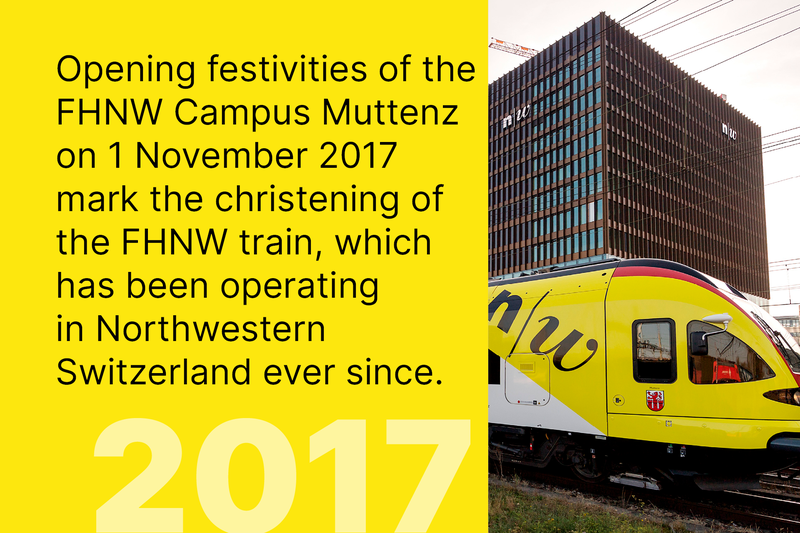
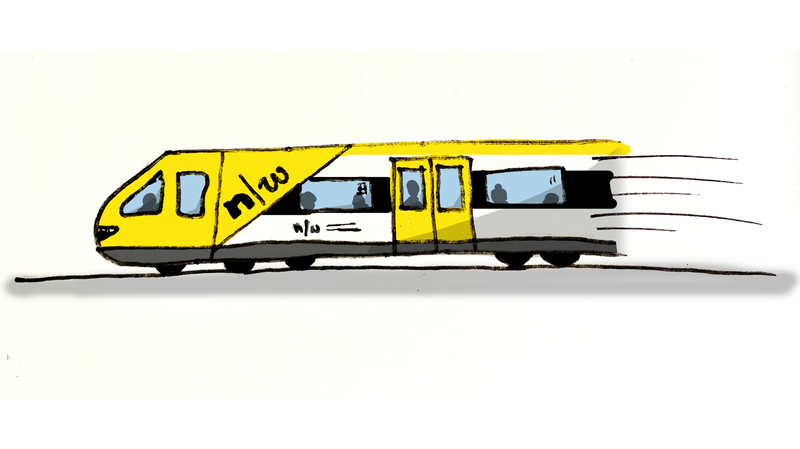
The FHNW is acclaimed and transports a wide range of people on an exciting journey. To date, the FHNW train has covered 1 521 739 kilometres, transporting 5 359 375 people.
2/7
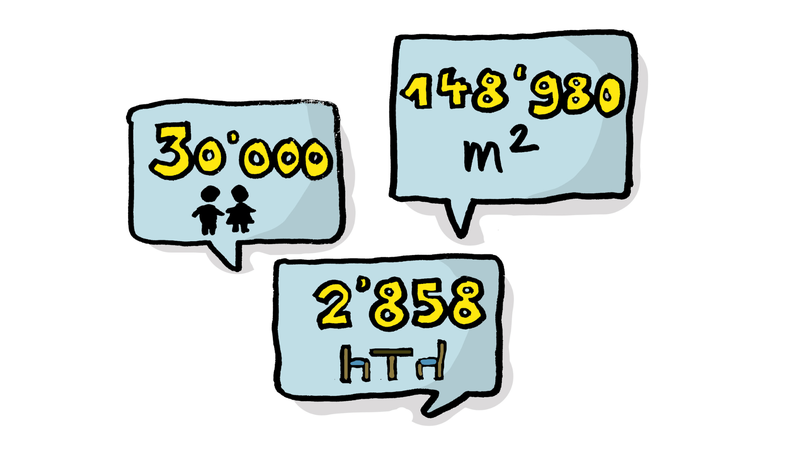
Around 30 000 people study, teach, research and work at the FHNW in 2 858 rooms covering a total area of 148 980 square metres.

7/7
The campus cat Chili is a star with its own Insta channel (661 followers) and media interest. To date, she has also enjoyed around 33 000 cuddles.
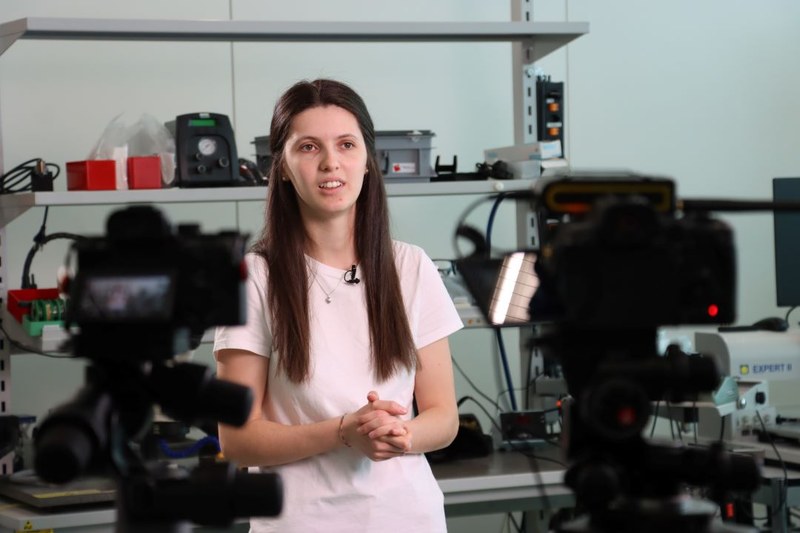
Portrait of Selina Przyjemski, Hardware Developer Research&Development, ABB, Alumna FHNW School of Engineering and Environment
«The FHNW gave me a broad technical foundation that I was able to apply directly through practical projects. At the same time, I built up a valuable network that I still like to draw on to this day. The experience gained from the projects and the various tools provided and taught by the FHNW made it much easier for me to start my current position as a R&D hardware developer at ABB.»
Selina Przyjemski, Hardware Developer Research&Development, ABB, Alumna FHNW School of Engineering and Environment

Exploration Week FHNW

The Exploration Week FHNW is an interdisciplinary project week that will be launched as a pilot initiative in 2026 to mark the 20th anniversary of FHNW. Its aim is to test innovative teaching formats, strengthen future-oriented skills, and promote collaboration across the university. The focus is on networking students and staff from all Schools in a dynamic, practice-oriented environment: interdisciplinary, collaborative, and future-oriented.FHNW would like to express its sincere thanks to all donors for their generous support, which makes the implementation of Exploration Week FHNW possible.

FHNW would like to express its sincere thanks to all donors for their generous support, which makes the realisation of the Exploration Week FHNW possible:

  • Alumni FHNW
  • Josef und Margrit Killer-Schmidli Stiftung
  • Bundesamt für Umwelt (BAFU)
  • ChallengeEU
Portrait of Christina Brändli, Head of HR Mobility Services, Swiss Post, Alumna FHNW School of Applied Psychology
«The FHNW enabled me to implement evidence-based and prac-tical solutions. Work and organisational psychology provides me with an indispensable basis for processing a wide range of topics from safety culture and risk management to leadership and transformation. What I took from my studies was systemic thinking, people-centred design and the conviction that combining people technology organisation makes healthy and effective work possible.»
Christina Brändli, Head of HR Mobility Services, Swiss Post, Alumna FHNW School of Applied Psychology

The strategic action fields of the FHNW
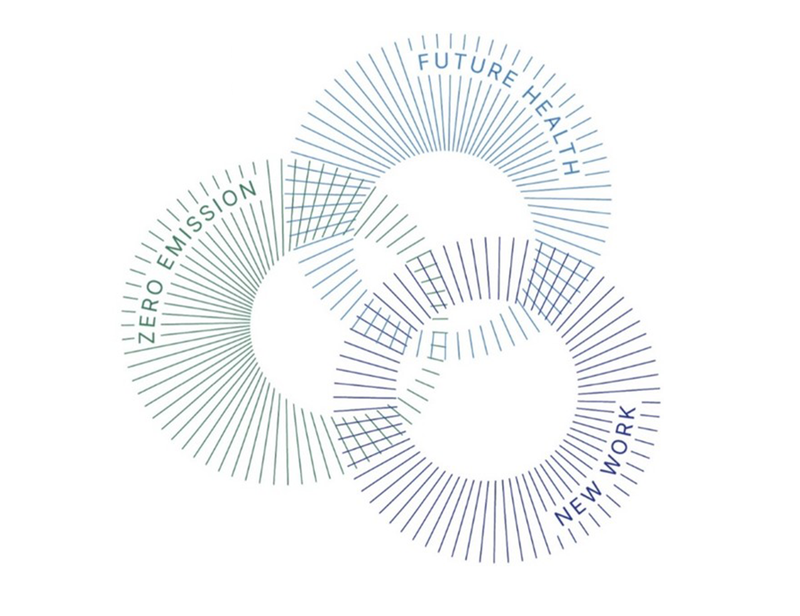
Within the topic areas of New Work, Future Health and Zero Emissions that are defined and strategically anchored in the FHNW’s Strategy 2035, people, knowledge and ideas are networked in order to find answers to the pressing questions of our time.

More Information

Would you like to know more about FHNW?

  • Strategy 2035
  • Hochschullehre 2025 (in german)
  • Portait und Organisation of the FHNW
  • European Universities Alliance ChallengeEU

Imagevideo FHNW

About FHNW

What we offer

  • Degree Programmes
  • Continuing Education
  • Research and Services

About FHNW

  • Schools
  • Organisation
  • Management
  • Facts and Figures

Information

  • Data Protection
  • Accessibility
  • Imprint

Support & Intranet

  • IT Support
  • Login Inside-FHNW

Member of: