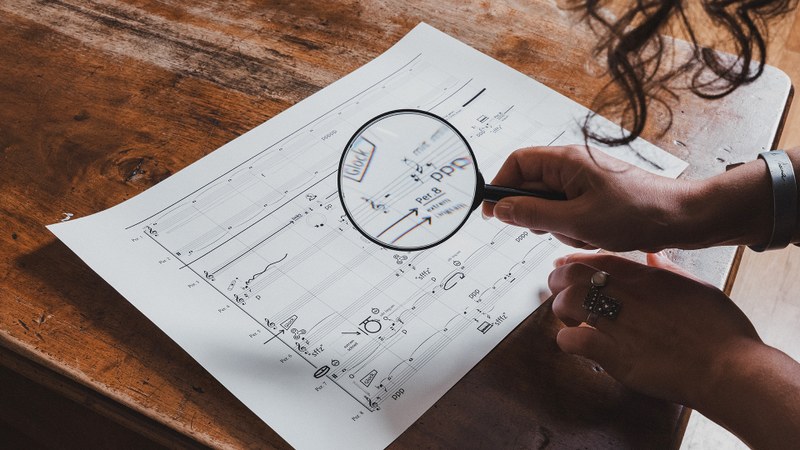
This sonic space basel matrix offer combines theory, practice, science and artistic research. The master’s degree focuses on the theory formation of the 20th and 21st centuries and its application. It expands the concept of theory on an interdisciplinary and transdisciplinary basis and combines aesthetic-scientific discourse with a practice-based and artistic approach.
Factsheet
- Degree
- Master of Arts FHNW in Spezialisierter Musikalischer Performance, Neue Musik Theorie
- Study mode
- Full-time
- Learning mode
- Onsite
- ECTS credits
- 120
- Next start
- 13.9.2027
- Duration
- 4 semesters
- Teaching language
- B1 level in German required
- Stay abroad
- Possible
- Application fee
- 200 CHF
- Semester fee
- 750 CHF (CH) | 1000 CHF (EU/EFTA) | 1250 CHF (Not-EU/Not-EFTA)
At a glance
- Aesthetic-scientific discourse, practice-based and artistic approach
- Combining theory, practice, science and artistic research
- Focus on 20th and 21st centuries
Why study this?
The specialisation in the broad history of theory of 20th/21st century and the ability to develop creative theory offers a broad range of career opportunities and qualifications in the professional fields of contemporary art. Career opportunities range from university teaching in the field of music theory as a major subject to music publishing, entry into practical and/or theoretical music research and related doctoral study. Graduates can also make a name for themselves as curators, ensemble leaders or festival organisers in the analogue and/or digital music market.
The course is aimed at applicants from the fields of performance, composition, music theory and musicology as well as career changers from related artistic disciplines who are experienced in transdisciplinary work.
Why is New Music Theory needed?
How can we analyse music in a modern way? What does make a piece a good piece?
Prof. Uli Fussenegger in conversation with Dr. Christoph Haffter (in German)
Structure and programme contents
New Music Theory focuses on the 20th and 21st centuries and offers an aesthetic-scientific discourse as well as a practice-based and artistic approach in the unique multifaceted creative environment of sonic space basel.
Focus on today
Even though the theoretical approaches, concepts and discourses of the 20th century are extensive, diverse and well-documented, music theory of the 20th and 21st centuries has only played a minor role in university teaching so far.
The specialized Master's degree in New Music Theory completes the Music Theory programme at Basel Academy of Music. This new matrix programme combines theory, practice, science and artistic research.
The Master's degree focuses on theory formation in the 20th and 21st centuries and its application. It extends the concept of theory in an inter- and transdisciplinary way and repositions the approaches, methods and knowledge of the subject. The course combines an aesthetic and scientific discourse and a practical and artistic approach. New Music Theory is a unique study programme in the international landscape of music academies, in combination with the broad field of contemporary music practice in the environment of sonic space basel.
The highly modularised curriculum gives students plenty of scope for independent activity in projects both on and off campus, allowing them to tailor their studies to their individual needs. The open format of the sonic space basel teaching modules promotes interdisciplinary approaches and collaborative work.
Modules and regulations
The BA and MA degree programmes at the Basel Academy of Music are based on modules.
The legally binding structure provides an initial guide to the content and weighting of the subjects on the degree programme.
The detailed content and modalities of the individual subjects can be found in the module descriptions.
The study regulations come into force together with the study and examination regulations of the Basel Academy of Music FHNW and form the legal framework.
Structure
Module descriptions
Study Regulations
Lecturers
Music Theory and Composition
Institut Klassik
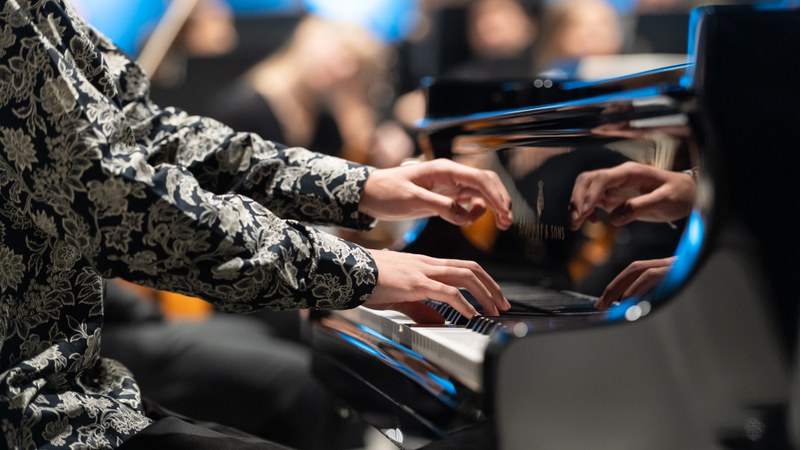
Requirements, admission, entrance exam
In order to enter the FHNW Master of Arts in Specialised Music Performance programme with a New Music Theory Major, applicants must be awarded a Bachelor (instrumental/vocal, Composition or Music Theory) or equivalent as well as they must have passed the entrance exam and were offered a free place at the Academy (limited places).
Applicants who have submitted all the necessary registration documents in time and have passed the first round of the entrance exam will be invited for the entrance exam by mail and by videoconference.
For further information on the admission criteria, please see the Study field regulations of the Master of Arts FHNW in Specialised Music Performance, New Music Theory (in German).
We expect students to have sufficient German language skills at the beginning of the studies. Students who are not German native speakers must present a B1 German language certificate according to the Common European Framework of Reference for Languages (CEFR) at the beginning of the studies. This certificate must be complete, i.e. all modules (reading, listening, writing, speaking) have been tested separately and passed at least at level B1 overall. Only certificates that have been certified with the ALTE-Q-Mark seal of approval (e.g. the B1 certificate of the Goethe-Institut or the telc certificate) are accepted. The required certificate B1 must be submitted with the confirmation of admission but not later than 31st May. Exceptions will be decided upon by the head of degree programme.
Furthermore, a very good knowledge of English is recommended.
Entrance exam
The entrance exam is individual for each study programme direction.
Dates
Procedure
Organisational matters
sonic space basel
Projects / Ensembles
Quicklinks
Files and Regulations
Music library "Vera Oeri-Bibliothek"
Advising and information events
Contact
Student Administration Academy of Music, Klassik
- Phone
- +41 61 264 57 32 (Direct)
- klassik.hsm@fhnw.ch
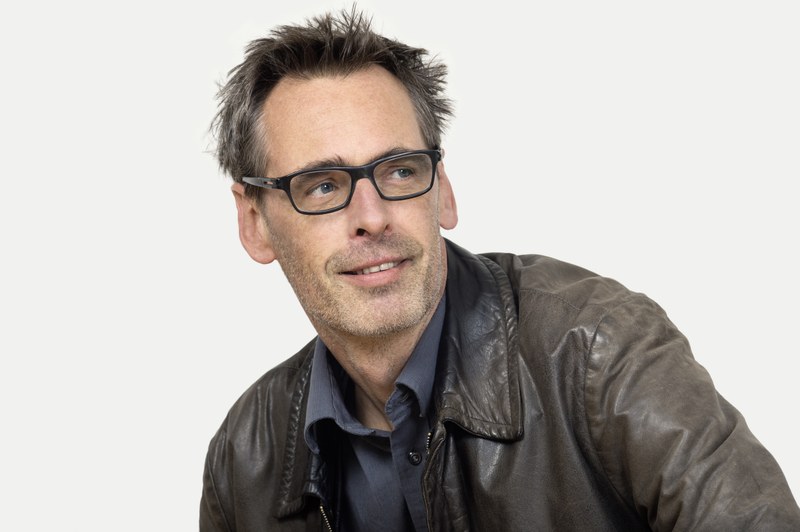
Prof. Uli Fussenegger
- Phone
- +41 61 264 56 19 (Direct)
- uli.fussenegger@fhnw.ch
Information events
Loading...
Registration
MA Specialised Performance | New Music Theory
- Date
- 13.9.2027
- Duration
- 4 semester
- Place
- Campus Musik-Akademie Basel