Forschungsseminar: Vortrag von Prof. Dr. Matthias Lütolf
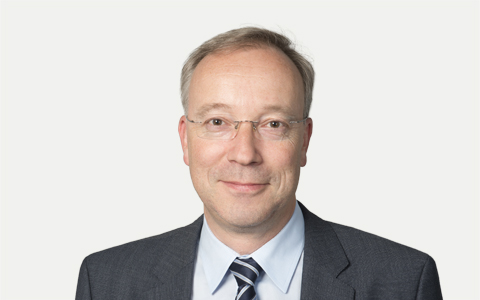
Engineering Organoids - Prof. Dr. Matthias Lütolf, epfl, Laboratory of Stem Cell Bioengineering (LSCB)
Organoids - miniaturized, three-dimensional (3D) tissues grown from stem cells - have emerged as powerful models for studying human biology. By mimicking key features of real tissues and organs, they offer an unprecedented way to investigate diseases, test drug responses, and ultimately accelerate the development of new therapies. However, most organoids today form through stochastic and only partially understood processes: groups of initially similar stem cells self-organize in a 3D hydrogel matrix or in suspension and gradually take on tissue-like structures.
Because this self-organization happens without the precise patterning cues that guide normal organ formation in the embryo - such as defined chemical gradients or mechanical boundaries - the resulting organoids often vary widely in their shape, size, and function. These inconsistencies, together with fundamental differences between organoids and the organs they aim to model, limit their ability to reliably predict human biology in research and drug development.
In this talk, Prof. Dr. Lütolf will discuss the efforts to engineer the next generation of organoids by deliberately shaping the microenvironments around stem cells. By introducing controlled physical, chemical, and mechanical cues, they aim to guide self-organization more predictably and reproducibly. He will highlight how these engineered systems bring organoids closer to the structure and behavior of native tissues, enabling more physiologically relevant and reliable disease models - particularly for studying solid tumors and assessing potential therapeutic interventions.
Datum und Zeit
14.1.2026, 12:30–13:15 Uhr iCal
Ort
Hörsaal 02.S.21
FHNW Campus Muttenz, Hofackerstrasse 30, 4132 MuttenzVeranstaltet durch
Hochschule für Life Sciences
Kosten
Eintritt frei
Um die Forschungsseminare für alle angenehm zu gestalten, bitten wir Sie herzlich Folgendes zu beachten:
- Sollten Sie verspätet eintreffen, treten Sie bitte leise in den Raum, schliessen die Tür vorsichtig und nehmen leise Platz.
- Es ist in Ordnung, diskret eine Kleinigkeit zu essen, bitte jedoch ohne Lärm zu verursachen oder andere Teilnehmende abzulenken.
- Schenken Sie dem Gastredner, der Gastrednerin Ihre Aufmerksamkeit und vermeiden Sie Tätigkeiten am Laptop.
Vielen Dank für Ihr Mitwirken.