Skip to main contentSkip to search barSkip to navigationSkip to footer
Logo of the University of Applied Sciences and Arts Northwestern Switzerland
  • EN
  • Home
  • Degree programmes
  • Continuing education

Ten Schools One Goal

The FHNW comprises 10 schools with different specializations. Select a school to see its specific courses, study programmes and information.

Applied Psychology

Architecture, Construction and Geomatics

Art and Design

Music

Computer Science

Life Sciences

School of Education

Social Work

Engineering and Environment

Business

  • Research

    • Research fields
    • Projects
  • Updates and insights

    • News and stories
  • Events

  • Media corner

  • About the School of Engineering and Environment

    • People directory
    • Management Board
  • Institutes

    • Institute of Automation
    • Institute of Bioenergy and Resource Efficiency
    • Institute of Business Engineering
    • Institute of Electric Power Systems
    • Institute of Humanities and Social Sciences
    • Institute of Polymer Engineering
    • Institute of Mathematics and Natural Sciences
    • Institute of Polymer Nanotechnology
    • Institute of Optometry
    • Institute of Product and Production Engineering
    • Institute for Sensors and Electronics
    • Institute of Thermal and Fluid Engineering
    • Laboratories of the School of Engineering and Environment
Logo of the University of Applied Sciences and Arts Northwestern Switzerland
  • About the School
    • FHNW School of Engineering and Environment
    • Degree Programmes
    • Continuing Education
    • Collaboration in Research and Services
  • Social Media
    • LinkedIn
    • Instagram
    • Facebook
    • TikTok
    • YouTube
  • About FHNW
    • Organisation
    • Schools
    • Locations
    • FHNW Library
    • Media Relations
  • Support
    • IT Support
    • Inside FHNW
    • Webmail
  • Data Protection
  • Imprint
  • Accessibility
  • Research

    • Research fields
    • Projects
  • Updates and insights

    • News and stories
  • Events

  • Media corner

  • About the School of Engineering and Environment

    • People directory
    • Management Board
  • Institutes

    • Institute of Automation
    • Institute of Bioenergy and Resource Efficiency
    • Institute of Business Engineering
    • Institute of Electric Power Systems
    • Institute of Humanities and Social Sciences
    • Institute of Polymer Engineering
    • Institute of Mathematics and Natural Sciences
    • Institute of Polymer Nanotechnology
    • Institute of Optometry
    • Institute of Product and Production Engineering
    • Institute for Sensors and Electronics
    • Institute of Thermal and Fluid Engineering
    • Laboratories of the School of Engineering and Environment

Type a search term and search continuing education,degree programmes, events, documents and other content.

BSc Engineering and Management, FHNW School of Engineering and Environment

School of Engineering and Environment


  • Engineering and Environment
  • Degree programmes
  • Study offerings
  • All degree programmes
  • engineering-and-management
engineering-and-management
topbild-wirtschaftsingenieurwesen-ht-fhnw.jpg

Industrial engineers combine technical know-how with business management thinking. They design and improve business processes and speak the language of management.

Factsheet

Degree
Bachelor of Science FHNW in Engineering and Management
ECTS points
180

Versatile career prospects

The economy is increasingly looking for employees with an eye for the big picture. Accordingly, you have excellent career prospects with a Bachelor of Science FHNW in Engineering and Management. As an industrial engineer, you are versatile and not restricted to individual sectors.

Practice-oriented undergraduate programme

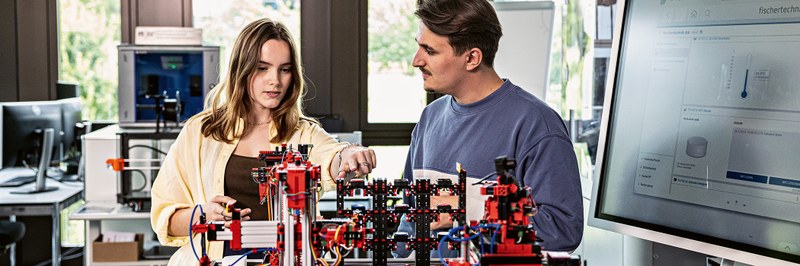
During your studies, you will work in small project teams on exciting tasks set by our business partners. The real project work brings you into contact with companies at an early stage and you develop practical solutions for them. In addition to specialist skills, your methodological and social skills, such as teamwork, communication and initiative, will also be developed. The project work is instructive, motivating and fun.

Student projects

As part of the project modules, you will work in teams on tasks set by our industrial partners. Practical project work will bring you into contact with companies and commerce at an early stage and give you the opportunity to work on practical solutions. In addition to specialist skills, your social and self-competence skills such as teamwork, communication and using your own initiative will be enhanced.
Loading

Specialisations

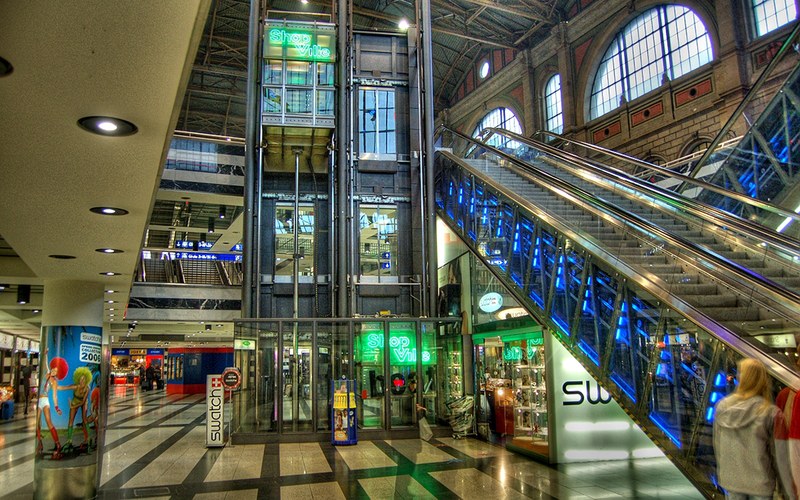
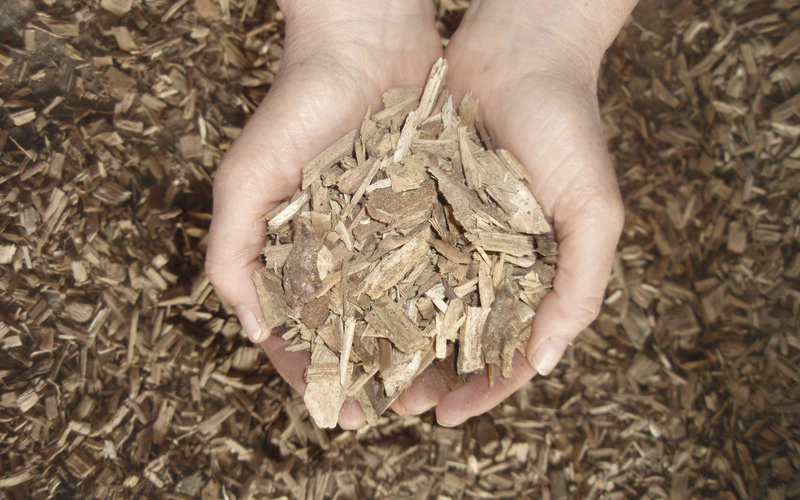
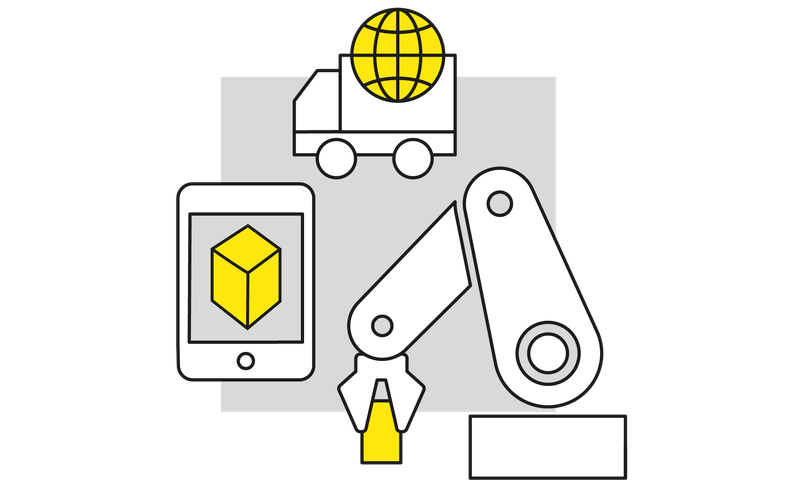
In the third year, you can choose one of three specialisations in order to specifically tailor your degree programme to a particular professional field.
Loading
"The course is very broadly based. In addition to modules in project management, technology, business administration and natural sciences, we also learned a lot about logistics, IT, marketing and systems thinking. We also attended individual interdisciplinary modules in the humanities and social sciences. The highlight of interdisciplinarity for me was working in the “Project Oriented Learning Environment”. In the course of the POLE project, we learned to discuss ideas, concepts and methods with students from different fields of study and countries and to develop a joint solution."
Rebecca Loh, student in Engineering and Management at FHNW

Degree

Course content

The programmes in natural and engineering sciences on the one hand, and economic and social studies on the other, are equally weighted. The practical projects carried out with our  business partners  are very informative and will give you practical experience that our graduates and business partners consider to be a huge advantage.

As industrial engineers often work internationally, we recommend doing a semester abroad.

Convergence semester

Convergence modules make sure that everyone starts the degree programme with the same level of knowledge.

As the degree programme covers both technology and economics, it is possible for people with different educational backgrounds to be admitted to the course. Convergence modules are offered in the first semester so that people with varying levels and types of previous knowledge all start the degree on the same page. These modules involve introducing the students to those specialist areas that are new to them.

  • Students with a commercial educational background take convergence modules in technical mathematics, physics and chemistry.
  • Students with a technical educational background take the accounting, business economics and law convergence modules.

This optimally prepares all of the students for the advanced specialist modules.

Structure and modules

The degree comprises the following four training domains: student projects, specialist training, professional-context modules (incl. language training and courses in humanities/social sciences) and free modules.

You can choose modules to create a personalised study programme and thereby focus on the subjects that you find most interesting. A detailed description of the modules that can be taken as part of the Engineering and Management degree programme can be found in the module table (German).

Studying part-time

The degree can be completed on a full-time or on a part-time basis while working. Part-timers may or may not be in gainful employment.

Planning to study Data Science at FHNW?

Loading

School of
Engineering and Environment FHNW University of Applied Sciences and Arts Northwestern Switzerland

  • About the School
    • FHNW School of Engineering and Environment
    • Degree Programmes
    • Continuing Education
    • Collaboration in Research and Services
  • Social Media
    • LinkedIn
    • Instagram
    • Facebook
    • TikTok
    • YouTube
  • About FHNW
    • Organisation
    • Schools
    • Locations
    • FHNW Library
    • Media Relations
  • Support
    • IT Support
    • Inside FHNW
    • Webmail
Logo FHNW - 20 Years
Logo Swiss Universities
Logo European University Association
© University of Applied Sciences and Arts Northwestern Switzerland (FHNW)
  • Data Protection
  • Imprint
  • Accessibility
  • EN