FATCAT – Swiss Measurement System for Precise, Autonomous Carbon Analysis in Aerosols
Swiss precision for real-time measurements of carbonaceous aerosols
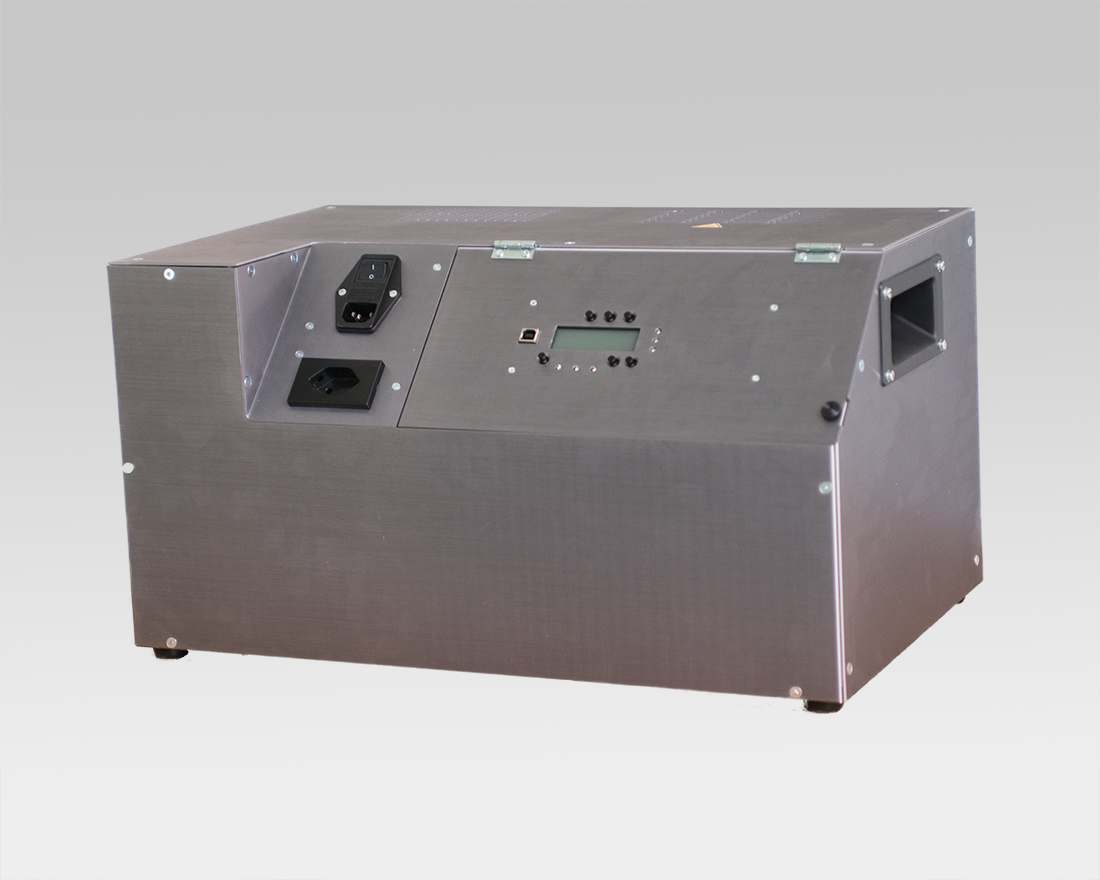
The Fast Thermal Carbon Totalizator (FATCAT) is a Swiss innovation designed for fast, traceable, and autonomous determination of total carbon (TC) in aerosols. Developed at the Institute of Sensors and Electronics at the University of Applied Sciences and Arts Northwestern Switzerland (FHNW), FATCAT combines cutting-edge sensor technology, robust engineering, and metrological precision in a compact system – from high-altitude air quality monitoring to industrial process applications.

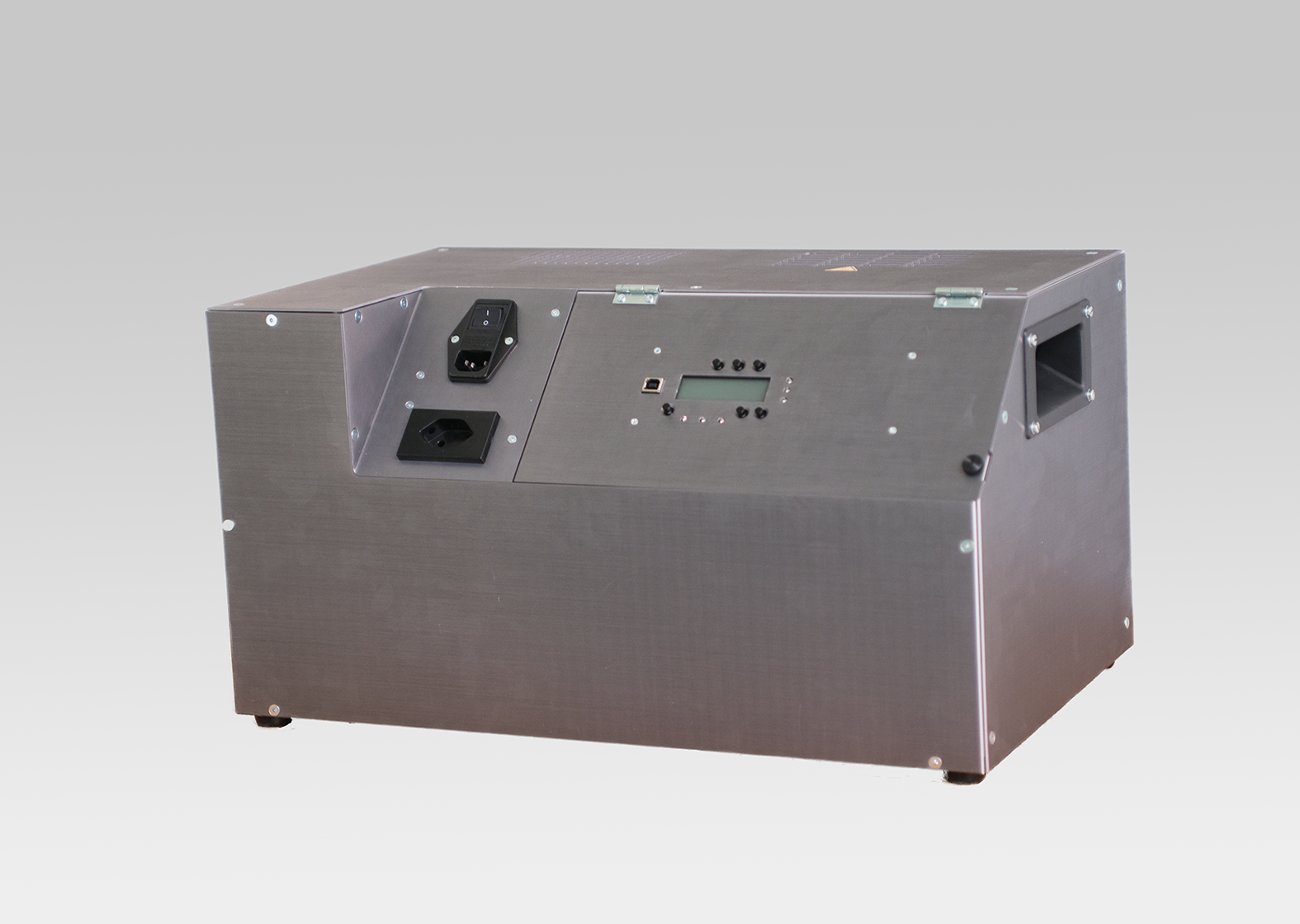
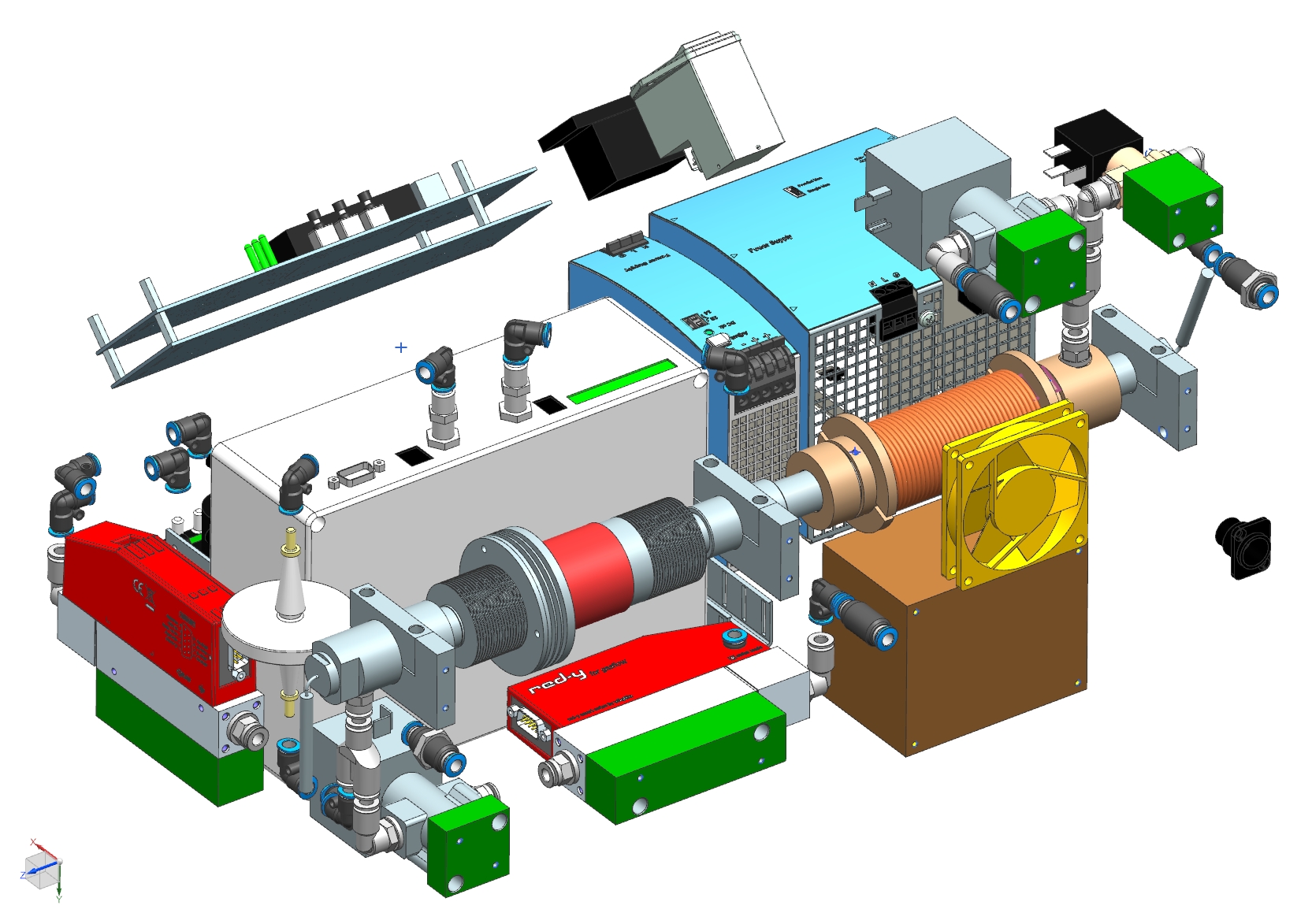
In his short presentation at the GAW–GCOS Symposium 2021, Dr. Alejandro Keller introduces the FATCAT – a Swiss-developed measurement instrument successfully tested in long-term autonomous operation at the high-alpine Jungfraujoch station (3,580 m a.s.l.).
FATCAT combines flash heating with precise CO₂ quantification using NDIR detection to measure carbonaceous aerosols in real time. Thanks to its high sensitivity, short analysis cycles, and traceable calibration, FATCAT is ideally suited for atmospheric research, emission monitoring, and industrial process control – wherever accurate and timely carbon measurements are essential.
- Autonomous & reliable – Long-term operation without user intervention; low-maintenance filter technology
- Traceable precision – Calibration based on NIST CO₂ standards
- Fast thermal analysis – 60-second analysis cycles with thermogram output
- Wide dynamic range – From ambient air to high aerosol concentrations
- Industry-ready – Robust design for real-time emission and process monitoring

- Atmospheric monitoring – Proven at global GAW measurement sites
- Emission surveillance – Direct TC quantification in exhaust and process gas streams
- Industrial process control – Monitoring of carbon-based nanoparticle production
- Source apportionment – Differentiation between fossil and biogenic aerosol sources
- Metrology & calibration – Development and validation of traceable TC standards
FATCAT was validated under extreme alpine conditions at the Global Atmosphere Watch (GAW) Jungfraujoch Station (3,580 m a.s.l.), demonstrating months of fully autonomous operation with minimal maintenance. Its robustness makes FATCAT equally suitable for deployment in industrial plants, field campaigns, or remotely operated environmental stations.
- Time resolution: 0.5–2 h for ambient concentrations; from 1 min at high concentrations
- Detection limit: 0.3 µg/m³ TC (1 h average)
- Analysis cycle: 60 s (continuous rapid oxidation)
- Detection method: NDIR CO₂ measurement (non-dispersive infrared)
- Sampling: Sintered, maintenance-free metal filter
We are seeking research and industry partners in the following fields:
Atmospheric and environmental measurements
Emission monitoring
Process and nanoparticle surveillance
Instrument calibration
Commercialization and further development
- Keller, A. et al. (2023). “A Novel Measurement System for Unattended, in Situ Characterization of Carbonaceous Aerosols.” Aerosol Research, 1(1), 65–79. DOI: 10.5194/ar-1-65-2023
- Keller, A., Burtscher, H., Weingartner, E. “Swiss Made Measurement Techniques for Carbonaceous Aerosols.” CHIMIA (in print).
- Corbin, J. C. et al. (2024). “Characterization of Two Aerosol Carbon Analyzers Based on Temperature Programmed Oxidation: TCA08 and FATCAT.” Aerosol Science and Technology, 58(7), 812–829. DOI: 10.1080/02786826.2024.2351991