
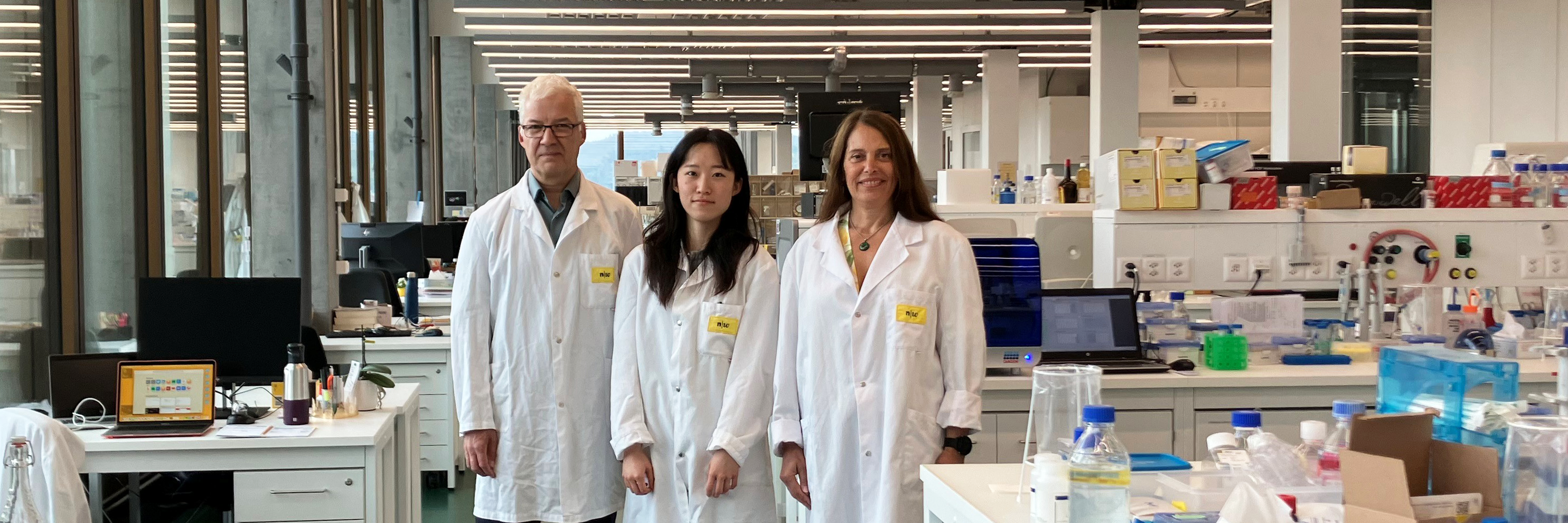
New partnership with Yonsei University College of Medicine
An interview with Prof. Dr. Sebastian Wendeborn, Head of the Institute of Chemistry and Bioanalytics
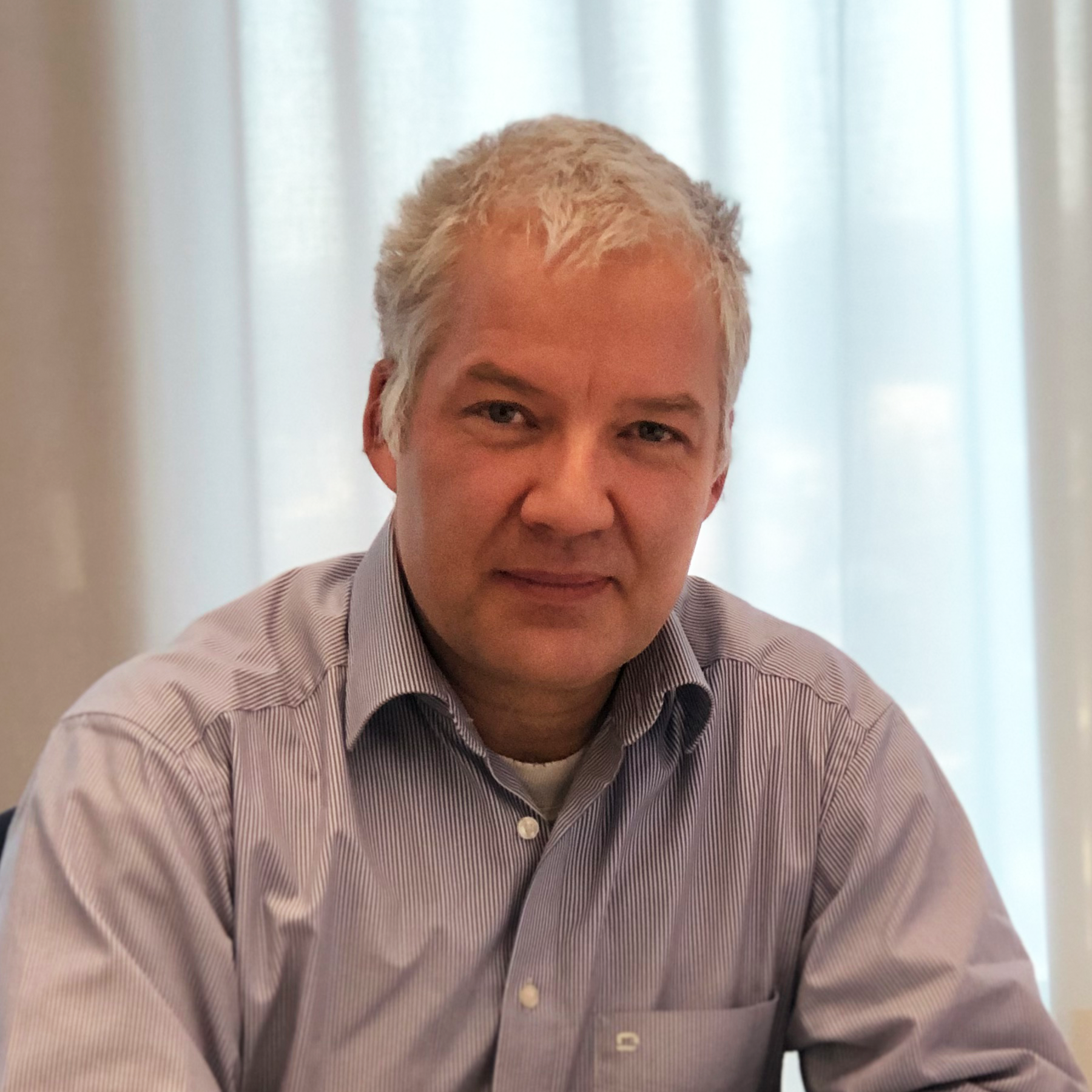
„I benefitted greatly from an international education and would like to offer the same chance to our students. It is an important aspect of understanding the world and putting one's own actions into perspective. Students should definitely take advantage of this opportunity during their studies.“
How did the idea for cooperation with Yonsei University College of Medicine (YUCM) come about?
Collaborations with international universities – whether student exchanges or cooperation in science and education – are essential for a modern university. South Korea is a cultural, scientific and economic hotspot, especially in electronics and life sciences, and YUCM in Seoul is one of the world's best medical universities. I was able to contribute to the collaboration between Basel and Seoul in various areas through two trips there. This generated contacts with several universities, and a very good personal and professional chemistry with YUCM developed, which has now led to this cooperation.
What steps were necessary to launch the cooperation officially?
Patience, lots of emails, information exchange, support from professors at the FHNW School of Life Sciences (HLS) and the Institute of Chemistry and Bioanalytics – and of course the HLS International Office.
Were there any particular challenges or surprises?
The distance and time difference were a challenge, as was building trust with so many people. But that was also part of the fun.
How has the exchange with colleagues in South Korea been so far – mainly virtual or already face-to-face?
The people I met there were very open, competent and enthusiastic. In addition to many video conferences, there has already been a small scientific symposium, which brought together around 30 scientists from both sides. This has resulted in concrete project collaborations.
What has been the focus of your meetings?
The unbureaucratic approach is very refreshing. First, we exchanged ideas about our research areas, then we considered together how researchers could be ‘matched’ with each other. After that, we moved on to specific scientific projects.
Who from the HLS is currently involved in the cooperation?
A master's student from YUCM is currently visiting Prof. Dr. Laura Suter-Dick's working group for a three-month research stay. Prof. Dr. Patrick Shahgaldian and Prof. Dr. Abdullah Kahraman are also involved in the collaboration. With them, I have started a collaboration with Dr. Joo Young Kim at YUCM, which is dedicated to nanobody engineering. We contribute our expertise in peptide chemistry, protein modelling, supramolecular chemistry and bioanalytics – complementing the molecular biology and clinical research of our colleagues in Seoul. I am confident that this and other collaborations will deepen in the coming years and open up exciting opportunities for our students.
Are there any departments or projects that are particularly well suited for collaboration?
The exploratory clinical research at Yonsei University College of Medicine fits very well with our expertise in chemistry, molecular modelling, bioanalytics, in vitro toxicology and protein sciences. There are certainly further opportunities in medical informatics and medical technology.
What is your experience of the first incoming student from South Korea?
It's fantastic that we already have a guest with us. She has settled in very well and everyone is delighted to have her here. Keum Young Lim is working in Prof. Laura Suter-Dick's research group and her experience is best described in her own words:
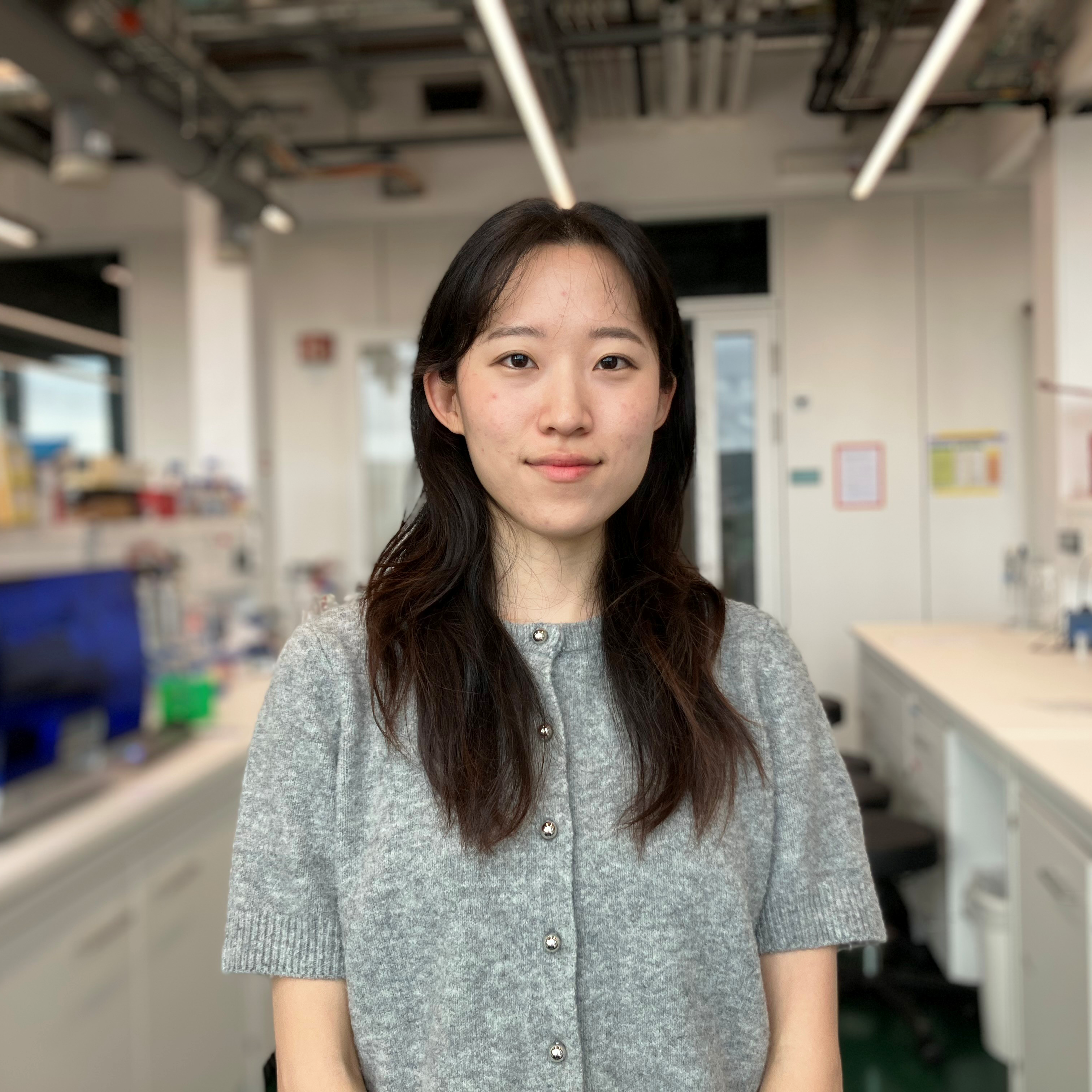
„At the FHNW School of Life Sciences, I am gaining invaluable experience in conducting research and experiments as part of an international team. This inspiring journey has broadened my horizons as a Master's student – made possible by the guidance of Prof. Dr. Laura Suter-Dick, Prof. Dr. Sebastian Wendeborn, Prof. Dr. Young-Min Hyun and the support of my colleagues.“
Is there already interest on our side for outgoing students?
Yes, there has already been positive feedback and interest from the students.
What is the next step for the partnership?
There are many possibilities. It is important to build the collaboration step by step and make it sustainable. I hope that we will soon meet all our partners in person and that some of our students will venture on a scientific adventure in Asia.