Zu Hauptinhalt springenZur Suche springenZu Hauptnavigation springenZu Footer springen
Logo der Fachhochschule Nordwestschweiz
  • DE
  • EN
  • Startseite

Zehn Hochschulen Ein Ziel

Die FHNW umfasst 10 Hochschulen mit unterschiedlichen Schwerpunkten. Wählen Sie eine Hochschule aus, um deren spezifische Kurse, Studiengänge und Informationen zu sehen.

Angewandte Psychologie

Architektur, Bau und Geomatik

Gestaltung und Kunst

Informatik

Life Sciences

Musik

Pädagogische Hochschule

Soziale Arbeit

Technik und Umwelt

Wirtschaft

  • Studienangebot

    • Alle Studiengänge
    • Bachelor in Life Sciences
    • Master in Life Sciences
    • Master in Medical Informatics
    • Joint Degree Master in Biomedical Engineering
    • Info-Anlässe
  • Rund ums Studium

    • Vorbereitung aufs BSc-Studium
    • Unterstützungsangebote während des Studiums
    • Erfahrungsberichte
    • Studiengeld und Stipendien
    • Digital Life Sciences
  • International studieren

    • Outgoing Studierende
    • Incoming Studierende
    • Double Degree
    • Partnerschulen
    • Erlebnisberichte
    • Buddy-Programm
    • News und Storys
  • Weiterbildungsangebot

    • Alle Weiterbildungen
    • MAS - Master of Advanced Studies
    • DAS - Diploma of Advanced Studies
    • CAS - Certificate of Advanced Studies
    • Module und Seminare
    • Info-Anlässe
  • Weiterbildungen nach Themen

    • Artificial Intelligence und Machine Learning
    • Betriebswirtschaft, Unternehmensführung, Entrepreneurship
    • Biologie und Chemie
    • Data Science und Engineering
    • Diagnostik
    • Digital Industry and Optimisation
    • Digital Transformation and Technologies
    • Energie
    • Extented Reality und Immersive Technologies
    • Führung und Teammanagement
    • Gesundheitsförderung und Prävention
    • Konsumverhalten
    • Kreislaufwirtschaft
    • Management in Healthcare
    • Maschinentechnik und Robotik
    • Organisationsentwicklung und Change Management
    • Pharma-, Medizin- und Biotechnologie
    • Prozess- und Projektmanagement
    • Sustainable Business Development, Ressourcenmanagement
    • Umweltmanagement
    • Umweltrecht
    • Umwelttechnologie und Recycling
    • Werkstoffe, Verfahrenstechnik
  • Organisatorisches

    • Beratung
    • Rechtliches und Bedingungen
  • Forschung

    • Forschungsfelder
    • Projekte
  • Zusammenarbeit

    • Process Technology Centre
    • Dienstleistungen
    • Tech Transfer Office
    • Studierendenprojekte
  • Internationales

    • International studieren
    • Internationale Forschungsprojekte
  • Neuigkeiten und Einblicke

    • News und Storys
    • Forschungshighlights
    • Medienmitteilungen
  • Veranstaltungen

    • Alle Veranstaltungen
    • Info-Anlässe
  • Medienstelle

    • Medienmitteilungen
  • Über die Hochschule für Life Sciences

    • Strategie und Werte
    • Hochschulleitung
    • Mitarbeitende
    • Fachbeirat
    • Personenverzeichnis
    • Diversity und Gleichstellung
    • Nachwuchsförderung
    • Medienstelle
    • Infrastruktur und Campus
  • Institute und Kompetenzzentren

    • Institut für Chemie und Bioanalytik
    • Institut für Ecopreneurship
    • Institut für Medizintechnik und Medizininformatik
    • Institut für Pharmatechnologie und Biotechnologie
    • Zentrum für Ausbildung und Lehre
    • Process Technology Centre
Logo der Fachhochschule Nordwestschweiz
  • Zur Hochschule
    • Hochschule
    • Studium
    • Weiterbildung
    • Forschung
    • Veranstaltungen
  • Social Media
    • Facebook
    • Instagram
    • YouTube
    • LinkedIn
  • Die FHNW
    • Organisation
    • Hochschulen
    • Standorte
    • Bibliothek FHNW
    • Jobs und Karriere
    • Medienkontakte
  • Support
    • IT-Support
    • Inside FHNW
    • Webmail
  • Datenschutz
  • Impressum
  • Accessibility
  • Studienangebot

    • Alle Studiengänge
    • Bachelor in Life Sciences
    • Master in Life Sciences
    • Master in Medical Informatics
    • Joint Degree Master in Biomedical Engineering
    • Info-Anlässe
  • Rund ums Studium

    • Vorbereitung aufs BSc-Studium
    • Unterstützungsangebote während des Studiums
    • Erfahrungsberichte
    • Studiengeld und Stipendien
    • Digital Life Sciences
  • International studieren

    • Outgoing Studierende
    • Incoming Studierende
    • Double Degree
    • Partnerschulen
    • Erlebnisberichte
    • Buddy-Programm
    • News und Storys
  • Weiterbildungsangebot

    • Alle Weiterbildungen
    • MAS - Master of Advanced Studies
    • DAS - Diploma of Advanced Studies
    • CAS - Certificate of Advanced Studies
    • Module und Seminare
    • Info-Anlässe
  • Weiterbildungen nach Themen

    • Artificial Intelligence und Machine Learning
    • Betriebswirtschaft, Unternehmensführung, Entrepreneurship
    • Biologie und Chemie
    • Data Science und Engineering
    • Diagnostik
    • Digital Industry and Optimisation
    • Digital Transformation and Technologies
    • Energie
    • Extented Reality und Immersive Technologies
    • Führung und Teammanagement
    • Gesundheitsförderung und Prävention
    • Konsumverhalten
    • Kreislaufwirtschaft
    • Management in Healthcare
    • Maschinentechnik und Robotik
    • Organisationsentwicklung und Change Management
    • Pharma-, Medizin- und Biotechnologie
    • Prozess- und Projektmanagement
    • Sustainable Business Development, Ressourcenmanagement
    • Umweltmanagement
    • Umweltrecht
    • Umwelttechnologie und Recycling
    • Werkstoffe, Verfahrenstechnik
  • Organisatorisches

    • Beratung
    • Rechtliches und Bedingungen
  • Forschung

    • Forschungsfelder
    • Projekte
  • Zusammenarbeit

    • Process Technology Centre
    • Dienstleistungen
    • Tech Transfer Office
    • Studierendenprojekte
  • Internationales

    • International studieren
    • Internationale Forschungsprojekte
  • Neuigkeiten und Einblicke

    • News und Storys
    • Forschungshighlights
    • Medienmitteilungen
  • Veranstaltungen

    • Alle Veranstaltungen
    • Info-Anlässe
  • Medienstelle

    • Medienmitteilungen
  • Über die Hochschule für Life Sciences

    • Strategie und Werte
    • Hochschulleitung
    • Mitarbeitende
    • Fachbeirat
    • Personenverzeichnis
    • Diversity und Gleichstellung
    • Nachwuchsförderung
    • Medienstelle
    • Infrastruktur und Campus
  • Institute und Kompetenzzentren

    • Institut für Chemie und Bioanalytik
    • Institut für Ecopreneurship
    • Institut für Medizintechnik und Medizininformatik
    • Institut für Pharmatechnologie und Biotechnologie
    • Zentrum für Ausbildung und Lehre
    • Process Technology Centre

Geben Sie einen Suchbegriff ein und suchen Sie nach Weiterbildungen, Studienangeboten, Veranstaltungen, Dokumenten und anderen Inhalten.

  • Life Sciences
  • Weiterbildung
  • Weiterbildungsangebot
  • Weiterbildungen
Weiterbildungen

CAS Applied Bioinformatics: Next-Generation Sequencing Data Analysis, Hochschule für Life Sciences FHNW

Hochschule für Life Sciences


Develop practical skills in next-generation sequencing data analysis through a combination of lectures by experts, interactive exercises and real-world case studies. You will gain a solid theoretical foundation and practical expertise in applied bioinformatics.
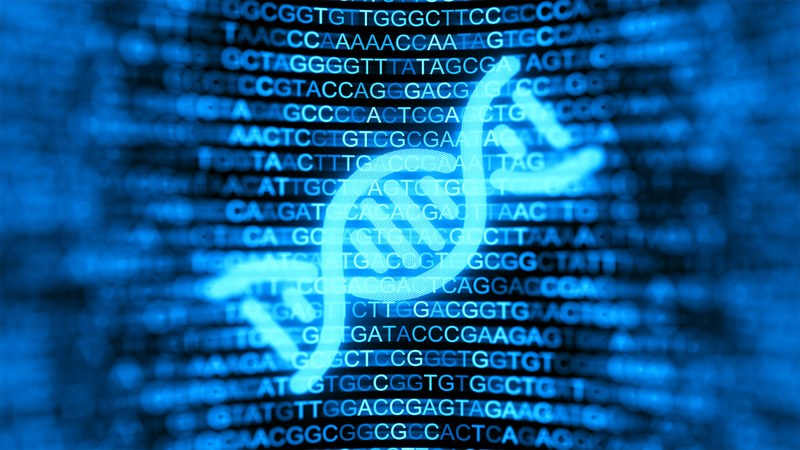
Online info event, Thursday, 11.6.2026
cas-applied-bioinformatics.jpg

Steckbrief

Abschluss
Certificate of Advanced Studies FHNW Applied Bioinformatics: Next-Generation Sequencing Data Analysis
Lernsetting
Remote und Präsenz
ECTS-Punkte
12
Nächster Start
1.4.2027
Dauer
12 days
Unterrichtssprache(n)
English
Durchführungsort(e)
Online and FHNW Campus Muttenz
Preis
CHF 6 800

Auf einen Blick

  • Develop core skills in next-generation sequencing and Nanopore using Unix, Python and Git for effective, reproducible bioinformatics workflows.
  • Gain proficiency in widely used open-source bioinformatics tools and databases, including GATK, Ensembl, ClinVar and Kraken.
  • Apply your knowledge in hands-on sessions with real-world case studies drawn from research and clinical contexts.
  • Flexible attendance options: fully online, with the option of attending the first and final sessions on-site.

Ziele und Nutzen

Upon completing the CAS-programme, you will be able to:

  • Apply foundational programming and computational skills within a bioinformatics framework
  • Perform pre-processing and primary analysis of raw sequencing data generated from next-generation and nanopore sequencing technologies
  • Interpret and visualise sequencing results with consideration of biological and clinical relevance
  • Integrate publicly available databases and annotation resources to support in-depth genomic interpretation
  • Develop reproducible and well-documented analysis pipelines using scripting tools

As part of the programme you will complete an individual project using your own dataset or one provided by your institution, encompassing the full bioinformatics workflow from raw data processing to final interpretation.


Zielpublikum

This CAS is for you if you work in life sciences, healthcare or research and want to build practical skills in bioinformatics. It is particularly relevant if you:

  • Work with or plan to work with next-generation and nanopore sequencing data
  • Are in life sciences or research, looking to analyse genomic or transcriptomic data
  • Are a clinician who wants to interpret sequencing data in a clinical or translational context
  • Work in biotech, pharma or a related industry where sequencing analysis is becoming essential

You should have a basic understanding of molecular biology, some hands-on experience with a programming language such as Python, and strong motivation to strengthen your computational skills.


Aufbau und Inhalte

This part-time modular programme has three focused modules where you will gain expert knowledge and practical skills to apply directly in your professional practice.

It starts with an introduction to fundamental programming concepts, data management and essential bioinformatics computational tools. You will then receive in-depth training on analysing raw sequencing data from Next-Generation Sequencing (NGS) and Oxford Nanopore Technologies (ONT), covering file formats, quality control, alignment, variant calling and metagenomic pipelines. The final module focuses on interpreting sequencing results in biological and clinical contexts, including gene expression profiling, variant annotation and integration with public datasets.

Module 1: Computer and Software Development

You will acquire fundamental programming skills essential for modern bioinformatics. The focus is on Python programming, version control using Git and working in Unix-based operating systems. You will also gain experience in using tools such as Jupyter for interactive coding and scripting. This module builds the solid foundation required for the bioinformatics approaches covered later in the course.

  • Essential programming skills for bioinformatics
  • Python programming
  • Version control with Git
  • Coding and scripting with Jupyter
Module 2: Bioinformatics Data Pre-Processing and Analysis

This module introduces core techniques for handling raw sequencing data, including relevant file formats, quality control, read alignment, variant calling and metagenomics analysis.

  • File formats: FASTQ, BAM, VCF
  • Genome Analysis Toolkit (GATK)
  • Quality control procedures
  • Read alignment techniques
  • Variant calling workflows
  • Metagenomics pipelines
Module 3: Bioinformatics Data Interpretation

You will learn to interpret NGS results in biological and clinical contexts, applying statistical and visualisation methods. Topics include differential gene expression, pathway analysis and variant annotation.

  • Databases: Ensembl, ClinVar, Kraken
  • Network and pathway analysis
  • Enrichment analysis
  • Assessing clinical relevance

Voraussetzungen und Zulassung

At least one of the following admission requirements must be met:

  • Tertiary educational qualification (at least Bachelor’s degree level) and relevant professional experience.
  • Federal Diploma of Higher Education (from a Swiss “Höhere Fachschule” or “eidg. HFP” or “eidg. BP”) and at least 3 years’ professional experience in a subject relevant to the programme.
  • At least 5 years’ professional experience in a subject relevant to the programme and successful completion of continuing education courses (in-company or CAS/MAS/DAS), or partially completed tertiary education (> 50%).

As the instruction and training materials are in English, proficiency in English (minimum level C1) is a prerequisite.
A personal notebook/laptop is required for the course.

Organisatorisches

Format

The programme includes:

  • 12 instruction days held on Thursdays
  • An individual project

On completing the programme, you will submit a written report and give a brief presentation summarising the methodology, tools and key findings of your project.
All lessons are online, with the option of attending the first and last day in person at FHNW Campus Muttenz.

Downloads

Programme specific

  • Factsheet CAS Applied Bioinformatics: Next-Generation Sequencing Data Analysis FHNW (PDF)
  • Programme Description CAS Applied Bioinformatics: Next-Generation Sequencing Data Analysis FHNW (PDF)

General Documents

All general documents can be found here.


Beratung und Info-Anlässe

Kontakt

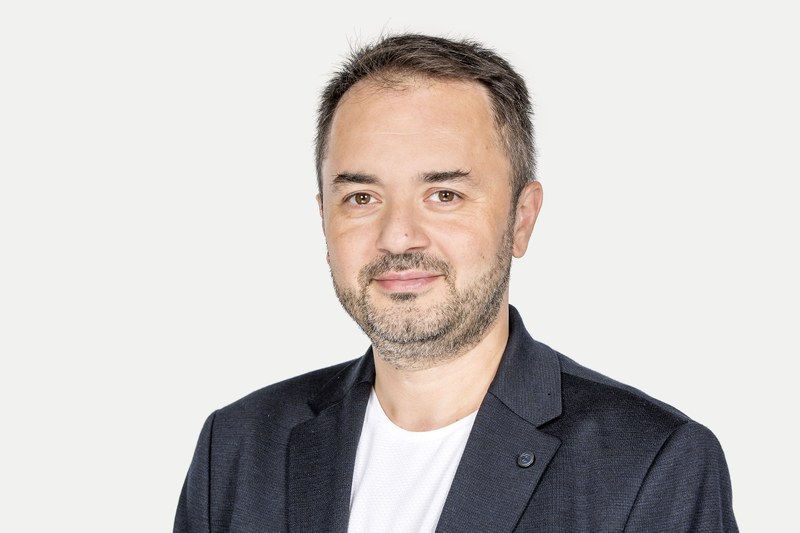
Abdullah Kahraman

Prof. Dr. Abdullah Kahraman

Arbeitsgruppenleiter Data Science in Life Sciences
Telefon
+41 61 228 62 23
E-Mail
abdullah.kahraman@fhnw.ch
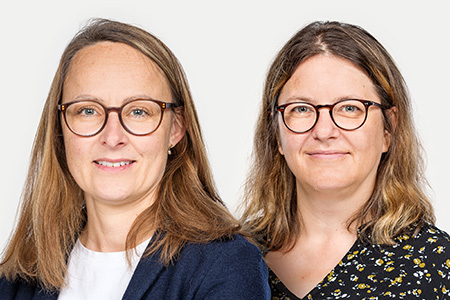
Elzbieta Lehmann und Nicole Widmann

Elzbieta Lehmann und Nicole Widmann

Telefon
+41 61 228 55 40
E-Mail
weiterbildung.lifesciences@fhnw.ch

Info-Anlässe

Loading...


Anmeldung

CAS Applied Bioinformatics: Next-Generation Sequencing Data Analysis
1. April 2027

Datum
1.4.2027
Dauer
12 days
Ort
Online (first and last session on-site)
Kursleitung
Prof. Dr. Abdullah Kahraman
Anmeldeschluss
11.2.2027
Anmelden

Hochschule für
Life Sciences Fachhochschule Nordwestschweiz FHNW

  • Zur Hochschule
    • Hochschule
    • Studium
    • Weiterbildung
    • Forschung
    • Veranstaltungen
  • Social Media
    • Facebook
    • Instagram
    • YouTube
    • LinkedIn
  • Die FHNW
    • Organisation
    • Hochschulen
    • Standorte
    • Bibliothek FHNW
    • Jobs und Karriere
    • Medienkontakte
  • Support
    • IT-Support
    • Inside FHNW
    • Webmail
Logo FHNW - 20 Jahre
Logo Swiss Universities
Logo European University Association
© FHNW Fachhochschule Nordwestschweiz
  • Datenschutz
  • Impressum
  • Accessibility
  • DE
  • EN