
Have you completed a technically oriented Bachelor’s degree and would like to deepen your expertise in Computer Science or Data Science? Then the MSE is the right choice for you!
Factsheet
- Degree
- Master of Science in Engineering MSE
- Study mode
- Part-time/work-study, Full-time
- Next start
- 22.2.2027
- Teaching language
- English B2 - C1 level recommended.
- Place
- FHNW Campus Brugg-Wndisch
- Semester fee
- CHF 750 (with residence Switzerland) For all other fees see fees.
At a glance
- Deepen your Data Science expertise: Apply statistics, machine learning, and data engineering at master’s level.
- Specialize individually: Shape a tailored study profile with the support of a personal advisor.
- Connect research & practice: Develop data-driven solutions in industry and research projects.
Why study this?
Professional Data Scientists design, develop and implement a wide range of data products and data pipelines for companies and public institutions. The Swiss labour market offers career opportunities in Data Engineering, Data Analytics and data-driven services. From data acquisition and processing to Machine Learning, Deep Learning and the development of data products – virtually every industry provides compelling challenges and opportunities to actively shape your professional future.
Structure and programme contents
Content
Data form the foundation of many products and services that shape our daily lives. With the Master of Science in Engineering (MSE) in Data Science, you acquire the key methods and tools to structure and manage data efficiently, analyse it effectively, and develop innovative, data-driven products.
The MSE programme enables you to pursue a targeted and individual specialisation in the fields of Data Science and Computer Science. Within the MSE profile in Data Science, students acquire advanced competencies in statistical data analysis, Data Engineering, Machine Learning and Deep Learning. A strong emphasis is placed on the application of these techniques to results-oriented, applied challenges in collaboration with industry and research partners.
Structure
One third of the programme consists of theoretical modules delivered at central locations for students from all Swiss Universities of Applied Sciences. The remaining two thirds form the core of the Master of Science in Engineering programme. This part of your studies is completed at one of the institutes of the FHNW School of Computer Science.
The MSE programme comprises 90 ECTS credits:
- 30 ECTS by completing the central theoretical modules
- 30 ECTS through your area of specialisation (project work and complementary courses)
- 30 ECTS upon successful completion of the Master’s thesis.
Overview MSE
Tailor your Master’s studies to your needs
The core element of the programme is the individual specialisation within a chosen profile. You develop this specialisation through theoretical and practical work at one of the institutes of the FHNW School of Computer Science, supported throughout your studies by a personal advisor.
Through selected theoretical modules as well as practice-oriented research and development projects, you acquire unique, high-level competencies. Carefully chosen theoretical modules further deepen and broaden your expertise.
How to proceed:
- You contact the profile coordinator and/or a potential advisor to explore your specialisation options.
- You apply for a place in the programme.
- The MSE Admissions Committee decides on your admission.
- Once admitted, you select theoretical modules from the available offerings together with your advisor.
- Your module selection and the content of your specialisation are defined in the Individual Study Agreement (ISA).
Complementary Courses
All students are required to complete complementary courses (EVA) amounting to 6 ECTS credits over the course of their studies.
Complementary courses provide theoretical knowledge that is not covered by the central theoretical modules due to your specialisation. The EVA are organised by the respective institute of the FHNW School of Computer Science at which you are based.
You may also attend suitable complementary courses offered by other Universities of Applied Sciences, provided this has been agreed upon with your advisor and the respective profile coordinator.
Admission Requirements and Application
The Master’s programme is designed for Bachelor’s graduates who have achieved very good academic performance during their studies (ECTS grades A or B).
The completed field of study must be related to the competence area of the chosen profile. Holders of an equivalent qualification (e.g. an HTL or University of Applied Sciences diploma) may also be admitted to the programme.
After the application deadline, the documents you submitted with your application will be reviewed, and our Admissions Committee will decide on your acceptance or rejection.
If necessary, an additional admission interview may be arranged.
The MSE programme generally follows directly after completion of a Bachelor’s degree. If you have several years of professional experience after graduation, a more detailed assessment is required.
Requirements and Organisational matters
Other MSE-Profiles
MSE Profiles at the FHNW School of Computer Science
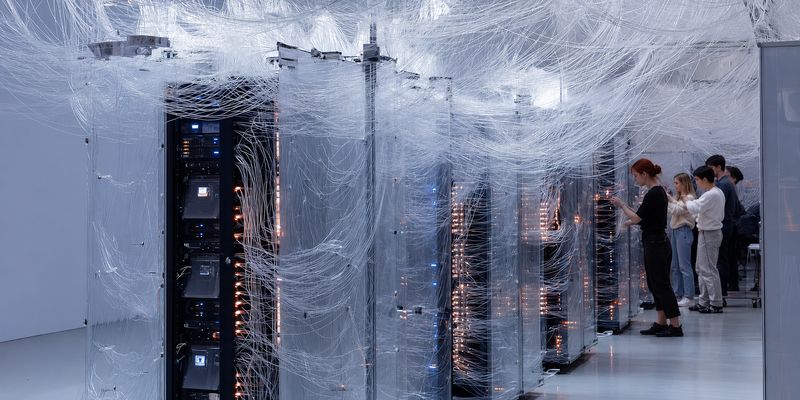
MSE - Profile Information and Cybersecurity (ICS)
- Studying mode
- Part-time/work-study, Full-time
- Teaching language
- English
- Place
- Brugg-Windisch
- Next start
- 22.2.2027

MSE - Profile Computer Science
- Studying mode
- Part-time/work-study, Full-time
- Teaching language
- English
- Place
- Brugg-Windisch
- Next start
- 22.2.2027
School of Engineering and Environment FHNW
School of Architecture, Civil Engineering and Geomatics FHNW
With the Master’s programme – the highest academic degree awarded by a University of Applied Sciences – you prepare yourself for positions of responsibility in research, industry and public administration. You are qualified to take on demanding specialist roles as well as leadership responsibilities and to manage interdisciplinary projects.
Further Information
Engineering MSE Profile Data ScienceSpring Semester 2027
- Date
- 22.2.2027
- Place
- FHNW Campus Brugg-Windisch and others
- Final application date
- 30.9.2026
- Notes
- Start your semester either in the spring or autumn semester.
Contact us
For further information about studying at the FHNW School of Computer Science, please contact us.
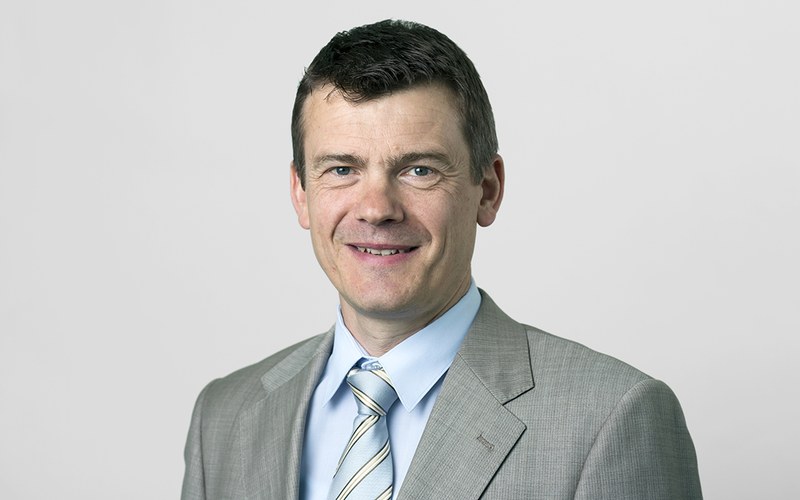
Prof. Dr. Gregor Burkhard
- Phone
- +41 56 202 74 58
- gregor.burkhard@fhnw.ch
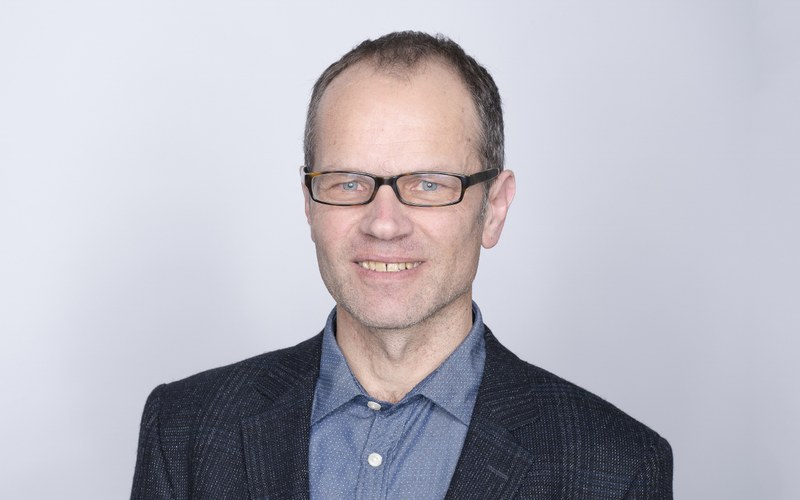
Prof. Dr. Martin Melchior
- Phone
- +41 56 202 77 07 (Direct)
- martin.melchior@fhnw.ch

Info-Events
Loading...