Between epigenomics and empanadas – Samira's bachelor's thesis in Buenos Aires
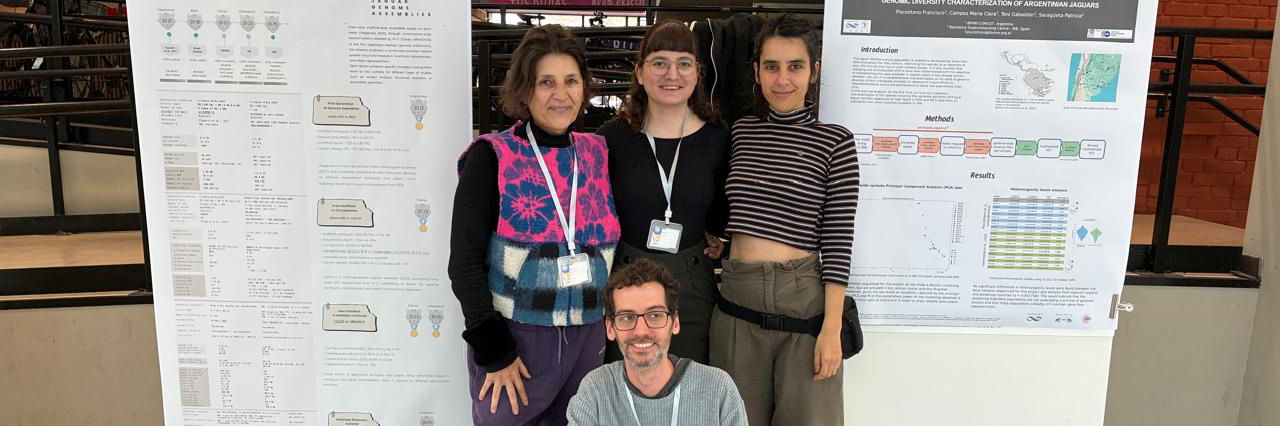
Samira Künzler, a student at the FHNW School of Life Sciences (HLS), spent almost six months in Argentina writing her BSc thesis at the Instituto de Biología y Medicina Experimental (IByME-CONICET) in Buenos Aires. The project arose from a long-standing collaboration between Prof. Laura Suter-Dick from the HLS and the research group led by Dr Patricia Saragüeta, whom Samira had already met at a meeting in Muttenz. "At the time we discussed possible projects and my previous experience – after I arrived in Buenos Aires, we worked together to narrow down the topics" says Samira.
Her work focused on the epigenomics of endometrial cancer, a form of uterine cancer in which hormones such as oestrogen and progesterone play a decisive role. She investigated the influence of progesterone using various data sets – from RNA sequencing and chromatin analysis to genome-wide association studies. "In the end, I was able to identify two regions in which progesterone binds differently in endometrial cancer, thereby altering gene regulation" explains Samira. She was also able to establish links to genetic variants associated with an increased risk of cancer. "These findings provide new insights into the role of progesterone and possible mechanisms by which genetic variants influence gene regulation."
Close supervision and positive collaboration
Samira was supervised on site by Dr Patricia Saragüeta. She describes the collaboration as very positive: weekly lab meetings – some on site, some via Zoom – provided space for scientific exchange, supplemented by many informal discussions within the team. "We supported each other in a very straightforward manner, and benefited greatly from each other's input" says Samira. Most of the work was done in English, but the lab meetings were often held half in English and half in Spanish.
"The collaboration was very productive – both professionally and personally. Research in the Global South often requires creativity and adaptation to limited resources. Samira adapted to our working conditions with great dedication and was an excellent example of the synergies between both cultures."
Between culture shock and coffee culture
In addition to research, it was a unique opportunity for Samira to get to know Argentine culture – with all its unique qualities. "The different approach to time management was a real culture shock. Everything is more relaxed, deadlines are not so strict. It took some getting used to at first but eventually I found my feet."
She definitely enjoyed the culinary side of Buenos Aires: morning coffee with a medialuna de grasa – a savoury croissant – or the ubiquitous yerba mate. "There's a saying here: you don't drink mate while you work, you work while you drink mate. That pretty much sums up how much mate is integrated into everyday life – whether in the lab or among friends."
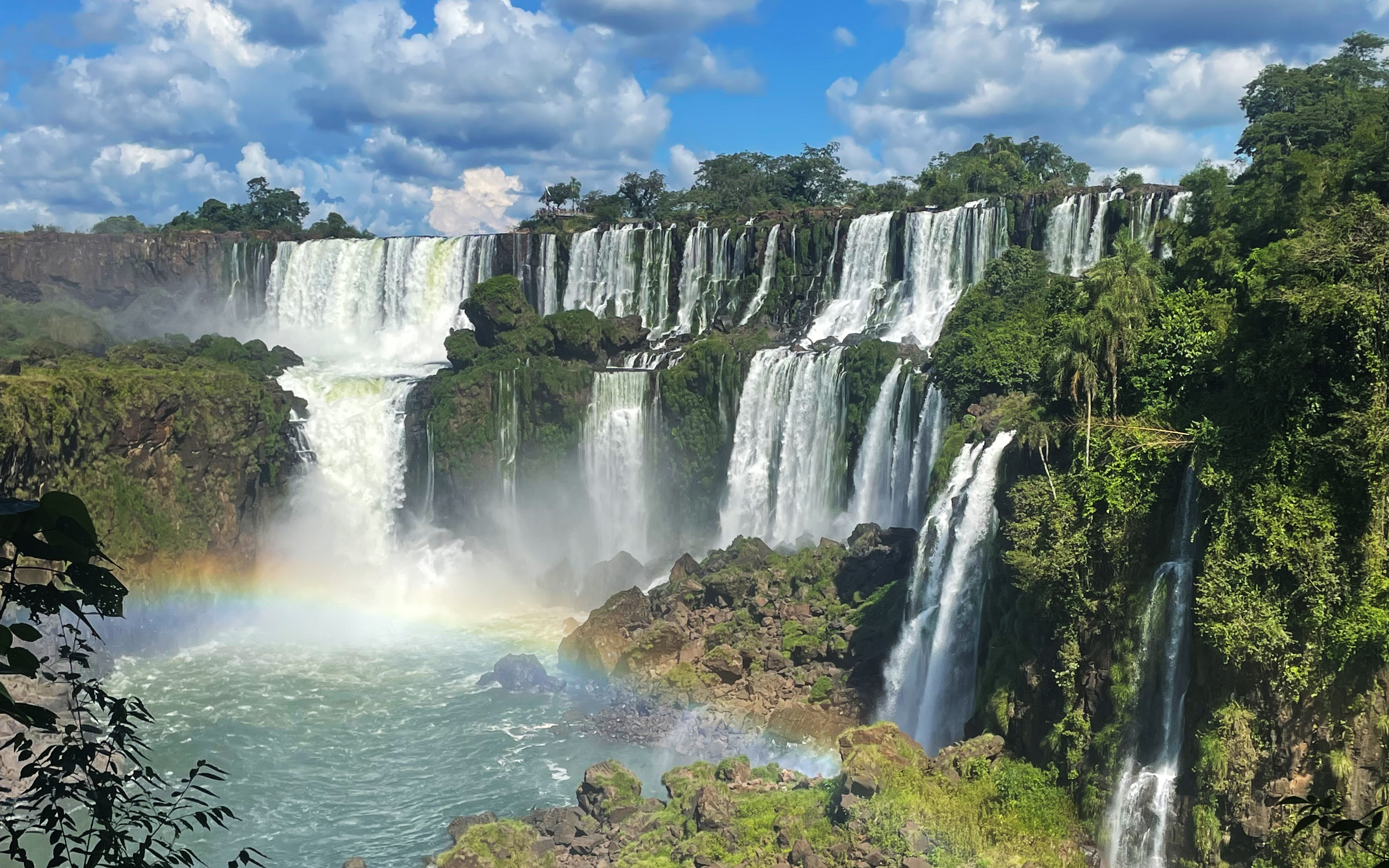
While there, her trip to the famous Iguazú Falls on the border with Brazil – a UNESCO World Heritage Site – was a true wonder and left a lasting impression on her.