For four months, Emily Atallah swapped the University of Calgary for the FHNW School of Life Sciences (HLS) in Muttenz.
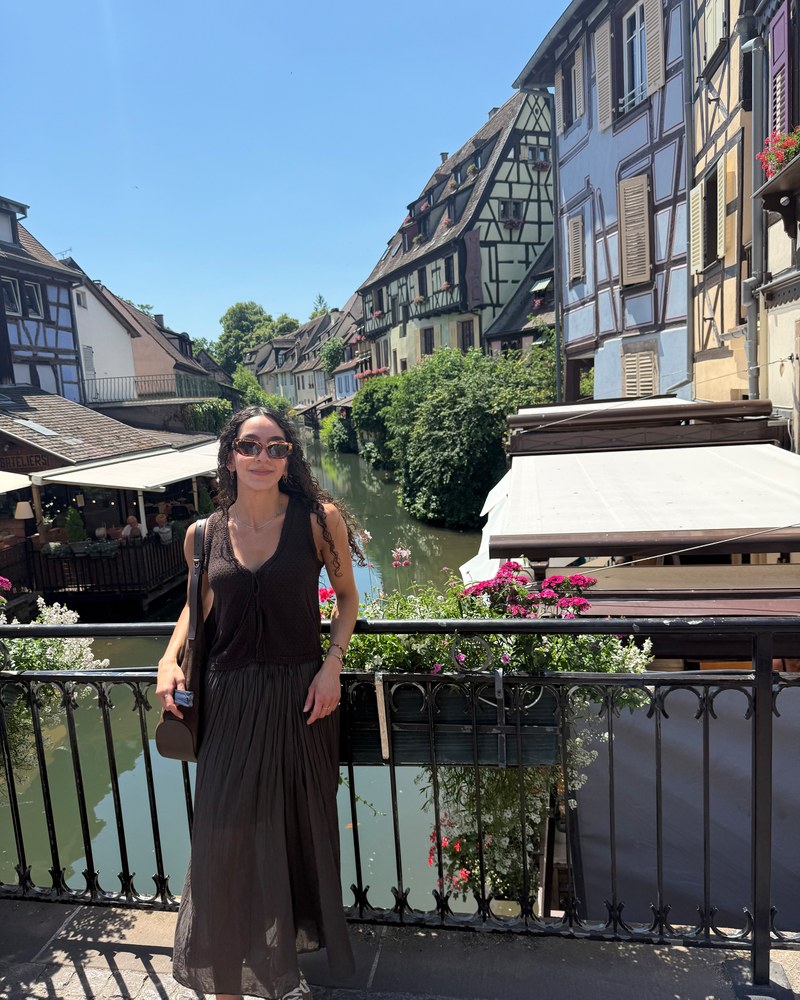
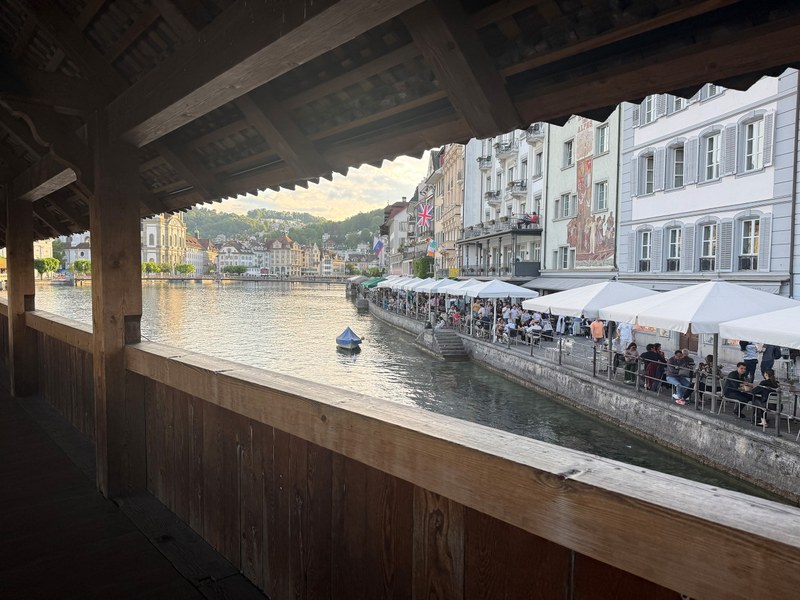
The Canadian PhD student came to Switzerland, stepping beyond her usual field of research to experience a new scientific environment and challenge herself in more ways than one. What she found was an interdisciplinary research culture, an international community and a city where crossing borders is part of an ordinary weekend.
Putting familiar skills to a new test
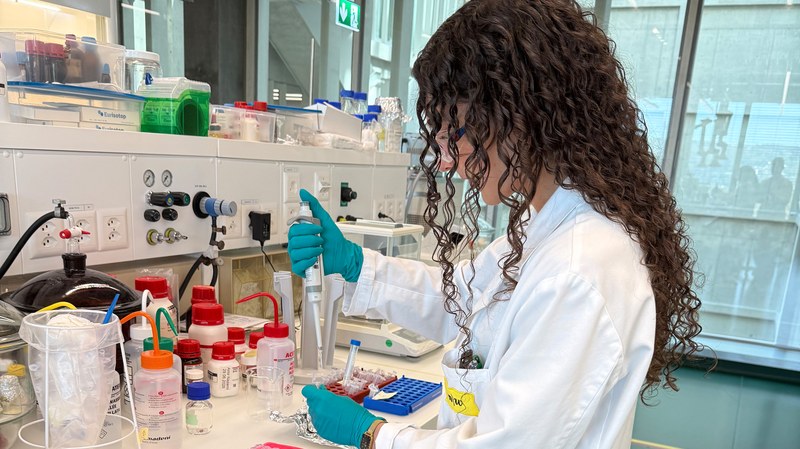
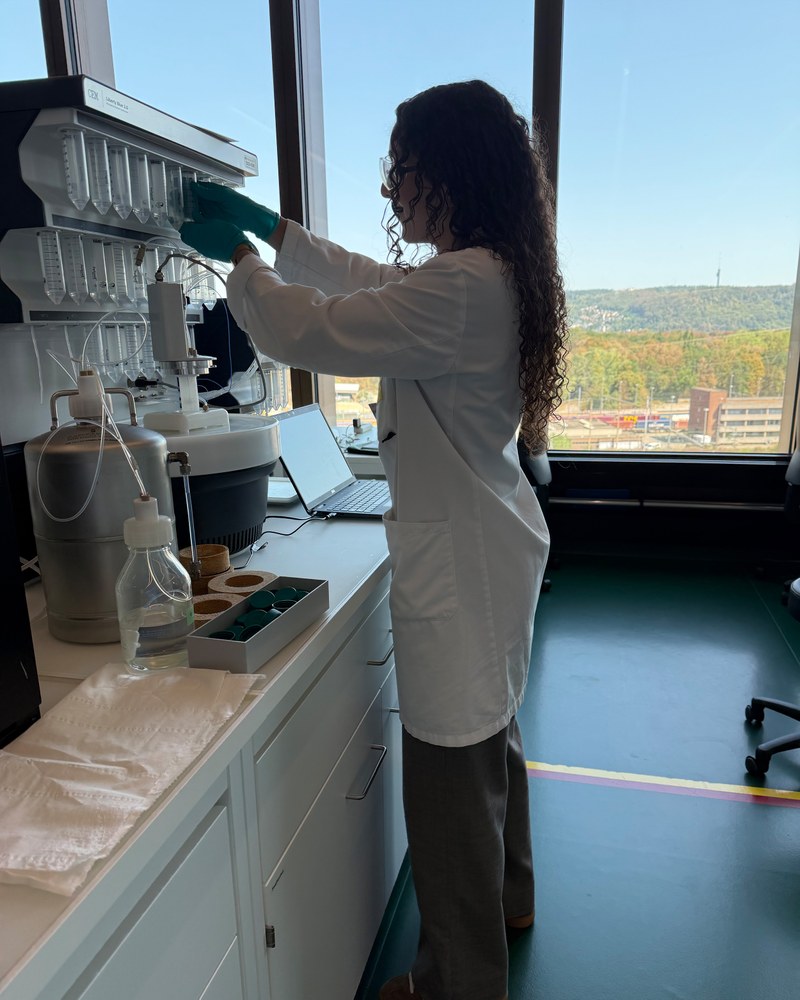
Moving abroad for research was not simply changing location for Emily. It was an opportunity to move outside familiar scientific territory. At the University of Calgary, Emily’s PhD research is on developing molecules that can selectively capture lithium from salt water. At the HLS, she moved into a more biologically oriented area of chemistry, exploring how specially designed protein structures can interact with metals and be used to create new molecular systems. For Emily, that shift was precisely the point.“I wanted to challenge myself to adapt to a different research field and environment.”Working in a new scientific context allowed her to build on her existing expertise while becoming more adaptable and independent as a researcher. As she puts it, the experience has helped her grow into “a more well-rounded scientist”.
Where disciplines meet
The HLS particularly appealed to Emily because of its focus on interdisciplinary applied research. And once she arrived in Muttenz, that interdisciplinary approach became part of everyday laboratory life. Open lab spaces shared by different research groups make cross-discipline encounters part of the working day.
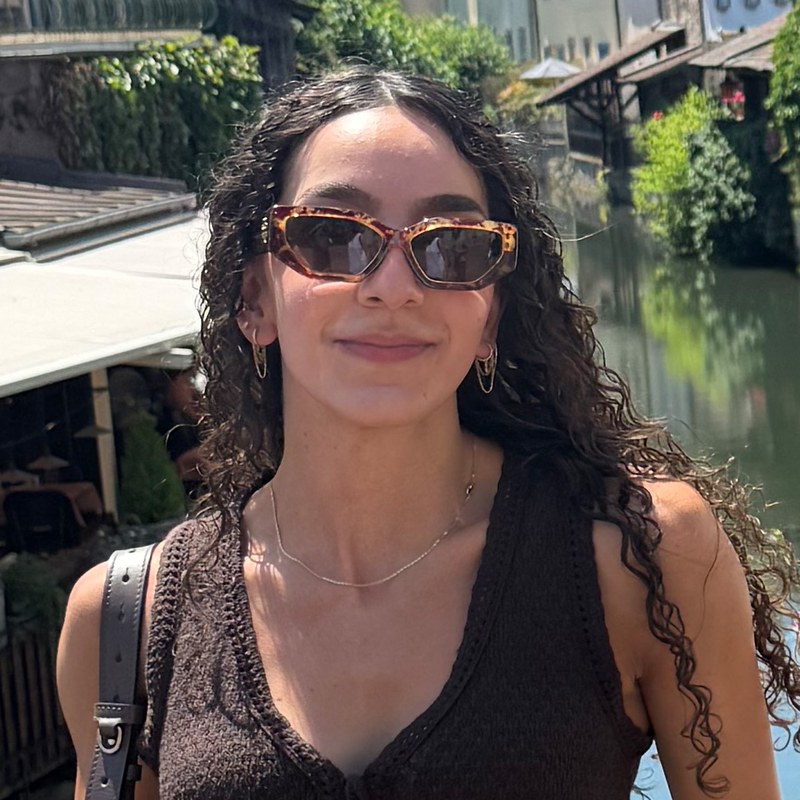
For Emily, this collaborative atmosphere meant being exposed to ideas and research beyond her own project. Connections were made not only at the lab bench, but also over lunch and coffee with colleagues from different groups.
Research with the right tools at hand
Another aspect that stood out was the research infrastructure. Emily was impressed by the range of instruments and techniques available at the HLS. These allowed her to characterise and investigate systems in different ways and adapt her experiments as her project developed. For an international researcher entering a new field, having both expertise and technology close at hand made a real difference. It gave Emily the freedom to explore a new scientific area without leaving her existing skills behind.
A small city with an international feel
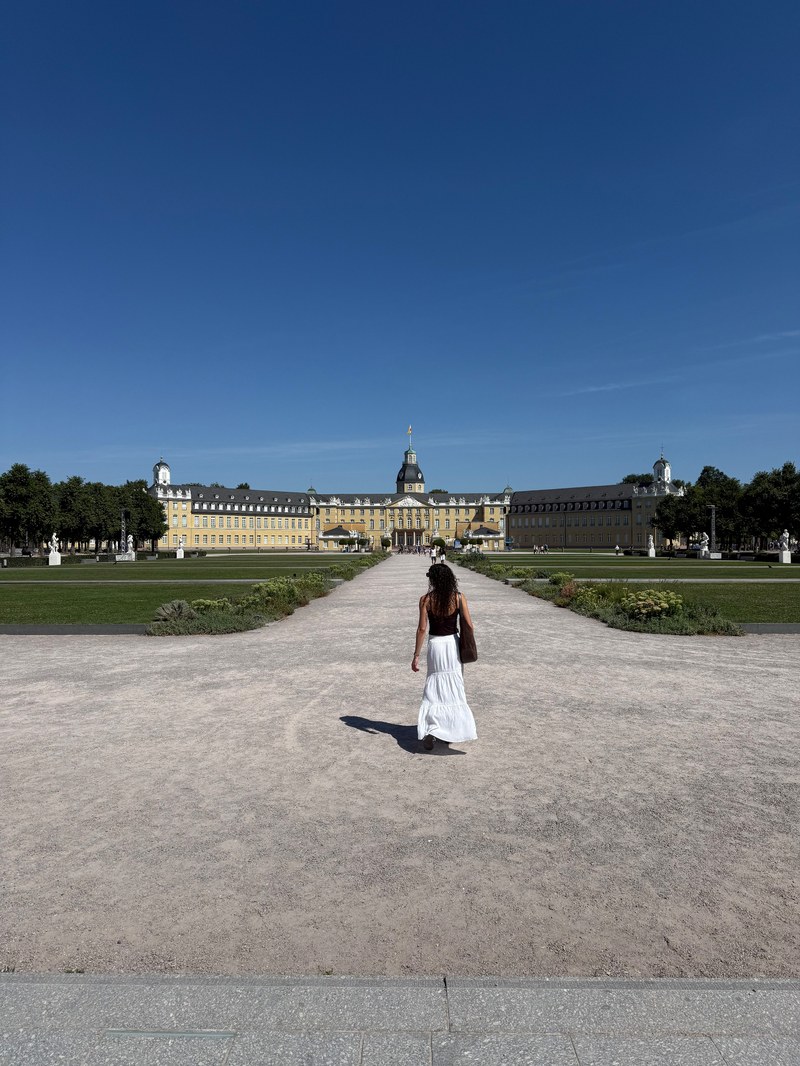
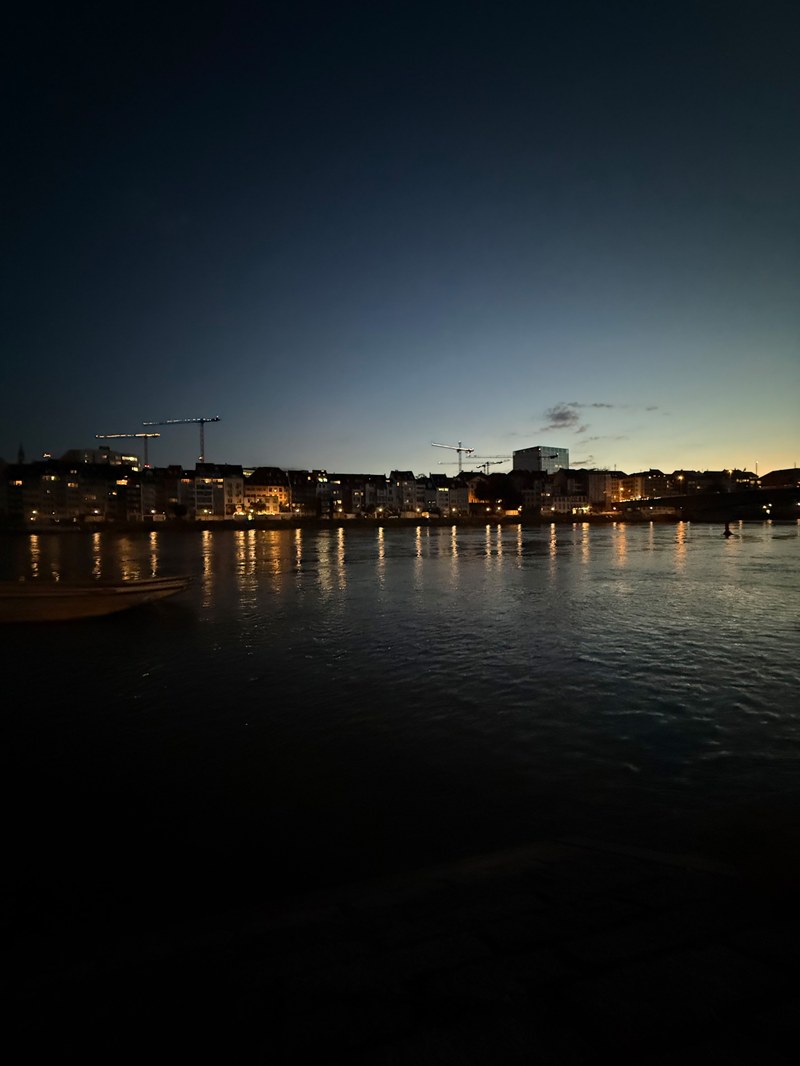
The international character of Emily’s stay extended well beyond the campus. Basel became an important part of her experience, not least because of the people she met.“I really enjoyed living in Switzerland, especially the international environment in Basel.”She met people from across Europe and other parts of the world studying and working in the region. For Emily, this was one of the highlights of living here and made Basel feel like a natural extension of the international environment she experienced at the HLS.
Switzerland’s strong scientific and pharmaceutical research landscape, particularly around Basel, added another dimension. For a chemistry researcher from Canada, the region offered the chance to experience a major Life Sciences environment from within.
English in the lab, Swiss German at the supermarket
Arriving in a German-speaking country does not necessarily mean having to master German before joining the lab. At the HLS, Emily found communication surprisingly straightforward.“Most people speak English, so communication at the university was generally very easy.”Outside the FHNW campus she picked up Swiss German words and phrases, whether on signs around the city or while grocery shopping; another part of adapting to a new country. And perhaps that sums up Emily’s exchange: moving into new territory, scientifically and personally, while discovering how quickly the unfamiliar can start to feel like home.
Study with us and shape your future!