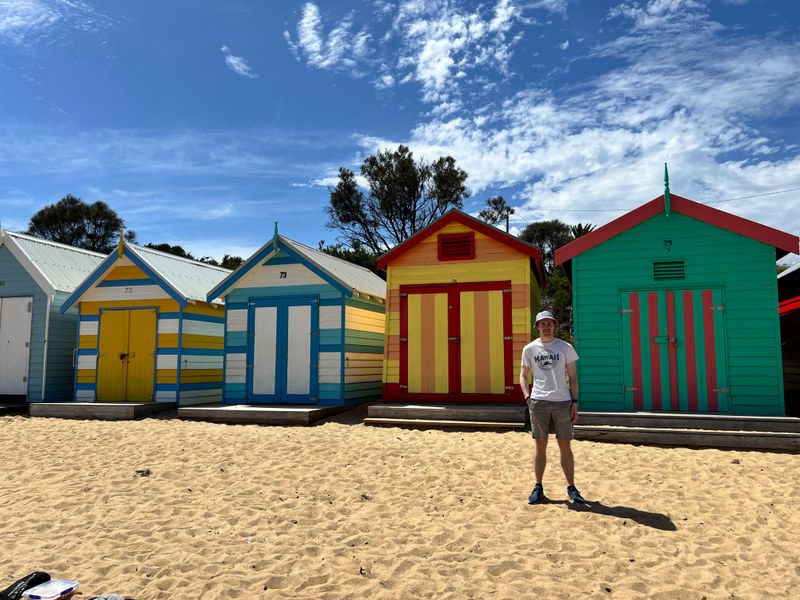
In 2025, Dominik Müller spent eight months conducting research for his master's thesis at Monash University in Melbourne.
What motivated you to go abroad?
First and foremost, I have a deep passion for traveling and immersing myself in new cultures. An exchange semester is the ideal way to combine these interests while also broadening my horizons and fostering personal growth. Living abroad exposes you to unfamiliar situations, helping you develop resilience and adaptability in the face of challenges. This experience not only strengthens your ability to manage stressful or difficult circumstances but also equips you with valuable life skills. On a professional level, to write a thesis abroad is a strong addition to any CV, signaling to employers that you are flexible, resourceful, and eager to embrace new opportunities.
Why did you choose your host institution/country?
I chose to write my master's thesis in medicinal chemistry because I have always been fascinated by the intersection of chemistry and biology in medical applications. I also wanted to undertake my studies abroad to gain additional experience and discover new working methods. Fortunately, my supervisor had a connection to Manuela Jörg at Monash University, who leads a medicinal chemistry research group.
What is your everyday life like? What does a typical day at the host institution look like?
A typical day would start at 8 or 9 a.m. on campus. I usually cycled there, which gave me the opportunity to enjoy the Melbourne skyline against the backdrop of the sunrise. I spent most of the day doing lab work and attending meetings. However, I always made sure to take time to have coffee with my colleagues at one of the city's many cafés, a habit I had adopted from the very beginning. After work, I would go to the gym or join a running group. The city is characterised by countless parks, which are perfect for jogging and can make you forget that you are in a city of millions. Alongside coffee culture, running is also an integral part of life in Melbourne. At the weekends, I usually went on discovery tours. Melbourne and the surrounding area offer a wide variety of activities for everyone. These include countless markets and museums, days at the seaside, and beautiful natural landscapes.
Tell us about your research and your research findings during your residency.
This master's thesis focuses on the synthesis and detailed pharmacological characterisation of potential M4-selective PAMs that are structurally analogous to LY2033298. The M4 mAChR is of interest in relation to neurocognitive disorders such as schizophrenia and Alzheimer's disease. However, the M4 mAChR exhibits strong homology with the other mAChR subtypes (M1, M2, M3 and M5) at the orthosteric binding site, which is the binding site of the natural ligand. This makes it difficult to develop specific agonists, i.e. ligands that bind to the orthosteric binding site and increase receptor activity. Unlike agonists, PAMs do not bind to the orthosteric binding site, but to the allosteric binding site, which is less conserved between the different subtypes. PAMs that demonstrate selectivity for the M4 mAChR subtype are a promising alternative, as they have the potential to be more effective in clinical settings. Thirty-one potential PAMs were synthesised and tested during the Master's thesis for their ability to activate the M4 mAChR and increase its activity. Six hits were identified. This thesis provides insights into structural modifications of LY2033298 that could inform the development of improved analogues which would overcome the limitations of LY2033298, including its inability to penetrate the blood–brain barrier and differences in efficacy between species.
What surprised you the most about your stay abroad?
The city's open culture and diversity. Not only does Melbourne have countless cafés, it also has just as many restaurants offering authentic food from all over the world. It's no surprise that Melbourne is voted the city with the best and most diverse food almost every year. It was not only the food that surprised me in a positive way, but also the open nature of the people and their appreciation of spending time together - something I would like to adopt myself.
What tip would you like to give to future exchange students?
Both Melbourne and Monash University are ideal places to spend a semester on exchange. However, finding accommodation and obtaining a visa can be more challenging than in other countries, particularly initially. It took me four months to get my visa, and it was also difficult to find accommodation at first. Student accommodation is rather expensive, and it is not possible to rent a normal flat for this period of time. The best way to find accommodation in Melbourne is via the Fairy Floss Facebook group, where countless shared flats are advertised every day, and where you can also get in touch with locals.
What were the highlights of your stay?
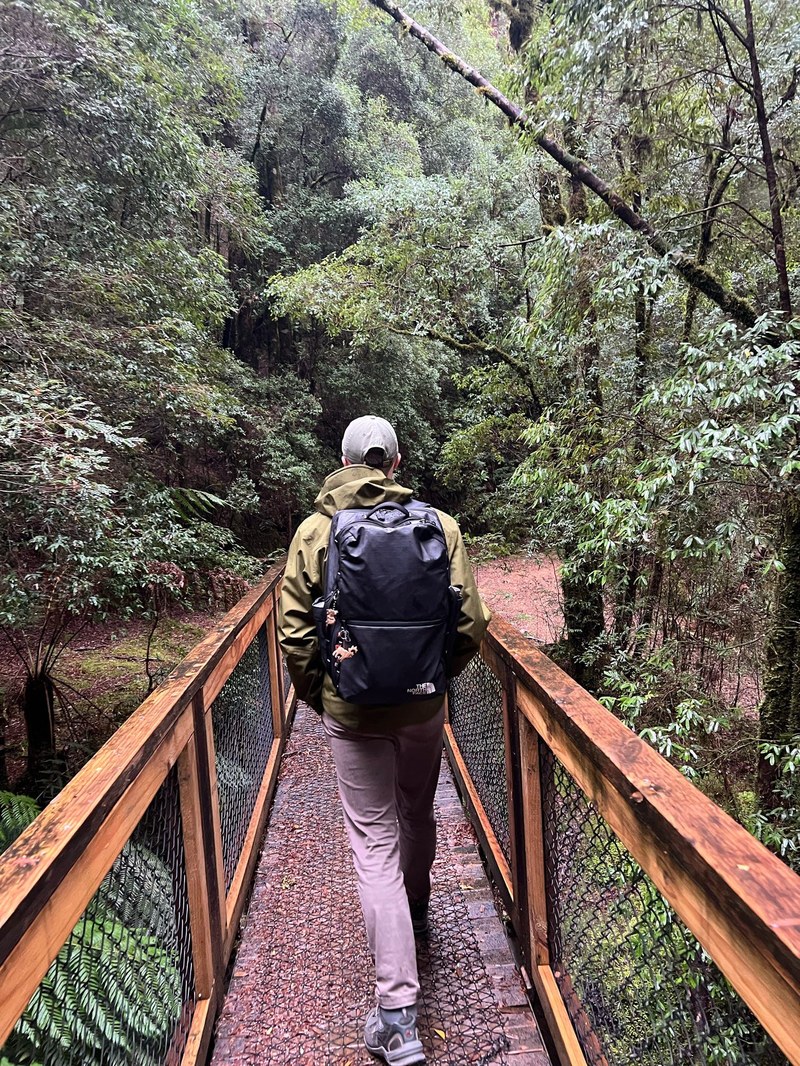
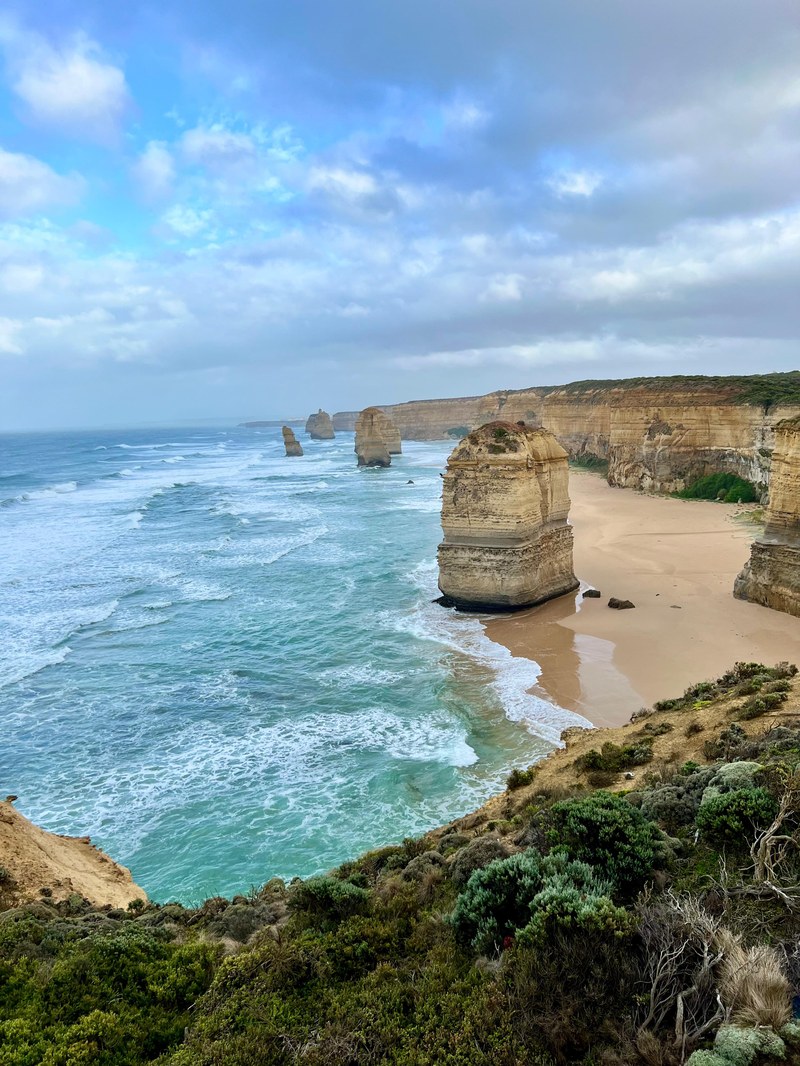
An absolute highlight was the week in Tasmania. An island off Melbourne that offers incredible nature. From rainforests to beautiful beaches and coastlines to mountains, desert-like landscapes and a variety of animals, it has it all. Tasmania is known for its incredibly beautiful nature and is perfect for active holidays. Countless tours are available, allowing you to discover the island in a group. The week in Tasmania was absolutely amazing and it's an island I definitely want to visit again.



Take your chance to study abroad!