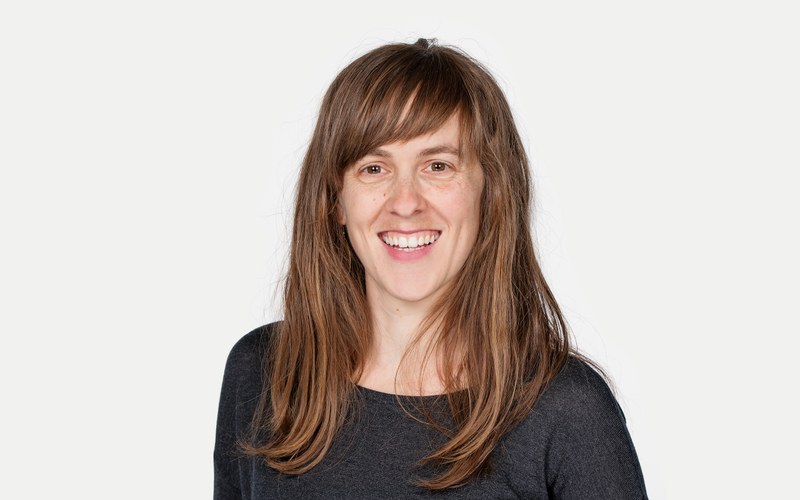
When Ariola Gervalla decided to spend part of her degree abroad, she was not looking for somewhere familiar. Quite the opposite - she wanted to experience a place that would challenge her, surprise her and show her a completely different way of life. She found exactly that in Beijing.
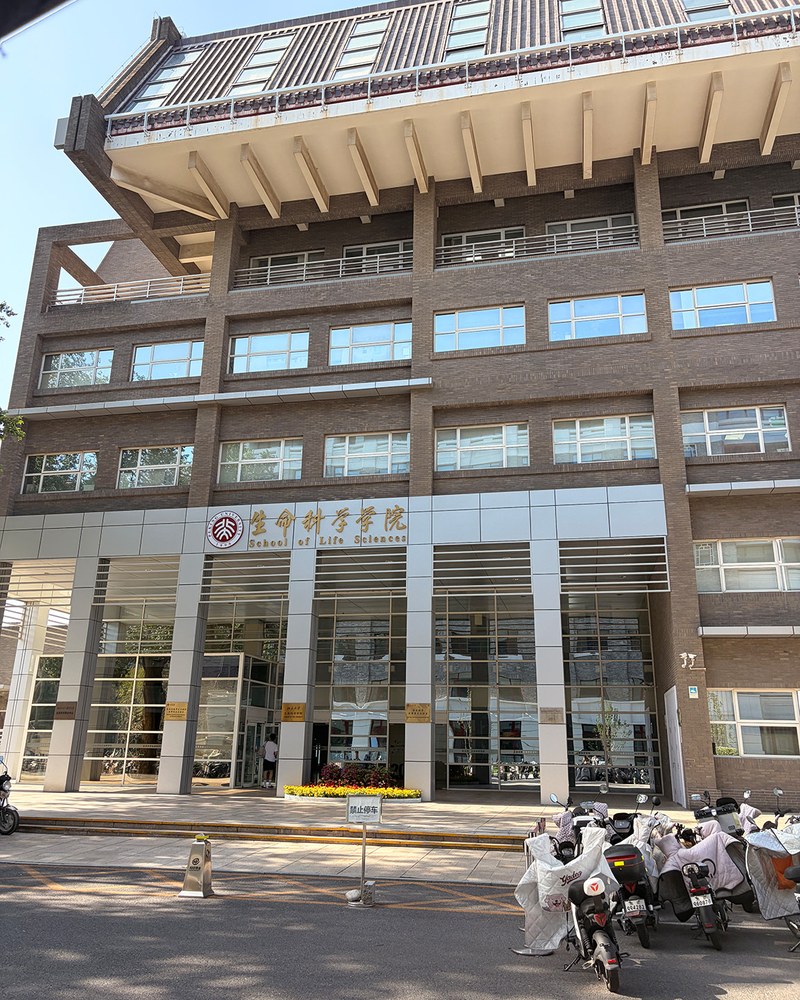
Ariola studies Applied Cell Biology at the FHNW School of Life Sciences. Since July 2026, she has been doing research at Peking University, where she will stay until February 2027. Her motivation for going abroad was both personal and academic.
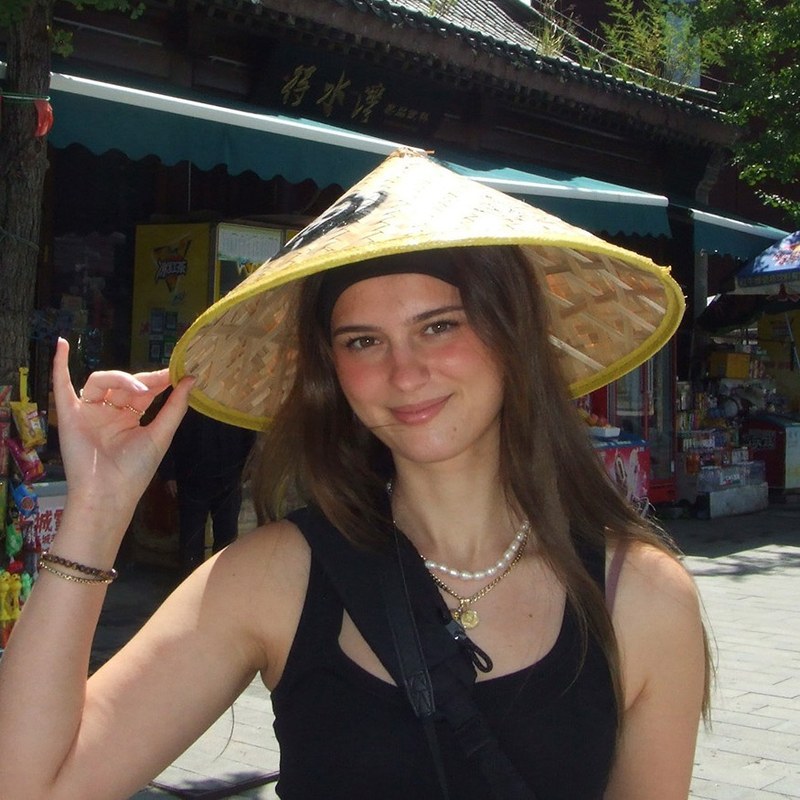
Coming from a family with an immigrant background also played a role in her decision. Ariola wanted to get at least some sense of what it means to leave a familiar environment behind and start life somewhere completely new. She is quick to point out that her experience is not comparable to that of her parents when they moved to Switzerland, but it gave her another reason to take the leap.
From Basel dimensions to Beijing dimensions
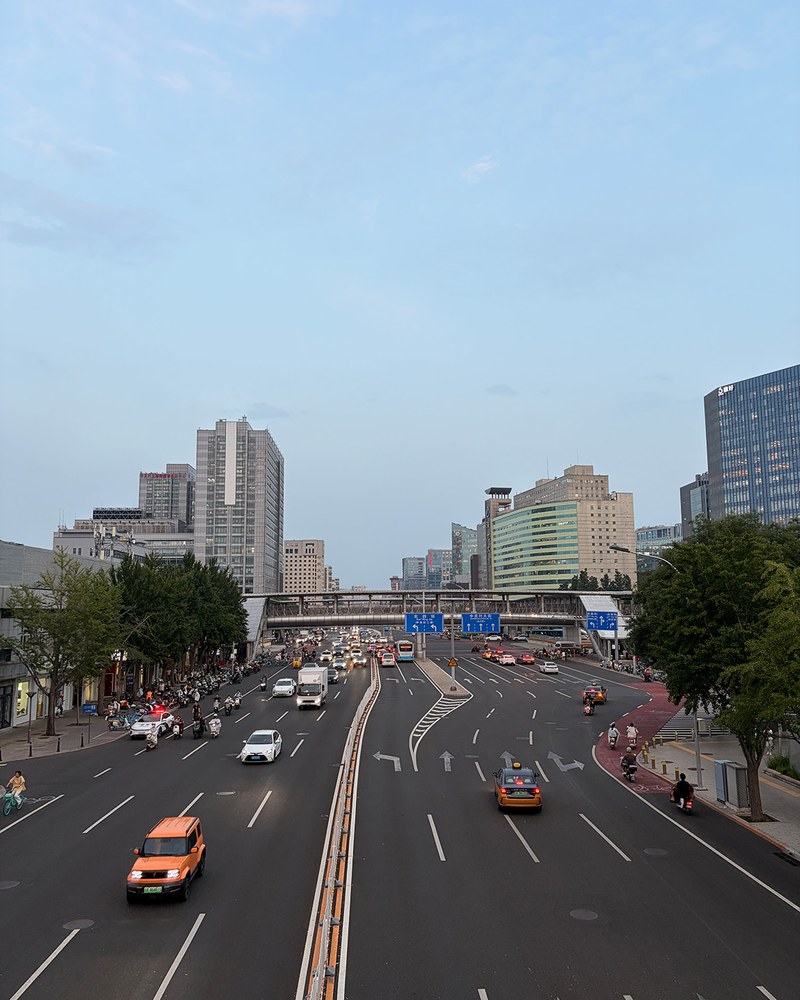
One of Ariola’s first discoveries was that distance takes on a different meaning in Beijing. On a map, her flat seemed to be about a 15 minute walk away from the lab, the sort of distance she knew from Basel.
In reality, it takes around an hour.
“What surprised me most was how big Beijing actually is. The scale of the city was astonishing.”
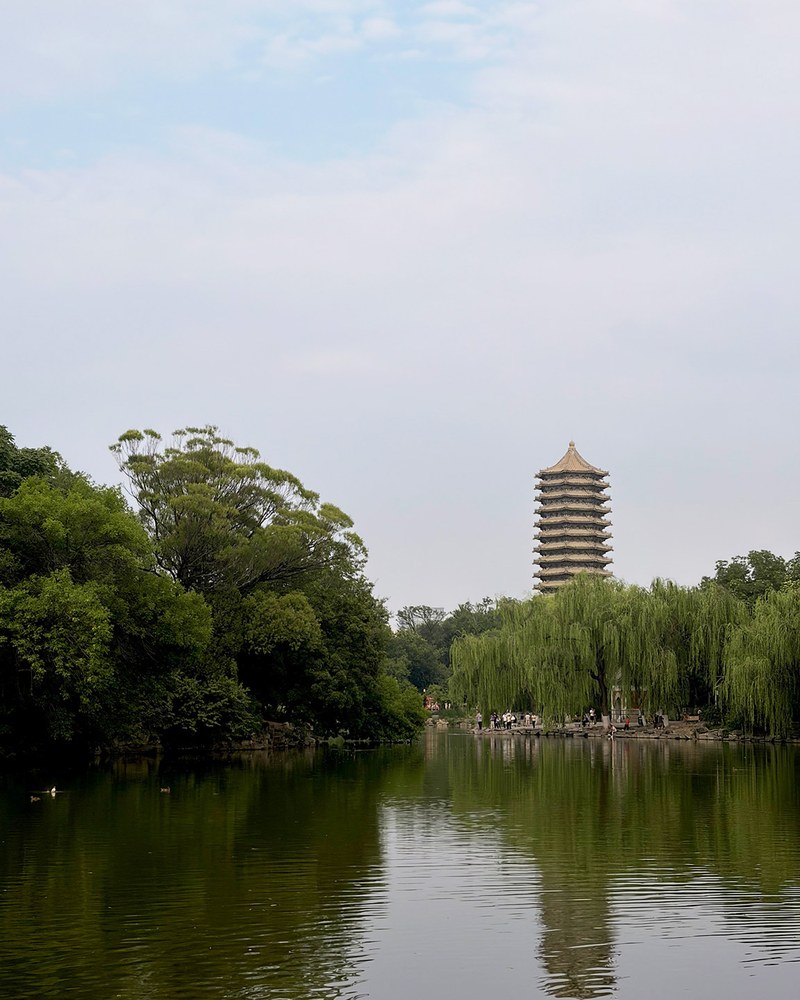
And dimensions do not shrink when she gets to work. Peking University has an enormous campus, complete with a large lake, several restaurants and ten canteens.
Ariola usually starts work at around 10 am. Her supervisor gives her considerable freedom to organise her working hours: what matters are the results.
Depending on what is happening in the lab, she works until 6 or 8 pm, just grabbing something small for lunch. Dinner is more social - she and her friends head to one of the canteens on campus before cycling home. Or perhaps not:
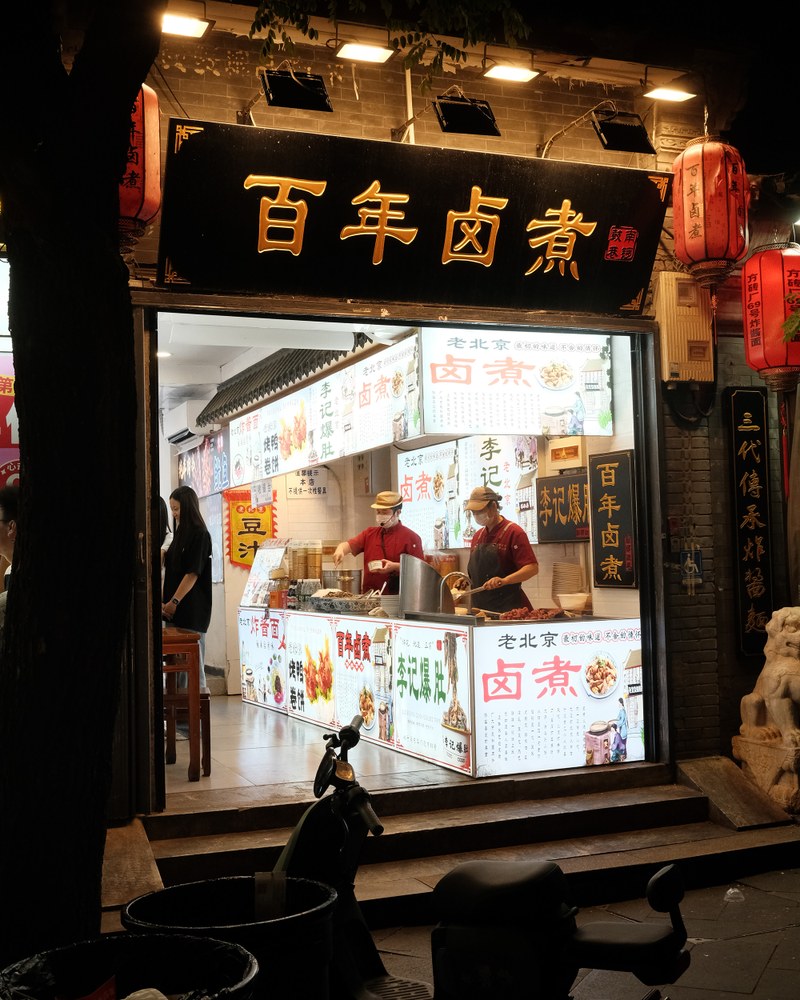
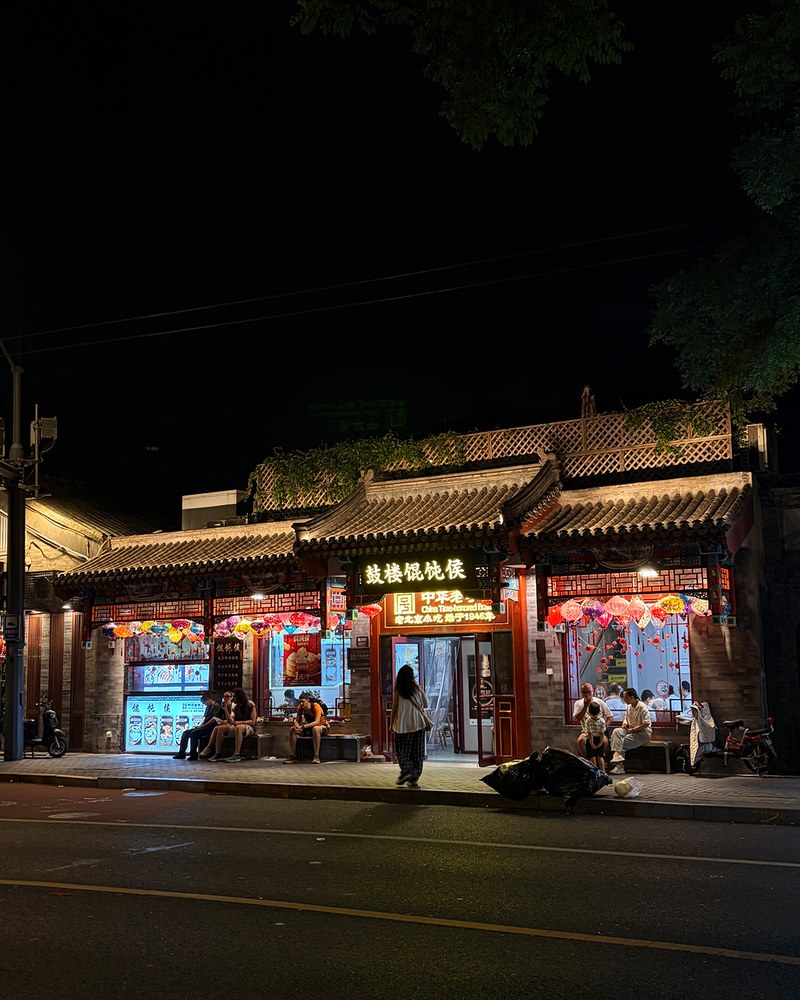
“Sometimes I don’t go straight home after work, preferring to get on my bike and explore Beijing instead. It is a truly enormous city with a lot to offer.”
Tiny flies, big questions
Ariola did not choose Peking University solely because she wanted a culture shock: her research was just as important. She is interested in gene therapies and genome editing and found a research group in Beijing working on precisely these topics.
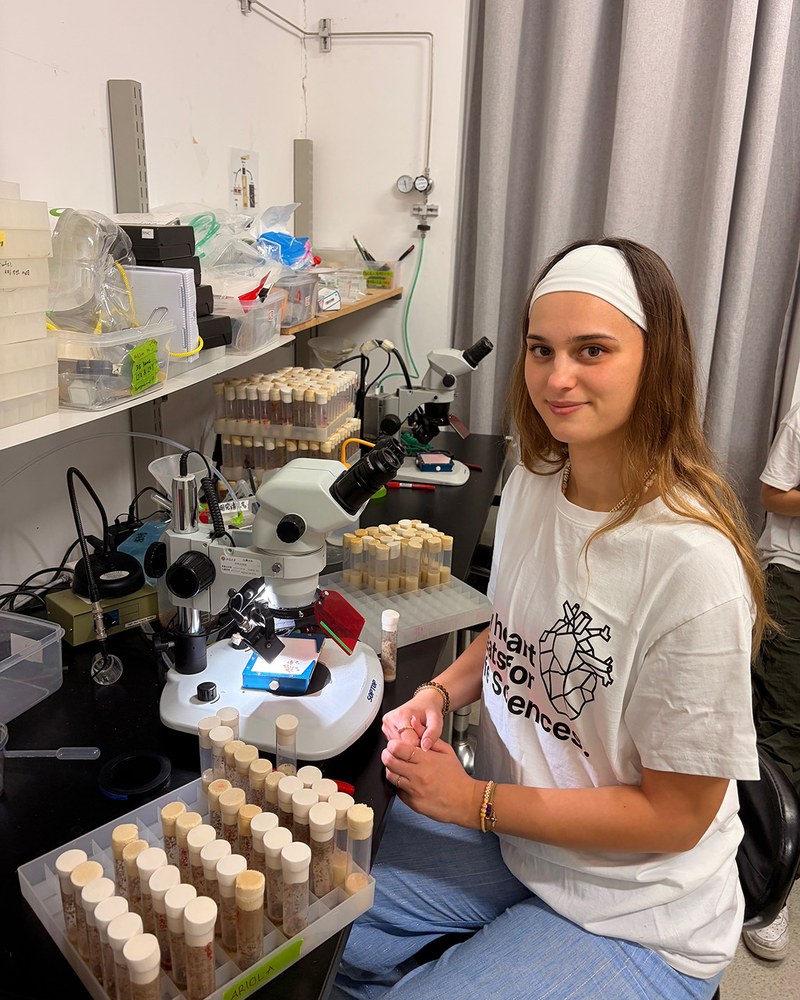
But unlike the city and the university, her current research subjects are tiny: fruit flies, also known as Drosophila.
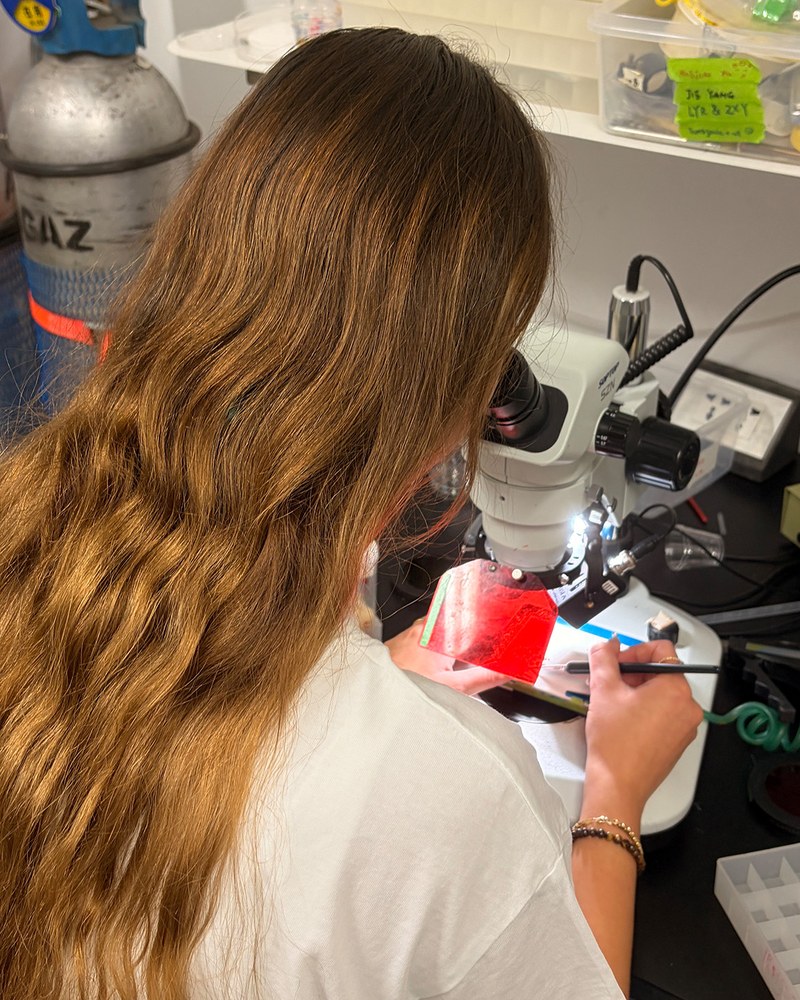
In the lab, Ariola studies different strains, cross breeding them and analysing their genetic material to understand which traits are passed on to the next generation and how they develop.
More specifically, she is investigating gene drives: a genetic engineering method designed to ensure that particular genetic traits are inherited especially frequently. However, one challenge of the method is that unwanted genetic changes can occur, making a gene drive ineffective.
This is where Ariola’s project comes in. She is investigating how the CRISPR system used in the process can be inhibited at precisely the right moment. To do this, she tests different genetic ‘switches’ that determine when this inhibition becomes active. She has already identified some promising candidates and is now preparing the DNA building blocks needed for further experiments.
But the research cannot be rushed.
“After each cross breeding, it takes around two weeks for a new generation of Drosophila to reach maturity and for me to analyse the results.”
For Ariola, this waiting is part of the process and makes her all the more curious about where the project will lead during the rest of her stay.
A life organised by apps
Outside the lab, China has brought its own learning process. Many aspects of digital life that Ariola knew from Switzerland simply do not work in the same way. Apps such as WhatsApp and Instagram are not normally accessible without a VPN. A Chinese phone number is essential for many everyday tasks, including finding a flat.
Paying for things is another adjustment: cash plays such a minor role in Ariola’s everyday life that seeing a 20 yuan banknote felt almost unusual.
“I had somehow assumed physical money barely existed here since it just never came up in daily life.”
Alipay and WeChat quickly became everyday essentials and Ariola discovered how much is ordered online, including groceries. Although many people she meets do not speak English, communication usually finds a way.
“People are very cooperative and open to communicating through translator apps.”
More than a semester abroad
For Ariola, studying abroad is not simply about working at another university. It means learning how to navigate a megacity, adapting to a new everyday life, dealing with a different digital world, meeting new people and carrying out research in a field she is passionate about.
Her advice to anyone considering a similar experience is practical. Sort out a local phone number early, check accommodation options well in advance and set up the essential payment apps before they become urgent.
“And don’t forget to enjoy the experience. It goes by fast.”



Take your chance to study abroad!