Zu Hauptinhalt springenZur Suche springenZu Hauptnavigation springenZu Footer springen
Logo der Fachhochschule Nordwestschweiz
  • DE
  • EN
  • Startseite

Zehn Hochschulen Ein Ziel

Die FHNW umfasst 10 Hochschulen mit unterschiedlichen Schwerpunkten. Wählen Sie eine Hochschule aus, um deren spezifische Kurse, Studiengänge und Informationen zu sehen.

Angewandte Psychologie

Architektur, Bau und Geomatik

Gestaltung und Kunst

Informatik

Life Sciences

Musik

Pädagogische Hochschule

Soziale Arbeit

Technik und Umwelt

Wirtschaft

  • Studienangebot

    • Alle Studiengänge
    • Bachelor in Life Sciences
    • Master in Life Sciences
    • Master in Medical Informatics
    • Joint Degree Master in Biomedical Engineering
    • Info-Anlässe
  • Rund ums Studium

    • Vorbereitung aufs BSc-Studium
    • Unterstützungsangebote während des Studiums
    • Erfahrungsberichte
    • Studiengeld und Stipendien
    • Digital Life Sciences
  • International studieren

    • Outgoing Studierende
    • Incoming Studierende
    • Double Degree
    • Partnerschulen
    • Erlebnisberichte
    • Buddy-Programm
    • News und Storys
  • Weiterbildungsangebot

    • Alle Weiterbildungen
    • MAS - Master of Advanced Studies
    • DAS - Diploma of Advanced Studies
    • CAS - Certificate of Advanced Studies
    • Module und Seminare
    • Info-Anlässe
  • Weiterbildungen nach Themen

    • Artificial Intelligence und Machine Learning
    • Betriebswirtschaft, Unternehmensführung, Entrepreneurship
    • Biologie und Chemie
    • Data Science und Engineering
    • Diagnostik
    • Digital Industry and Optimisation
    • Digital Transformation and Technologies
    • Energie
    • Extented Reality und Immersive Technologies
    • Führung und Teammanagement
    • Gesundheitsförderung und Prävention
    • Konsumverhalten
    • Kreislaufwirtschaft
    • Management in Healthcare
    • Maschinentechnik und Robotik
    • Organisationsentwicklung und Change Management
    • Pharma-, Medizin- und Biotechnologie
    • Prozess- und Projektmanagement
    • Sustainable Business Development, Ressourcenmanagement
    • Umweltmanagement
    • Umweltrecht
    • Umwelttechnologie und Recycling
    • Werkstoffe, Verfahrenstechnik
  • Organisatorisches

    • Beratung
    • Rechtliches und Bedingungen
  • Forschung

    • Forschungsfelder
    • Projekte
  • Zusammenarbeit

    • Process Technology Centre
    • Dienstleistungen
    • Tech Transfer Office
    • Studierendenprojekte
  • Internationales

    • International studieren
    • Internationale Forschungsprojekte
  • Neuigkeiten und Einblicke

    • News und Storys
    • Forschungshighlights
    • Medienmitteilungen
  • Veranstaltungen

    • Alle Veranstaltungen
    • Info-Anlässe
  • Medienstelle

    • Medienmitteilungen
  • Über die Hochschule für Life Sciences

    • Strategie und Werte
    • Hochschulleitung
    • Mitarbeitende
    • Fachbeirat
    • Personenverzeichnis
    • Diversity und Gleichstellung
    • Nachwuchsförderung
    • Medienstelle
    • Infrastruktur und Campus
  • Institute und Kompetenzzentren

    • Institut für Chemie und Bioanalytik
    • Institut für Ecopreneurship
    • Institut für Medizintechnik und Medizininformatik
    • Institut für Pharmatechnologie und Biotechnologie
    • Zentrum für Ausbildung und Lehre
    • Process Technology Centre
Logo der Fachhochschule Nordwestschweiz
  • Zur Hochschule
    • Hochschule
    • Studium
    • Weiterbildung
    • Forschung
    • Veranstaltungen
  • Social Media
    • Facebook
    • Instagram
    • YouTube
    • LinkedIn
  • Die FHNW
    • Organisation
    • Hochschulen
    • Standorte
    • Bibliothek FHNW
    • Jobs und Karriere
    • Medienkontakte
  • Support
    • IT-Support
    • Inside FHNW
    • Webmail
  • Datenschutz
  • Impressum
  • Accessibility
  • Studienangebot

    • Alle Studiengänge
    • Bachelor in Life Sciences
    • Master in Life Sciences
    • Master in Medical Informatics
    • Joint Degree Master in Biomedical Engineering
    • Info-Anlässe
  • Rund ums Studium

    • Vorbereitung aufs BSc-Studium
    • Unterstützungsangebote während des Studiums
    • Erfahrungsberichte
    • Studiengeld und Stipendien
    • Digital Life Sciences
  • International studieren

    • Outgoing Studierende
    • Incoming Studierende
    • Double Degree
    • Partnerschulen
    • Erlebnisberichte
    • Buddy-Programm
    • News und Storys
  • Weiterbildungsangebot

    • Alle Weiterbildungen
    • MAS - Master of Advanced Studies
    • DAS - Diploma of Advanced Studies
    • CAS - Certificate of Advanced Studies
    • Module und Seminare
    • Info-Anlässe
  • Weiterbildungen nach Themen

    • Artificial Intelligence und Machine Learning
    • Betriebswirtschaft, Unternehmensführung, Entrepreneurship
    • Biologie und Chemie
    • Data Science und Engineering
    • Diagnostik
    • Digital Industry and Optimisation
    • Digital Transformation and Technologies
    • Energie
    • Extented Reality und Immersive Technologies
    • Führung und Teammanagement
    • Gesundheitsförderung und Prävention
    • Konsumverhalten
    • Kreislaufwirtschaft
    • Management in Healthcare
    • Maschinentechnik und Robotik
    • Organisationsentwicklung und Change Management
    • Pharma-, Medizin- und Biotechnologie
    • Prozess- und Projektmanagement
    • Sustainable Business Development, Ressourcenmanagement
    • Umweltmanagement
    • Umweltrecht
    • Umwelttechnologie und Recycling
    • Werkstoffe, Verfahrenstechnik
  • Organisatorisches

    • Beratung
    • Rechtliches und Bedingungen
  • Forschung

    • Forschungsfelder
    • Projekte
  • Zusammenarbeit

    • Process Technology Centre
    • Dienstleistungen
    • Tech Transfer Office
    • Studierendenprojekte
  • Internationales

    • International studieren
    • Internationale Forschungsprojekte
  • Neuigkeiten und Einblicke

    • News und Storys
    • Forschungshighlights
    • Medienmitteilungen
  • Veranstaltungen

    • Alle Veranstaltungen
    • Info-Anlässe
  • Medienstelle

    • Medienmitteilungen
  • Über die Hochschule für Life Sciences

    • Strategie und Werte
    • Hochschulleitung
    • Mitarbeitende
    • Fachbeirat
    • Personenverzeichnis
    • Diversity und Gleichstellung
    • Nachwuchsförderung
    • Medienstelle
    • Infrastruktur und Campus
  • Institute und Kompetenzzentren

    • Institut für Chemie und Bioanalytik
    • Institut für Ecopreneurship
    • Institut für Medizintechnik und Medizininformatik
    • Institut für Pharmatechnologie und Biotechnologie
    • Zentrum für Ausbildung und Lehre
    • Process Technology Centre

Geben Sie einen Suchbegriff ein und suchen Sie nach Weiterbildungen, Studienangeboten, Veranstaltungen, Dokumenten und anderen Inhalten.

Czech Republic, MSc Bioanalytics, Double Degree, Hochschule für Life Sciences FHNW

30.1.2025 – Hochschule für Life Sciences


  • Life Sciences
  • Aktuelles
  • Neuigkeiten und Einblicke
  • Alle News und Storys
Alle News und Storys
header_natalie.png

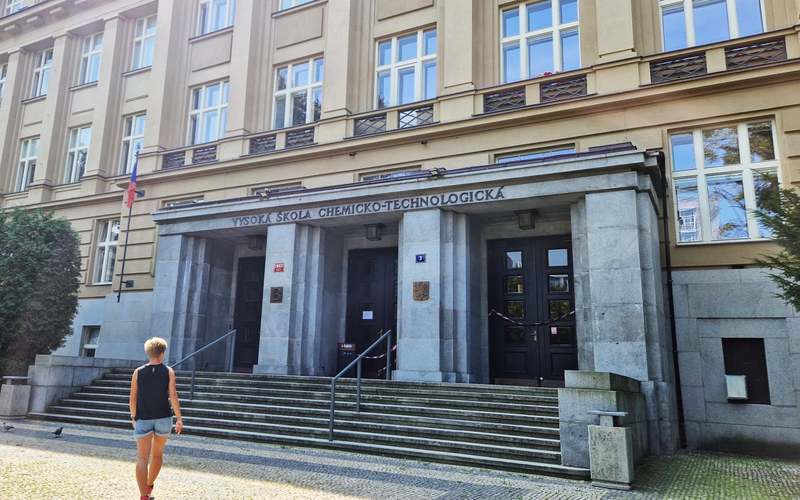
In 2024, Natalie LeLay took the opportunity to do a double degree at University of Chemistry and Technology, Prague.

  • Story

What made you decide, what motivated you to go abroad?
I already knew during my bachelor's that I wanted to spend a semester abroad during my master's. As more of my friends went abroad and returned positively changed, my curiosity grew. How would I change? What would I learn? What experiences would I take with me?
I wanted to do something completely different — gain new experiences, make friends, and immerse myself in another culture. When FHNW also offered the Double Degree programme, it became an added bonus, paving the way for a potential PhD in the future.

Why did you choose your host institution/country?
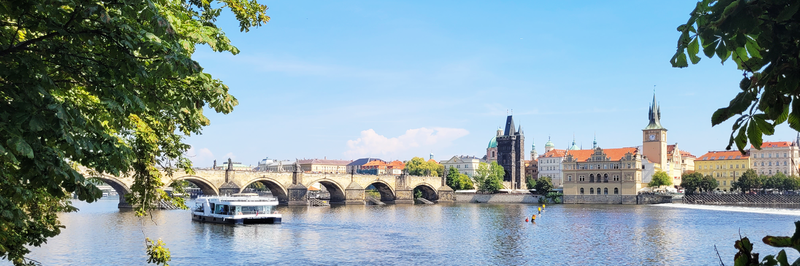
As a Bioanalytics student, I didn’t really have a choice — Prague was the only option available at the time. But that didn’t bother me; I didn’t have to make a decision and happily took the opportunity. I was looking forward to the challenge and to discovering the city of Prague, so I did some research beforehand.
Many films have been shot there — both during the time of Czechoslovakia and today in the now independent Czech Republic — which already gave me a first impression of the city.

I had never been to Prague or even to the Czech Republic before, so I also asked around among my friends to see if anyone had visited. I only heard positive things — especially about the beautiful city and the delicious food — which reassured me that I had made the right decision.

What is your everyday life like?
We generally only had lectures in the afternoon. When the lab project started, we began our day at the university around 8 or 9 am. There was always something to do in the lab, but I enjoyed my time there, even though it often meant long hours. Afterwards, we either went on a lunch break or straight into the next lecture.
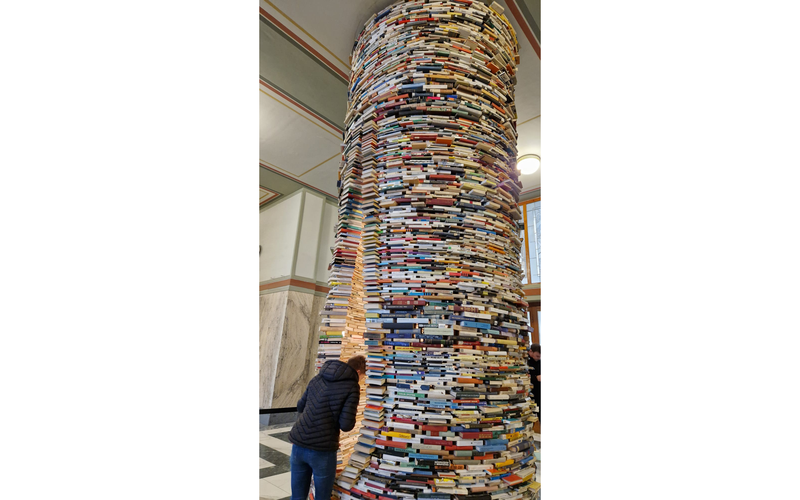
During lunch, we usually sat in the neighboring national library, where we could buy food or eat our packed meals. Often, other international students joined us, and we had nice conversations as a group. The lectures were usually interesting, and the lecturers were always open to questions.
When the weather was still warm and pleasant, many lectures finished earlier, giving us time to explore the city before winter set in. I often took the opportunity to walk through the streets towards my flat. When it got colder, I started taking the tram instead. As the exams approached, I began studying in the evenings.

Tell us about your research findings during your residency.
My laboratory project focused on exploring the impact of ethanolic extracts from Vitis vinifera (grapevine) viticulture waste on various probiotic bacterial strains, with a particular emphasis on their ability to produce SCFAs. The study used in vitro fermentation techniques to simulate gut conditions and analyze the resulting SCFA profiles. By doing so, the research aimed to shed light on how these grapevine extracts might influence gut microbiota composition and function, potentially enhancing the production of beneficial metabolites. This investigation could provide valuable insights into the potential prebiotic properties of viticulture waste and its possible applications in promoting gut health through targeted probiotic supplementation.

This project evaluated seven organic acids, including SCFAs, using an HPLC-UV method for simultaneous detection and quantification. However, excessive lactic acid concentrations caused peak broadening and signal overshadowing, reducing sensitivity and resolution for other acids. The method showed limitations in peak separation, retention time resolution, and co-elution, making it suboptimal for comprehensive organic acid analysis. To improve quantification, strategies such as sample pre-treatment, adjusting HPLC conditions by changing the elution mode and mobile phase composition, or incorporating analysis with mass spectrometry/tandem mass spectrometry are recommended.
Despite these challenges, the project provides valuable insights into organic acid profiles in probiotic cultures with Vitis vinifera extracts, highlighting the need for further method refinement.

What surprised you the most about your stay abroad?
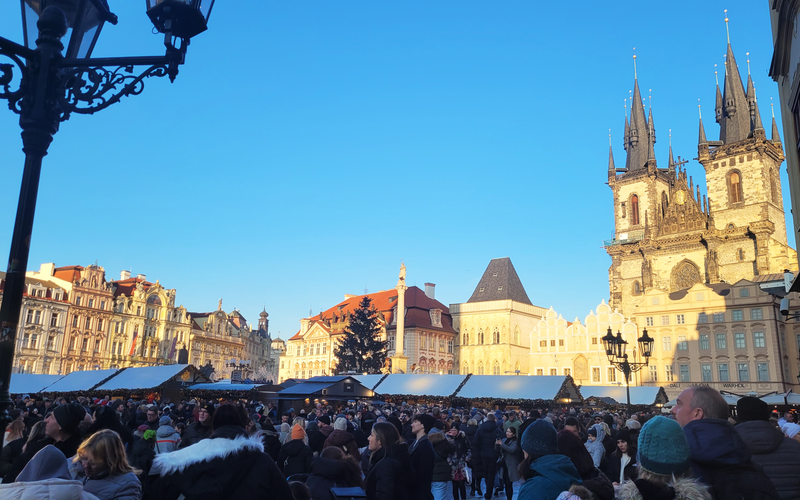
My biggest surprise was how truly great, beautiful, diverse, and vibrant Prague is. My friends had already told me how stunning the city was, so I had high expectations — but they were far exceeded. It is truly "the Golden City." The gold on the rooftops sparkles in the sunlight, and in the evening, when the streetlights glow orange, it gives the city a magical atmosphere.
Prague offers so much: theaters, operas, ice hockey, clubs, restaurants, pubs, and museums — there’s something for everyone. I was also surprised by how safe the city feels. I have never felt so secure in a major city. Crime rates are low, and as a woman, you can walk through the streets alone at night without worry. There is a very high police presence in every district and street, which certainly contributes to the sense of safety. Other countries (such as Germany) could definitely take inspiration from this.
Lastly, I want to mention the countless pubs and restaurants across the city. It feels like every second building houses either a pub or a restaurant — and they’re all busy, if not completely full, which speaks for their quality.

What tips would you give to future exchange students?
Join the Get-to-Know Weekend! I skipped it and deeply regret it. It’s a crucial event where you meet lots of new people from around the world. I assumed I wouldn’t need it because I’m open-minded and enjoy meeting new people, but classes are small, and many Czech students aren’t very engaged, making it difficult to connect. I noticed the difference between myself and those who participated — they made plans together, organized weekend trips, and attended events as a group. Meanwhile, I often had to do things alone since my flatmates weren't always available or had their own plans.
Without my flatshare, my semester would have been quite lonely. Don’t make the same mistake — go for it!

Take as many trips as possible! If you're interested in a city — whether in the Czech Republic or beyond, like Vienna or Krakow — just go! I made the mistake of focusing too much on one big trip at the end of November (Vienna, Bratislava, and Brno for the Christmas markets, organized by ESN), because I didn’t want to spend too much of the money my parents gave me. But the trip was canceled at the last minute, and by the time my exams were over, I no longer had the chance to travel. Things rarely go as planned — remember that!

Is there anything else you would like to share?
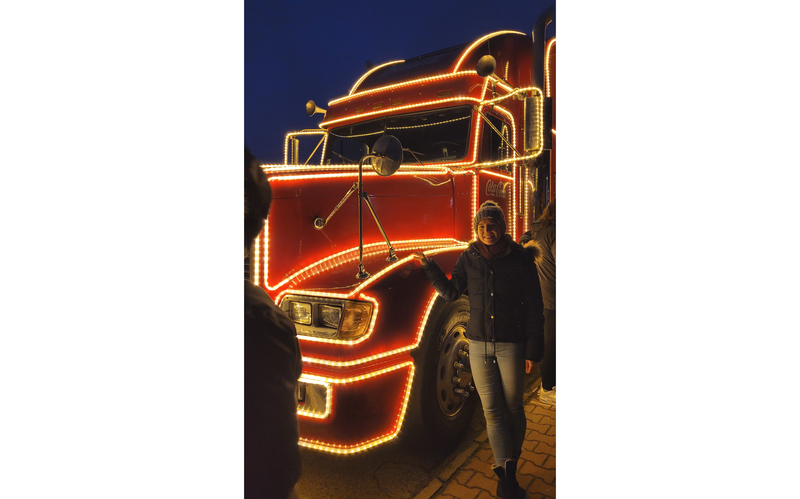
There was a major flood in September that caused damage in Austria, the Czech Republic, and Germany. While Prague was spared, I still witnessed the water levels rising daily until they overflowed onto the riverbanks. Promenades were closed off. The sheer force of the water was both fascinating and frightening at the same time. Another memorable moment was definitely the beautiful Christmas markets across the city. The food and Medovina (mulled wine) you get there are amazing, and the atmosphere is magical.

And yes, an important lesson: If you have something in mind — somewhere you want to go, someone you want to meet — do it now. Don’t say, “We’ll meet someday” or “I’ll do it later”. No — do it immediately. Don’t procrastinate. Time flies faster than you think, and before you know it, you’ve only checked off half your to-do list. I wanted to visit Karlovy Vary, Dresden, and Vienna. But because I focused too much on a trip that was later canceled, I ran out of time to visit the places I had planned. Never think, “I still have plenty of time.” No, you don’t.

  • natalie_1.png
  • natalie_2.png
  • natalie_4.png
  • natalie_5.png
  • natalie_8.png

Take your chance to study abroad!
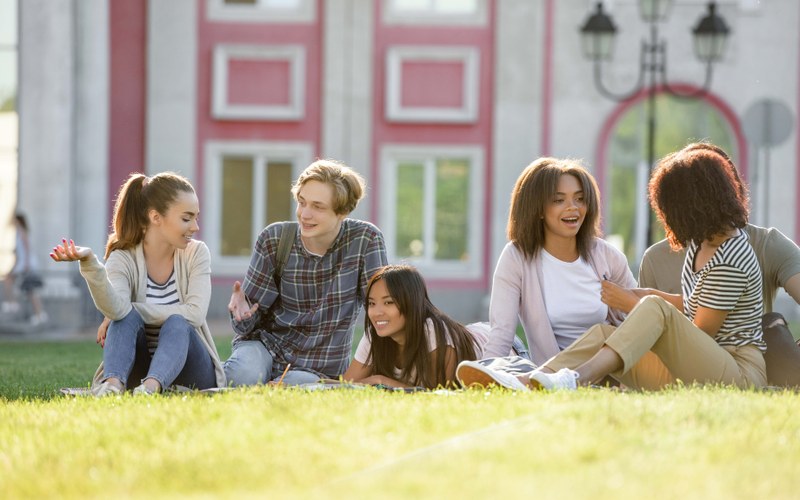
Thinking about a semester abroad or an international thesis? Find all the necessary information for outgoing students here:
DE - Outgoing StudierendeEN - Outgoing Students

Kontakt

Irina Hauri

Leiterin International Office und Weiterbildungsmanagement
Telefon
+41 61 228 50 66
E-Mail
international.lifesciences@fhnw.ch

Sarah Lehmann

Assistentin International Office
Telefon
+41 61 228 50 66
E-Mail
international.lifesciences@fhnw.ch

Hochschule für
Life Sciences Fachhochschule Nordwestschweiz FHNW

  • Zur Hochschule
    • Hochschule
    • Studium
    • Weiterbildung
    • Forschung
    • Veranstaltungen
  • Social Media
    • Facebook
    • Instagram
    • YouTube
    • LinkedIn
  • Die FHNW
    • Organisation
    • Hochschulen
    • Standorte
    • Bibliothek FHNW
    • Jobs und Karriere
    • Medienkontakte
  • Support
    • IT-Support
    • Inside FHNW
    • Webmail
Logo FHNW - 20 Jahre
Logo Swiss Universities
Logo European University Association
© FHNW Fachhochschule Nordwestschweiz
  • Datenschutz
  • Impressum
  • Accessibility
  • DE
  • EN