Zu Hauptinhalt springenZur Suche springenZu Hauptnavigation springenZu Footer springen
Logo der Fachhochschule Nordwestschweiz
  • DE
  • Startseite

Zehn Hochschulen Ein Ziel

Die FHNW umfasst 10 Hochschulen mit unterschiedlichen Schwerpunkten. Wählen Sie eine Hochschule aus, um deren spezifische Kurse, Studiengänge und Informationen zu sehen.

Angewandte Psychologie

Architektur, Bau und Geomatik

Gestaltung und Kunst

Informatik

Life Sciences

Musik

Pädagogische Hochschule

Soziale Arbeit

Technik und Umwelt

Wirtschaft

  • Studienangebot

    • Alle Studiengänge
    • Bachelor in Life Sciences
    • Master in Life Sciences
    • Master in Medical Informatics
    • Joint Degree Master in Biomedical Engineering
    • Info-Anlässe
  • Rund ums Studium

    • Vorbereitung aufs BSc-Studium
    • Unterstützungsangebote während des Studiums
    • Erfahrungsberichte
    • Studiengeld und Stipendien
    • Digital Life Sciences
  • International studieren

    • Outgoing Studierende
    • Incoming Studierende
    • Double Degree
    • Partnerschulen
    • Erlebnisberichte
    • Buddy-Programm
    • News und Storys
  • Weiterbildungsangebot

    • Alle Weiterbildungen
    • MAS - Master of Advanced Studies
    • DAS - Diploma of Advanced Studies
    • CAS - Certificate of Advanced Studies
    • Module und Seminare
    • Info-Anlässe
  • Weiterbildungen nach Themen

    • Artificial Intelligence und Machine Learning
    • Betriebswirtschaft, Unternehmensführung, Entrepreneurship
    • Biologie und Chemie
    • Data Science und Engineering
    • Diagnostik
    • Digital Industry and Optimisation
    • Digital Transformation and Technologies
    • Energie
    • Extended Reality und Immersive Technologies
    • Führung und Teammanagement
    • Gesundheitsförderung und Prävention
    • Konsumverhalten
    • Kreislaufwirtschaft
    • Management in Healthcare
    • Maschinentechnik und Robotik
    • Organisationsentwicklung und Change Management
    • Pharma-, Medizin- und Biotechnologie
    • Prozess- und Projektmanagement
    • Sustainable Business Development, Ressourcenmanagement
    • Umweltmanagement
    • Umweltrecht
    • Umwelttechnologie und Recycling
    • Werkstoffe, Verfahrenstechnik
  • Organisatorisches

    • Beratung
    • Rechtliches und Bedingungen
  • Forschung

    • Forschungsfelder
    • Projekte
    • Institute und Kompetenzzentren
  • Zusammenarbeit

    • Process Technology Centre
    • Dienstleistungen
    • Tech Transfer Office
    • Studierendenprojekte
  • Internationales

    • International studieren
    • Internationale Forschungsprojekte
  • Neuigkeiten und Einblicke

    • News und Storys
    • Forschungshighlights
    • Medienmitteilungen
  • Veranstaltungen

    • Alle Veranstaltungen
    • Info-Anlässe
  • Medienstelle

    • Medienmitteilungen
  • Über die Hochschule für Life Sciences

    • Strategie und Werte
    • Hochschulleitung
    • Mitarbeitende Stab und Services
    • Fachbeirat
    • Personenverzeichnis
    • Diversity und Gleichstellung
    • Nachwuchsförderung
    • Medienstelle
    • Infrastruktur und Campus
  • Institute und Kompetenzzentren

    • Institut für Chemie und Bioanalytik
    • Institut für Ecopreneurship
    • Institut für Medizintechnik und Medizininformatik
    • Institut für Pharmatechnologie und Biotechnologie
    • Zentrum für Ausbildung und Lehre
    • Process Technology Centre
Logo der Fachhochschule Nordwestschweiz
  • Zur Hochschule
    • Hochschule
    • Studium
    • Weiterbildung
    • Forschung
    • Veranstaltungen
  • Social Media
    • Facebook
    • Instagram
    • YouTube
    • LinkedIn
  • Die FHNW
    • Organisation
    • Hochschulen
    • Standorte
    • Bibliothek FHNW
    • Jobs und Karriere
    • Medienkontakte
  • Support
    • IT-Support
    • Inside FHNW
    • Webmail
  • Datenschutz
  • Impressum
  • Accessibility
  • Studienangebot

    • Alle Studiengänge
    • Bachelor in Life Sciences
    • Master in Life Sciences
    • Master in Medical Informatics
    • Joint Degree Master in Biomedical Engineering
    • Info-Anlässe
  • Rund ums Studium

    • Vorbereitung aufs BSc-Studium
    • Unterstützungsangebote während des Studiums
    • Erfahrungsberichte
    • Studiengeld und Stipendien
    • Digital Life Sciences
  • International studieren

    • Outgoing Studierende
    • Incoming Studierende
    • Double Degree
    • Partnerschulen
    • Erlebnisberichte
    • Buddy-Programm
    • News und Storys
  • Weiterbildungsangebot

    • Alle Weiterbildungen
    • MAS - Master of Advanced Studies
    • DAS - Diploma of Advanced Studies
    • CAS - Certificate of Advanced Studies
    • Module und Seminare
    • Info-Anlässe
  • Weiterbildungen nach Themen

    • Artificial Intelligence und Machine Learning
    • Betriebswirtschaft, Unternehmensführung, Entrepreneurship
    • Biologie und Chemie
    • Data Science und Engineering
    • Diagnostik
    • Digital Industry and Optimisation
    • Digital Transformation and Technologies
    • Energie
    • Extended Reality und Immersive Technologies
    • Führung und Teammanagement
    • Gesundheitsförderung und Prävention
    • Konsumverhalten
    • Kreislaufwirtschaft
    • Management in Healthcare
    • Maschinentechnik und Robotik
    • Organisationsentwicklung und Change Management
    • Pharma-, Medizin- und Biotechnologie
    • Prozess- und Projektmanagement
    • Sustainable Business Development, Ressourcenmanagement
    • Umweltmanagement
    • Umweltrecht
    • Umwelttechnologie und Recycling
    • Werkstoffe, Verfahrenstechnik
  • Organisatorisches

    • Beratung
    • Rechtliches und Bedingungen
  • Forschung

    • Forschungsfelder
    • Projekte
    • Institute und Kompetenzzentren
  • Zusammenarbeit

    • Process Technology Centre
    • Dienstleistungen
    • Tech Transfer Office
    • Studierendenprojekte
  • Internationales

    • International studieren
    • Internationale Forschungsprojekte
  • Neuigkeiten und Einblicke

    • News und Storys
    • Forschungshighlights
    • Medienmitteilungen
  • Veranstaltungen

    • Alle Veranstaltungen
    • Info-Anlässe
  • Medienstelle

    • Medienmitteilungen
  • Über die Hochschule für Life Sciences

    • Strategie und Werte
    • Hochschulleitung
    • Mitarbeitende Stab und Services
    • Fachbeirat
    • Personenverzeichnis
    • Diversity und Gleichstellung
    • Nachwuchsförderung
    • Medienstelle
    • Infrastruktur und Campus
  • Institute und Kompetenzzentren

    • Institut für Chemie und Bioanalytik
    • Institut für Ecopreneurship
    • Institut für Medizintechnik und Medizininformatik
    • Institut für Pharmatechnologie und Biotechnologie
    • Zentrum für Ausbildung und Lehre
    • Process Technology Centre

Geben Sie einen Suchbegriff ein und suchen Sie nach Weiterbildungen, Studienangeboten, Veranstaltungen, Dokumenten und anderen Inhalten.

Portugal, BSc Bioanalytics and Cell Biology, Hochschule für Life Sciences FHNW

10.9.2025 – Hochschule für Life Sciences, Institut für Chemie und Bioanalytik


  • Life Sciences
  • Aktuelles
  • Neuigkeiten und Einblicke
  • Alle News und Storys
Alle News und Storys
header_anica.jpg

In 2025, Anica Hügli spent six months conducting research for her bachelor's thesis at INL in Portugal.

  • Story

What made you decide to go abroad?
My main motivation for going abroad was to experience a different culture and everyday life outside of Switzerland. I wanted to live in another country, ideally with a warmer climate and access to the sea, and step out of my comfort zone to gain new perspectives beyond my familiar environment. In addition, gaining international working experience was an important motivation. Switzerland, and especially the Basel region, offers many opportunities in the life sciences and pharmaceutical field. Before entering this environment after my studies, I wanted to gain research experience abroad and see how scientific work is carried out in a different setting.

Overall, I wanted to broaden my personal and professional perspective by living and working abroad.

Why did you choose your host institution/country?
I had always been interested in going to Portugal, and when my supervisor at FHNW, Prof. Laura Suter-Dick, mentioned a possible connection with the International Iberian Nanotechnology Laboratory (INL), I immediately saw this as a great chance. Portugal offered a combination of high-quality research and the opportunity to live in a culturally rich and warm country. Although I briefly considered other destinations, Portugal ultimately proved to be the right fit in terms of timing and academic opportunity. I enjoyed it so much that I chose to stay longer, moving from Braga to Porto to be closer to the sea and to explore more of the country.

What is your everyday life like?
In the first month, I stayed in the guest accommodation provided by the institution, just a five-minute walk from the lab, which helped me settle in quickly. During this time, I also looked at apartments in person, which made it much easier to find long-term housing.
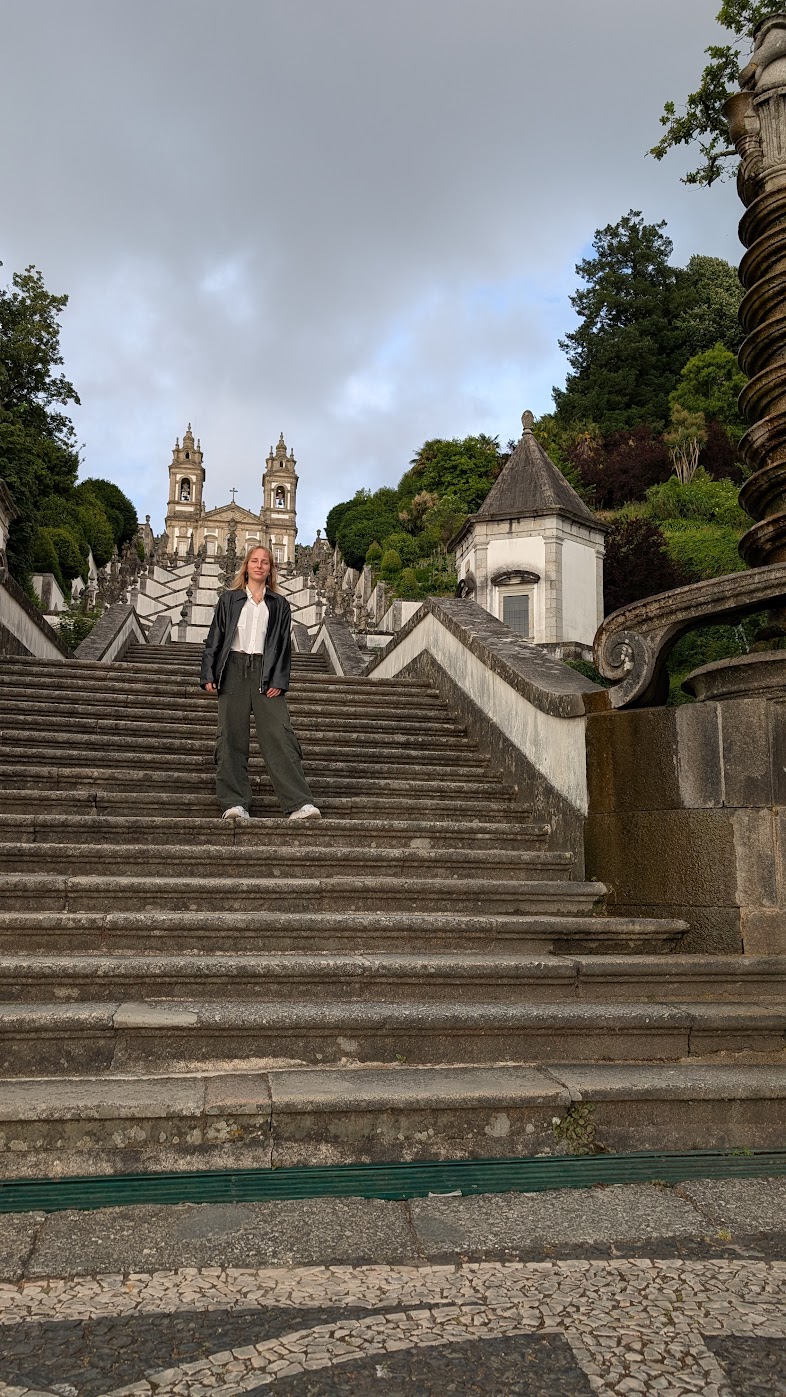
The first apartment I viewed felt right immediately. I especially liked the balcony with its view of Bom Jesus, the Santuário de Nossa Senhora do Sameiro, and the morning sun. The walk to the laboratory took about 25 minutes.

At the beginning of my internship, my main focus was learning cell culture techniques and laboratory routines. I spent a lot of time observing experiments, practising sterile work, and familiarising myself with protocols before gradually working more independently. Lunch breaks were often flexible, as laboratory work does not always allow strict schedules, and meals were frequently shared with colleagues. As my responsibilities increased, I started planning and conducting experiments independently. One challenge was coordinating access to shared equipment, such as biosafety cabinet and analytical instruments, which required careful timing due to limited availability and many parallel projects. On several occasions, experiments required long hours, and I sometimes worked late into the night.

Regular meetings with my supervisor, Dr. Vânia Vilas-Boas, helped to discuss results, troubleshoot issues, and plan next steps. Outside of work, there were frequent team activities, such as cultural events in Braga, farewell dinners for departing colleagues, internal scientific talks, and social events like barbecues or informal gatherings.

Tell us about your research findings during your residency.
The project focused on assessing cytotoxicity and cellular responses following nanoparticle exposure and on gaining hands-on experience in applied toxicological research.
My work involved extensive training in sterile cell culture techniques, routine cell maintenance, and experimental planning. Over the course of my stay, I conducted cytotoxicity screening and performed cellular response assays under different exposure conditions.

I applied several analytical and molecular biology methods, including metabolic activity assays, oxidative stress and lipid peroxidation assays, immunostaining, confocal microscopy, and RT-qPCR. Through this work, I developed a deeper understanding of experimental design, methodological limitations, and data interpretation in nanotoxicology research.

What surprised you the most about your stay abroad?
How quickly I felt integrated into the research team and how welcoming the working environment was. From the beginning, communication was open and supportive. I was also pleasantly surprised by how present public celebrations and cultural traditions were in everyday life, especially in Braga. Throughout the year, there were various local events, processions, and public gatherings tied to holidays and traditional festivities. Seeing the city come alive in this way was something I had not expected and added an interesting cultural dimension to my stay.

What tips would you give to future exchange students?
Many accommodations in Portugal do not have heating, which is something to be aware of, especially during the colder months. Even in March, temperatures can still feel quite cold. Summers can be very hot, and many accommodations do not have air conditioning.

When living in Braga, spontaneous trips to some beaches along the northern coast or to Peneda-Gerês National Park were not always easy without a car.

Portugal is very easy to travel within, and long-distance transport options make it possible to reach many places comfortably and affordably. Since combining intensive thesis work with travelling can be challenging, I would recommend planning some additional time after completing your main workload to explore the country at a more relaxed pace.

Overall, my advice to future exchange students is to plan realistically and remain flexible. Working on a thesis abroad requires good organization, especially when laboratory resources are shared and schedules can be tight.

My project involved many fixed time points over several days, which required careful coordination of experiments and strict adherence to schedules. As laboratory infrastructure such as biosafety cabinets and analytical instruments was shared with other team members working on different projects, good planning and flexibility were essential during intensive experimental phases.

Is there anything else you would like to share?
There were many memorable moments during my stay, mainly because of the people I worked with. I shared many enjoyable experiences with other students and colleagues in the lab, and the team atmosphere was very open and friendly. It was common to wait for each other to have lunch together, talk during breaks, and celebrate farewell dinners when someone finished their internship.

The institute also hosted several social events, such as a summer barbecue and a research symposium at which different groups presented their work. These events encouraged informal exchange between students and researchers and contributed to a relaxed atmosphere. On several occasions, our Nanosafety Group team leader, Dr. Ernesto Alfaro-Moreno, performed with his band, which highlighted the open and informal research culture at the institute. Overall, these activities fostered a welcoming and collaborative working environment.

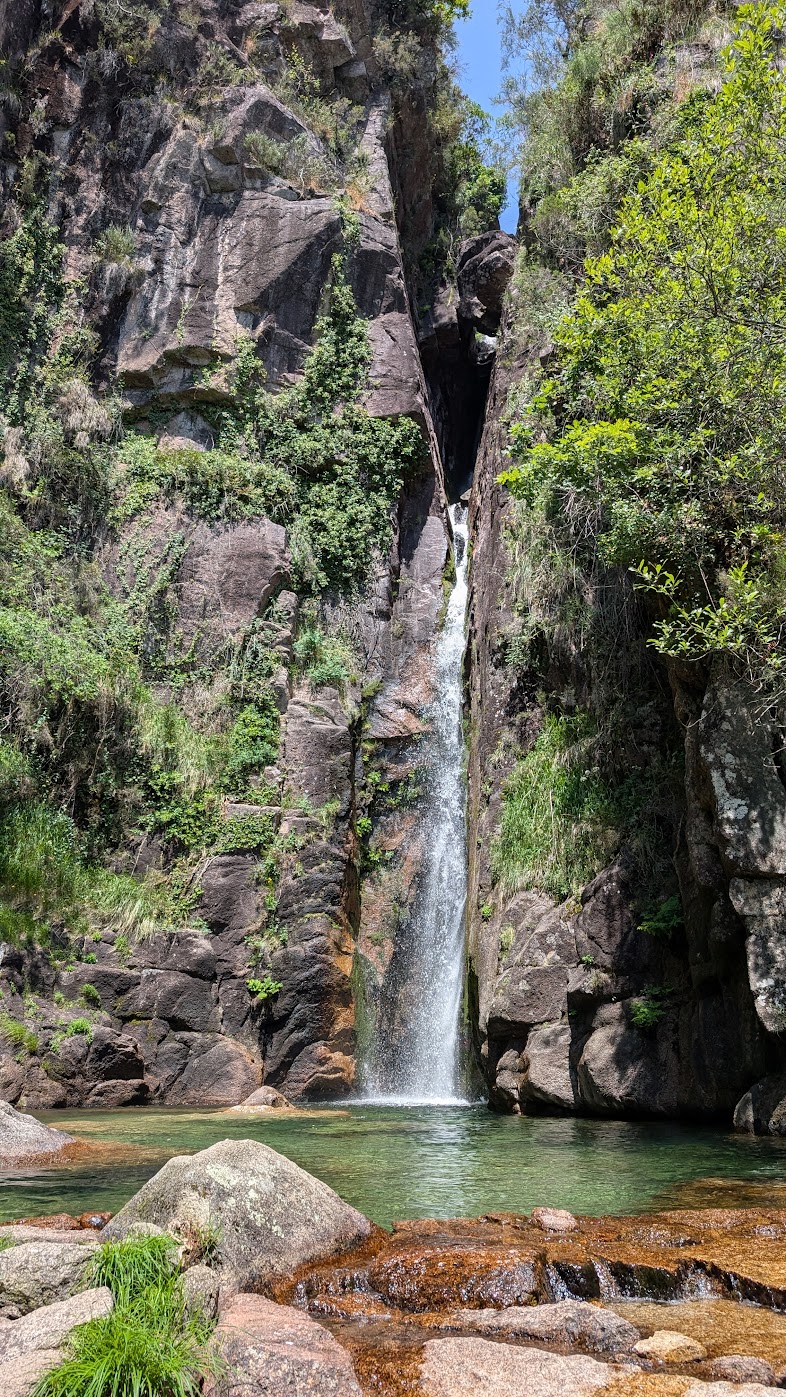
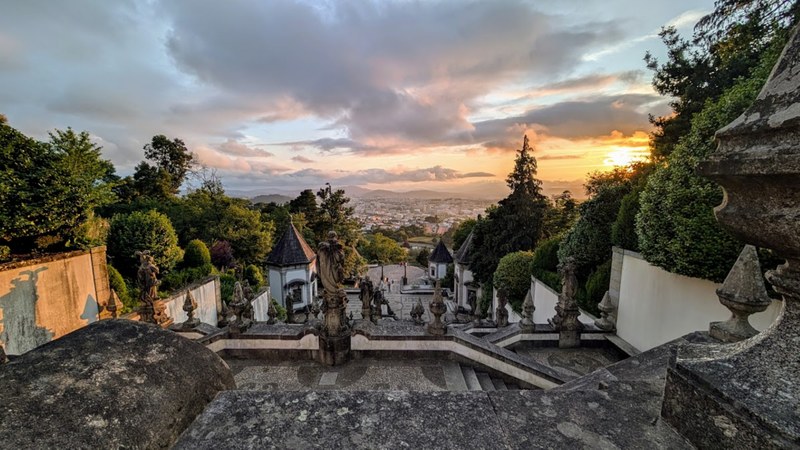
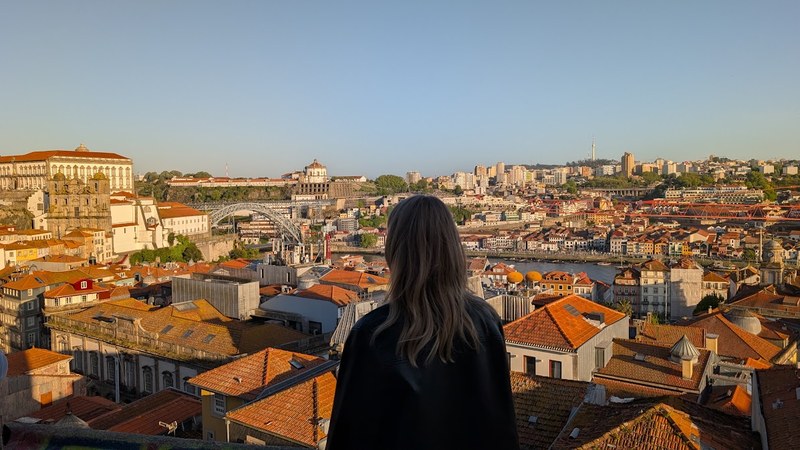
In my free time, I travelled with other students and visited different places in Portugal and nearby Spain. Highlights included spending a weekend in Vigo, visiting Coimbra during the Queima das Fitas celebrations, exploring beaches in northern Portugal, hiking to waterfalls in Peneda-Gerês National Park, and experiencing São João in Porto, complete with fireworks. These experiences made my stay abroad very special and memorable.
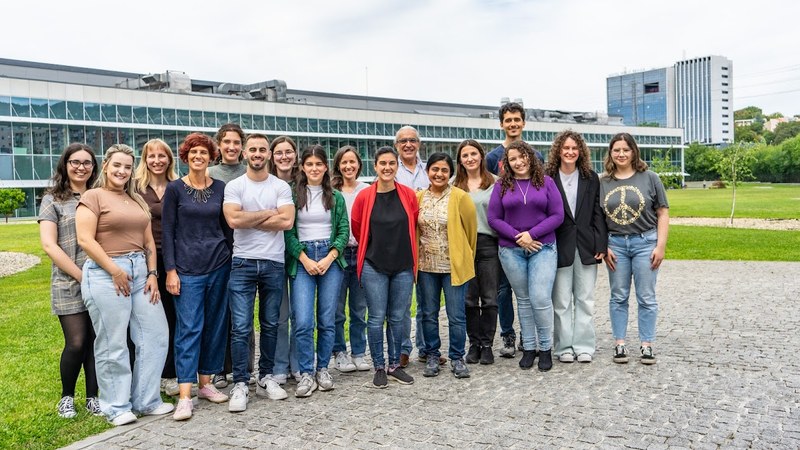
  • INL_Nanosafety_Team2.jpg
  • Bom_Jesus_Staircases_Braga.jpg
  • Cascata_de_Pincaes_Peneda_Geres.jpg
  • Miradou-ro_da_Vitoria_Porto.jpg

Take your chance to study abroad!
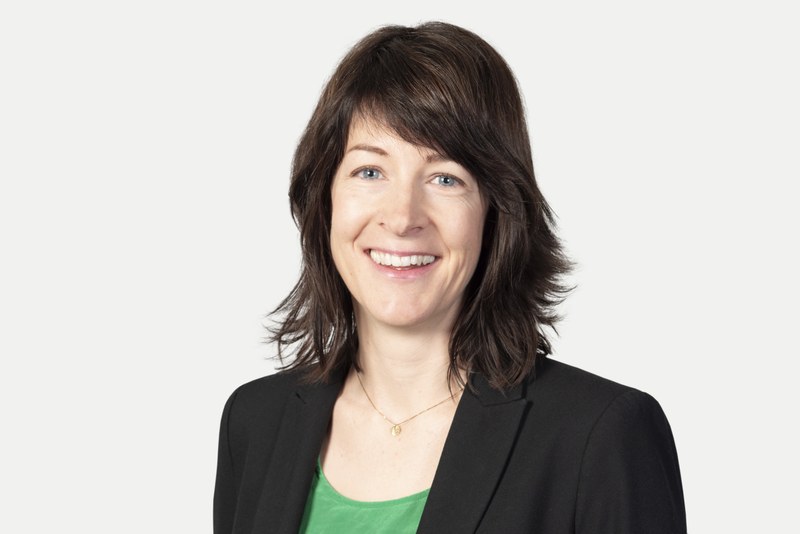
Thinking about a semester abroad or an international thesis? Find all the necessary information for outgoing students here:
DE - Outgoing StudierendeEN - Outgoing Students

Kontakt

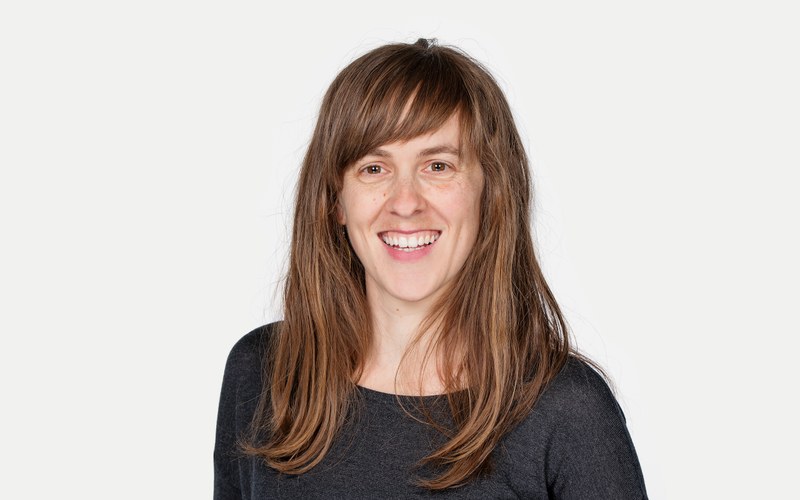
Irina Hauri

Irina Hauri

Leiterin International Office und Weiterbildungsmanagement
Telefon
+41 61 228 50 66
E-Mail
international.lifesciences@fhnw.ch
Sarah Lehmann

Sarah Lehmann

Assistentin International Office
Telefon
+41 61 228 50 66
E-Mail
international.lifesciences@fhnw.ch

Hochschule für
Life Sciences Fachhochschule Nordwestschweiz FHNW

  • Zur Hochschule
    • Hochschule
    • Studium
    • Weiterbildung
    • Forschung
    • Veranstaltungen
  • Social Media
    • Facebook
    • Instagram
    • YouTube
    • LinkedIn
  • Die FHNW
    • Organisation
    • Hochschulen
    • Standorte
    • Bibliothek FHNW
    • Jobs und Karriere
    • Medienkontakte
  • Support
    • IT-Support
    • Inside FHNW
    • Webmail
Logo FHNW - 20 Jahre
Logo Swiss Universities
Logo European University Association
© FHNW Fachhochschule Nordwestschweiz
  • Datenschutz
  • Impressum
  • Accessibility
  • DE