Kristina Boger took the opportunity to do a double degree at Linköping University.
What motivated you to go abroad?
From the beginning of my master’s programme, I already knew that I wanted to spend a semester abroad. For me, studying abroad is a unique opportunity to experience another country in a deeper way – not just as a tourist, but by actually living there, experiencing the culture, and being part of student life. As a student, it’s much easier to spend a longer period abroad, so it felt like the perfect time to do it.
Another motivation was academic. The regular master’s programme only requires 90 ECTS credits, but since I was used to the German system where a master’s degree typically consists of 120 credits, I wanted to reach that amount as well.
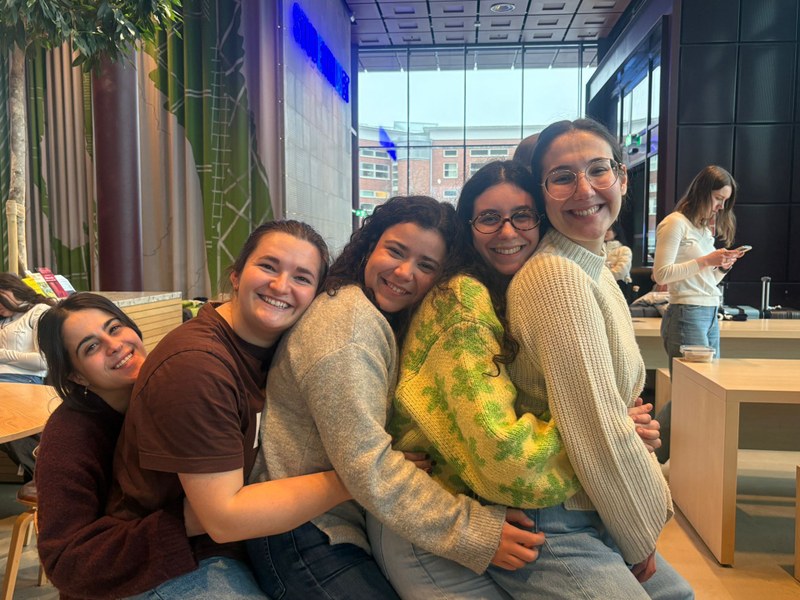
I was also excited about meeting new people – both Swedish students and other exchange students from all over the world. Exchange programmes bring together people from many different countries, which makes it a great opportunity to build international friendships.
In addition, I have been interested in the Nordic countries for quite some time. I was curious to experience their culture, especially the work-life balance they are known for, and of course the unique nature with its many lakes and snowy winters.
Why did you choose your host institution/country?
As a Bioanalytics student, I could choose between two partner universities for my exchange semester: one in Sweden (Linköping) and one in the Czech Republic (Prague), each with different academic focuses.
I ultimately chose Linköping because the courses matched my interests much better and complemented my studies. Student life was another important factor, as the university is known for its strong community and wide range of activities, such as outdoor trips, game nights, and social events.
In addition, I have always been interested in Nordic culture and nature, which made Sweden especially appealing. Finding out that two of my friends were also going to Linköping further confirmed my decision.
What is your everyday life like?
A typical day usually started around 7:30 or 8:00 a.m., depending on when my lectures began. After getting ready, I would head to campus for my first class. During a break, I often grabbed a tea or coffee and a kanelbulle from a small campus shop. I usually spent lunch at Studenthuset with friends - both exchange students and people from my corridor.
In the afternoon, I either had another lecture or stayed to study and work on assignments. Afterwards, I went home, sometimes took a short nap, and occasionally did some grocery shopping.
In the evening, friends from our corridor or nearby buildings often gathered in our kitchen. We cooked and ate together, which was one of the best parts of the day. Later, we often went out - to a student bar, a party, or other events. We usually returned late and ended the day chatting together over tea before going to bed.
Tell us about your research during your residency.
During my exchange semester, laboratory work was only a small part of my courses.
In the course Industrial Enzyme Technology, we had two laboratory sessions. In the first experiment, we investigated the thermal inactivation of the protease thermolysin from Bacillus thermoproteolyticus. Using a resorufin-labelled casein assay, we measured the residual enzyme activity after heating the enzyme at defined temperatures over time. By monitoring how the activity decreased, we were able to determine the inactivation rate and estimate the enzyme’s half-life at different temperatures.In the second experiment, we worked on the immobilization of β-galactosidase in calcium alginate beads. The enzyme was mixed with sodium alginate and dropped into a calcium chloride solution to form beads that trapped the enzyme. These immobilized enzyme beads were then packed into a column, and milk was passed through it to test lactose hydrolysis. The production of glucose in the effluent confirmed that the immobilized enzyme was active and able to convert lactose.
In another course, Biomolecular Disease Processes, we had four laboratory sessions focusing on amyloid formation, where we studied what would favour amyloid formation, the processes involved in protein aggregation and their relevance to disease-related biomolecular mechanisms. We would create amyloids by ourselves and look at them with different kinds of microscopes.
What surprised you the most about your stay abroad?
One of the first things I noticed was that many Swedish people are quite reserved, which can make it harder to get to know them at first. However, they are very polite, respectful, and helpful in everyday situations.
I was also surprised by the short daylight hours in winter - by December, it was already dark again around 3:00 p.m., which was challenging at first. At the same time, I was impressed by how kind and supportive people were, especially the professors, who were very approachable and student-oriented.
Another surprising aspect was how quickly time passed. There is so much to experience, while still keeping up with university work, so the semester felt very short.
Finally, I was amazed at how easily you can build strong friendships during an exchange semester. Sharing the experience of adapting to a new country and culture often leads to deeper connections.
What tips would you give to future exchange students?
My biggest advice: travel as much as you can. Your studies are important, but being in Sweden is a unique opportunity: make the most of it and, if possible, visit neighbouring countries.
Take part in university activities. Linköping offers many events, which are a great way to have fun and meet people. Don’t worry about making friends, there are many exchange students, and the introduction events and student housing make it easy to connect.
Don’t stress about packing. You can buy anything you need in Sweden, many students even get things second-hand. I recommend not bringing bedding or towels and instead buying them after arrival.
Having a bike or using an e-scooter is very helpful, as most students use them to get around. Also, be prepared for cold winter weather and bring warm clothing.
You’ll hardly need cash, as almost everything is paid by card. Finally, be punctual, being on time is very important in Sweden.
Is there anything else you would like to share?
Lapland (Sweden):
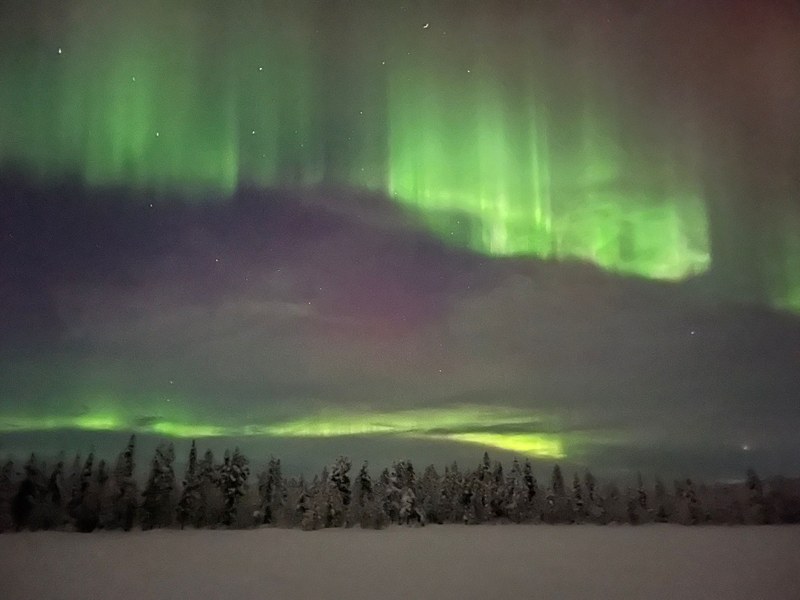
One of the most memorable experiences was a trip to Lapland organized by the student group 90° North. In mid-December, there was almost no daylight, which made the atmosphere truly unique. Highlights included a husky sled ride, a snowmobile tour across frozen lakes, and cross-country skiing in a stunning snowy landscape.
We stayed in a cozy camp with saunas, including one on a frozen lake where we could take ice baths. The absolute highlight was seeing the northern lights: bright green and pink, an unforgettable and magical experience.
Helsinki (Finland):
Another highlight was a weekend trip to Helsinki with friends. We explored the city, visited impressive cathedrals, and experienced a traditional Finnish sauna followed by a swim in the cold sea. We also tried local food, including a delicious fish soup. It was a perfect mix of culture, city life, and time with friends.
Tallinn (Estonia):
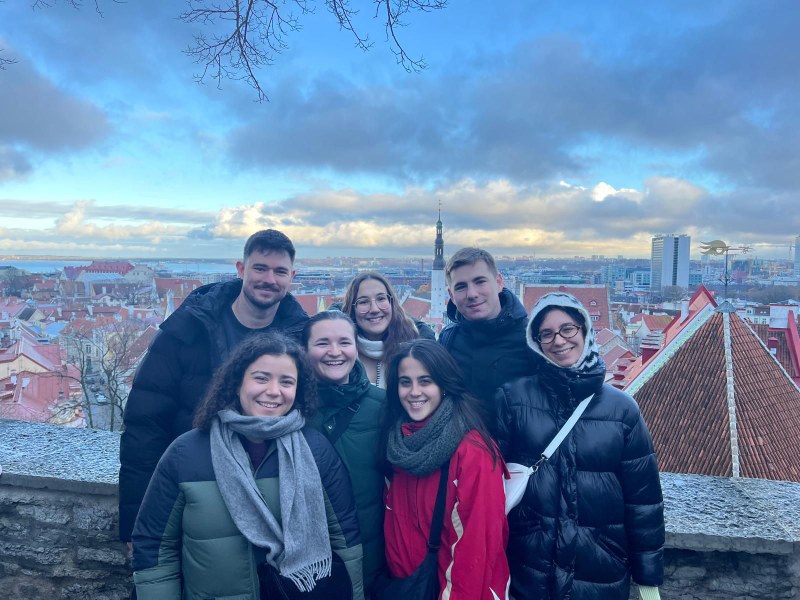
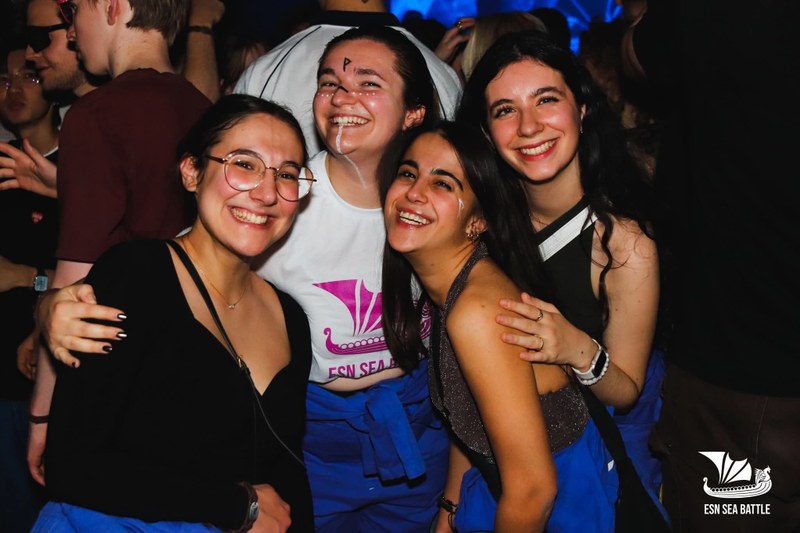
A particularly fun experience was a cruise from Stockholm to Tallinn organized by ESN. The trip included activities, games, and social events on board. In Tallinn, we explored the beautiful old town and local markets.
Sharing a small cabin with friends made the trip even more memorable, it was cramped, but a lot of fun.
I really enjoyed studying in Sweden. You can see how much effort has been put into creating a modern study environment. From the variety of programmes on offer to the close and interactive teaching methods, student activities, and the great Swedish design of the campus, everything is designed to make students feel comfortable and proud of their university. Overall, this results in a sustainable and successful learning concept.
Take your chance to study abroad!