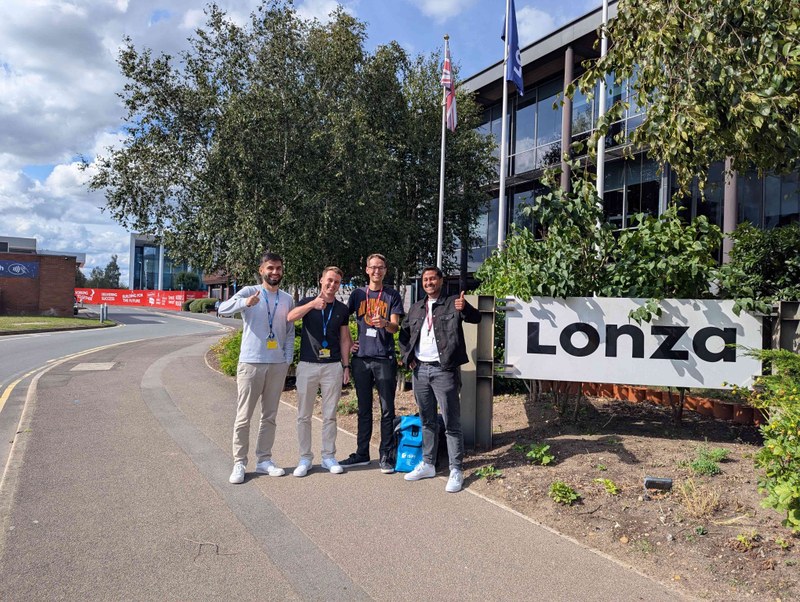
In 2026, Pascal Wächter completed his research at Lonza in the United Kingdom, gaining invaluable industry insights while fully immersing himself in British work and student life.
What made you decide to go abroad?
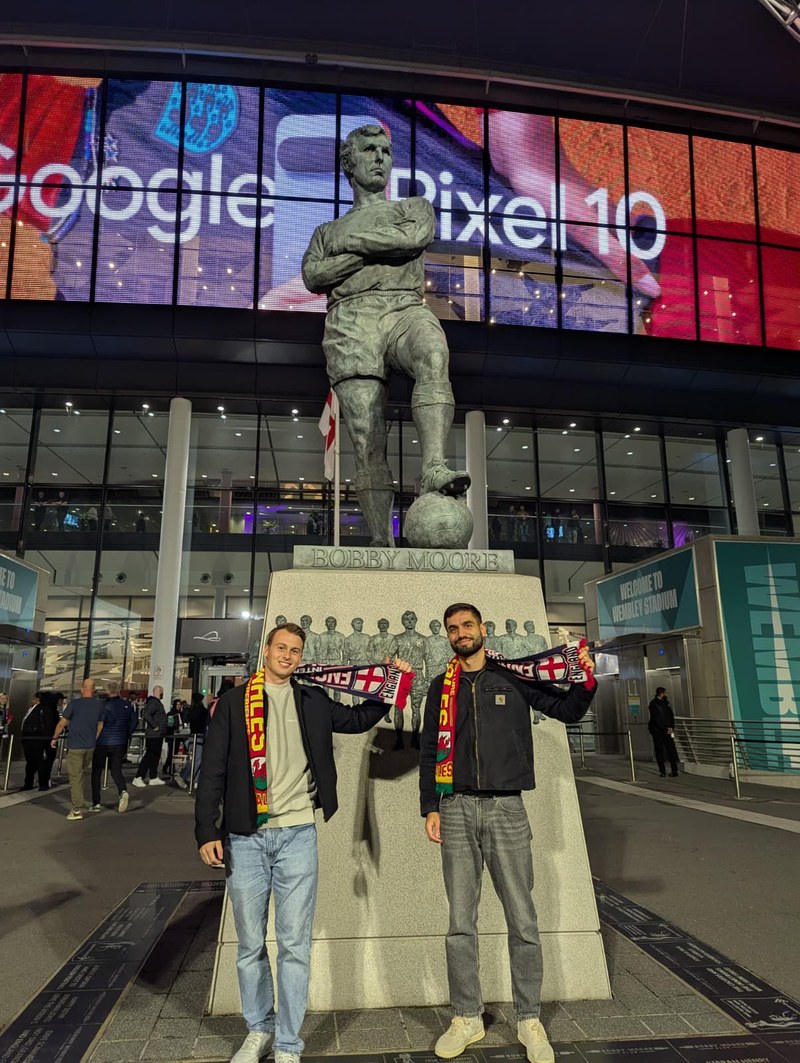
To step out of my comfort zone, to get to know a country I've never been to before, to meet people with very different life experiences, to learn about other cultures, and to improve my English skills. And, ultimately, to take part in the FHNW Lonza collaboration project.
Why did you choose your host institution/country?
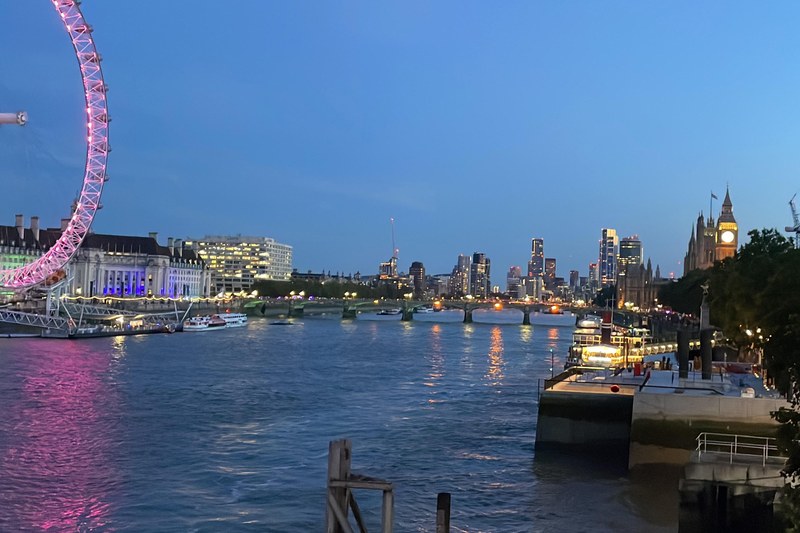
I chose Lonza mainly because there was already a collaboration between the FHNW lab group and Lonza’s R&D department in Slough, UK. I had never been to the UK before and therefore knew the country only from videos and pictures; this exchange was the perfect opportunity to get to know a country and a culture that I hadn't really been familiar with before.
What does a typical day at the host institution look like?
I would take the shuttle bus to Lonza between 8 and 9 a.m. Once there, I would usually go to the office first to get ready for the day. After that, my day typically alternated between the lab, the office, and various meetings to discuss next steps. In the lab, I mainly worked on my own project, so I was able to work quite independently and on my own terms. In the office, I primarily analysed data and planned experiments. Of course, there were also plenty of opportunities throughout the day to take short breaks with my coworkers.
Tell us about your research during your residency.
I worked on upstream bioprocesses, primarily using so-called scale-down models to enable high-throughput experiments. The work mainly involved developing a platform for 96-well perfusion models. This included culturing CHO cells in high-density cultures, automation using liquid-handling robots, and process analytics tailored for high-throughput applications. The developed platform was then used to demonstrate a use case in which a perfusion medium was optimised for a low-expressing cell line to increase process productivity. The evaluation and optimisation were supported and carried out using various machine learning algorithms.
What surprised you the most about your stay abroad?
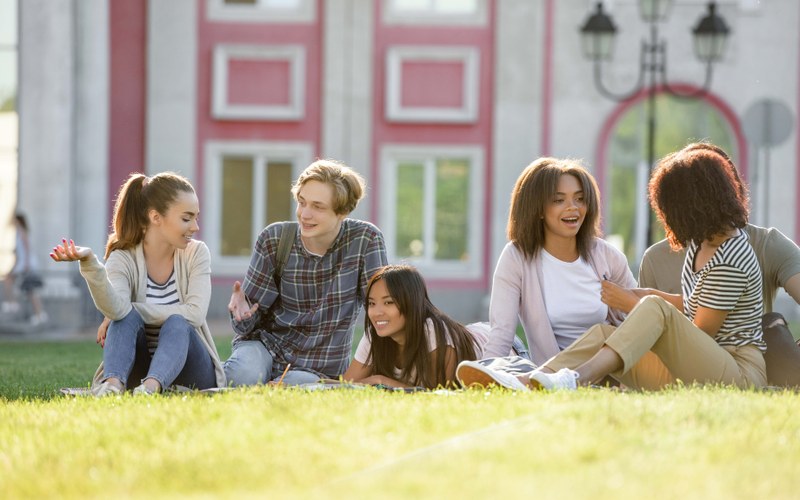
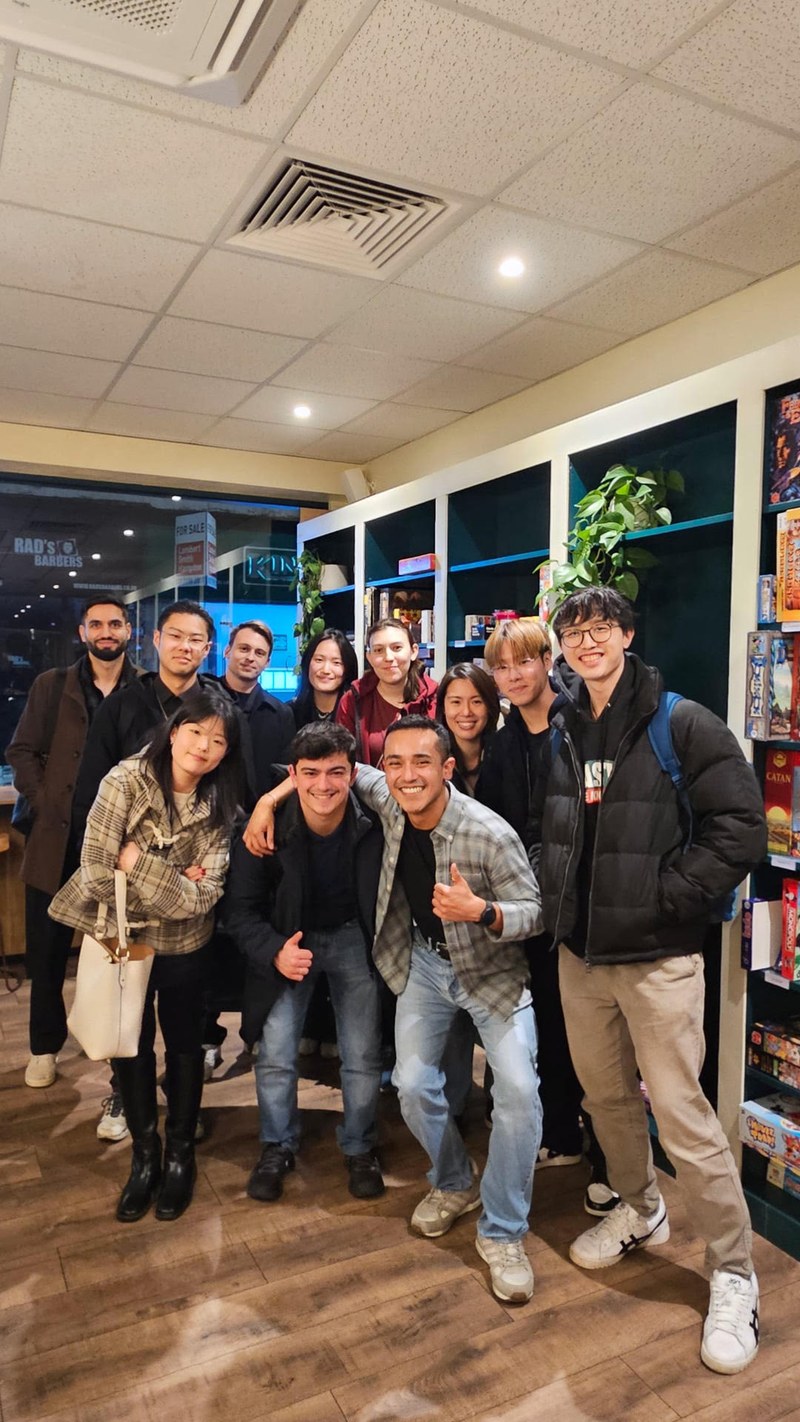
The team I worked on was so young. Almost all of my coworkers had just graduated from college and were therefore the same age as me, which made it very easy to connect with them.
What tips would you give to future exchange students?
I would find out more about exactly where I’m moving—which city or town, and which neighborhood within the city. Since this can be very difficult when you’re not there in person, it’s best to contact someone at the host institution and ask for their opinion.
Are there any special experiences or memorable moments you would like to share?
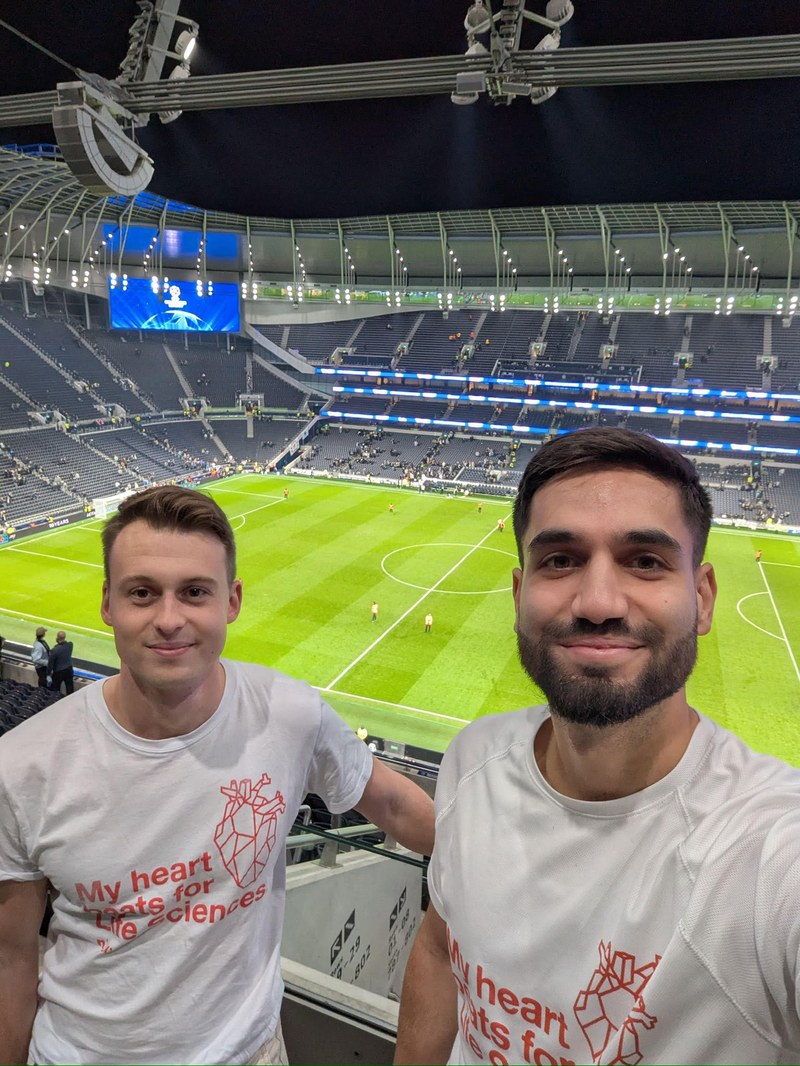
I'll always have fond memories of those evenings when I met up with coworkers at the pub after work and we talked about everything under the sun.
Take your chance to study abroad!