Zu Hauptinhalt springenZur Suche springenZu Hauptnavigation springenZu Footer springen
Logo der Fachhochschule Nordwestschweiz
  • DE
  • EN
  • Startseite

Zehn Hochschulen Ein Ziel

Die FHNW umfasst 10 Hochschulen mit unterschiedlichen Schwerpunkten. Wählen Sie eine Hochschule aus, um deren spezifische Kurse, Studiengänge und Informationen zu sehen.

Angewandte Psychologie

Architektur, Bau und Geomatik

Gestaltung und Kunst

Informatik

Life Sciences

Musik

Pädagogische Hochschule

Soziale Arbeit

Technik und Umwelt

Wirtschaft

  • Studienangebot

    • Alle Studiengänge
    • Bachelor in Life Sciences
    • Master in Life Sciences
    • Master in Medical Informatics
    • Joint Degree Master in Biomedical Engineering
    • Info-Anlässe
  • Rund ums Studium

    • Vorbereitung aufs BSc-Studium
    • Unterstützungsangebote während des Studiums
    • Erfahrungsberichte
    • Studiengeld und Stipendien
    • Digital Life Sciences
  • International studieren

    • Outgoing Studierende
    • Incoming Studierende
    • Double Degree
    • Partnerschulen
    • Erlebnisberichte
    • Buddy-Programm
    • News und Storys
  • Weiterbildungsangebot

    • Alle Weiterbildungen
    • MAS - Master of Advanced Studies
    • DAS - Diploma of Advanced Studies
    • CAS - Certificate of Advanced Studies
    • SAS - Short Advanced Studies
    • Fachseminare
    • Info-Anlässe
  • Weiterbildungen nach Themen

    • Artificial Intelligence und Machine Learning
    • Betriebswirtschaft, Unternehmensführung, Entrepreneurship
    • Biologie und Chemie
    • Data Science und Engineering
    • Diagnostik
    • Digital Industry and Technologies
    • Energie
    • Extended Reality und Immersive Technologies
    • Führung und Teammanagement
    • Gesundheitsförderung und Prävention
    • Konsumverhalten
    • Kreislaufwirtschaft
    • Management in Healthcare
    • Maschinentechnik und Robotik
    • Organisationsentwicklung und Change Management
    • Pharma-, Medizin- und Biotechnologie
    • Prozess- und Projektmanagement
    • Sustainable Business Development, Ressourcenmanagement
    • Umweltmanagement
    • Umweltrecht
    • Umwelttechnologie und Recycling
    • Werkstoffe, Verfahrenstechnik
  • Organisatorisches

    • Beratung
  • Forschung

    • Forschungsfelder
    • Projekte
    • Institute und Kompetenzzentren
  • Zusammenarbeit

    • Process Technology Centre
    • Einrichtungen und Dienstleistungen
    • Tech Transfer Office
    • Studierendenprojekte
  • Internationales

    • International studieren
    • Internationale Forschungsprojekte
  • Neuigkeiten und Einblicke

    • News und Storys
    • Forschungshighlights
    • Medienmitteilungen
  • Veranstaltungen

    • Alle Veranstaltungen
    • Info-Anlässe
    • Forschungsseminare
  • Medienstelle

    • Medienmitteilungen
  • Über die Hochschule für Life Sciences

    • Strategie und Werte
    • Hochschulleitung
    • Mitarbeitende Stab und Services
    • Fachbeirat
    • Personenverzeichnis
    • Diversity und Gleichstellung
    • Nachwuchsförderung
    • Medienstelle
    • Infrastruktur und Campus
  • Institute und Kompetenzzentren

    • Institut für Chemie und Bioanalytik
    • Institut für Ecopreneurship
    • Institut für Medizintechnik und Medizininformatik
    • Institut für Pharmatechnologie und Biotechnologie
    • Zentrum für Ausbildung und Lehre
    • Process Technology Centre
Logo der Fachhochschule Nordwestschweiz
  • Zur Hochschule
    • Hochschule
    • Studium
    • Weiterbildung
    • Forschung
    • Veranstaltungen
  • Social Media
    • Facebook
    • Instagram
    • YouTube
    • LinkedIn
  • Die FHNW
    • Organisation
    • Hochschulen
    • Standorte
    • Bibliothek FHNW
    • Jobs und Karriere
    • Medienkontakte
  • Support
    • IT-Support
    • Inside FHNW
    • Webmail
  • Datenschutz
  • Impressum
  • Accessibility
  • Studienangebot

    • Alle Studiengänge
    • Bachelor in Life Sciences
    • Master in Life Sciences
    • Master in Medical Informatics
    • Joint Degree Master in Biomedical Engineering
    • Info-Anlässe
  • Rund ums Studium

    • Vorbereitung aufs BSc-Studium
    • Unterstützungsangebote während des Studiums
    • Erfahrungsberichte
    • Studiengeld und Stipendien
    • Digital Life Sciences
  • International studieren

    • Outgoing Studierende
    • Incoming Studierende
    • Double Degree
    • Partnerschulen
    • Erlebnisberichte
    • Buddy-Programm
    • News und Storys
  • Weiterbildungsangebot

    • Alle Weiterbildungen
    • MAS - Master of Advanced Studies
    • DAS - Diploma of Advanced Studies
    • CAS - Certificate of Advanced Studies
    • SAS - Short Advanced Studies
    • Fachseminare
    • Info-Anlässe
  • Weiterbildungen nach Themen

    • Artificial Intelligence und Machine Learning
    • Betriebswirtschaft, Unternehmensführung, Entrepreneurship
    • Biologie und Chemie
    • Data Science und Engineering
    • Diagnostik
    • Digital Industry and Technologies
    • Energie
    • Extended Reality und Immersive Technologies
    • Führung und Teammanagement
    • Gesundheitsförderung und Prävention
    • Konsumverhalten
    • Kreislaufwirtschaft
    • Management in Healthcare
    • Maschinentechnik und Robotik
    • Organisationsentwicklung und Change Management
    • Pharma-, Medizin- und Biotechnologie
    • Prozess- und Projektmanagement
    • Sustainable Business Development, Ressourcenmanagement
    • Umweltmanagement
    • Umweltrecht
    • Umwelttechnologie und Recycling
    • Werkstoffe, Verfahrenstechnik
  • Organisatorisches

    • Beratung
  • Forschung

    • Forschungsfelder
    • Projekte
    • Institute und Kompetenzzentren
  • Zusammenarbeit

    • Process Technology Centre
    • Einrichtungen und Dienstleistungen
    • Tech Transfer Office
    • Studierendenprojekte
  • Internationales

    • International studieren
    • Internationale Forschungsprojekte
  • Neuigkeiten und Einblicke

    • News und Storys
    • Forschungshighlights
    • Medienmitteilungen
  • Veranstaltungen

    • Alle Veranstaltungen
    • Info-Anlässe
    • Forschungsseminare
  • Medienstelle

    • Medienmitteilungen
  • Über die Hochschule für Life Sciences

    • Strategie und Werte
    • Hochschulleitung
    • Mitarbeitende Stab und Services
    • Fachbeirat
    • Personenverzeichnis
    • Diversity und Gleichstellung
    • Nachwuchsförderung
    • Medienstelle
    • Infrastruktur und Campus
  • Institute und Kompetenzzentren

    • Institut für Chemie und Bioanalytik
    • Institut für Ecopreneurship
    • Institut für Medizintechnik und Medizininformatik
    • Institut für Pharmatechnologie und Biotechnologie
    • Zentrum für Ausbildung und Lehre
    • Process Technology Centre

Geben Sie einen Suchbegriff ein und suchen Sie nach Weiterbildungen, Studienangeboten, Veranstaltungen, Dokumenten und anderen Inhalten.

Vi­ral vec­tors by day, Rhine swim­ming af­ter work, Hochschule für Life Sciences FHNW

20.10.2026 – Hochschule für Life Sciences


  • Life Sciences
  • Aktuelles
  • Neuigkeiten und Einblicke
  • Alle News und Storys
Alle News und Storys
Header_RD.jpg

For Rodrigo Trinca Paulino, going abroad was never just about adding another research experience to his CV. It was about changing perspectives. About becoming an outsider for a while, discovering a different culture and realising just how much people have in common, wherever they come from.

  • Story

The PhD student in Biomedical Science from Universidade do Algarve spent four months at the FHNW School of Life Sciences (HLS) doing an internship in Biotechnology. He arrived from Brazil with experience in viral vectors and preclinical research; he left with new scientific skills, new connections and a rather Swiss addition to his daily routine: an after-work swim in the Rhine.

More than mountains, chocolate and watches

Switzerland’s reputation had, of course, reached Rodrigo long before he arrived. Mountains, chocolate, watches and spectacular landscapes were all part of the picture. But for a biomedical scientist there was another, much more compelling reason to come to the Basel region.“Basel is surrounded by some of the world’s leading pharmaceutical companies, making the region an important global hub for biotechnology and Life Sciences.”What impressed Rodrigo was not simply the presence of major Life Sciences companies, but how closely research and industry are connected. At the HLS, he saw how this proximity can translate into research, development and active collaboration. And the quality of the research and infrastructure showed him that the HLS is very much at home in this international environment.

A lab where international is simply normal

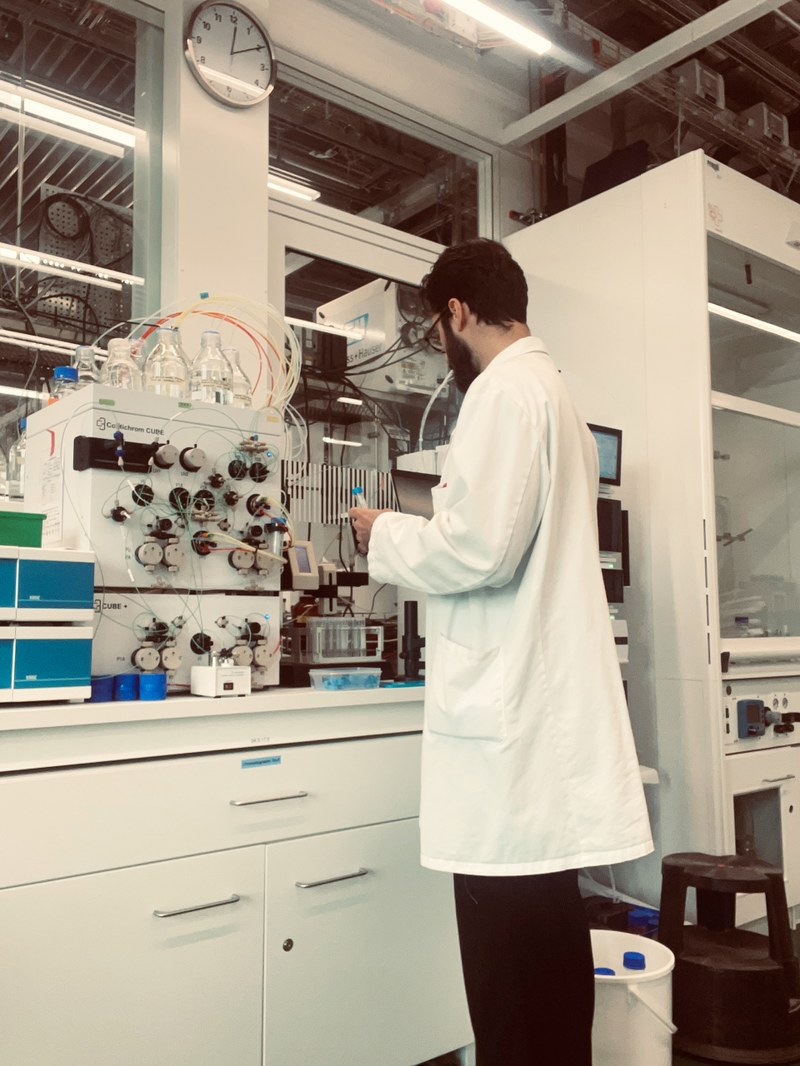
That international outlook is particularly tangible in the laboratories. Rodrigo joined the Bioprocess Laboratory led by Professor Thomas Villiger, where he worked in downstream processing and chromatography. He gained hands-on experience with analytical methods used in the production, isolation and purification of viral vectors for gene therapy.It was a valuable addition to his PhD research. While Rodrigo had already worked with viral vectors in preclinical research, at the HLS he was able to explore aspects of their production and processing that were not readily accessible in his home laboratory.
And the facilities certainly made an impression.
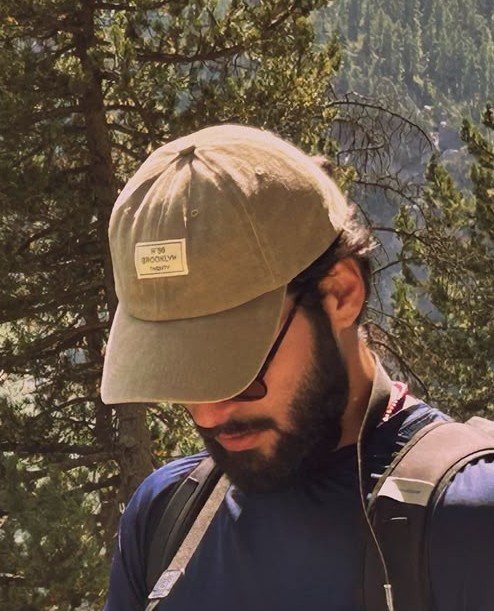
The high-quality equipment, specialised staff, the materials on-hand and the well-organised facilities were among the aspects that most distinguished this experience from what I had encountered previously.
Portrait.jpeg
Rodrigo Trinca Paulino

But an international university is about more than equipment and research standards. Rodrigo found himself working alongside colleagues from Italy, France, Ireland, Spain and elsewhere, so English was the common language. If a conversation changed to German and someone could not follow, the group switched back to English. Swiss German, Rodrigo admits, was not exactly the easiest language for someone from a Latin-speaking country. But it never became a real barrier. Instead, the mix of languages and nationalities helped him settle in.

High-level research, low-key atmosphere

There was another side to the experience that cannot be measured in laboratory equipment or research output.“I felt extremely welcomed by all the members of the group and developed positive relationships that extended beyond the working environment.” For Rodrigo, access to high level international research in an environment where personal connections mattered too, was a combination that made the stay particularly rewarding. The support started even before his first day in the lab. The HLS International Office helped him navigate everything from insurance and legal requirements to finding accommodation and settling into life in Switzerland. Rodrigo describes the whole process as “quite smooth”.

Lab coat off, swimming trunks on

And then there was Basel in the summer. Rodrigo quickly discovered that a working day did not necessarily end when he left the lab. Long summer evenings meant there was still plenty of time for life outside research. “I could train before work in the morning, come to the lab, enjoy the pleasant weather over lunch, and go swimming in the Rhine with my friends in the evening.”
Efficient public transport and the compactness of the city made it surprisingly easy to fit a lot into one day. And although Rodrigo did occasionally miss Brazilian food, even that problem turned out to be manageable. Basel’s Brazilian community, restaurants and events offered unexpected opportunities for a little taste of home.

Weekends were made for exploring

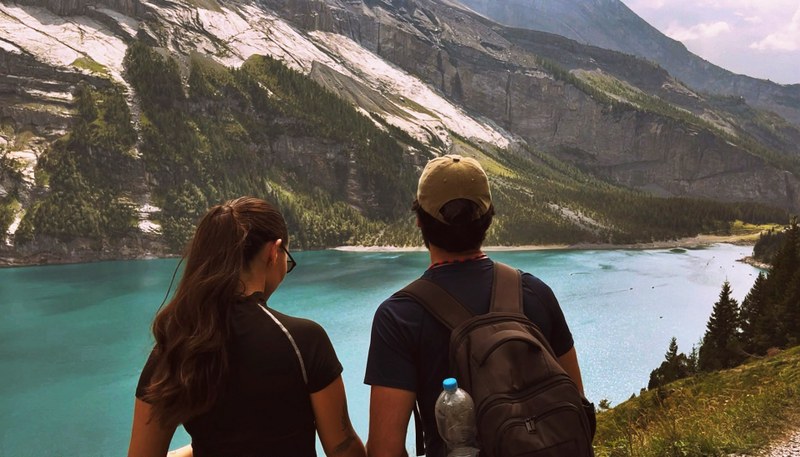
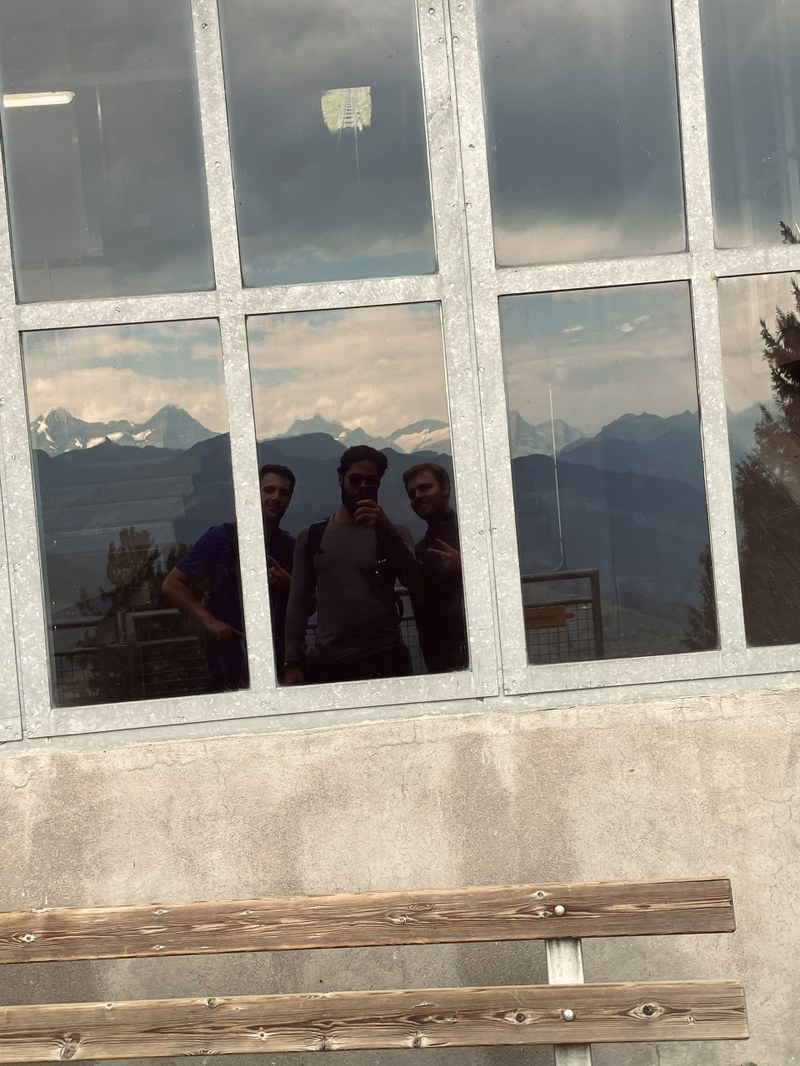
There was one Swiss cliché that turned out to be entirely justified: the spectacular landscape. “We all know about it, but when you see it with your own eyes, it is something else.” Whenever possible, Rodrigo used his weekends to travel and hike. He also found ways of making those trips more affordable; sharing a rental car with friends allowed him to see even more of the country than he had expected.

Come for the experience. Use the opportunities.

Rodrigo’s advice to other international students is simple: do both. Explore the city, travel, meet people and enjoy being somewhere new. But do not overlook what is available academically. At the HLS and in the Basel Life Sciences region, he says, students have highly qualified researchers, excellent infrastructure, research groups and companies in their field on the doorstep. “Use this opportunity to build connections and establish relationships that may prove extremely valuable in the future.” For Rodrigo, those four months were much more than a temporary change of scenery. They broadened his scientific perspective, complemented his PhD training and gave him an insight into a research environment where academia, industry and people from different countries come together naturally. And perhaps that is what an international experience should do: make the world feel bigger at first – and surprisingly small by the time you leave.
  • Inhalt_1.jpg
  • Lab.jpg

Take your chance to study abroad!

Outgoing students
Thinking about a semester abroad or an international thesis? Find all the necessary information for outgoing students here:
DE - Outgoing StudierendeEN - Outgoing students

Contact

Irina Hauri

Irina Hauri

Head of International Office and Continuing Education Management
Telefon
+41 61 228 50 66
E-Mail
international.lifesciences@fhnw.ch
Sarah Lehmann

Sarah Lehmann

Assistant International Office
Telefon
+41 61 228 50 66
E-Mail
international.lifesciences@fhnw.ch

Hochschule für
Life Sciences Fachhochschule Nordwestschweiz FHNW

  • Zur Hochschule
    • Hochschule
    • Studium
    • Weiterbildung
    • Forschung
    • Veranstaltungen
  • Social Media
    • Facebook
    • Instagram
    • YouTube
    • LinkedIn
  • Die FHNW
    • Organisation
    • Hochschulen
    • Standorte
    • Bibliothek FHNW
    • Jobs und Karriere
    • Medienkontakte
  • Support
    • IT-Support
    • Inside FHNW
    • Webmail
Logo FHNW - 20 Jahre
Logo Swiss Universities
Logo European University Association
© FHNW Fachhochschule Nordwestschweiz
  • Datenschutz
  • Impressum
  • Accessibility
  • DE
  • EN