Zu Hauptinhalt springenZur Suche springenZu Hauptnavigation springenZu Footer springen
Logo der Fachhochschule Nordwestschweiz
  • DE
  • EN
  • Startseite

Zehn Hochschulen Ein Ziel

Die FHNW umfasst 10 Hochschulen mit unterschiedlichen Schwerpunkten. Wählen Sie eine Hochschule aus, um deren spezifische Kurse, Studiengänge und Informationen zu sehen.

Angewandte Psychologie

Architektur, Bau und Geomatik

Gestaltung und Kunst

Informatik

Life Sciences

Musik

Pädagogische Hochschule

Soziale Arbeit

Technik und Umwelt

Wirtschaft

  • Studienangebot

    • Alle Studiengänge
    • Bachelor in Life Sciences
    • Master in Life Sciences
    • Master in Medical Informatics
    • Joint Degree Master in Biomedical Engineering
    • Info-Anlässe
  • Rund ums Studium

    • Vorbereitung aufs BSc-Studium
    • Unterstützungsangebote während des Studiums
    • Erfahrungsberichte
    • Studiengeld und Stipendien
    • Digital Life Sciences
  • International studieren

    • Outgoing Studierende
    • Incoming Studierende
    • Double Degree
    • Partnerschulen
    • Erlebnisberichte
    • Buddy-Programm
    • News und Storys
  • Weiterbildungsangebot

    • Alle Weiterbildungen
    • MAS - Master of Advanced Studies
    • DAS - Diploma of Advanced Studies
    • CAS - Certificate of Advanced Studies
    • Module und Seminare
    • Info-Anlässe
  • Weiterbildungen nach Themen

    • Artificial Intelligence und Machine Learning
    • Betriebswirtschaft, Unternehmensführung, Entrepreneurship
    • Biologie und Chemie
    • Data Science und Engineering
    • Diagnostik
    • Digital Industry and Optimisation
    • Digital Transformation and Technologies
    • Energie
    • Extented Reality und Immersive Technologies
    • Führung und Teammanagement
    • Gesundheitsförderung und Prävention
    • Konsumverhalten
    • Kreislaufwirtschaft
    • Management in Healthcare
    • Maschinentechnik und Robotik
    • Organisationsentwicklung und Change Management
    • Pharma-, Medizin- und Biotechnologie
    • Prozess- und Projektmanagement
    • Sustainable Business Development, Ressourcenmanagement
    • Umweltmanagement
    • Umweltrecht
    • Umwelttechnologie und Recycling
    • Werkstoffe, Verfahrenstechnik
  • Organisatorisches

    • Beratung
    • Rechtliches und Bedingungen
  • Forschung

    • Forschungsfelder
    • Projekte
  • Zusammenarbeit

    • Process Technology Centre
    • Dienstleistungen
    • Tech Transfer Office
    • Studierendenprojekte
  • Internationales

    • International studieren
    • Internationale Forschungsprojekte
  • Neuigkeiten und Einblicke

    • News und Storys
    • Forschungshighlights
    • Medienmitteilungen
  • Veranstaltungen

    • Alle Veranstaltungen
    • Info-Anlässe
  • Medienstelle

    • Medienmitteilungen
  • Über die Hochschule für Life Sciences

    • Strategie und Werte
    • Hochschulleitung
    • Mitarbeitende
    • Fachbeirat
    • Personenverzeichnis
    • Diversity und Gleichstellung
    • Nachwuchsförderung
    • Medienstelle
    • Infrastruktur und Campus
  • Institute und Kompetenzzentren

    • Institut für Chemie und Bioanalytik
    • Institut für Ecopreneurship
    • Institut für Medizintechnik und Medizininformatik
    • Institut für Pharmatechnologie und Biotechnologie
    • Zentrum für Ausbildung und Lehre
    • Process Technology Centre
Logo der Fachhochschule Nordwestschweiz
  • Zur Hochschule
    • Hochschule
    • Studium
    • Weiterbildung
    • Forschung
    • Veranstaltungen
  • Social Media
    • Facebook
    • Instagram
    • YouTube
    • LinkedIn
  • Die FHNW
    • Organisation
    • Hochschulen
    • Standorte
    • Bibliothek FHNW
    • Jobs und Karriere
    • Medienkontakte
  • Support
    • IT-Support
    • Inside FHNW
    • Webmail
  • Datenschutz
  • Impressum
  • Accessibility
  • Studienangebot

    • Alle Studiengänge
    • Bachelor in Life Sciences
    • Master in Life Sciences
    • Master in Medical Informatics
    • Joint Degree Master in Biomedical Engineering
    • Info-Anlässe
  • Rund ums Studium

    • Vorbereitung aufs BSc-Studium
    • Unterstützungsangebote während des Studiums
    • Erfahrungsberichte
    • Studiengeld und Stipendien
    • Digital Life Sciences
  • International studieren

    • Outgoing Studierende
    • Incoming Studierende
    • Double Degree
    • Partnerschulen
    • Erlebnisberichte
    • Buddy-Programm
    • News und Storys
  • Weiterbildungsangebot

    • Alle Weiterbildungen
    • MAS - Master of Advanced Studies
    • DAS - Diploma of Advanced Studies
    • CAS - Certificate of Advanced Studies
    • Module und Seminare
    • Info-Anlässe
  • Weiterbildungen nach Themen

    • Artificial Intelligence und Machine Learning
    • Betriebswirtschaft, Unternehmensführung, Entrepreneurship
    • Biologie und Chemie
    • Data Science und Engineering
    • Diagnostik
    • Digital Industry and Optimisation
    • Digital Transformation and Technologies
    • Energie
    • Extented Reality und Immersive Technologies
    • Führung und Teammanagement
    • Gesundheitsförderung und Prävention
    • Konsumverhalten
    • Kreislaufwirtschaft
    • Management in Healthcare
    • Maschinentechnik und Robotik
    • Organisationsentwicklung und Change Management
    • Pharma-, Medizin- und Biotechnologie
    • Prozess- und Projektmanagement
    • Sustainable Business Development, Ressourcenmanagement
    • Umweltmanagement
    • Umweltrecht
    • Umwelttechnologie und Recycling
    • Werkstoffe, Verfahrenstechnik
  • Organisatorisches

    • Beratung
    • Rechtliches und Bedingungen
  • Forschung

    • Forschungsfelder
    • Projekte
  • Zusammenarbeit

    • Process Technology Centre
    • Dienstleistungen
    • Tech Transfer Office
    • Studierendenprojekte
  • Internationales

    • International studieren
    • Internationale Forschungsprojekte
  • Neuigkeiten und Einblicke

    • News und Storys
    • Forschungshighlights
    • Medienmitteilungen
  • Veranstaltungen

    • Alle Veranstaltungen
    • Info-Anlässe
  • Medienstelle

    • Medienmitteilungen
  • Über die Hochschule für Life Sciences

    • Strategie und Werte
    • Hochschulleitung
    • Mitarbeitende
    • Fachbeirat
    • Personenverzeichnis
    • Diversity und Gleichstellung
    • Nachwuchsförderung
    • Medienstelle
    • Infrastruktur und Campus
  • Institute und Kompetenzzentren

    • Institut für Chemie und Bioanalytik
    • Institut für Ecopreneurship
    • Institut für Medizintechnik und Medizininformatik
    • Institut für Pharmatechnologie und Biotechnologie
    • Zentrum für Ausbildung und Lehre
    • Process Technology Centre

Geben Sie einen Suchbegriff ein und suchen Sie nach Weiterbildungen, Studienangeboten, Veranstaltungen, Dokumenten und anderen Inhalten.

  • Life Sciences
  • Über uns
  • Über die Hochschule für Life Sciences FHNW
  • Personenverzeichnis
Personenverzeichnis

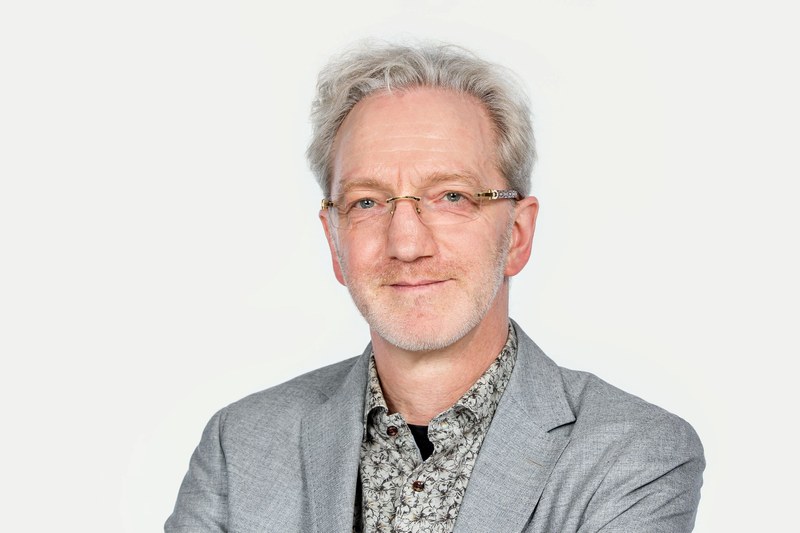
Prof. Dr. Ulrich Siler,

Jobbezeichnung/Tätigkeit der Person
Arbeitsgruppenleiter Gen- und zelltherapeutische Systeme

Ulrich Siler

Kontakt

Telefon
+41 61 228 63 26
E-Mail
ulrich.siler@fhnw.ch

Adresse

School of Life Sciences FHNW
Institute for Pharma Technology and Biotechnology
Hofackerstrasse 30
4132 Muttenz

Eckdaten


Tätigkeiten

  • Dozent für Gen- und zelltherapeutische Systeme

Kompetenzen

Forschungsgruppe

In vivo Gene Delivery

Gene therapy represents a treatment option which allows to correct/compensate for the primary cause of a genetic disease. First clinical success in gene therapy was published in the year 2000. Since then, several gene therapy products such as Imlygic, Strimvelis, Kymriah, Luxturna and Zolgensma have received marketing approval, and others are about to be launched.

In ex vivo gene therapy, target cells are isolated from patient samples, genetically modified under GMP conditions, and then re-transplanted into the patient. In in vivo gene therapy, which targets the eye, brain or muscles for example, infectious particles are injected directly into the patient.

In ex vivo gene therapy, lentiviral vectors enveloped by vesicular stomatitis virus glycoprotein (VSVG) are state-of-the art and are applied ex vivo to target cells with proliferative potential (hematopoietic stem cells, T cells). While ex vivo gene therapy has established proof of principle, it faces an economic challenge: In addition to large-scale GMP-compliant vector production, personalized GMP-compliant ex vivo processing of patient cell increases the overall costs of treatment.

In vivo delivery would significantly reduce the total cost of treatment per patient.
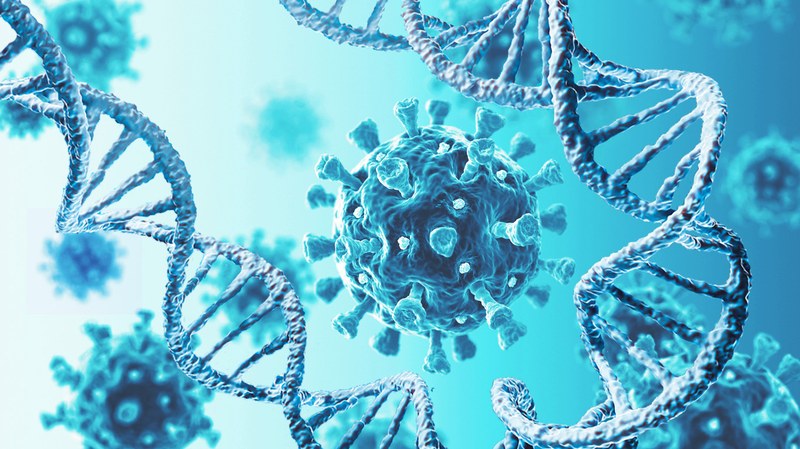
Gen- und zelltherapeutische Systeme

Gentherapievektoren, viraler Partikel, extrazellulärer Vesikel und zelluläre Krankheitsmodelle
Institut
Institut für Pharmatechnologie und Biotechnologie

Review- & Kommissionstätigkeiten

  • Lanini L, Prader S, Siler U, Reichenbach J. Modern management of phagocyte defects. J. Allergy Clin. Immunol., 2017 28: 124-134.
  • Kaufmann KB, Chiriaco M, Siler U, Finocchi A, Reichenbach J, Stein S and Grez M. Gene Therapy for Chronic Granulomatous Disease: Current Status and Future Perspectives. Curr Gene Ther. 2014, 14: 447-60
  • Ott MG, Seger R, Stein S, Siler U, Hoelzer D, Grez M. Advances in the treatment of chronic granulomatous disease by gene therapy. Curr Gene Ther. 2007, 7: 155-61.
  • Stein S, Siler U, Ott MG, Seger R, Grez M. Gene therapy for chronic granulomatous disease. Curr Opin Mol Ther. 2006; 8: 415-22.
  • Siler U, Herzog A, Spitzer V, Seifert N, Denelavas A, Hunziker PB, Barella L, Hunziker W, Lein M, Goralczyk R, Wertz K. Lycopene effects on rat normal prostate and prostate tumor tissue. J Nutr. 2005; 135: 2050S-2S.
  • Wertz K, Siler U, Goralczyk R. Lycopene: mode of action to promote prostate health. Arch. Biochem. Biophys. 2004; 430: 127-134

Book Chapters

  • Siler U, Reichenbach J and Thrasher AJ. (2017) Gene Therapy for CGD, Chapter 12 in Seger RA, Roos D. Segal BH, Kuijpers TW. Chronic Granulomatous Disease: genetics, Biology and Clinical Management. Nova scientific publishers, ISBN # 978-1-53612-498-9
  • Wertz K, Siler U, Barella L & Goralczyk R. (2004) Nutrigenomics in Research on Cancer Prevention, Nutrigenomics uncovers new Modes of Action for Lycopene in Prostate Cancer Prevention. In The Increased Role of Nutrition and Genomics in the Prevention and Management of Desease; ed. Ysbrand Poortman; VSOP, Soestdijk, The Netherlands; Chapter 7, pp. 71-86
  • Goralczyk R. & Siler U. (2003) The role of Lycopene in Human Health. In Phytochemicals in Health and Disease; Bao Y. & Fenwick R. ed. Marcel Decker, Inc.: New York; Chapter 14, pp. 285-309

Laufbahn


Berufliche Laufbahn

Ulrich Siler is lecturer for Gene and Cell Therapeutic Systems at the University of Applied Arts and Sciences Northwestern Switzerland (FHNW) since 2022. With more than 18 years of hands-on experience in the development of retroviral vectors, in pre-clinal GLP-conform animal studies and in clinical gene therapy, his research now focuses now on in vivo gene delivery.

Prior to joining the Institute for Pharmaceutical Technology at FHNW, Ulrich Siler was heading a research lab first at University Children`s Hospital Zürich from 2004 to 2020 and subsequently at University of Zürich, focusing on gene therapy. There he was involved in the first temporarily successful clinical gene therapy trial to cure patients suffering from X-linked Chronic Granulomatous Disease (X-CGD). In parallel, he developed a lentiviral gene therapy vector for the treatment of patients suffering from p47phox-deficient form of CGD, which is nearing clinical application. In 2017, he completed the habilitation process at Medical Faculty of the University of Zürich with his inaugural lecture, which was awarded by the Venia Legendi for Pediatric Immunology, Experimental Immunology and Gene Therapy.

Ulrich Siler graduated in Biochemistry from the University of Tübingen (Germany) in 1997, where he also received his PhD in 2001 for his research on the extracellular matrix of human bone marrow in the working group of Prof. Gerd Klein. After his PhD, Dr. Siler spent three years as postdoctoral researcher at Roche Vitamins Ltd which became DSM Nutritional Products during this time. Thereafter, he left industry and returned to academia in 2004.

Soziale Netzwerke

  • LinkedIn
  • Researchgate
  • ORCID

Unterricht


Lehrtätigkeit

  • Master: Gene and Cell Therapeutic Systems

Institutional Repository


Publikationen, Projekte und Präsentationen

Alle Publikationen

Hochschule für
Life Sciences Fachhochschule Nordwestschweiz FHNW

  • Zur Hochschule
    • Hochschule
    • Studium
    • Weiterbildung
    • Forschung
    • Veranstaltungen
  • Social Media
    • Facebook
    • Instagram
    • YouTube
    • LinkedIn
  • Die FHNW
    • Organisation
    • Hochschulen
    • Standorte
    • Bibliothek FHNW
    • Jobs und Karriere
    • Medienkontakte
  • Support
    • IT-Support
    • Inside FHNW
    • Webmail
Logo FHNW - 20 Jahre
Logo Swiss Universities
Logo European University Association
© FHNW Fachhochschule Nordwestschweiz
  • Datenschutz
  • Impressum
  • Accessibility
  • DE
  • EN