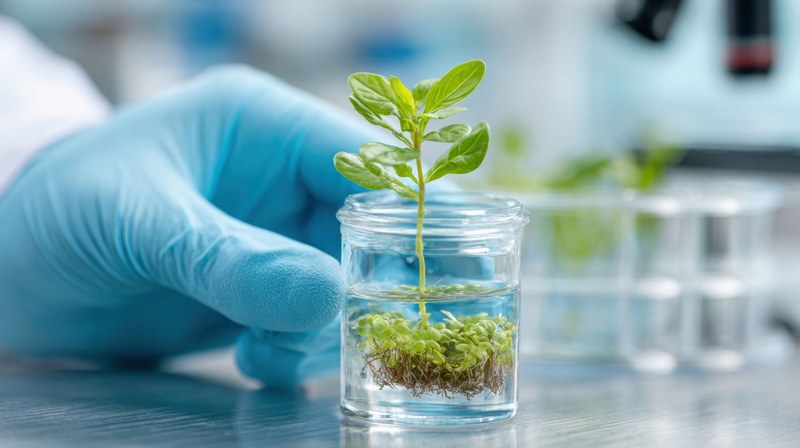
From linear waste to a circular ecosystem. Laboratories are highly resource-intensive, and integrating sustainability within strict GMP, ISO, and biosafety frameworks requires specialized expertise. This programme bridges the gap. Bring your own corporate challenge to the course and build a real-world, data-backed transition plan. Guided by experts from life sciences, you will learn to reduce single-use plastic waste, optimize thermal upcycling, and implement circular tools: From Life Cycle Assessment (LCA) down to the daily pipette tip. Turn sustainability into action!
Financial Support from BaselCircular
Steckbrief
- Abschluss
- Certificate of Advanced Studies FHNW Circular Economy for Laboratories
- Lernsetting
- Präsenz
- ECTS-Punkte
- 15
- Nächster Start
- 19.2.2027
- Dauer
- 18 days
- Durchführungssprache
- English and German
- Durchführungsort
- FHNW Campus Muttenz
- Preis
- CHF 7 900 (Early Bird)*
Auf einen Blick
- Regulated Circularity: Learn how to implement circular strategies in highly regulated environments while balancing sustainability goals with GMP, ISO, biosafety, and operational requirements.
- Real-World Impact: Work on real-world challenges from leading life science organizations and develop solutions that can be directly applied in your own laboratory or organization.
- Data-Driven Decisions: Acquire practical tools to identify cost savings, reduce resource consumption, and build compelling business cases using life-cycle assessment and life-cycle costing methods.
- Interdisciplinary Network: Expand your professional network by collaborating with laboratory operators, sustainability experts, manufacturers, planners, and industry partners across the life sciences ecosystem.
Ziele und Nutzen
Upon completing the CAS programme, you will be able to:
- Transform laboratory environments: Evaluate resource flows and identify opportunities to transition into circular systems while maintaining compliance, safety, and quality standards.
- Implement circular strategies: Develop and implement Circular Economy strategies that reduce resource consumption, minimize waste, and support organizational sustainability and ESG objectives.
- Master data-driven decision: Apply tools such as Life Cycle Assessment (LCA), Life Cycle Costing (LCC), and laboratory-specific sustainability metrics to back your evidence-based decisions with solid data.
- Develop business cases: Quantify potential environmental benefits, financial payback, resource efficiencies, and operational impacts to justify suitable investments to financial decision-makers.
- Lead interdisciplinary collaboration: Align and coordinate diverse stakeholders - including science, procurement, facility management, sustainability leads, and finances - to drive successful transformation initiatives.
- Deploy your circular transition plan: Design a practical, ready-to-use sustainability blueprint for your own organisation, utilizing models like shared laboratory infrastructure to optimise resources and reduce operational costs.
Assessment
- Practical-based group project: You will work in a team of 3-4 peers to solve a real-world laboratory challenge, developing a pitch-ready business case.
- Oral examination: A structured discussion/oral examination to reflect on your project outcomes and verify your specialized expertise.
The CAS programme can count towards the MAS Nachhaltigkeit und Umweltinnovation
Weiterführendes Programm

MAS Nachhaltigkeit und Umweltinnovation
Zielpublikum
This programme is designed for those driving sustainability and circular transformation in life science laboratory environments.
- Lab operations & management: You manage laboratory operations or operational excellence and want to systematically improve resource efficiency, sustainability, and performance.
- Sustainability & procurement experts: You work in Environmental, Social and Governance (ESG), sustainability, or procurement, and are looking for actionable, data-backed strategies to implement circular solutions in practice.
- Planners & facility managers: You are involved in the planning, engineering, operation, or modernization of laboratories and want to align sustainability with compliance and business objectives.
- Life science sector: You operate within the pharmaceutical, biotech, medtech, healthcare, or research sector and want to actively lead the transition towards more sustainable laboratory systems.
- Industry providers & consultants: You support laboratories as a consultant, specialized planner, manufacturer, or service provider and want to develop circular products, services, and innovative business models.
Aufbau und Inhalte
From foundational concepts to hands-on implementation, this programme equips you with the knowledge and tools to drive circular transformation in your laboratory. Three modules, connect theory with practice through integrated industry excursions to inspire actionable solutions.
- In Module 1, you will build a strong foundation in Circular Economy principles for laboratories and learn how to measure sustainability using tools such as Life Cycle Assessment (LCA), Life Cycle Costing (LCC), and lab-specific KPIs. You will learn how to turn sustainability data into clear decision-making tools and business cases including business models for shared laboratories and equipment.
- In Module 2, you will focus on laboratory infrastructure and design and translate sustainability insights into infrastructure solutions. You will learn how to develop circular, flexible, and resource-efficient lab environments, including energy systems, utilities, and digital tools such as BIM and digital twins, while ensuring compliance and operational reliability.
- In Module 3, you will move into implementation and daily operations. You will learn how to manage circular resource flows, redesign procurement and supply chains, and drive behavioural and organisational change to make circularity part of everyday lab practice.
Across all modules, you will work on real-life cases from the life sciences sector and continuously develop your own Circular Transition Plan, which you will apply directly to your organisation.
Module 1: Circular Economy, Life Cycle Assessment & Laboratory Sustainability
Module 2: Sustainable Laboratory Design & Circular Infrastructure
Module 3: Circular Laboratory Operations & Resource Management
Voraussetzungen und Zulassung
The following programme admission requirements apply:
- Tertiary A: Higher education qualification (at least a Bachelor's degree) and at least 2 years’ practical experience relevant to the programme,
- Tertiary B: Colleges of Higher Education Diploma (HF), Advanced Federal Diploma of Higher Education (HFP) or Federal Diploma Higher Education (BP), and at least 5 years’ practical experience relevant to the programme,
- Individuals without a Tertiary A or B qualification may be admitted if they cumulatively meet the following admission criteria:
- at least 10 years’ professional experience in a field relevant to the programme, of which at least 5 years in a managerial or senior specialist role
- additional qualifications (various non-formal, extensive further training courses or partial completion (>50%) of a tertiary qualification)
- evidence of knowledge of academic work or a willingness to acquire this in advance.
Organisatorisches
Unterrichtsform
Preis
Zeitplan
Rechtliche Bedingungen
Beratung und Info-Anlässe
Kontakt
Info-Anlässe
Loading...
Anmeldung
CAS Circular Economy for Laboratories
- Datum
- 19.2.2027
- Ort
- FHNW Campus Muttenz
- Kursleitung
- Dr. Lucy Kind
- Anmeldeschluss
- 11.12.2026