Zu Hauptinhalt springenZur Suche springenZu Hauptnavigation springenZu Footer springen
Logo der Fachhochschule Nordwestschweiz
  • DE
  • EN
  • Startseite

Zehn Hochschulen Ein Ziel

Die FHNW umfasst 10 Hochschulen mit unterschiedlichen Schwerpunkten. Wählen Sie eine Hochschule aus, um deren spezifische Kurse, Studiengänge und Informationen zu sehen.

Hochschule für Angewandte Psychologie FHNW

Angewandte Psychologie

Hochschule für Architektur, Bau und Geomatik FHNW

Architektur, Bau und Geomatik

Hochschule für Gestaltung und Kunst Basel

Gestaltung und Kunst

Hochschule für Informatik FHNW

Informatik

Hochschule für Life Sciences FHNW

Life Sciences

Hochschule für Musik Basel

Musik

Pädagogische Hochschule FHNW

Pädagogische Hochschule

Hochschule für Soziale Arbeit FHNW

Soziale Arbeit

Hochschule für Technik und Umwelt FHNW

Technik und Umwelt

Hochschule für Wirtschaft FHNW

Wirtschaft

  • Studienangebot

    • Alle Studiengänge
    • Bachelor in Life Sciences
    • Master in Life Sciences
    • Master in Medical Informatics
    • Joint Degree Master in Biomedical Engineering
    • Info-Anlässe
  • Rund ums Studium

    • Vorbereitung aufs BSc-Studium
    • Unterstützungsangebote während des Studiums
    • Erfahrungsberichte
    • Studiengeld und Stipendien
    • Digital Life Sciences
  • International studieren

    • Outgoing Studierende
    • Incoming Studierende
    • Double Degree
    • Partnerschulen
    • Erlebnisberichte
    • Buddy-Programm
    • News und Storys
  • Weiterbildungsangebot

    • Alle Weiterbildungen
    • MAS - Master of Advanced Studies
    • DAS - Diploma of Advanced Studies
    • CAS - Certificate of Advanced Studies
    • SAS - Short Advanced Studies
    • Fachseminare
    • Info-Anlässe
  • Weiterbildungen nach Themen

    • Artificial Intelligence und Machine Learning
    • Betriebswirtschaft, Unternehmensführung, Entrepreneurship
    • Biologie und Chemie
    • Data Science und Engineering
    • Diagnostik
    • Digital Industry and Technologies
    • Energie
    • Extended Reality und Immersive Technologies
    • Führung und Teammanagement
    • Gesundheitsförderung und Prävention
    • Konsumverhalten
    • Kreislaufwirtschaft
    • Management in Healthcare
    • Maschinentechnik und Robotik
    • Organisationsentwicklung und Change Management
    • Pharma-, Medizin- und Biotechnologie
    • Prozess- und Projektmanagement
    • Sustainable Business Development, Ressourcenmanagement
    • Umweltmanagement
    • Umweltrecht
    • Umwelttechnologie und Recycling
    • Werkstoffe, Verfahrenstechnik
  • Organisatorisches

    • Beratung
  • Forschung

    • Forschungsfelder
    • Projekte
    • Institute und Kompetenzzentren
  • Zusammenarbeit

    • Process Technology Centre
    • Dienstleistungen
    • Tech Transfer Office
    • Studierendenprojekte
  • Internationales

    • International studieren
    • Internationale Forschungsprojekte
  • Neuigkeiten und Einblicke

    • News und Storys
    • Forschungshighlights
    • Medienmitteilungen
  • Veranstaltungen

    • Alle Veranstaltungen
    • Info-Anlässe
    • Forschungsseminare
  • Medienstelle

    • Medienmitteilungen
  • Über die Hochschule für Life Sciences

    • Strategie und Werte
    • Hochschulleitung
    • Mitarbeitende Stab und Services
    • Fachbeirat
    • Personenverzeichnis
    • Diversity und Gleichstellung
    • Nachwuchsförderung
    • Medienstelle
    • Infrastruktur und Campus
  • Institute und Kompetenzzentren

    • Institut für Chemie und Bioanalytik
    • Institut für Ecopreneurship
    • Institut für Medizintechnik und Medizininformatik
    • Institut für Pharmatechnologie und Biotechnologie
    • Zentrum für Ausbildung und Lehre
    • Process Technology Centre
Logo der Fachhochschule Nordwestschweiz
  • Zur Hochschule
    • Hochschule
    • Studium
    • Weiterbildung
    • Forschung
    • Veranstaltungen
  • Social Media
    • Facebook
    • Instagram
    • YouTube
    • LinkedIn
  • Die FHNW
    • Organisation
    • Hochschulen
    • Standorte
    • Bibliothek FHNW
    • Jobs und Karriere
    • Medienkontakte
  • Support
    • IT-Support
    • Inside FHNW
    • Webmail
  • Datenschutz
  • Impressum
  • Accessibility
  • Studienangebot

    • Alle Studiengänge
    • Bachelor in Life Sciences
    • Master in Life Sciences
    • Master in Medical Informatics
    • Joint Degree Master in Biomedical Engineering
    • Info-Anlässe
  • Rund ums Studium

    • Vorbereitung aufs BSc-Studium
    • Unterstützungsangebote während des Studiums
    • Erfahrungsberichte
    • Studiengeld und Stipendien
    • Digital Life Sciences
  • International studieren

    • Outgoing Studierende
    • Incoming Studierende
    • Double Degree
    • Partnerschulen
    • Erlebnisberichte
    • Buddy-Programm
    • News und Storys
  • Weiterbildungsangebot

    • Alle Weiterbildungen
    • MAS - Master of Advanced Studies
    • DAS - Diploma of Advanced Studies
    • CAS - Certificate of Advanced Studies
    • SAS - Short Advanced Studies
    • Fachseminare
    • Info-Anlässe
  • Weiterbildungen nach Themen

    • Artificial Intelligence und Machine Learning
    • Betriebswirtschaft, Unternehmensführung, Entrepreneurship
    • Biologie und Chemie
    • Data Science und Engineering
    • Diagnostik
    • Digital Industry and Technologies
    • Energie
    • Extended Reality und Immersive Technologies
    • Führung und Teammanagement
    • Gesundheitsförderung und Prävention
    • Konsumverhalten
    • Kreislaufwirtschaft
    • Management in Healthcare
    • Maschinentechnik und Robotik
    • Organisationsentwicklung und Change Management
    • Pharma-, Medizin- und Biotechnologie
    • Prozess- und Projektmanagement
    • Sustainable Business Development, Ressourcenmanagement
    • Umweltmanagement
    • Umweltrecht
    • Umwelttechnologie und Recycling
    • Werkstoffe, Verfahrenstechnik
  • Organisatorisches

    • Beratung
  • Forschung

    • Forschungsfelder
    • Projekte
    • Institute und Kompetenzzentren
  • Zusammenarbeit

    • Process Technology Centre
    • Dienstleistungen
    • Tech Transfer Office
    • Studierendenprojekte
  • Internationales

    • International studieren
    • Internationale Forschungsprojekte
  • Neuigkeiten und Einblicke

    • News und Storys
    • Forschungshighlights
    • Medienmitteilungen
  • Veranstaltungen

    • Alle Veranstaltungen
    • Info-Anlässe
    • Forschungsseminare
  • Medienstelle

    • Medienmitteilungen
  • Über die Hochschule für Life Sciences

    • Strategie und Werte
    • Hochschulleitung
    • Mitarbeitende Stab und Services
    • Fachbeirat
    • Personenverzeichnis
    • Diversity und Gleichstellung
    • Nachwuchsförderung
    • Medienstelle
    • Infrastruktur und Campus
  • Institute und Kompetenzzentren

    • Institut für Chemie und Bioanalytik
    • Institut für Ecopreneurship
    • Institut für Medizintechnik und Medizininformatik
    • Institut für Pharmatechnologie und Biotechnologie
    • Zentrum für Ausbildung und Lehre
    • Process Technology Centre

Geben Sie einen Suchbegriff ein und suchen Sie nach Weiterbildungen, Studienangeboten, Veranstaltungen, Dokumenten und anderen Inhalten.

  • Life Sciences
  • Weiterbildung
  • Weiterbildungsangebot
  • Weiterbildungen
Weiterbildungen

SAS Circular Laboratory Operations & Resource Management, Hochschule für Life Sciences FHNW

Hochschule für Life Sciences


  • Steckbrief
  • Ziele und Nutzen
  • Zielpublikum
  • Aufbau und Inhalte
  • Voraussetzungen und Zulassung
  • Organisatorisches
  • Beratung und Info-Anlässe
  • Anmeldung

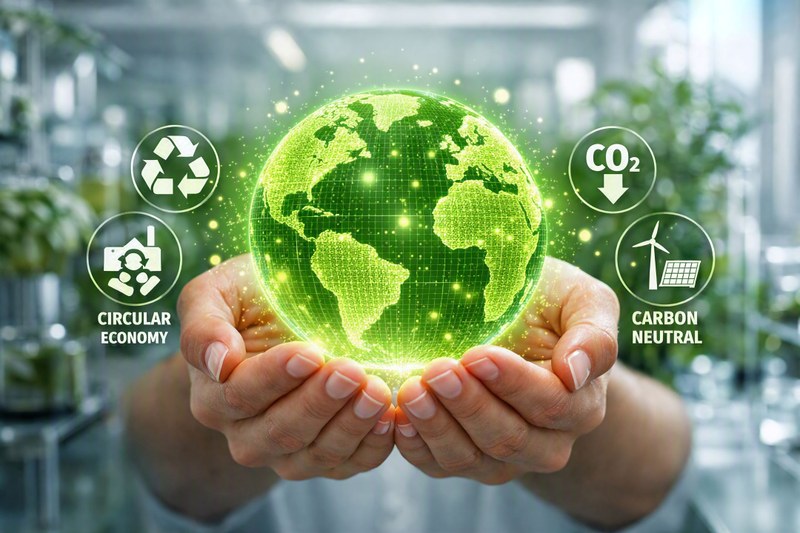
Implementing circularity within daily laboratory operations and culture. Translating technical knowledge into measurable organizational practice requires a profound understanding of human factor, supply chain logistics, and operational governance. This specialized advanced short programme focuses on the operational integration of circularity into existing laboratory cultures without compromising safety and research priorities.
You will learn to manage resource flows, redesign procurement and supply chains, reduce laboratory waste, and embed sustainability into daily operations. Develop practical approaches to foster a culture of efficiency through behavioural change, improve operational performance, and achieve measurable environmental and business benefits.
sas-circular-laboratory-operations-resource-management-hls-fhnw.jpg

Steckbrief

Abschluss
Module Certificate for Short Advanced Studies (Microcredential) FHNW 
Lernsetting
Präsenz
ECTS-Punkte
4
Nächster Start
28.5.2027
Dauer
5 days
Durchführungssprache
English and German
Durchführungsort
FHNW Campus Muttenz
Preis
CHF 2 600

Auf einen Blick

  • Translate technical knowledge into daily workplace practices, overcoming the traditional mindset of “Science first, Sustainability second”.
  • Explore circular supply chains, sustainable laboratory procurement, and resource management approaches to systematically improve operational efficiency.
  • Understand how the 10R-strategies, compliant waste management, and circular consumables lifecycle concepts support sustainable laboratory practices.
  • Discover how behavioural change, organizational psychology, and targeted nudging campaigns contribute to successful circular transformation.
  • Learn how real-time KPI dashboards, benchmarking frameworks, and continuous performance tracking are used to measure and visualize environmental progress.

Ziele und Nutzen

After completing the SAS, you will be able to:

  • Understand how Circular Economy strategies can be integrated in daily laboratory operations to drive a compliant and efficient organizational transition.
  • Optimise resource flows, procurement processes, and material supply chains by advanced vendor selection and green purchasing protocols.
  • Apply circular R-strategies and advanced logistics to laboratory waste management, consumables lifecycle, and take-back systems while maintaining full regulatory compliance.
  • Develop practical change management approaches and nudging campaigns to foster an organisational sustainability culture and overcome traditional mindsets.
  • Use laboratory KPIs, dashboards, and benchmarking methods to measure progress and support continuous institutional improvement.

Zielpublikum

This programme is designed for those driving sustainability and circular transformation in life science laboratory environments.

  • Lab Operations & Management: You manage laboratory operations or operational excellence and want to systematically improve resource efficiency, sustainability, and performance.
  • Sustainability & Procurement Experts: You work in Environmental, Social and Governance (ESG), sustainability, or procurement, and are looking for actionable, data-backed strategies to implement circular solutions in practice.
  • Planners & Facility Managers: You are involved in the planning, engineering, operation, or modernization of laboratories and want to align sustainability with compliance and business objectives.
  • Life Science Sector: You operate within the pharmaceutical, biotech, medtech, healthcare, or research sector and want to actively lead the transition towards more sustainable laboratory systems.
  • Industry Providers & Consultants: You support laboratories as a consultant, specialized planner, manufacturer, or service provider and want to develop circular products, services, and innovative business models.

Aufbau und Inhalte

This intensive 5-day SAS-program focuses on the “Human Factor” and operational integration, serving as the final component of the CAS Circular Economy for Laboratories and includes an excursion.

This module shifts the focus to daily laboratory routines, resource cycles, and human factors. You will learn to manage real material flows, optimize the scientific supply chain, and implement circular strategies at the lab bench without compromising biosafety or data quality. By combining smart corporate procurement, compliant waste logistics, and behavioural changes, you will acquire the leadership tools to guide laboratory teams through a successful cultural transition.

  • Smart & Sustainable Procurement: Establish green supplier qualification protocols, eco-label evaluations, and logistical order consolidation frameworks.
  • Regulated Waste Cycles: Implement safe, compliant R-strategy logistics under biosafety levels and hazardous chemical waste regulations.
  • Material & Consumable Evaluation: Set up product take-back programs and run technical trade-off analyses between reusable systems and single-use disposals.
  • Behavioural Change & Nudging: Lead actionable cultural campaigns, such as “Shut the Sash” energy initiatives and “Cold Storage” optimization.
  • Operational Governance Tools: Deploy real-time KPI performance dashboards and master international laboratory standards like the My Green Lab benchmarking framework.
  • Operational Site Excursions: Analyse real-world circular operations on-site through dedicated technical visits to leading pharmaceutical and academic laboratory complexes.

At the end of the module, a multiple-choice questionnaire (pass/fail) is available, if you would like to receive ECTS credits. The module can be allocated to the CAS Circular Economy for Laboratories within three years. If you have successfully completed all SAS of this CAS programme and wish to receive the Certificate of Advanced Studies (CAS), please contact us for the final assignments. ​


Voraussetzungen und Zulassung

The following programme admission requirements apply:

  • Tertiary A: Higher education qualification (at least a Bachelor’s degree) and at least 2 years’ practical experience relevant to the programme,
  • Tertiary B: Colleges of Higher Education Diploma (HF), Advanced Federal Diploma of Higher Education (HFP) or Federal Diploma Higher Education (BP), and at least 5 years’ practical experience relevant to the programme,
  • Individuals without a Tertiary A or B qualification may be admitted if they cumulatively meet the following admission criteria:
    • at least 10 years’ professional experience in a field relevant to the programme, of which at least 5 years in a managerial or senior specialist role
    • additional qualifications (various non-formal, extensive further training courses or partial completion (>50%) of a tertiary qualification)
    • evidence of knowledge of academic work or a willingness to acquire this in advance.

Organisatorisches

Unterrichtsform
Zeitplan
Rechtliche Bedingungen

Beratung und Info-Anlässe

Kontakt

Lucy Kind

Dr. Lucy Kind

Wissenschaftliche Mitarbeiterin
Telefon
+41 61 228 57 03
E-Mail
lucy.kind@fhnw.ch
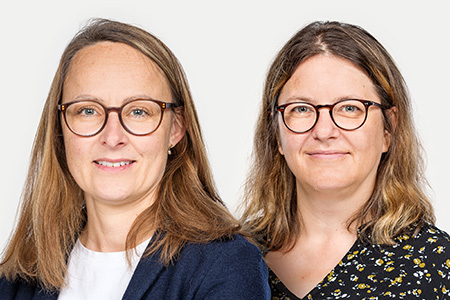
Elzbieta Lehmann und Nicole Widmann

Elzbieta Lehmann und Nicole Widmann

Telefon
+41 61 228 55 40
E-Mail
weiterbildung.lifesciences@fhnw.ch

Info-Anlässe

Loading...


Anmeldung

SAS Circular Laboratory Operations & Resource Management

Datum
28.5.2027
Ort
Onsite
Kursleitung
Dr. Lucy Kind
Anmeldeschluss
11.12.2026
Anmelden

Hochschule für
Life Sciences Fachhochschule Nordwestschweiz FHNW

  • Zur Hochschule
    • Hochschule
    • Studium
    • Weiterbildung
    • Forschung
    • Veranstaltungen
  • Social Media
    • Facebook
    • Instagram
    • YouTube
    • LinkedIn
  • Die FHNW
    • Organisation
    • Hochschulen
    • Standorte
    • Bibliothek FHNW
    • Jobs und Karriere
    • Medienkontakte
  • Support
    • IT-Support
    • Inside FHNW
    • Webmail
Logo FHNW - 20 Jahre
Logo Swiss Universities
Logo European University Association
© FHNW Fachhochschule Nordwestschweiz
  • Datenschutz
  • Impressum
  • Accessibility
  • DE
  • EN