Zu Hauptinhalt springenZur Suche springenZu Hauptnavigation springenZu Footer springen
Logo der Fachhochschule Nordwestschweiz
  • DE
  • EN
  • Startseite

Zehn Hochschulen Ein Ziel

Die FHNW umfasst 10 Hochschulen mit unterschiedlichen Schwerpunkten. Wählen Sie eine Hochschule aus, um deren spezifische Kurse, Studiengänge und Informationen zu sehen.

Angewandte Psychologie

Architektur, Bau und Geomatik

Gestaltung und Kunst

Informatik

Life Sciences

Musik

Pädagogische Hochschule

Soziale Arbeit

Technik und Umwelt

Wirtschaft

  • Studienangebot

    • Alle Studiengänge
    • Bachelor in Life Sciences
    • Master in Life Sciences
    • Master in Medical Informatics
    • Joint Degree Master in Biomedical Engineering
    • Info-Anlässe
  • Rund ums Studium

    • Vorbereitung aufs BSc-Studium
    • Unterstützungsangebote während des Studiums
    • Erfahrungsberichte
    • Studiengeld und Stipendien
    • Digital Life Sciences
  • International studieren

    • Outgoing Studierende
    • Incoming Studierende
    • Double Degree
    • Partnerschulen
    • Erlebnisberichte
    • Buddy-Programm
    • News und Storys
  • Weiterbildungsangebot

    • Alle Weiterbildungen
    • MAS - Master of Advanced Studies
    • DAS - Diploma of Advanced Studies
    • CAS - Certificate of Advanced Studies
    • SAS - Short Advanced Studies
    • Fachseminare
    • Info-Anlässe
  • Weiterbildungen nach Themen

    • Artificial Intelligence und Machine Learning
    • Betriebswirtschaft, Unternehmensführung, Entrepreneurship
    • Biologie und Chemie
    • Data Science und Engineering
    • Diagnostik
    • Digital Industry and Technologies
    • Energie
    • Extended Reality und Immersive Technologies
    • Führung und Teammanagement
    • Gesundheitsförderung und Prävention
    • Konsumverhalten
    • Kreislaufwirtschaft
    • Management in Healthcare
    • Maschinentechnik und Robotik
    • Organisationsentwicklung und Change Management
    • Pharma-, Medizin- und Biotechnologie
    • Prozess- und Projektmanagement
    • Sustainable Business Development, Ressourcenmanagement
    • Umweltmanagement
    • Umweltrecht
    • Umwelttechnologie und Recycling
    • Werkstoffe, Verfahrenstechnik
  • Organisatorisches

    • Beratung
    • Rechtliches und Bedingungen
  • Forschung

    • Forschungsfelder
    • Projekte
    • Institute und Kompetenzzentren
  • Zusammenarbeit

    • Process Technology Centre
    • Dienstleistungen
    • Tech Transfer Office
    • Studierendenprojekte
  • Internationales

    • International studieren
    • Internationale Forschungsprojekte
  • Neuigkeiten und Einblicke

    • News und Storys
    • Forschungshighlights
    • Medienmitteilungen
  • Veranstaltungen

    • Alle Veranstaltungen
    • Info-Anlässe
    • Forschungsseminare
  • Medienstelle

    • Medienmitteilungen
  • Über die Hochschule für Life Sciences

    • Strategie und Werte
    • Hochschulleitung
    • Mitarbeitende Stab und Services
    • Fachbeirat
    • Personenverzeichnis
    • Diversity und Gleichstellung
    • Nachwuchsförderung
    • Medienstelle
    • Infrastruktur und Campus
  • Institute und Kompetenzzentren

    • Institut für Chemie und Bioanalytik
    • Institut für Ecopreneurship
    • Institut für Medizintechnik und Medizininformatik
    • Institut für Pharmatechnologie und Biotechnologie
    • Zentrum für Ausbildung und Lehre
    • Process Technology Centre
Logo der Fachhochschule Nordwestschweiz
  • Zur Hochschule
    • Hochschule
    • Studium
    • Weiterbildung
    • Forschung
    • Veranstaltungen
  • Social Media
    • Facebook
    • Instagram
    • YouTube
    • LinkedIn
  • Die FHNW
    • Organisation
    • Hochschulen
    • Standorte
    • Bibliothek FHNW
    • Jobs und Karriere
    • Medienkontakte
  • Support
    • IT-Support
    • Inside FHNW
    • Webmail
  • Datenschutz
  • Impressum
  • Accessibility
  • Studienangebot

    • Alle Studiengänge
    • Bachelor in Life Sciences
    • Master in Life Sciences
    • Master in Medical Informatics
    • Joint Degree Master in Biomedical Engineering
    • Info-Anlässe
  • Rund ums Studium

    • Vorbereitung aufs BSc-Studium
    • Unterstützungsangebote während des Studiums
    • Erfahrungsberichte
    • Studiengeld und Stipendien
    • Digital Life Sciences
  • International studieren

    • Outgoing Studierende
    • Incoming Studierende
    • Double Degree
    • Partnerschulen
    • Erlebnisberichte
    • Buddy-Programm
    • News und Storys
  • Weiterbildungsangebot

    • Alle Weiterbildungen
    • MAS - Master of Advanced Studies
    • DAS - Diploma of Advanced Studies
    • CAS - Certificate of Advanced Studies
    • SAS - Short Advanced Studies
    • Fachseminare
    • Info-Anlässe
  • Weiterbildungen nach Themen

    • Artificial Intelligence und Machine Learning
    • Betriebswirtschaft, Unternehmensführung, Entrepreneurship
    • Biologie und Chemie
    • Data Science und Engineering
    • Diagnostik
    • Digital Industry and Technologies
    • Energie
    • Extended Reality und Immersive Technologies
    • Führung und Teammanagement
    • Gesundheitsförderung und Prävention
    • Konsumverhalten
    • Kreislaufwirtschaft
    • Management in Healthcare
    • Maschinentechnik und Robotik
    • Organisationsentwicklung und Change Management
    • Pharma-, Medizin- und Biotechnologie
    • Prozess- und Projektmanagement
    • Sustainable Business Development, Ressourcenmanagement
    • Umweltmanagement
    • Umweltrecht
    • Umwelttechnologie und Recycling
    • Werkstoffe, Verfahrenstechnik
  • Organisatorisches

    • Beratung
    • Rechtliches und Bedingungen
  • Forschung

    • Forschungsfelder
    • Projekte
    • Institute und Kompetenzzentren
  • Zusammenarbeit

    • Process Technology Centre
    • Dienstleistungen
    • Tech Transfer Office
    • Studierendenprojekte
  • Internationales

    • International studieren
    • Internationale Forschungsprojekte
  • Neuigkeiten und Einblicke

    • News und Storys
    • Forschungshighlights
    • Medienmitteilungen
  • Veranstaltungen

    • Alle Veranstaltungen
    • Info-Anlässe
    • Forschungsseminare
  • Medienstelle

    • Medienmitteilungen
  • Über die Hochschule für Life Sciences

    • Strategie und Werte
    • Hochschulleitung
    • Mitarbeitende Stab und Services
    • Fachbeirat
    • Personenverzeichnis
    • Diversity und Gleichstellung
    • Nachwuchsförderung
    • Medienstelle
    • Infrastruktur und Campus
  • Institute und Kompetenzzentren

    • Institut für Chemie und Bioanalytik
    • Institut für Ecopreneurship
    • Institut für Medizintechnik und Medizininformatik
    • Institut für Pharmatechnologie und Biotechnologie
    • Zentrum für Ausbildung und Lehre
    • Process Technology Centre

Geben Sie einen Suchbegriff ein und suchen Sie nach Weiterbildungen, Studienangeboten, Veranstaltungen, Dokumenten und anderen Inhalten.

  • Life Sciences
  • Weiterbildung
  • Weiterbildungsangebot
  • Weiterbildungen
Weiterbildungen

SAS Biological and Clinical Interpretation of Sequencing Data, Hochschule für Life Sciences FHNW

Hochschule für Life Sciences


  • Steckbrief
  • Ziele und Nutzen
  • Zielpublikum
  • Aufbau und Inhalte
  • Dozierende
  • Voraussetzungen und Zulassung
  • Organisatorisches
  • Beratung und Info-Anlässe
  • Anmeldung

You will learn to interpret NGS and 3rd generation sequencing results in biological and clinical contexts using statistical and visualisation methods. Topics include differential gene expression, network, pathway and enrichment analysis, variant annotation, and clinical relevance with Ensembl, ClinVar and Kraken.
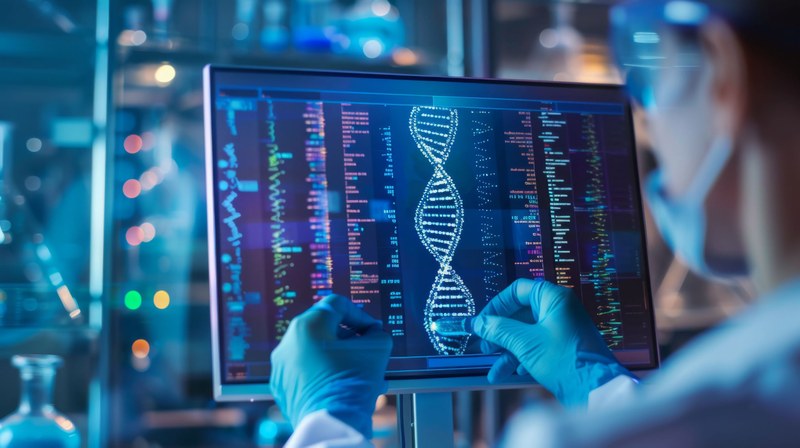
sas-biological-clinical-interpretation-of-sequencing-data-hls-fhnw.jpg

Steckbrief

Abschluss
Module Certificate for Short Advanced Studies (Microcredential) FHNW 
Lernsetting
Remote
ECTS-Punkte
3
Nächster Start
3.6.2027
Dauer
3 Tage
Durchführungssprache
Englisch
Durchführungsort
Online
Preis
CHF 1 800

Auf einen Blick

  • Learn to interpret DNA and RNA sequencing data in biological and clinical contexts using statistical and visualization approaches.
  • Analyse differential gene expressions as well as perform network, pathway and enrichment analyses.
  • Apply key databases such as Ensembl, ClinVar and Kraken for variant annotation and data interpretation.
  • Assess the clinical relevance of genomic findings to support biological and medical conclusions

Ziele und Nutzen

You will learn to interpret DNA and RNA sequencing results in biological and clinical contexts, applying statistical and visualisation methods. Topics include differential gene expression, pathway analysis and variant annotation.

After completing the SAS, you will be able to:

  • Interpret genomic and transcriptomic data to identify biologically and clinically relevant molecular alterations.
  • Assess the statistical significance and robustness of sequencing-derived findings using established analytical methods.
  • Annotate and prioritize genetic variants and expression changes based on functional evidence, disease associations, and clinical relevance.
  • Integrate sequencing results with biological and clinical information to generate hypotheses and support precision medicine approaches.

Zielpublikum

This SAS is for you if you work in life sciences, healthcare or research and want to build practical skills in bioinformatics. It is particularly relevant if you:

  • Work with or plan to work with next-generation and nanopore sequencing data
  • Work in biotech, pharma or a related industry where sequencing analysis is becoming essential

You should have a basic understanding of molecular biology, some hands-on experience with a programming language such as Python, and strong motivation to strengthen your computational skills.


Aufbau und Inhalte

This SAS is the third of three modules within the CAS Applied Bioinformatics: Next- and 3rd Generation Sequencing Data Analysis. It is offered online over three days. You will learn to interpret NGS results in biological and clinical contexts, applying statistical and visualisation methods. Topics include differential gene expression, pathway analysis and variant annotation.

  • Databases: Ensembl, ClinVar, Kraken, String
  • Network and pathway analysis
  • Enrichment analysis
  • Assessing clinical relevance

This module builds a solid foundation required for biological and clinical interpretation and visualisation of sequencing data. At the end of the module, a multiple-choice questionnaire (pass/fail) is available, if you would like to receive ECTS credits. The module can be allocated to the CAS Applied Bioinformatics: Next- and 3rd Generation Sequencing Data Analysis within three years. If you have successfully completed all SAS of this CAS programme and wish to receive the Certificate of Advanced Studies (CAS), please contact us for the final written assignment. ​


Dozierende

  • Prof. Dr. Abdullah Kahraman, Programme Manager
  • Dr. Thomas Wieland, Sr. Director Strategic Operations, Foundation Medicine

Voraussetzungen und Zulassung

The following programme admission requirements apply:

  • Tertiary A: Higher education qualification (at least a Bachelor’s degree) and at least 2 years’ practical experience relevant to the programme,
  • Tertiary B: Colleges of Higher Education Diploma (HF), Advanced Federal Diploma of Higher Education (HFP) or Federal Diploma Higher Education (BP), and at least 5 years’ practical experience relevant to the programme,
  • Individuals without a Tertiary A or B qualification may be admitted if they cumulatively meet the following admission criteria:
    • at least 10 years’ professional experience in a field relevant to the programme, of which at least 5 years in a managerial or senior specialist role
    • additional qualifications (various non-formal, extensive further training courses or partial completion (>50%) of a tertiary qualification)
    • evidence of knowledge of academic work or a willingness to acquire this in advance.

As the instruction and educational materials are in English, proficiency in English (minimum level C1) is a prerequisite.

A personal notebook/laptop is required for the programme.


Organisatorisches

Zeitplan
Rechtliche Bedingungen

Beratung und Info-Anlässe

Kontakt
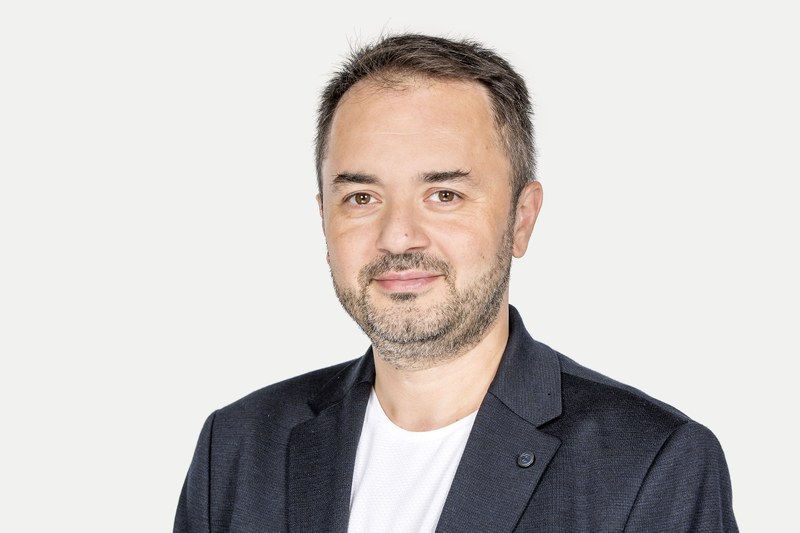
Abdullah Kahraman

Prof. Dr. Abdullah Kahraman

Arbeitsgruppenleiter Data Science in Life Sciences
Telefon
+41 61 228 62 23
E-Mail
abdullah.kahraman@fhnw.ch
Elzbieta Lehmann und Nicole Widmann

Elzbieta Lehmann und Nicole Widmann

Telefon
+41 61 228 55 40
E-Mail
weiterbildung.lifesciences@fhnw.ch

Info-Anlässe

Loading...


Anmeldung

SAS Biological and Clinical Interpretation of Sequencing Data

Datum
3.6.2027
Ort
Online
Kursleitung
Abdullah Kahraman
Anmeldeschluss
11.2.2027
Anmelden

Hochschule für
Life Sciences Fachhochschule Nordwestschweiz FHNW

  • Zur Hochschule
    • Hochschule
    • Studium
    • Weiterbildung
    • Forschung
    • Veranstaltungen
  • Social Media
    • Facebook
    • Instagram
    • YouTube
    • LinkedIn
  • Die FHNW
    • Organisation
    • Hochschulen
    • Standorte
    • Bibliothek FHNW
    • Jobs und Karriere
    • Medienkontakte
  • Support
    • IT-Support
    • Inside FHNW
    • Webmail
Logo FHNW - 20 Jahre
Logo Swiss Universities
Logo European University Association
© FHNW Fachhochschule Nordwestschweiz
  • Datenschutz
  • Impressum
  • Accessibility
  • DE
  • EN