Zu Hauptinhalt springenZur Suche springenZu Hauptnavigation springenZu Footer springen
Logo der Fachhochschule Nordwestschweiz
  • DE
  • Startseite
  • Internationales

Zehn Hochschulen Ein Ziel

Die FHNW umfasst 10 Hochschulen mit unterschiedlichen Schwerpunkten. Wählen Sie eine Hochschule aus, um deren spezifische Kurse, Studiengänge und Informationen zu sehen.

Angewandte Psychologie

Architektur, Bau und Geomatik

Gestaltung und Kunst

Informatik

Life Sciences

Musik

Pädagogische Hochschule

Soziale Arbeit

Technik und Umwelt

Wirtschaft

  • Studienangebot

    • Alle Studiengänge
    • Alle Bachelor-Studiengänge
    • Alle Master-Studiengänge
    • BA Musik
    • Schulmusik / Musik und Bewegung
    • MA Performance
    • MA Spezialisierte Performance
    • MA Musikpädagogik
    • MA Musik und Szene in Transformation
    • MA Komposition/Musiktheorie
    • PreCollege
    • Info-Anlässe
  • Rund ums Studium

    • Willkommen an der Hochschule für Musik Basel
    • Zulassungsverfahren und Eignungsabklärung
  • Unterstützung und Rechtliches

  • Internationales Studium

  • Weiterbildungsangebot

    • Alle Weiterbildungen
    • Musikpädagogische Weiterbildungen
    • MAS - Master of Advanced Studies
    • DAS - Diploma of Advanced Studies
    • CAS - Certificate of Advanced Studies
    • Kurse, Tagungen und Symposien
    • Info-Anlässe
  • Unterstützung und Rechtliches

  • Forschung

    • Forschungsfelder
    • Ausgewählte Projekte
    • Veranstaltungen Forschung
    • Informationen für Studierende / PhD
  • Forschung Klassik

    • Sounding Futures
    • Performing Sources
    • Kommunikation Mensch & Maschine
    • Musikpädagogische Forschung
    • Musikphilosophie
    • Publikationen Klassik
  • Forschung Schola Cantorum Basiliensis

    • Historische Musikpraxis
    • Organologie
    • Publikationen Schola Cantorum Basiliensis
    • Symposien und Studientage
  • Neuigkeiten und Einblicke

    • News und Storys
    • Mach den Bachelor Musik in Basel
  • Veranstaltungen

    • Konzerte und Veranstaltungen
    • Info-Anlässe
  • Medien

    • Medienmitteilungen
  • Über die Hochschule für Musik Basel

    • Leitung
    • Dozierende
    • Veranstaltungskalender
    • Diversity
    • Medien
    • Kontakt
  • Institute

    • Klassik
    • Schola Cantorum Basilensis
    • Jazz
  • Campus und Infrastruktur

Logo der Fachhochschule Nordwestschweiz
  • Zur Hochschule
    • HSM Basel
    • Institut Klassik
    • Schola Cantorum Basiliensis
    • Institut Jazz
    • Studium
    • Weiterbildung
    • Forschung
  • Social Media
    • YouTube
    • Instagram
    • Veranstaltungskalender
  • Konzerte
    • Kalender
    • Aufnahmen
  • Support
    • IT-Support
    • Inside FHNW
    • Webmail
  • Die FHNW
    • Organisation
    • Hochschulen
    • Standorte
    • Bibliothek FHNW
    • Jobs und Karriere
    • Medienkontakte
  • Datenschutz
  • Impressum
  • Accessibility
  • Studienangebot

    • Alle Studiengänge
    • Alle Bachelor-Studiengänge
    • Alle Master-Studiengänge
    • BA Musik
    • Schulmusik / Musik und Bewegung
    • MA Performance
    • MA Spezialisierte Performance
    • MA Musikpädagogik
    • MA Musik und Szene in Transformation
    • MA Komposition/Musiktheorie
    • PreCollege
    • Info-Anlässe
  • Rund ums Studium

    • Willkommen an der Hochschule für Musik Basel
    • Zulassungsverfahren und Eignungsabklärung
  • Unterstützung und Rechtliches

  • Internationales Studium

  • Weiterbildungsangebot

    • Alle Weiterbildungen
    • Musikpädagogische Weiterbildungen
    • MAS - Master of Advanced Studies
    • DAS - Diploma of Advanced Studies
    • CAS - Certificate of Advanced Studies
    • Kurse, Tagungen und Symposien
    • Info-Anlässe
  • Unterstützung und Rechtliches

  • Forschung

    • Forschungsfelder
    • Ausgewählte Projekte
    • Veranstaltungen Forschung
    • Informationen für Studierende / PhD
  • Forschung Klassik

    • Sounding Futures
    • Performing Sources
    • Kommunikation Mensch & Maschine
    • Musikpädagogische Forschung
    • Musikphilosophie
    • Publikationen Klassik
  • Forschung Schola Cantorum Basiliensis

    • Historische Musikpraxis
    • Organologie
    • Publikationen Schola Cantorum Basiliensis
    • Symposien und Studientage
  • Neuigkeiten und Einblicke

    • News und Storys
    • Mach den Bachelor Musik in Basel
  • Veranstaltungen

    • Konzerte und Veranstaltungen
    • Info-Anlässe
  • Medien

    • Medienmitteilungen
  • Über die Hochschule für Musik Basel

    • Leitung
    • Dozierende
    • Veranstaltungskalender
    • Diversity
    • Medien
    • Kontakt
  • Institute

    • Klassik
    • Schola Cantorum Basilensis
    • Jazz
  • Campus und Infrastruktur

Geben Sie einen Suchbegriff ein und suchen Sie nach Weiterbildungen, Studienangeboten, Veranstaltungen, Dokumenten und anderen Inhalten.

  • Musik
  • Forschung und Dienstleistungen
  • Forschung in Musik
  • Projekte
Projekte

The Use of the Bassoon in Naples During the Seventeenth and Eighteenth Centuries, Hochschule für Musik Basel

Hochschule für Musik Basel


Dissertationsprojekt von Giovanni Battista Graziadio
15.03.2018 – 01.06.2022

Projektdetails

Forschungsfeld
Historische Musikpraxis
Hochschule/Institut
Hochschule für Musik Basel / Schola Cantorum Basiliensis
Partner
University of Basel (Switzerland)
Supervisor: Prof. Dr. Martin Kirnbauer
Laufzeit
15.03.2018 – 01.06.2022
Leitung
Doktorand/in:
Giovanni Battista Graziadio
Details
  • Doktorand/in

    • Giovanni Battista Graziadio
  • Projektdauer

    15.03.2018 – 01.06.2022

  • Projektpartner / Kooperationen

    University of Basel (Switzerland)
    Supervisor: Prof. Dr. Martin Kirnbauer

  • Links

    Research Project "Out of the Bass Register"

    Research Project "Fagottini and Tenoroons"

    Project website www.historical-bassoon.ch

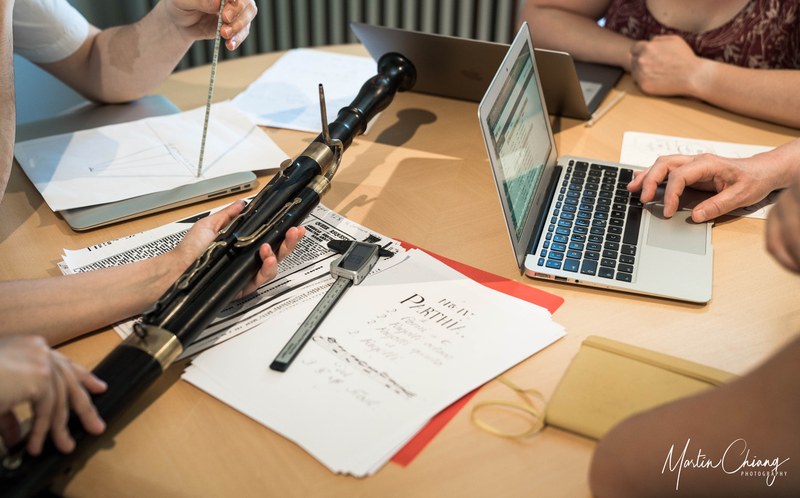
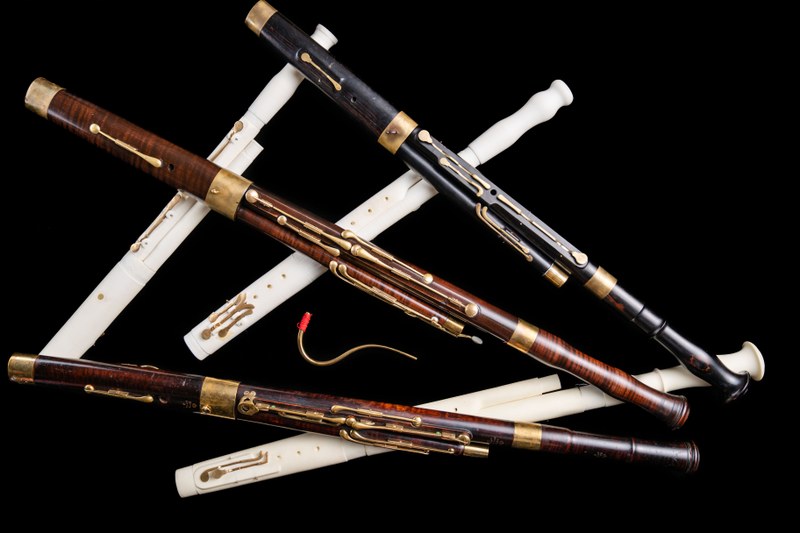
This research project explores when, where, why and how the bassoon was used in Naples during the seventeenth and eighteenth centuries.

This project aims to provide a concrete picture of the rich Neapolitan wind instrument tradition, particularly concerning the bassoon and its repertoire, and to provide further materials for contemporary research. My initial investigation concerned a collection of unpublished information confirming the existence of a distinct bassoon tradition in Naples, beginning in the 1600s.

For example, a compilation of a list of more than 20 active woodwind players and their professional activities in Naples illustrates a continuing tradition in pedagogy and performance in this region. Furthermore, it is easy to locate many arias with obbligato bassoon parts in operas and oratorios written by various Neapolitan composers in the first half of the eighteenth century.

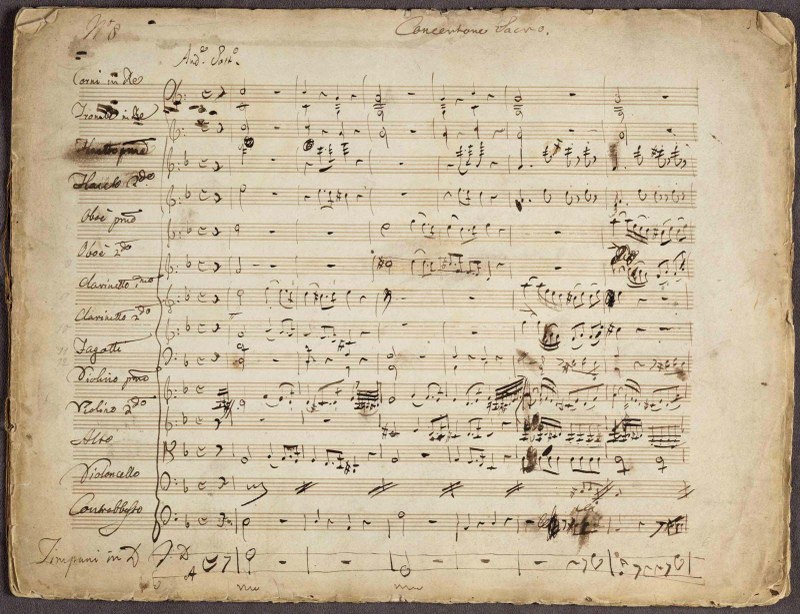
Two bassoon concerti, one of which is dated 1759, were composed by the bassoon teacher and multi-instrumentalist Ferdinando Lizio. Although the figure of Lizio was largely brought to light due to my earlier research, there is still much more to be discovered about him and his activities as a teacher at the “Conservatorio della Pietà”.

Reasons why the bassoon was so popular in Naples have never been discussed or even noticed by researchers previously. While my first and unique data collection presents evidence and partially answers some questions, many more have arisen.

I am convinced that a detailed examination of the use of the bassoon at the four famous Neapolitan music conservatories will offer answers about a lost pedagogical tradition, and bring significant information to the historically-informed musical practice. For example: I discovered that the bassoon was the only other instrument allowed to accompany voices in the church during Lent, instead of organ, during the 17th century. This study will additionally consider many rare pages of Neapolitan music with obbligato bassoon parts deserving to be performed or at least made known.

The amount of archival information required to complete this work will take some years of research. A large part of these documents are preserved in the “Archivio e Biblioteca del Conservatorio San Pietro a Majella” of Naples, “Archivio Diocesano” of Naples , “Archivio di Stato” of Naples” and “Archivio della Chiesa dei Girolamini”.


Symposium
laden

Kontakt

Claudia Schärli

Veranstaltungs- und Forschungssekretariat SCB
Telefon
+41 61 264 57 43 (Direkt)
E-Mail
claudia.schaerli@fhnw.ch

Weitere Projekte

laden

Dissertationen in Kooperation mit der Schola Cantorum Basiliensis
laden

Hochschule für
Musik Basel Fachhochschule Nordwestschweiz FHNW

  • Zur Hochschule
    • HSM Basel
    • Institut Klassik
    • Schola Cantorum Basiliensis
    • Institut Jazz
    • Studium
    • Weiterbildung
    • Forschung
  • Social Media
    • YouTube
    • Instagram
    • Veranstaltungskalender
  • Konzerte
    • Kalender
    • Aufnahmen
  • Support
    • IT-Support
    • Inside FHNW
    • Webmail
  • Die FHNW
    • Organisation
    • Hochschulen
    • Standorte
    • Bibliothek FHNW
    • Jobs und Karriere
    • Medienkontakte
Logo FHNW - 20 Jahre
Logo Swiss Universities
Logo European University Association
© FHNW Fachhochschule Nordwestschweiz
  • Datenschutz
  • Impressum
  • Accessibility
  • DE