Dissertationsprojekt von Sean Curtice
01.09.2020 – 31.08.2023
Solfeggio, Thoroughbass, and Partimento in the Nineteenth-Century United States
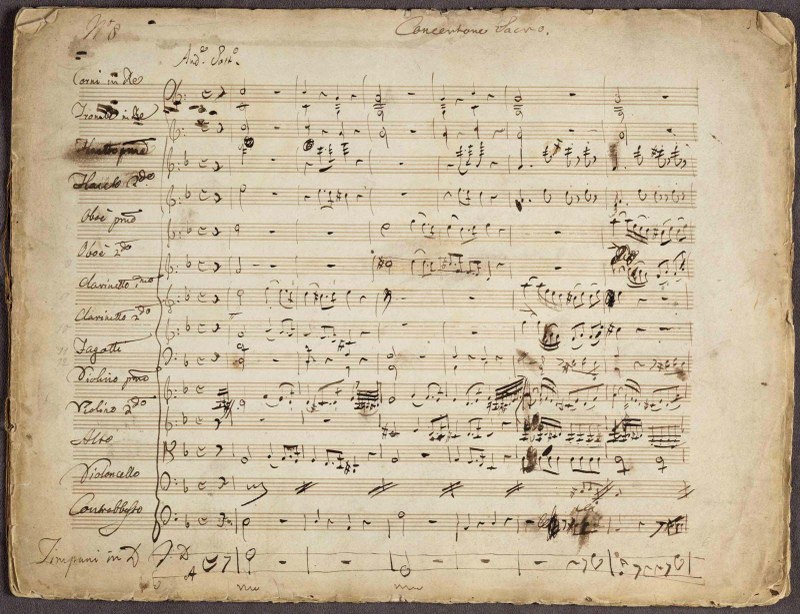
In 1799, Filippo Trajetta (1777, Venice–1854, Philadelphia), son of the celebrated composer Tommaso Trajetta, left Naples for the United States of America. A pupil of Fedele Fenaroli and Niccolò Piccinni, Trajetta would spend the rest of his life cultivating Neapolitan musical traditions in the New World. He founded three successive schools of music, each called the American Conservatorio: in Boston (1800–1802), New York (c.1812–c.1820) and Philadelphia (1828–c.1846). While the Conservatorio faded without establishing an enduring “American partimento tradition,” Trajetta’s influence nevertheless rippled across musical life: his pupils pursued careers as composers, organists, music journalists, and even the first conductor of the New York Philharmonic. At the end of the nineteenth century, one student called for “a return to the Regola d’Ottava […] and its treatment as practised in the four Conservatorios of Naples,” the “admirable Partimenti […] by Fedele Fenaroli,” and “that system which was studied and practiced by […] Phil. Trajetta, my beloved master.” Trajetta’s remarkable life and works promise to shed new light on the dissemination of solfeggi and partimenti beyond Naples, and on the early development of American musical culture.
Projektdetails
- Forschungsfeld
- Historische Musikpraxis
- Hochschule/Institut
- Hochschule für Musik Basel / Schola Cantorum Basiliensis
Details
Kontakt

Claudia Schärli
- Telefon
- +41 61 264 57 43 (Direkt)
- claudia.schaerli@fhnw.ch
Weitere Projekte
Dissertationen in Kooperation mit der Schola Cantorum Basiliensis
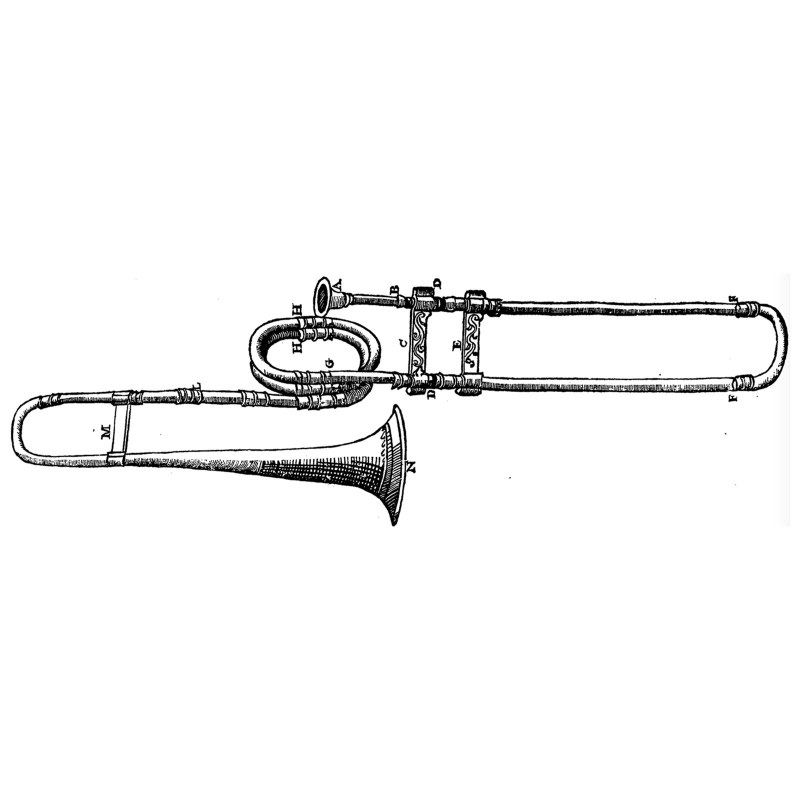
The trombone in seventeenth-century France, England, and the Low Countries
- Institut
- Schola Cantorum Basiliensis
- Forschungsfeld
- Organologie
Di tanta importanza
- Institut
- Schola Cantorum Basiliensis
- Forschungsfeld
- Historische Musikpraxis
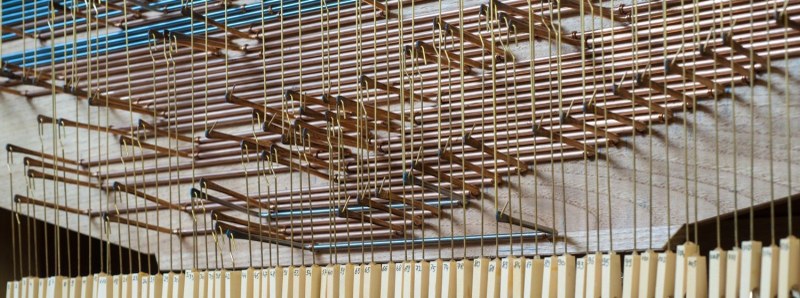
Was ist ein Arciorgano? Studien zu Vicentinos Arciorgano, seiner Basler Rekonstruktion und musiktheoretische Reflexionen
- Institut
- Schola Cantorum Basiliensis
- Forschungsfeld
- Organologie

The Use of the Bassoon in Naples During the Seventeenth and Eighteenth Centuries
- Institut
- Schola Cantorum Basiliensis
- Forschungsfeld
- Historische Musikpraxis
Krise der Ämter – Konnex der Akteure. Göttinger Musikgeschichte vor 1800 als musikalische Landschaft in Bewegung.
- Institut
- Schola Cantorum Basiliensis
Die bilingualen Lieder des Codex Buranus
- Institut
- Schola Cantorum Basiliensis
- Forschungsfeld
- Historische Musikpraxis