
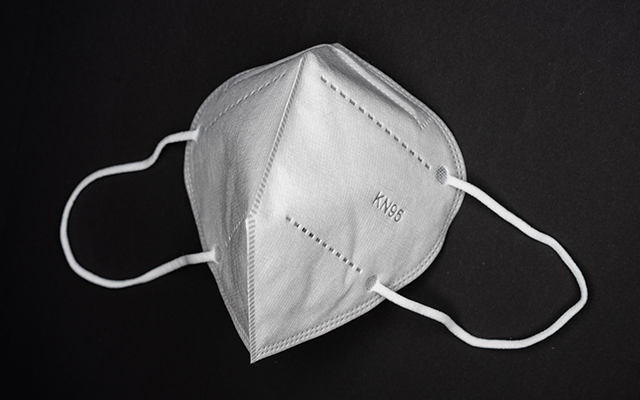
Filtering facepiece respirators
which meet a test standard. These include FFP1, FFP2, FFP3 (Europe), KN95 (China) and N95 (USA). FFP stands for "Filtering Face Piece". FFP1 means that the mask must have a minimum filtering effect of 80 percent for particles smaller than 600 nm. For FFP2 this is 94 percent, for KN95 and N95 95 percent and for FFP3 99 percent.
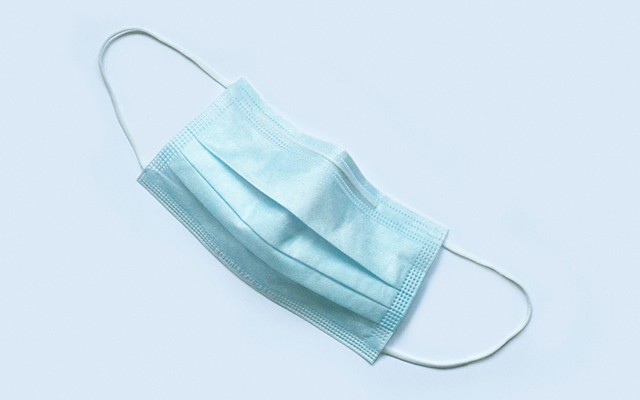
Hygiene masks
(disposable masks) of "Type II" or "Type IIR" must achieve a minimum bacterial filter effect of 98 percent, while one of "Type I" must achieve 95 percent. Since bacteria are comparatively large (several micrometers), the filter performance for fine aerosols is weaker in hygiene masks than in respiratory masks.
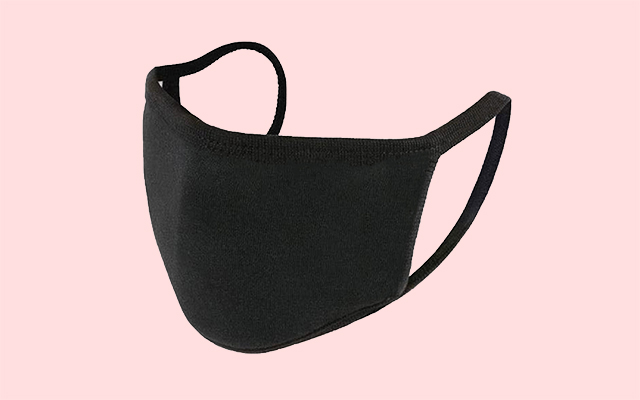
Fabric masks
(community masks) consist of several layers of fleece, cotton or microfibers. The masks can be used several times and are partly washable. However, their protective effect against fine aerosols is in most cases rather low.


Filtering facepiece respirators
As expected (with the exception of an incorrectly declared "KN-95" mask, which has meanwhile been withdrawn from the market), the respirators show an excellent filtration efficiency and thus an effective filtering effect of fine, possibly virus-transferring aerosols.

Hygiene masks
The examined hygiene masks also show a good (greater than 65%) filtration efficiency of fine aerosols. An indication of "good quality" of the hygiene masks is the marking of the packaging unit with a four-digit CE number (e.g. CE 0121) and a note of the standard EN 14683, type IIR.

Fabric masks
Fabric masks and community masks showed a mixed picture: certain products even proved to be better than hygiene masks in the test, while other fabric masks let the fine aerosol particles pass through practically unfiltered.
