Layout
Project type
- Project type
Strategic action field
- Strategic action field
Research field
- Research field
Institute
- Institute

Mycelium composite development for packaging
Development of an Optimised Biodegradable Mycelium-Based Composite Material. Investigation of Its Potential as an Alternative to EPS in Packaging Applications.
- Institute
- Institute of Polymer Engineering
- Research field
- Energie und Umwelt, Materialien
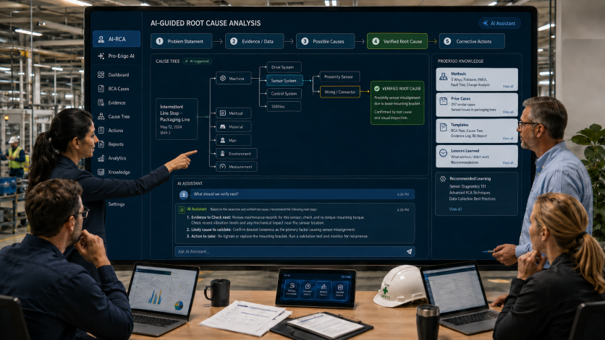
Finding the Root Causes of Problems with AI
How can problems in businesses be solved systematically? In collaboration with Aksena Switzerland, FHNW is developing AI-powered tools to help experts identify the root causes of problems and work towards suitable solutions. The project combines an interactive AI tutor with a team of specialised AI agents that work together to support the analysis.
- Institute
- Institute of Business Engineering
- Research field
- Business processes
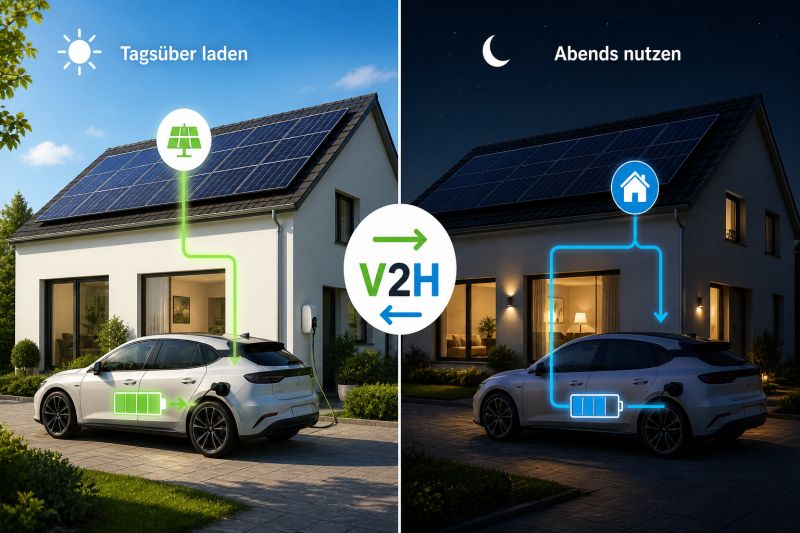
Development of a Vehicle-to-Home (V2H) Calculator
Online-Tool zur Planung und Analyse von Photovoltaik-, Speicher- und Elektromobilitätslösungen
- Institute
- Institute of Electrical Power Systems
- Research field
- Electrical engineering, Energy and environment
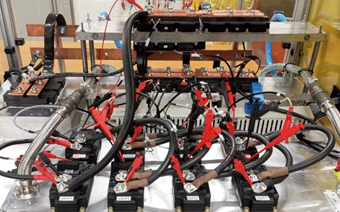
ECPE Joint Research Programme: Reliability comparison of Si IGBTs and SiC MOSFETs for e-mobility applications
A new reliability test method that stresses both, transistor and diode is applied to obtain representative reliability data for e-mobility applications.
- Institute
- Institute of Electrical Power Systems
- Research field
- Energy and environment, Electrical engineering
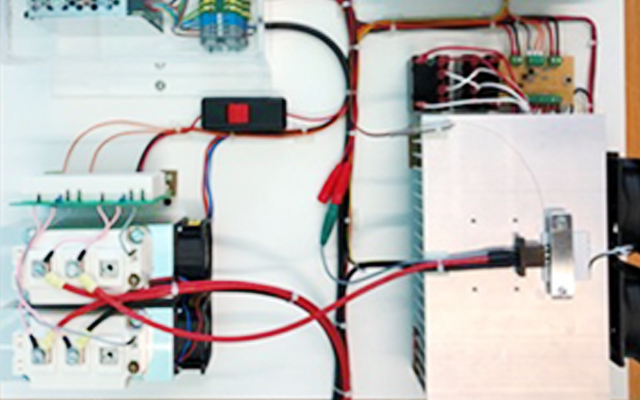
SHINE: Swiss Hybrid Inverter
An efficient and cost-effective X-Hybrid inverter for EV is realized by combining Silicon-Carbide (SiC) and Silicon (Si) devices.
- Institute
- Institute of Electrical Power Systems
- Research field
- Energy and environment, Electrical engineering

Smart control of flexible end-user loads for managing electricity shortage situations
This innovation will help manage extreme situations in the power grid without requiring complete power outages.
- Institute
- Institute of Electrical Power Systems
- Research field
- Electrical engineering

QDrone – Simulation of Free-Space Quantum Communication Using Drones
Free-space optical communication (FSOC) is considered a key enabling technology for future quantum communication networks. To better understand the physical foundations of this technology, the FHNW, in collaboration with GA-Synopta, is developing a mobile drone platform that investigates atmospheric disturbances in the context of quantum communication – cost-efficient, flexible, and practice-oriented.
- Institute
- Institute for Sensors and Electronics
- Research field
- Electrical engineering
A laser that puts small structures in the spot-light
The Institute of Polymer Nanotechnology FHNW is expanding its equipment and expertise in the field of surface analysis with a brand-new laser microscope.
- Institute
- Institute of Polymer Engineering, Institute of Polymer Nanotechnology
- Research field
- Micro- and nano-technology
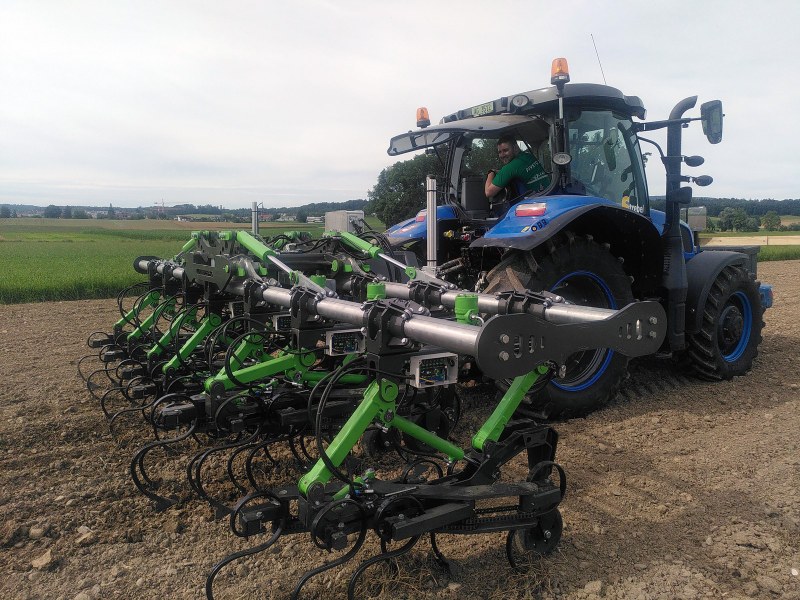
AI-Powered Weed Control for Sustainable Agriculture
Agriculture faces the challenge of controlling weeds efficiently without relying on environmentally harmful pesticides. Particularly in Switzerland, where fields are often small and uneven, existing mechanical weed control equipment reaches its limits. In collaboration with Strebel Maschinen AG, FHNW has developed an innovative solution: an AI-powered hoeing machine that detects weeds in seed rows of varying widths and removes them selectively. This is intended to reduce pesticide use by up to 100%.
- Institute
- Institute of Automation
- Research field
- Künstliche Intelligenz in Engineering, Automation
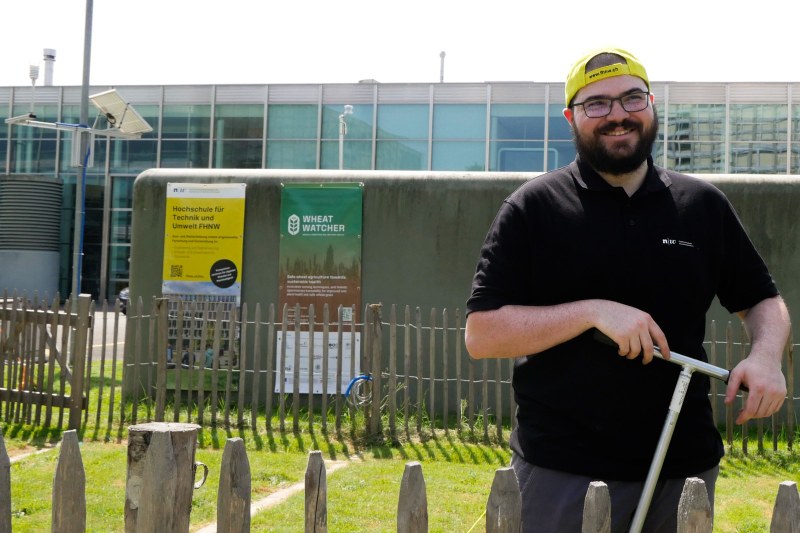
Safe Wheat Agriculture Towards Sustainable Health – WHEATWATCHER
With precise sensor technology for healthy soil and safe wheat: In the EU project WHEATWATCHER, the FHNW is developing a smart monitoring system for sustainable agriculture. The goal is to intelligently combine environmental protection, resource efficiency, and food security.
- Institute
- Institute for Sensors and Electronics
- Research field
- Electrical engineering
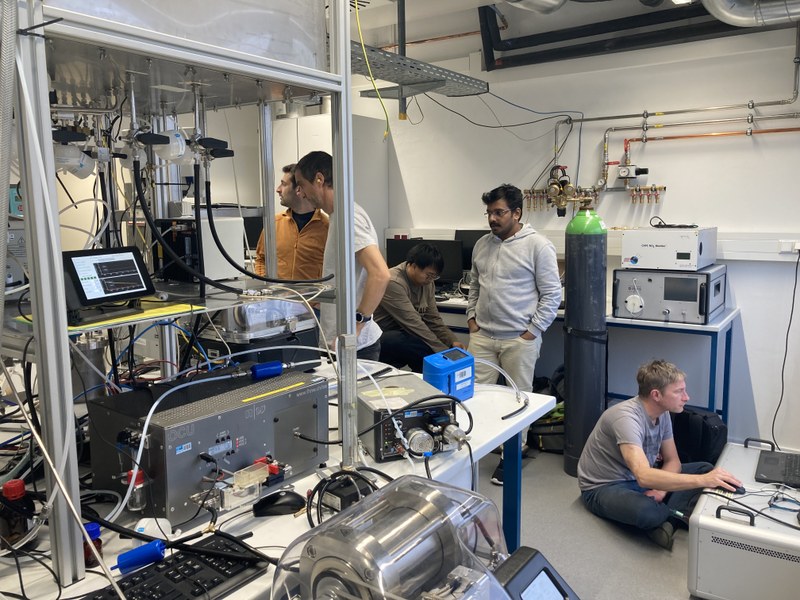
Standardisation of Black Carbon Aerosol Metrics for Air Quality and Climate Modelling
Cleaner Air Through Better Measurement
- Institute
- Institute for Sensors and Electronics
- Research field
- Energy and environment, Electrical engineering

Functionalization of artificial skin
Artificial skin can be life-saving for people with severe burns, extensive wounds, or congenital skin disorders – especially when insufficient healthy skin is available for autografting. In this research project, the team is advancing large-scale functionalized artificial skin using highly precise technologies such as femtosecond lasers and optical coherence tomography. The goal is to improve the production, characterization, and biocompatibility of biomedical tissue while scaling the developed technologies towards future commercial applications.
- Institute
- Institute of Product and Production Engineering
- Research field
- Mechanical engineering
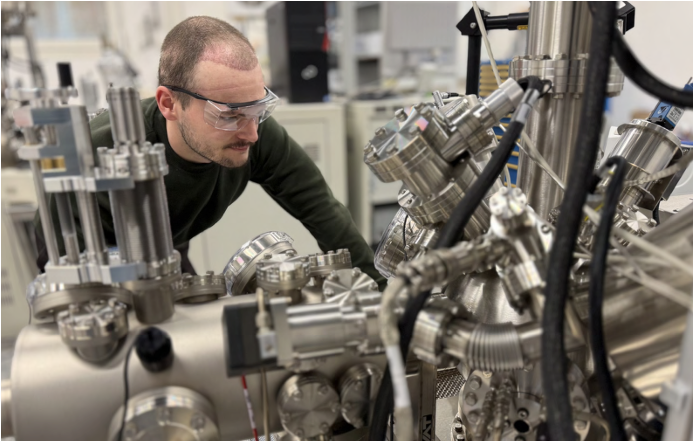
With Coatings Towards Better Batteries
Anode-free solid-state lithium batteries promise higher energy density, lower costs and improved safety – but they still face challenges such as uneven lithium distribution and early capacity loss. In the Nano-Argovia project BatCoat, the research team shows that ultrathin silver and protective coatings on the current collector can overcome these issues and significantly extend battery lifetime.
- Institute
- Institute of Product and Production Engineering
- Research field
- Mechanical engineering, Energy and environment
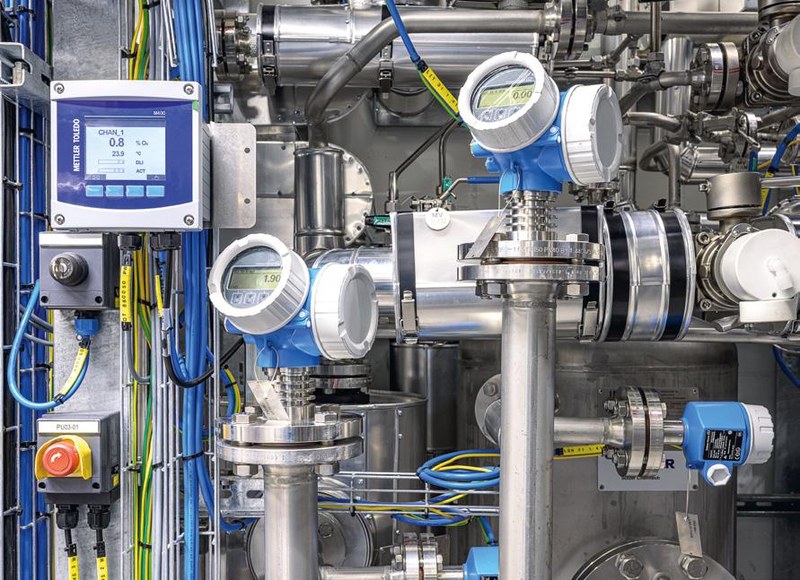
AI-Operator for the efficient and reliable operation of process plants
Development and validation of an AI operator (digital twin) that generates a real-time visualization of intelligent action recommendations for the operators of a thermal test plant.
- Institute
- Institute for Chemistry and Bioanalytics, School of Life Sciences, Institute of Business Engineering
- Research field
- Business processes

PyroScale: Pathways to Upscale Biochar Projects
How can biochar help to permanently store CO₂ – while at the same time improving agricultural livelihoods and soil fertility?
- Institute
- Institute of Bioenergy and Resource Efficiency
- Research field
- Electrical engineering

Dynamic and Static Track Monitoring Using an Innovative Sensor System
A newly developed, high-precision sensor system enables the dynamic measurement of track subsidence during train passage. The project makes a significant contribution to increasing railway safety and to the early detection of changes in the ground structure.
- Institute
- Institute for Sensors and Electronics
- Research field
- Electrical engineering
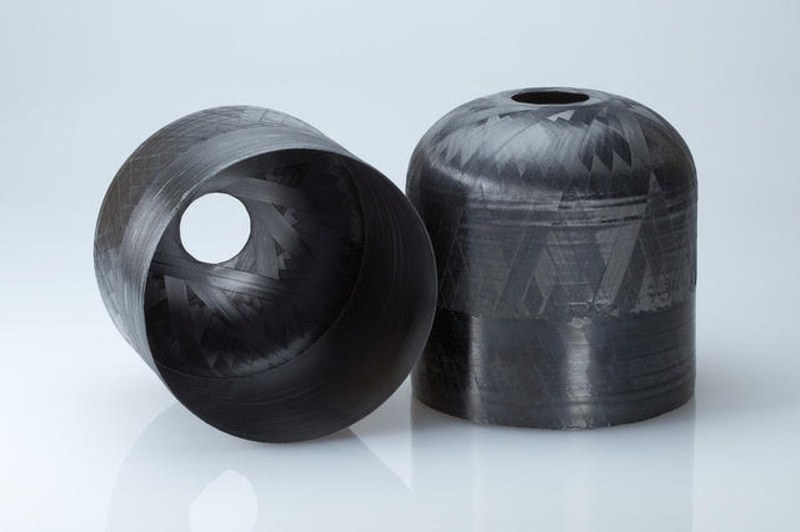
Thermoplastic Thin-Ply Tapes as a Key Technology for Lightweight Liquid Hydrogen Tanks
The use of hydrogen as an energy carrier plays a key role in the successful energy transition. For the safe and efficient transport of hydrogen, new materials are required that are both lightweight and high-strength while withstanding extreme temperatures. The research project LeiWaCo (Lightweight Hydrogen Container), in collaboration with the industrial partner Suprem SA and in association with the German BMBF research project of the same name, is developing innovative thermoplastic fiber-reinforced composites for use in cryogenic hydrogen tanks. The aim is to produce a lightweight, tight, and cost-efficient tank material that meets the stringent requirements of hydrogen mobility.
- Institute
- Institute of Polymer Engineering
- Research field
- Materials
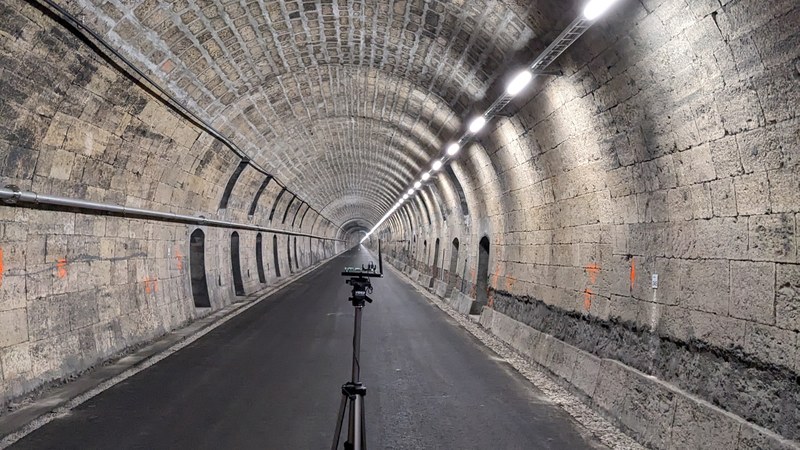
Development of a Monitoring System for Concrete Structures
With a newly developed, energy-efficient data logger, the FHNW – together with DuraMon AG – enables the continuous monitoring of corrosion in reinforced concrete structures. This innovative solution provides precise real-time data, helping to detect damage early and significantly reduce maintenance costs.
- Institute
- Institute for Sensors and Electronics
- Research field
- Electrical engineering
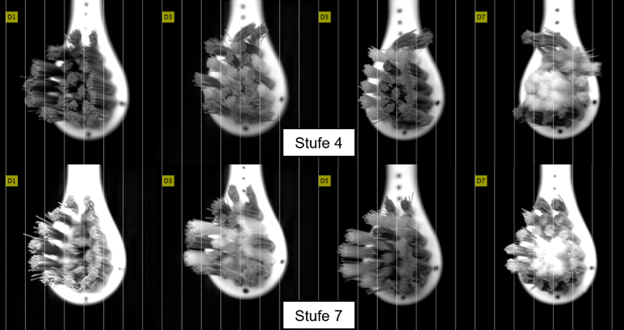
Optimisation of sonic toothbrushes to reduce oral biofilm through shear forces (STOP Biofilm)
The effect of a sonic toothbrush on the cleaning of interdental spaces was investigated and the shear stress during cleaning in the tooth gap was optimized.
- Institute
- Institute of Thermal and Fluid Engineering, School of Engineering and Environment
- Research field
- Mechanical engineering
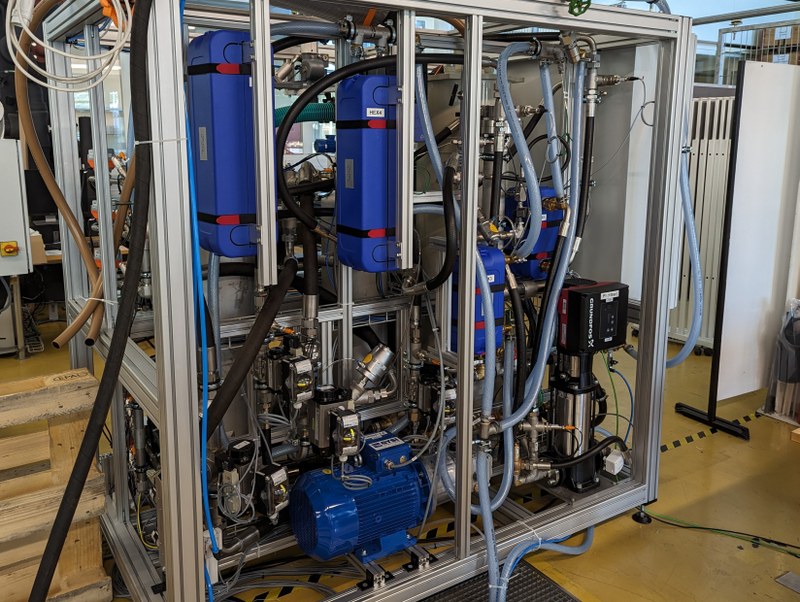
Compressed air energy storage
Development of a compressed air energy storage system that not only stores energy but also provides heating and cooling for buildings. The main objective was to develop a bidirectional machine that functions as both a compressor and an expander.
- Institute
- Institute of Thermal and Fluid Engineering
- Research field
- Mechanical engineering, Energy and environment
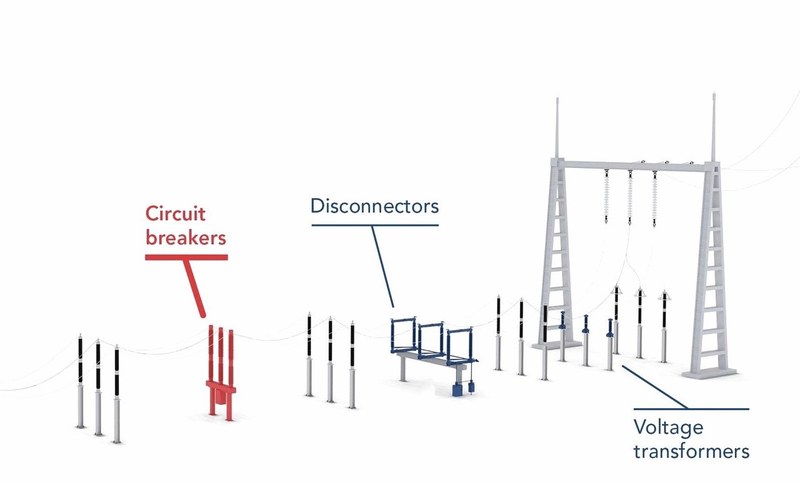
Simulation and Optimization of High-voltage circuit breakers
The Pfiffner Group is working on the development of a new type of high-voltage circuit-breaker with environmentally friendly insulating gas for use in substations. A 1D simulation model is to be developed in order to optimize individual parameters of the complex system.
- Institute
- Institute of Automation
- Research field
- Automation
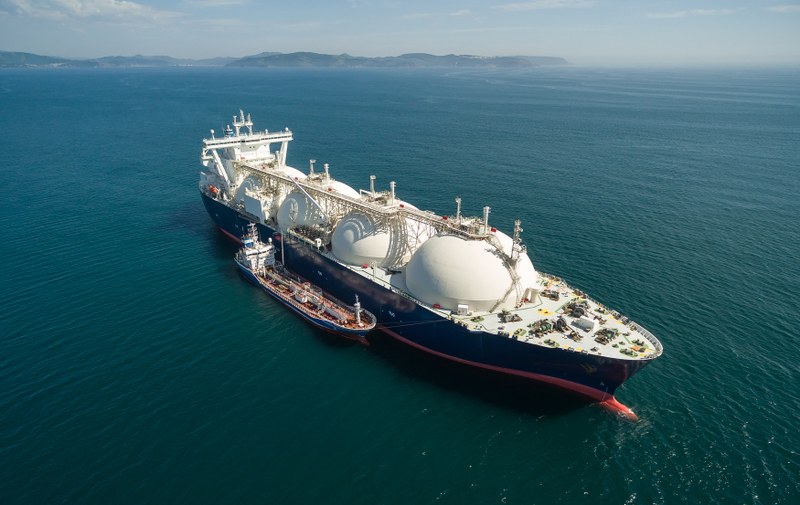
Investigation of the piston running properties of large 2-stroke marine diesel engines and analysis of future lubricant concepts
An innovative ultrasonic reflectometry process is used to measure the oil film thickness and optimize lubrication strategies to minimize oil consumption.
- Institute
- Institute of Thermal and Fluid Engineering
- Research field
- Mechanical engineering

Advanced optical diagnostics for combustion development at large two-stroke engines
The Combustion Analysis Tool (CAT) project is dedicated to the development of an innovative optical diagnostic method.
- Institute
- Institute of Thermal and Fluid Engineering
- Research field
- Mechanical engineering, Energy and environment
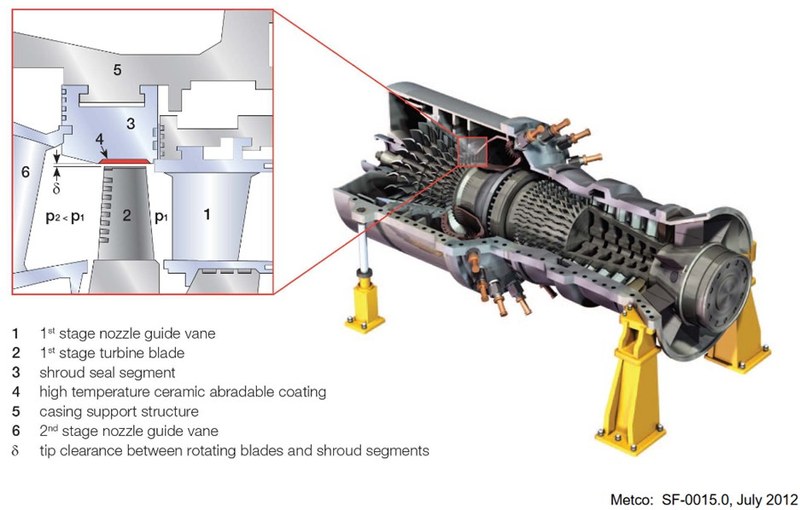
Temperature and layer wear measurement for turbine blades
New methods for the in-situ measurement of surface temperature and coating wear in a test rig for rotating turbine blades.
- Institute
- Institute of Thermal and Fluid Engineering
- Research field
- Mechanical engineering
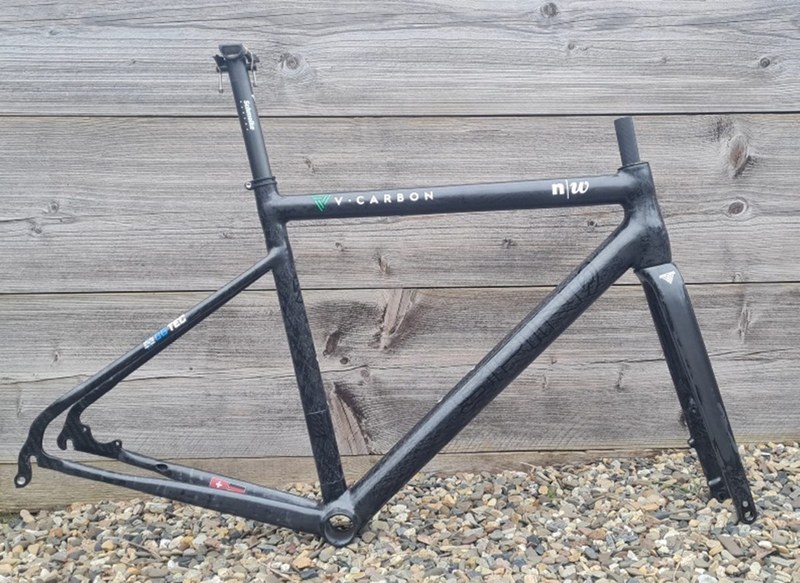
Recywind - Recyled carbon fibre in structural application
We are excited to present a cutting-edge high performance and custom-built bicycle frame, made from recycled feedstock without deducting structural integrity.
- Institute
- Institute of Polymer Engineering
- Research field
- Materials
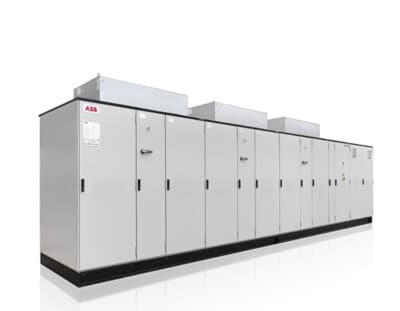
Drives Fleet Performance Optimization
The project aims to optimize the performance, efficiency and reliability of industrial MV drives.
- Institute
- Institute of Electrical Power Systems
- Research field
- Electrical engineering

Asimute: Intelligent self-consumption and storage for better use of energy
ASIMUTE aims to develop innovative solutions for improved and safe energy use and storage by involving end users.
- Institute
- Institute of Electrical Power Systems
- Research field
- Electrical engineering
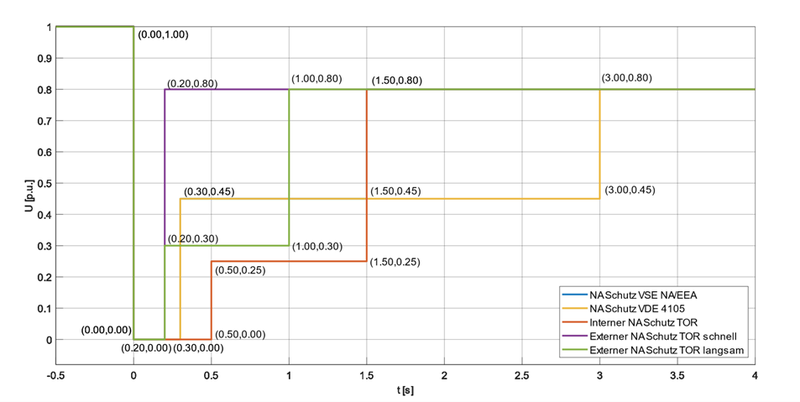
NAEEA+: External Protection Devices" for distributed generation systems
Together with leading experts from industry and research, we are shaping the next generation of grid and PV protection to enable a sustainable energy future.
- Institute
- Institute of Electrical Power Systems
- Research field
- Energy and environment, Electrical engineering
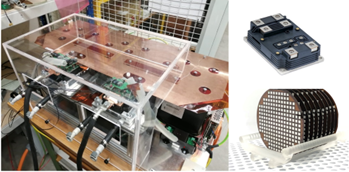
SiC-MILE - SiC MedIum voLtage dEvices
The SiC-MILE project demonstrates Europe's first MV-SiC modules for energy savings in drives and traction
- Institute
- Institute of Electrical Power Systems
- Research field
- Energy and environment, Electrical engineering
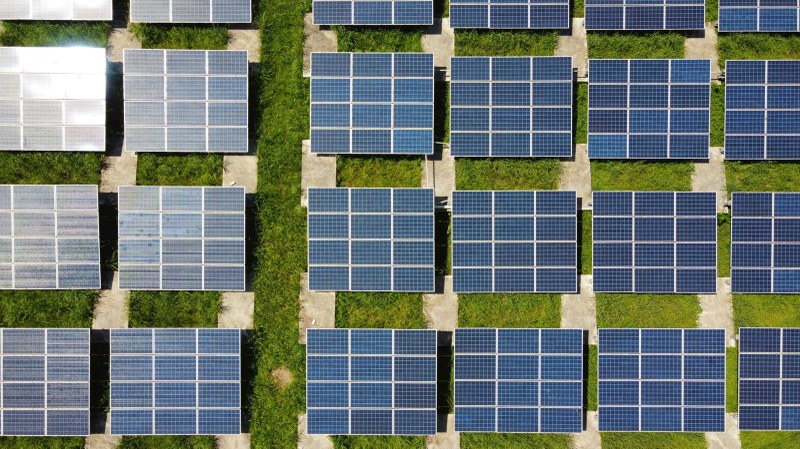
SUNSHINE - SUN Swiss Hybrid INvertEr
The SiC-MILE project demonstrates Europe's first MV-SiC modules for energy savings in drives and traction
- Institute
- Institute of Electrical Power Systems
- Research field
- Energy and environment, Electrical engineering

IT meets OT: Technical and Regulatory Safety for Industry 4.0 Machine Interfaces
Development and validation of a tool (software-based rule-book/coach) for the country-specific, safety-related and regulatory configuration of industrial machine interfaces in the context of Industry 4.0.
- Institute
- Institute of Business Engineering
- Research field
- Business processes

Artificial intelligence in production planning
In a feasibility study, the FHNW Institute of Business Engineering shows how individual AI-based planning assistants can improve the complex production planning of a company in the construction supply industry.
- Institute
- Institute of Business Engineering
- Research field
- Business processes
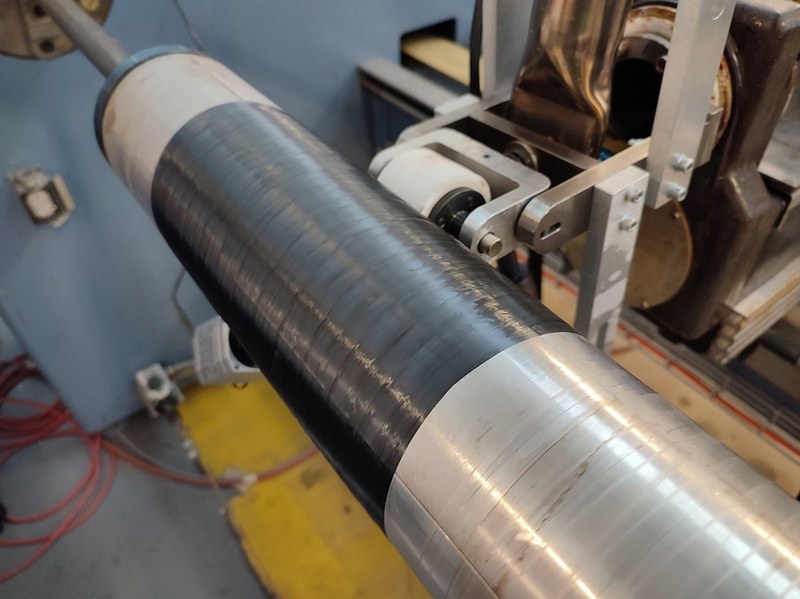
Development and Optimization of Thermoplastic Winding Technology for Manufacturing of Cryogenic Hydrogen Tanks
Hydrogen plays a central role as an energy storage and carrier in the ongoing energy transition. The aim of the project is to develop a cost-effective, high-strength, lightweight hydrogen tank made of fiber composites that has been specially developed for transporting liquid hydrogen.
- Institute
- Institute of Polymer Engineering
- Research field
- Materials
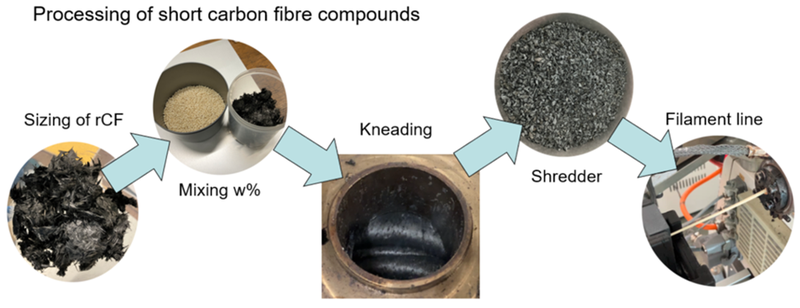
SuMa - Sustainable materials for 3D printed composite parts
High-performance composites exhibit excellent mechanical and chemical Howev-er, the comparably high costs and the negative climate balance, especially for car-bon fiber composite parts, are critical and will be even more important in future applications. The project SuMa focuses on product development of sustainable composite materials for 3D printing.
- Institute
- Institute of Polymer Engineering
- Research field
- Materials
Sustainable fibre reinforced composites
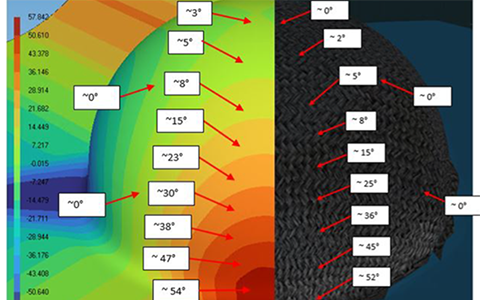
Experimental and numerical analysis of drapability in flax fiber-based textiles
- Institute
- Institute of Polymer Engineering
- Research field
- Materials

Digital Twins for Non-Destructive Evaluation of Composite Materials with Ultrasound
An innovative new method for non-destructive ultrasonic testing of laminated composite materials.
- Institute
- Institute of Polymer Engineering
- Research field
- Materials

Bipolar plates made from conductive polymer compounds
A new approach to produce innovative polymer composite bi-polar plates for polymer electrolyte membrane fuel cells
- Institute
- Institute of Polymer Engineering
- Research field
- Energy and environment, Materials

Functional surfaces from UV LED cured coatings
In the problem lies the solution for better functional coatings.
- Institute
- Institute of Polymer Nanotechnology
- Research field
- Micro- and nano-technology
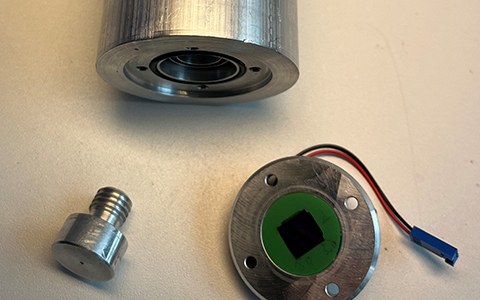
DustEar: Detection of single, micrometer sized aerosol particles by acoustic impaction
The FHNW Institute for Sensors and Electronics has developed a new measurement technology that detects aerosol particles by their impaction on a piezo transducer and allows therefore single particle mass characterization.
- Institute
- Institute for Sensors and Electronics
- Research field
- Electrical engineering, Energy and environment

Reusability of blister packaging from the medical technology industry
To save raw materials and protect our environment, it is necessary to return plastic waste to the economic cycle by recycling.
- Institute
- Institute of Polymer Engineering
- Research field
- Energy and environment, Materials

Marketing the flexibility of an e-vehicle fleet to distribution grid operators
In this project, a forecasting model is developed that estimates capacity based on time and location using booking/mobility data.
- Institute
- Institute of Electrical Power Systems
- Research field
- Energy and environment, Electrical engineering
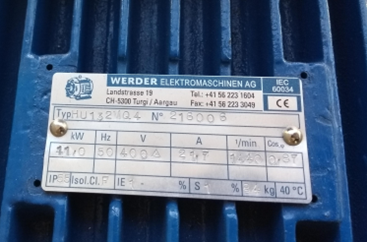
Machine Learning Approach for Induction Motor Parameter Estimation
A novel method was developed that enables the reliable determination of the electrical motor parameters through the use of machine learning.
- Institute
- Institute of Electrical Power Systems
- Research field
- Electrical engineering
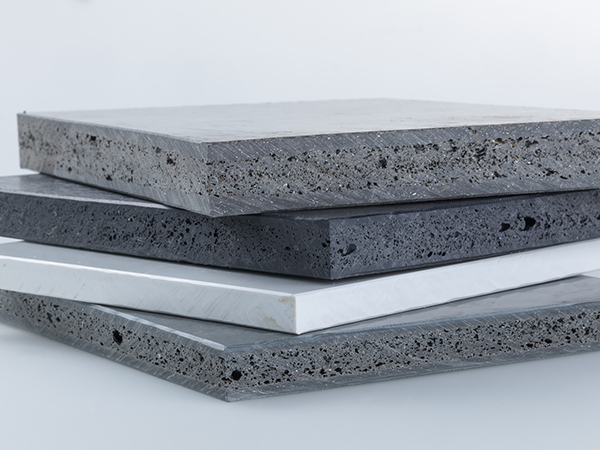
Foamed sandwich panels made of recycled mixed plastic
Together with UpBoards GmbH, recycled foamed sandwich panels made of mixed plastic were developed, including an efficient manufacturing process.
- Institute
- Institute of Polymer Engineering
- Research field
- Energy and environment, Materials
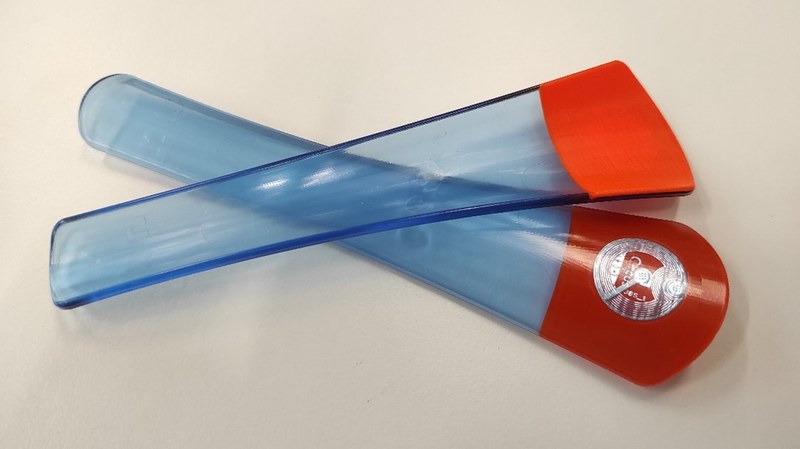
Integrated RFID tags in polymer injection molding
For the traceability of plastic components, if at all, they are marked with a simple code. The current methods for these codes are complex and do not offer the possibility of storing additional information. In the future, it should be possible to store important characteristic data of the injection molding process, the material properties and the component itself in the component by using an RFID tag.
- Institute
- Institute of Polymer Engineering
- Research field
- Energy and environment, Micro- and nano-technology

Quality enhancement through digitalisation
Using digital technologies, Biotronik significantly increases the quality of its products.
- Institute
- Institute of Data Science, Institute of Polymer Engineering, Institute of Interactive Technologies
- Research field
- Business processes, Micro- and nano-technology
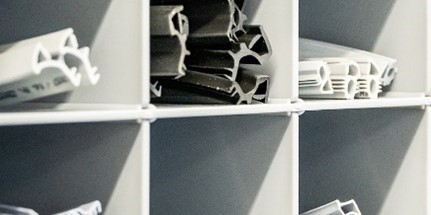
Sustainable sealing profiles made using biopolymers
The production of sealing profiles for doors and windows can be realized using sustainable biopolymers.
- Institute
- Institute of Polymer Engineering
- Research field
- Micro- and nano-technology
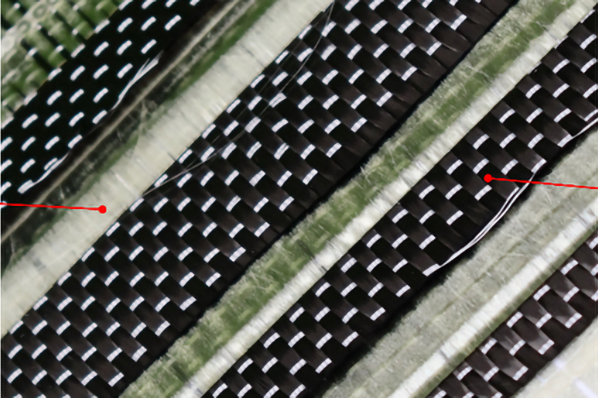
Consolidation of hybrid textiles
We develop and validate a consolidation model for the production of composites based on hybrid textiles. These consist of plies of reinforcing woven fibres and thermoplastic plies alternatively stacked.
- Institute
- Institute of Polymer Engineering
- Research field
- Micro- and nano-technology, Materials
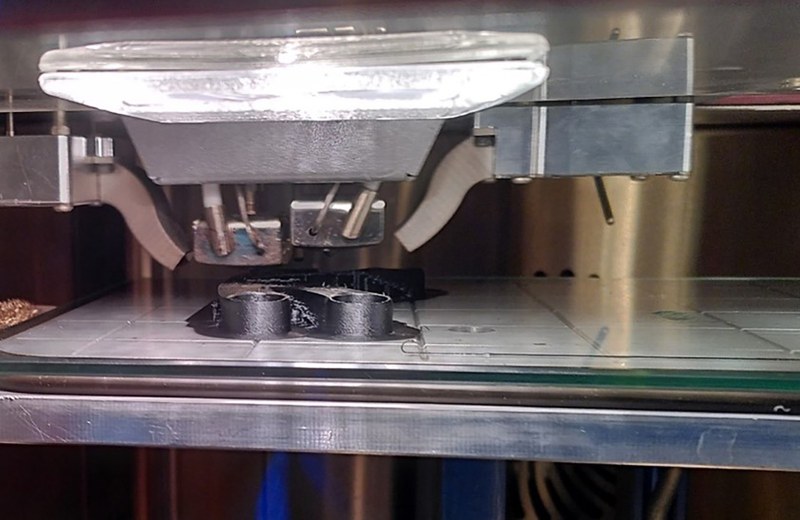
Improvement of additive manufactured parts by nanofibers
Huntsman’s Miralon material increases mechanical performance and conductivity of thermoplastics for 3D printing and injection moulding.
- Institute
- Institute of Polymer Engineering
- Research field
- Mechanical engineering, Micro- and nano-technology

Engineering of functionalized Polysiloxenes for crosslinked Polyethylene (PE-X)
Compared to pure polyethylene, PEX is more resistant for small wall thickness to electrical treeing and can withstand high thermal shocks, which makes this material suitable for electrical cable jacketing and water piping industry.
- Institute
- Institute of Polymer Engineering
- Research field
- Micro- and nano-technology
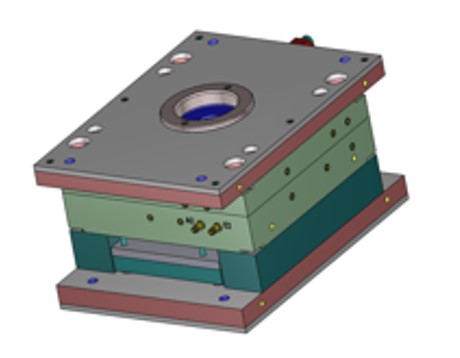
Digitization of the temperature control unit
Innovative, model-based thermal industrial systems: Tool Temp AG and three institutes of engineering at the FHNW realized a novel control technology concept.
- Institute
- Institute of Polymer Engineering, Institute for Chemistry and Bioanalytics, Institute of Automation
- Research field
- Business processes, Electrical engineering
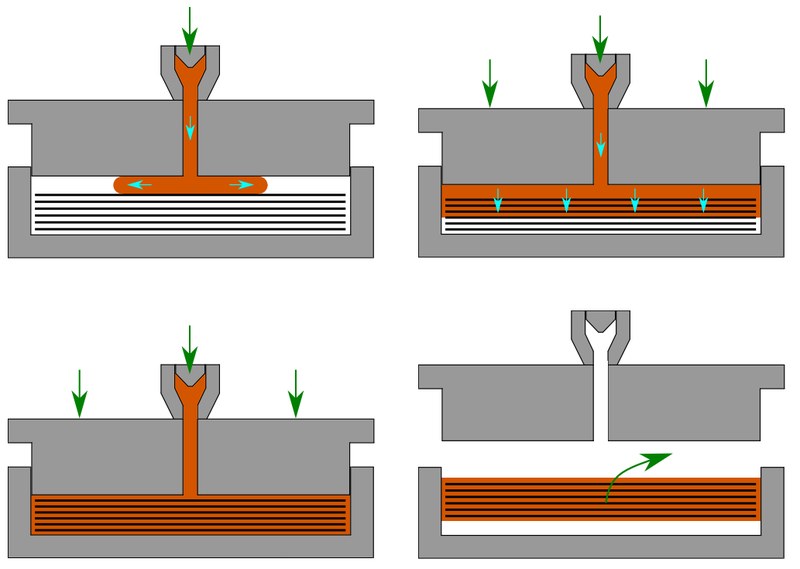
Novel method for composite production with injection compression moulding
A novel composite production method, thermoplastic compression resin transfer moulding (TP-CRTM) coupled with injection compression moulding.
- Institute
- Institute of Polymer Engineering
- Research field
- Micro- and nano-technology, Mechanical engineering
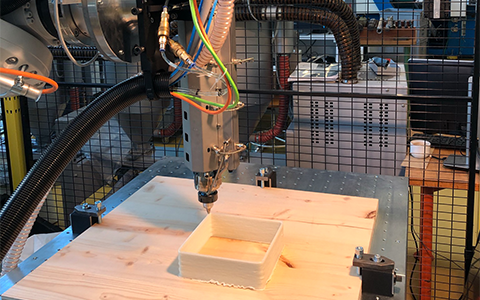
Robot-Assisted Additive Manufacturing
Robot-assisted additive manufacturing is a relatively novel but promising technology for economically producing even larger plastic components.
- Institute
- Institute of Polymer Engineering
- Research field
- Materials
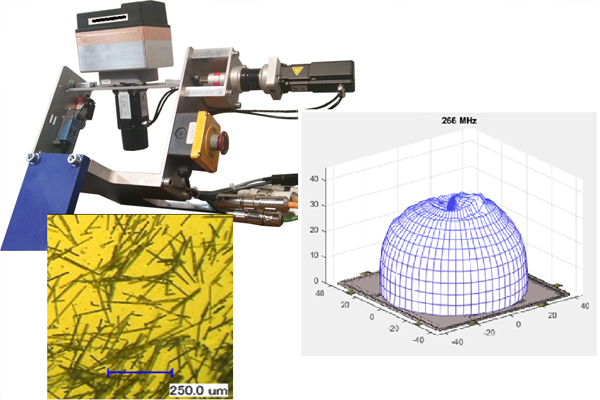
Electromagnetic shielding with conductive plastic housings
To shield interfering signals from electronics, plastics must meet high EMC requirements. They are then used as substitute materials for die-cast metal housings.
- Institute
- Institute of Polymer Engineering, Institute of Automation
- Research field
- Automation
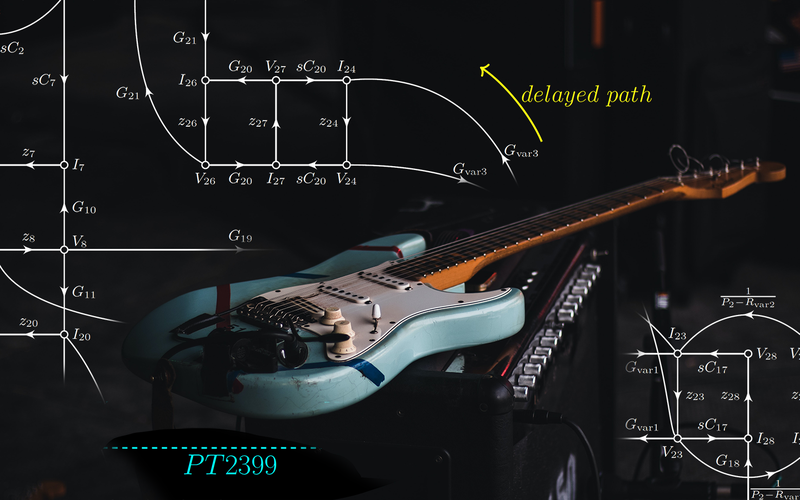
Authenticity in Music
Together with the research centre of the Academy of Music, the Institute for Sensors and Electronics is developing a method to simulate electronic equipment such as guitar amplifiers or effect devices in a purely digital environment.
- Institute
- Institute for Sensors and Electronics, Basel Academy of Music
- Research field
- Electrical engineering
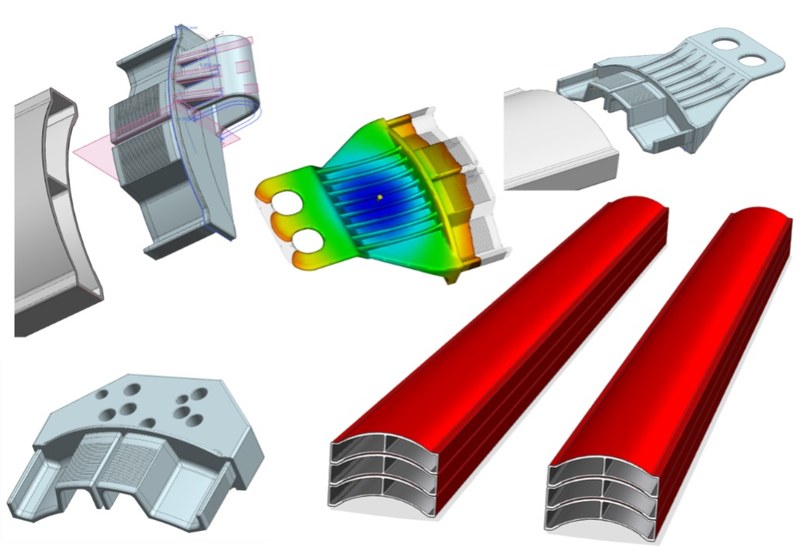
Durable toe boards made of recycled plastics
Toe boards made of recycled plastic can replace wooden boards for scaffolding construction.
- Institute
- Institute of Polymer Engineering
- Research field
- Materials
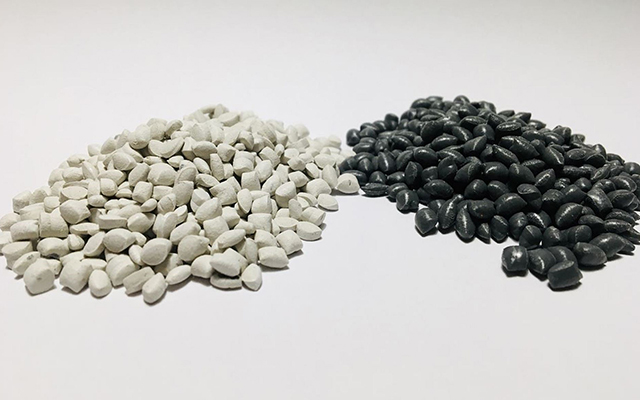
Sustainable recycling of glassfiber reinforced plastic
Plastic waste represents valuable resources. By recycling them and returning them to the materials cycle, we make our contribution to a more sustainable economy and at the same time protect our environment. Our focus is on the recycling of glass fiber-reinforced thermosets.
- Institute
- Institute of Polymer Engineering, Institute of Bioenergy and Resource Efficiency
- Research field
- Micro- and nano-technology, Energy and environment
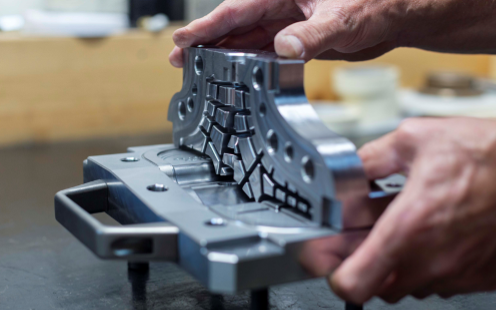
Functional prosthetic legs made of glass fiber reinforced plastic recyclate
Worldwide, 35 to 40 million people depend on prostheses and orthopedic services. Project Circleg has therefore the goal to develop a prosthetic leg system that is adapted to the needs of People with an amputation in low to middle income countries.
- Institute
- Institute of Polymer Engineering
- Research field
- Energy and environment, Materials
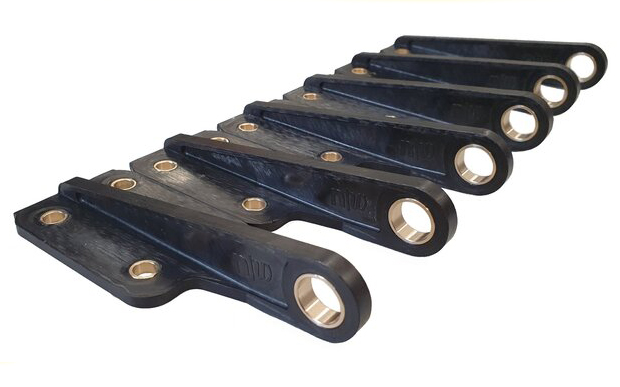
Additive Fusion Technology for 3D printed CFRP parts
The traditional production of CFRP components is very time-consuming and expensive. The Swiss start-up 9T Labs has therefore developed a new method with which composite parts can be produced in large numbers using 3D printing and post-consolidation.
- Institute
- Institute of Polymer Engineering
- Research field
- Materials
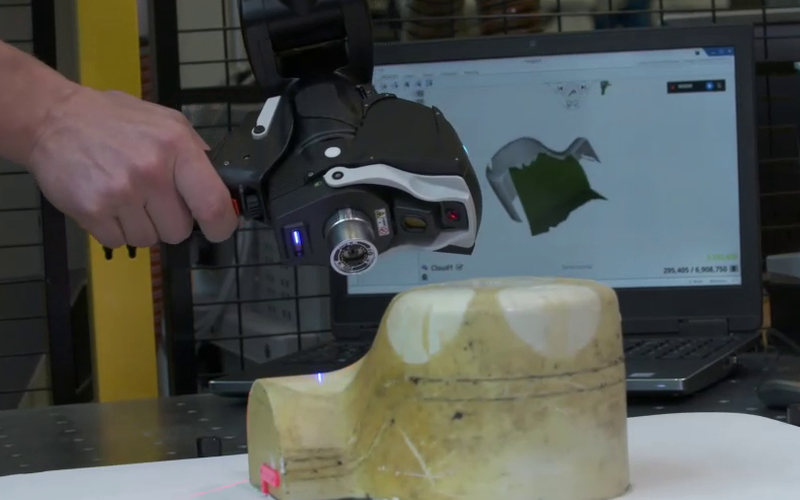
Next generation of composite manufacturing using digitalization
To optimize the production of composite materials, FHNW researchers have succeeded in enabling cyber-physical systems to monitor and transfer real production conditions to virtual environments.
- Institute
- Institute of Polymer Engineering
- Research field
- Materials

Periodic technical inspection for diesel soot emissions
In order to check the exhaust gases of road vehicles regularly, researchers from the FHNW have developed a portable measuring device.
- Institute
- Institute for Sensors and Electronics
- Research field
- Electrical engineering, Energy and environment
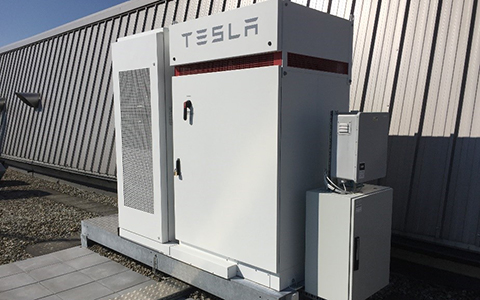
Intelligent control of a district battery system
By taking control of the system, our consortium partner may adapt the operation of a battery - integrated in his electrical distribution system - according to his needs.
- Institute
- Institute of Electrical Power Systems
- Research field
- Electrical engineering
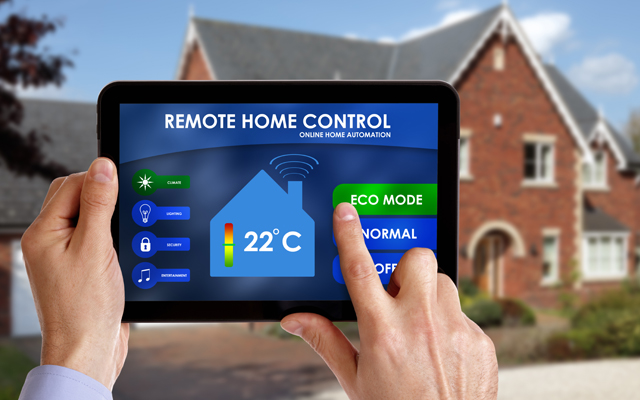
Power electronics for variable power control of boilers
With the help of a silicon controlled rectifier, the power of a hot water boiler can be adjusted precisely according to the current excess PV output power.
- Institute
- Institute of Electrical Power Systems
- Research field
- Energy and environment, Electrical engineering
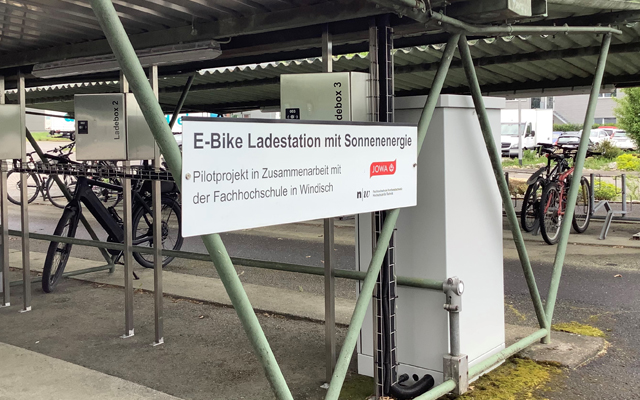
Autonomous E-Bike Charging Station
E-bikes are charged independently of the grid with 100% locally produced solar energy.
- Institute
- Institute of Electrical Power Systems
- Research field
- Energy and environment, Electrical engineering
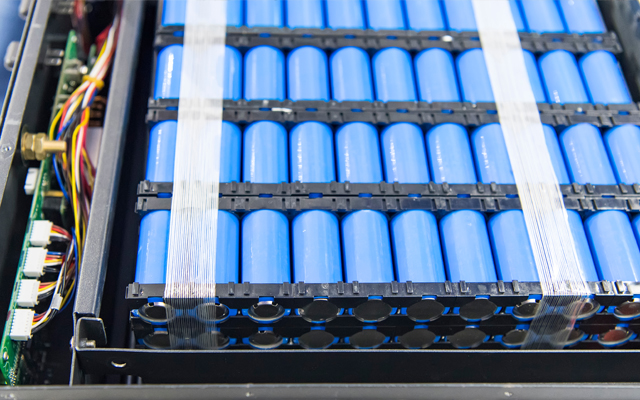
Battery-Management-Systems for 2nd-Life Lithium Batteries
Do we need improved battery management systems (BMS) to establish Li-ion batteries on the market, built from cells that have been already in use?
- Institute
- Institute of Electrical Power Systems
- Research field
- Energy and environment, Electrical engineering
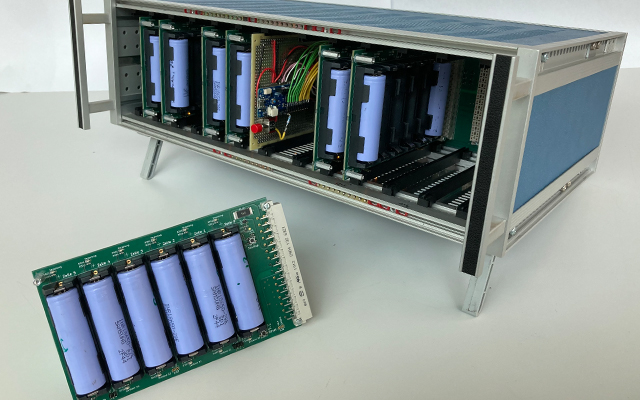
Modular and smart Li-ion battery system
An intelligent, modular battery system based on 18650 Li-Ion cells was developed, which is particularly suitable for 2nd life applications.
- Institute
- Institute of Electrical Power Systems
- Research field
- Electrical engineering, Energy and environment

Evaluation of the local Security of Supply in a Swiss Canton
Analysis of the security of electricity supply in a Swiss canton and suggestions for improvements in order to prepare the local grids for future challenges.
- Institute
- Institute of Electrical Power Systems
- Research field
- Energy and environment, Electrical engineering
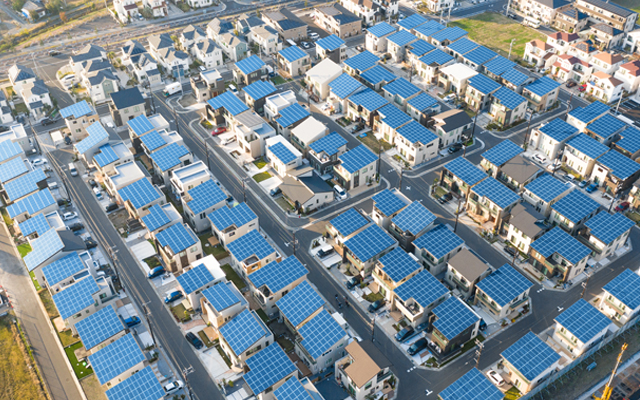
Grid friendliness of residential buildings - development of an evaluation method
With increasing fluctuation of production and consumption of electrical energy in buildings, the developed method evaluates the effects on the electrical grid.
- Institute
- Institute of Sustainability and Energy in Construction , Institute of Electrical Power Systems
- Research field
- Energy and environment, Electrical engineering

High Performance Composite Structures for high temperature loads
Development of sustainable and cost-effective fiber composites with demanding temperature and fire resistance.
- Institute
- Institute of Polymer Engineering
- Research field
- Materials, Aerospace
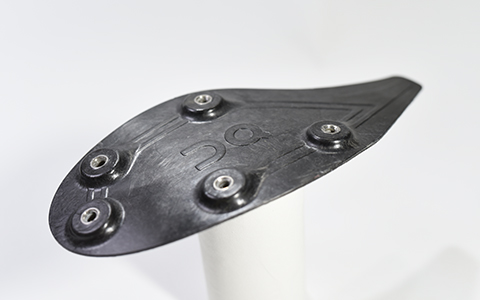
Taking waste from the aviation industry to new heights
Researchers at the FHNW have developed a cost-effective and sustainable sole made of recycled carbon fibres for a running shoe by the Swiss sports brand On.
- Institute
- Institute of Polymer Engineering
- Research field
- Materials, Aerospace, Energy and environment
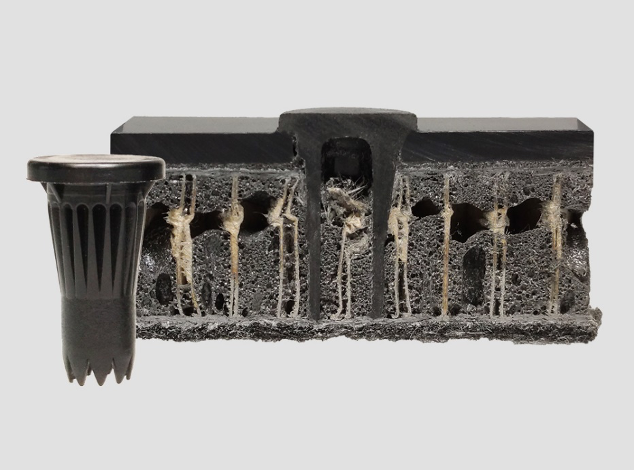
LiteWWeight®: An innovative multi-material joining technology for sandwich materials
The new technology has reached industrial maturity thanks to the collaboration between MultiMaterial-Welding AG and the Institute of Polymer Engineering at FHNW.
- Institute
- Institute of Polymer Engineering
- Research field
- Mechanical engineering, Materials

Passive Solar heated Houses (PSH) in Ladakh, India
The promotion of the passive use of solar heat for heating buildings is the goal of this international research project in cooperation with HIAL-TERI-FHNW.
- Institute
- Institute of Sustainability and Energy in Construction , Institute of Technology and Society
- Research field
- Energy and environment
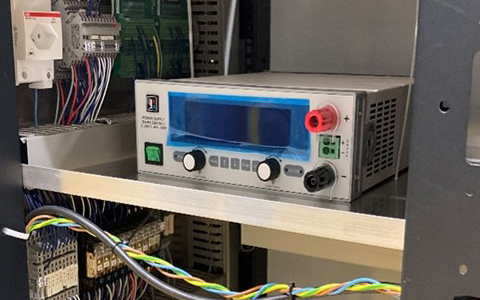
Argus: Vehicle control system test device for SBB's FLIRT
Development of a test platform that optimises and automates the I&C maintenance processes, including tests and diagnostics for hardware and software.
- Institute
- Institute of Electrical Power Systems
- Research field
- Electrical engineering
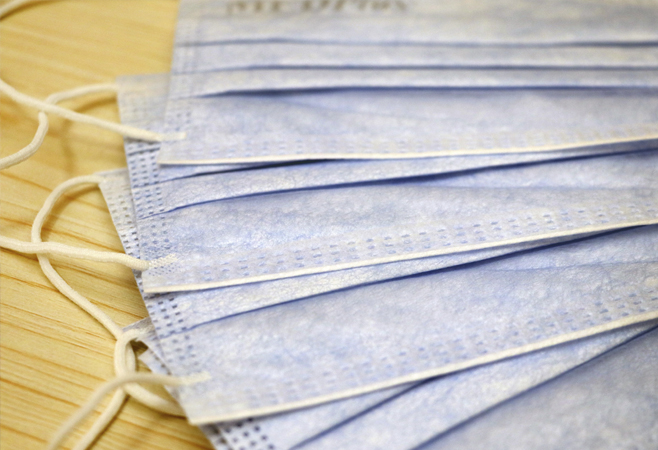
Masks on the experimental test rig: How well do they protect against fine aerosol particles?
The Particle Measurement Technology Group of the Institute of Sensor and Electronics FHNW has developed a test rig to assess the filtering efficiency of various materials used in disposable and reusable masks.
- Institute
- Institute for Sensors and Electronics
- Research field
- Electrical engineering

Smart Scheduling Recommender System
The FHNW Institute of Business Engineering is developing, in collaboration with industry partners, a Smart Scheduling Recommender System for process-centric production planning in medium sized enterprises.
- Institute
- Institute of Business Engineering
- Research field
- Business processes
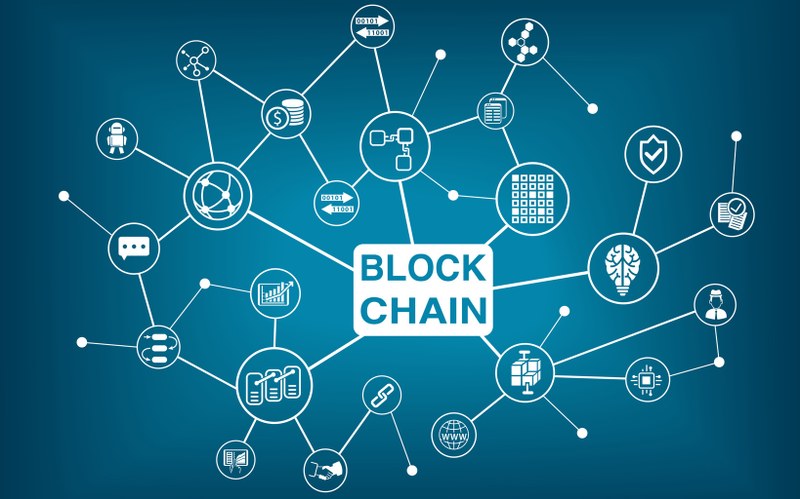
"Light Node" blockchain architecture
In cooperation with research and business partners, the FHNW Institute of Business Engineering is developing an ergonomic “Light Node” blockchain architecture for the simplified onboarding of small companies to the innovative “MedTech Blockchain Platform”.
- Institute
- Institute of Business Engineering, Institute of Mobile and Distributed Systems
- Research field
- Business processes

Avionics Certifiable Ethernet ACE
Researchers at the FHNW are developing a Media Access Controller (MAC) for Gigabit Ethernet for aviation. Functional safety plays a particularly important role here.
- Institute
- Institute for Sensors and Electronics
- Research field
- Aerospace
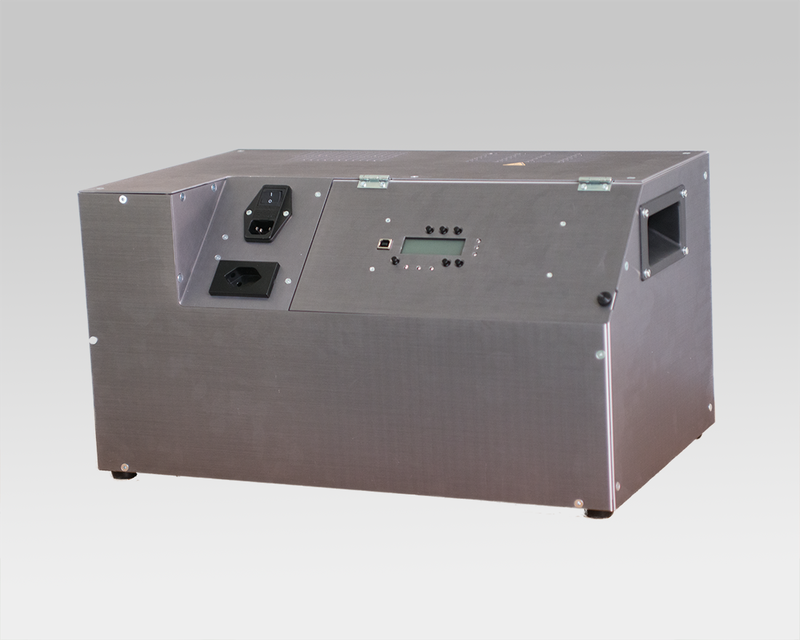
Employment of novel tools for the continuous characterization of the carbonaceous fraction in ambient aerosol
Development of a new measurement system to better understand the effects of carbonaceous aerosol on climate and public health.
- Institute
- Institute for Sensors and Electronics
- Research field
- Electrical engineering
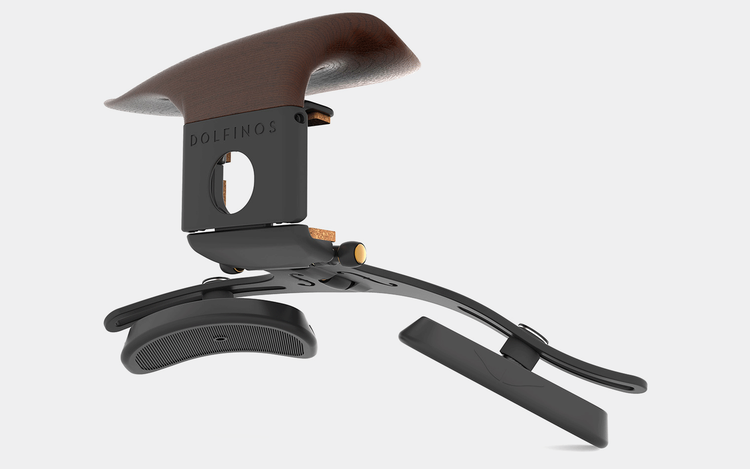
Production of a violin support with functional surfaces
Plastics experts at the FHNW University of Applied Sciences and Arts Northwestern Switzerland developed an injection-moulding production process for a violin support with functional surfaces.
- Institute
- Institute of Polymer Nanotechnology, School of Engineering and Environment
- Research field
- Micro- and nano-technology
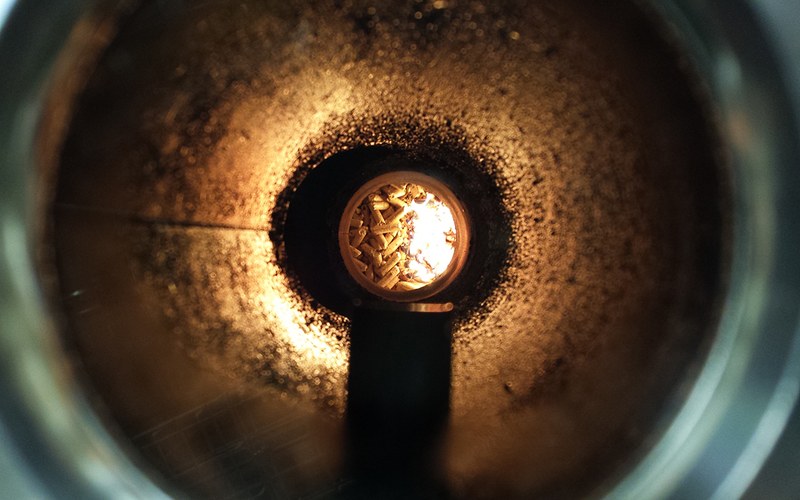
Retrofit wood gas burner
A research team at FHNW University of Applied Sciences and Arts Northwestern Switzerland is developing a wood gas burner with which old oil-fired heating systems can easily be retrofitted.
- Institute
- Institute of Bioenergy and Resource Efficiency
- Research field
- Energy and environment, Electrical engineering
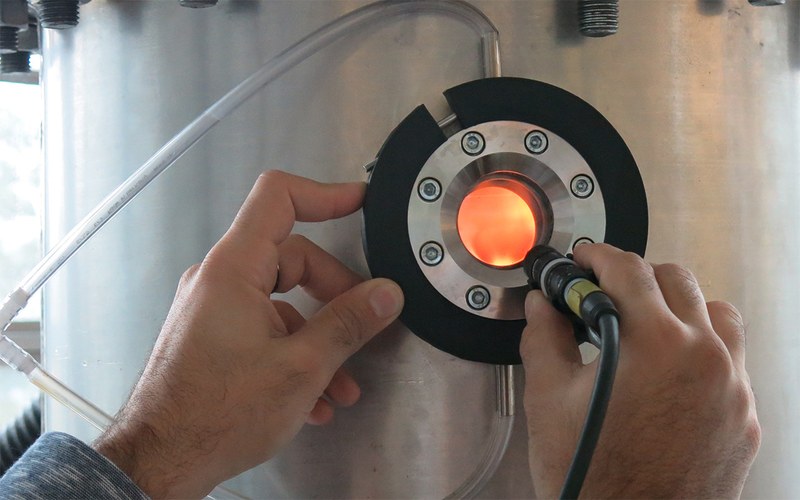
Wood dust burner for asphalt mixing plants
The aim is for the wood dust burner to be an environmentally friendly alternative to the pulverised coal burners currently used in asphalt mixing plants.
- Institute
- Institute of Thermal and Fluid Engineering, Institute of Bioenergy and Resource Efficiency
- Research field
- Energy and environment, Electrical engineering
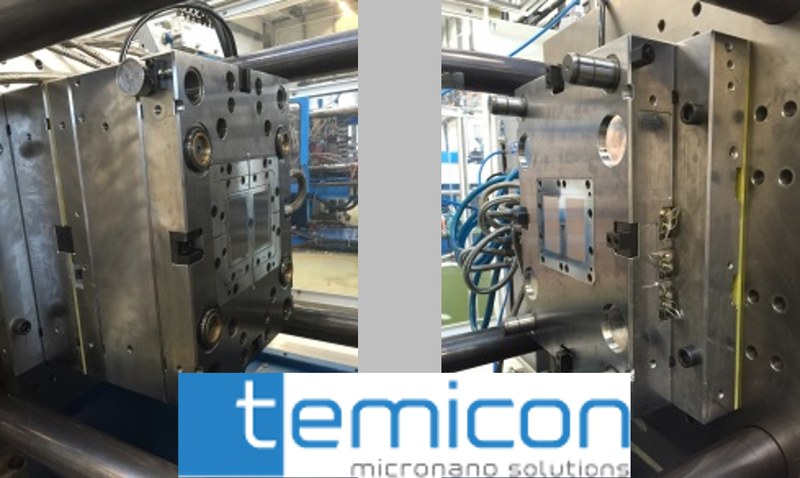
Tool concept development for large-scale microstructure moulding
Researchers at the FHNW University of Applied Sciences and Arts Northwestern Switzerland are helping Temicon to develop an industrial moulding tool.
- Institute
- Institute of Polymer Nanotechnology
- Research field
- Micro- and nano-technology
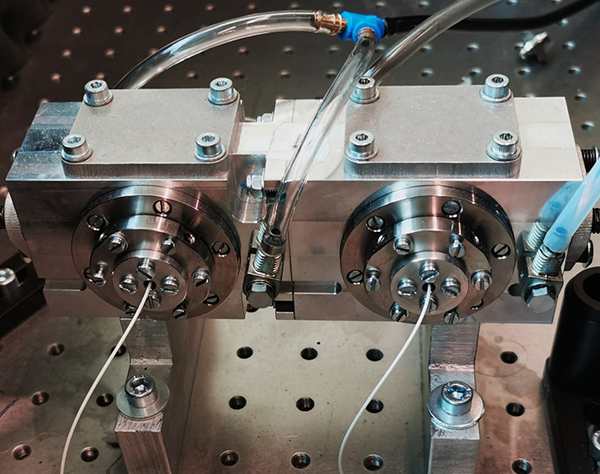
Measurement of soot particles with photothermal interferometry
The FHNW Institute for Sensors and Electronics is working on a new measurement method for detecting atmospheric soot particles.
- Institute
- Institute of Aerosol and Sensor Technology, Institute for Sensors and Electronics
- Research field
- Energy and environment, Electrical engineering

Vortex throughflow measurement in steam
Two FHNW institutes developed a new measuring method for an innovative product manufactured by Endress+Hauser.
- Institute
- Institute of Thermal and Fluid Engineering, Institute for Sensors and Electronics
- Research field
- Electrical engineering, Energy and environment
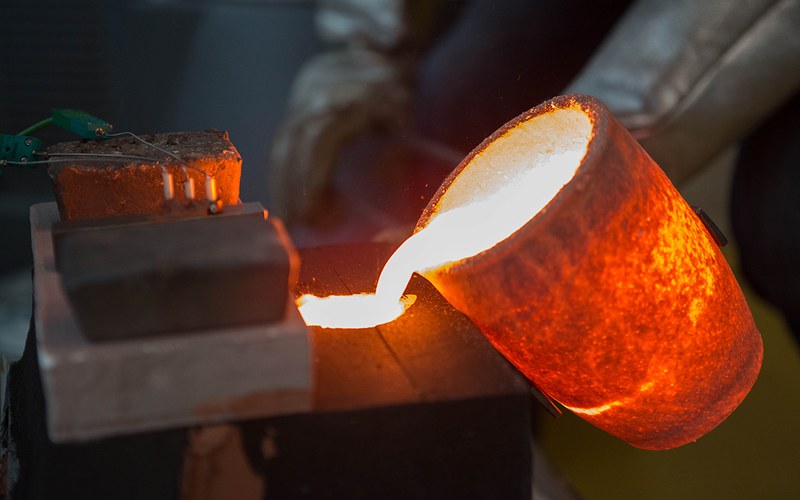
Casting simulation and experimental validation of active air cooling of cast parts
Large cast parts for gas or steam turbines or engines need days or even weeks to solidify and cool down.
- Institute
- Institute of Thermal and Fluid Engineering, Institute of Product and Production Engineering
- Research field
- Business processes, Mechanical engineering
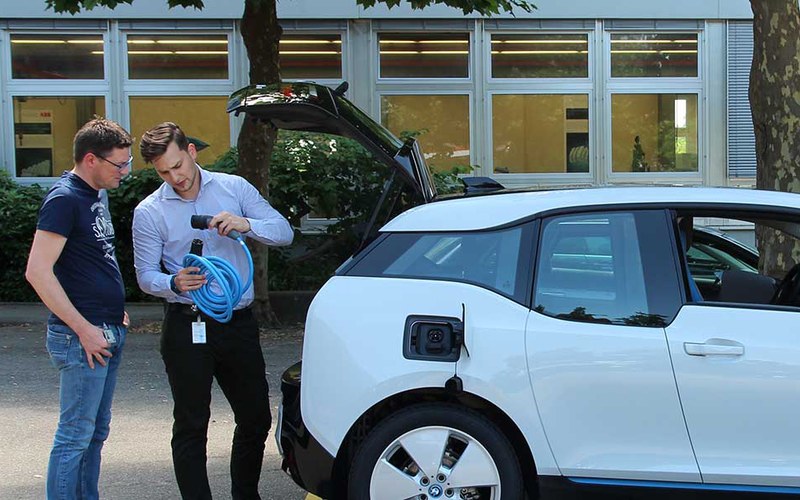
E-mobility: Climate-friendly commuting
In collaboration with numerous universities and business partners, both in Switzerland and abroad, FHNW is addressing the problem of commuter traffic.
- Research field
- Energy and environment

DUWAS: Sensor warns against volcanic ash
To increase the safety of aviation, the FHNW University of Applied Sciences and Arts Northwestern Switzerland is developing a sensor that detects volcanic ash.
- Institute
- Institute for Sensors and Electronics
- Research field
- Aerospace, Electrical engineering
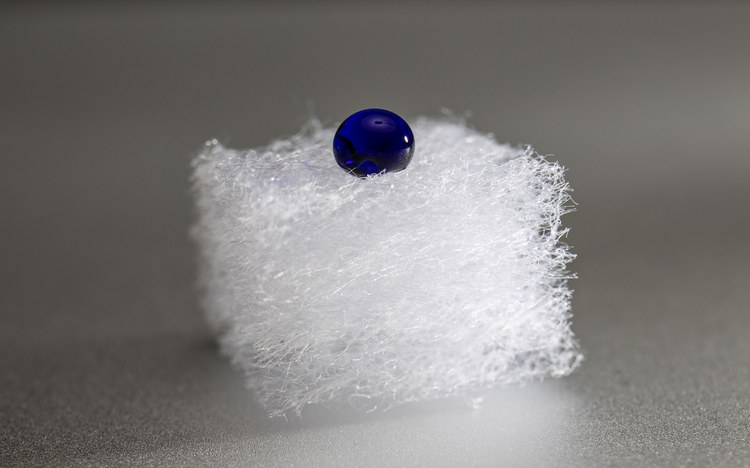
Multi-purpose functionalisation of non-woven materials by means of an e-grafting process
Researchers at the FHNW University of Applied Sciences and Arts Northwestern Switzerland are developing a non-woven material with an innovative combination of functions by means of an e-grafting process.
- Institute
- Institute of Polymer Nanotechnology
- Research field
- Micro- and nano-technology

Electrodynamic fragmentation of electronic scrap
Electronic devices are becoming increasingly complex and compact. This complicates the recycling process – which is why there are plans to introduce new and innovative processes.
- Institute
- Institute of Thermal and Fluid Engineering, Institute of Bioenergy and Resource Efficiency
- Research field
- Electrical engineering, Energy and environment
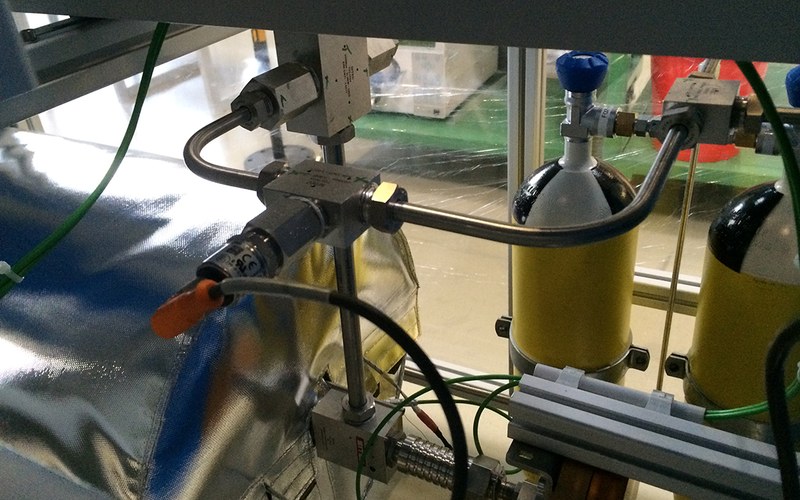
Autarky toilet
The aim of the Autarky toilet is to completely dispose of faecal matter in any location – even without an external energy source or any connections to a sewage system.
- Institute
- Institute of Bioenergy and Resource Efficiency
- Research field
- Electrical engineering, Energy and environment
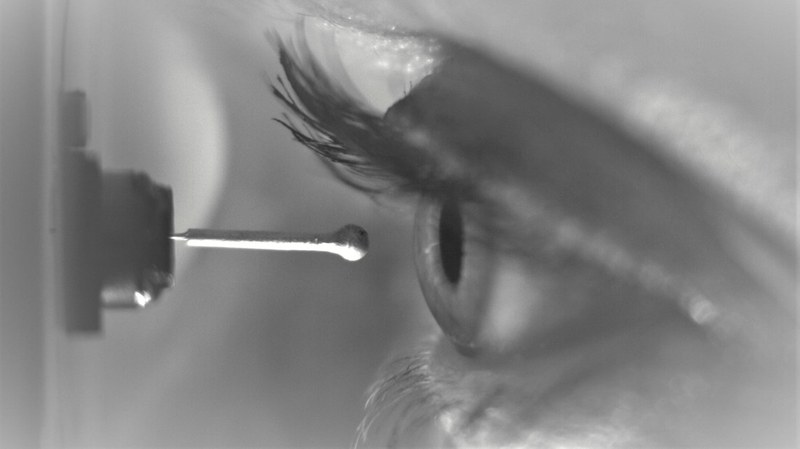
Aesthesiometer for measuring corneal sensitivity
Feasibility study for the development of an aesthesiometer.
- Institute
- Institute of Optometry, Institute for Sensors and Electronics
- Research field
- Optometry, Electrical engineering