
Are you interested in a topic and want to make use of the expertise of the FHNW School of Engineering and Environment? We will be happy to put you in touch with proven specialists.
Contact for Media Inquiries
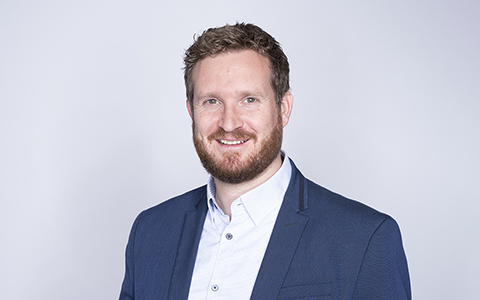
Sascha Runser
Head of Marketing and Communications at the FHNW School of Engineering and Environment
- Phone
- +41 56 202 99 11
- sascha.runser@fhnw.ch
Research Areas
Our scientists provide you with expert and focused information on the following research fields.
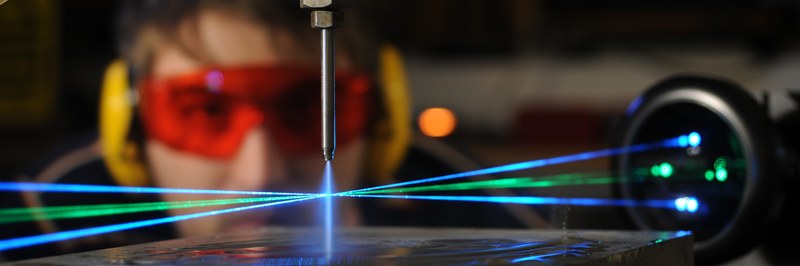
Aerospace
Development of instruments, components, and manufacturing processes for the aerospace sector.

Artificial intelligence in Engineering
Research and development in artificial intelligence.
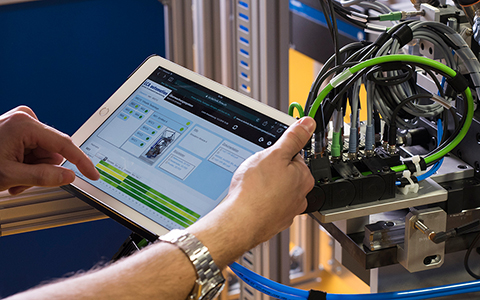
Automation
Intelligent automation solutions for industrial and infrastructure applications

Business processes
Intelligent business processes through the integration of strategies, processes, organizations, and technologies.
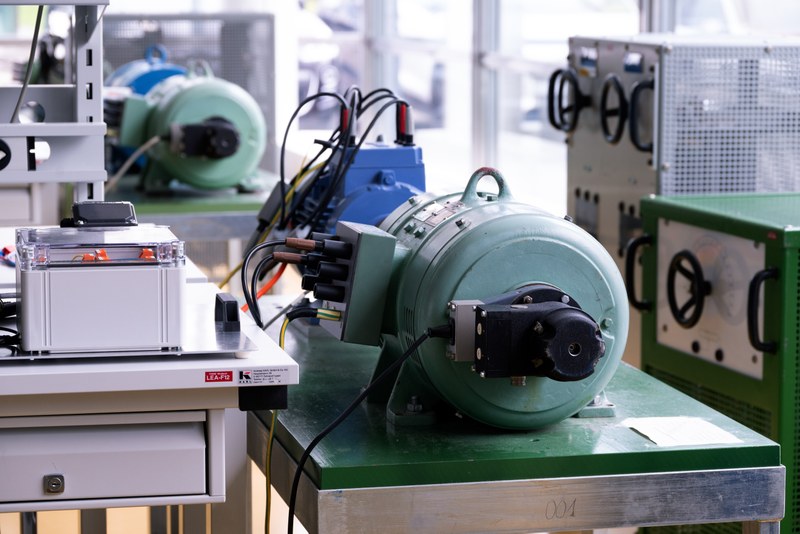
Electrical engineering
Optimization of high-power systems and development of compact components for low-power applications.
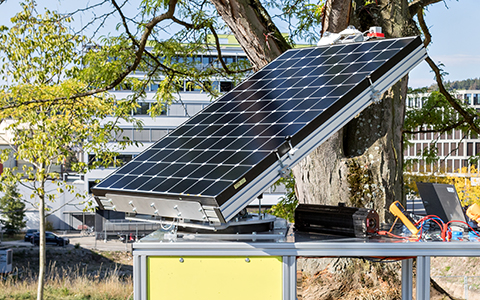
Energy and environment
We conduct research on sustainable energy systems across the entire value chain.
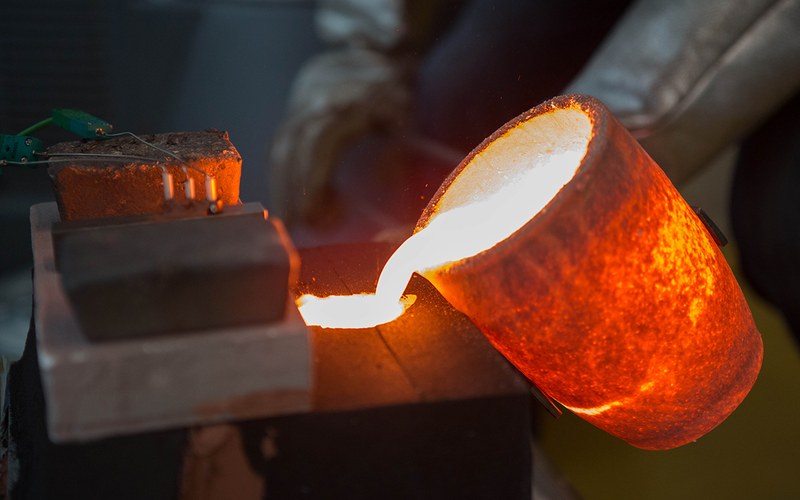
Materials
Innovative solutions in the field of materials, processes, and applications for functional plastic surfaces.
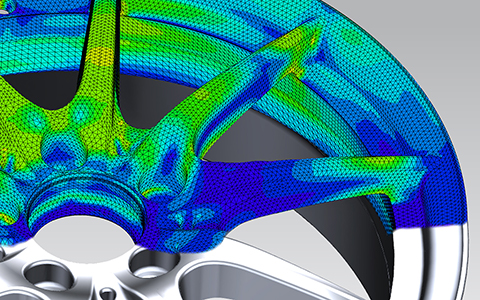
Mechanical engineering
Our research in mechanical engineering covers the entire product life cycle.
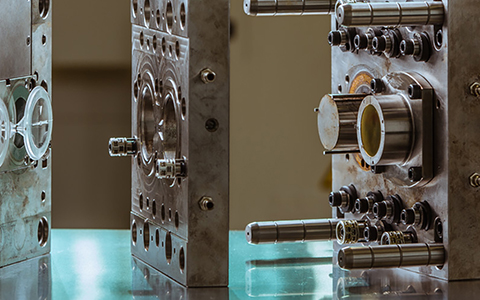
Micro- and nano-technology
Innovative solutions in materials, processes, and applications for functional plastic surfaces.
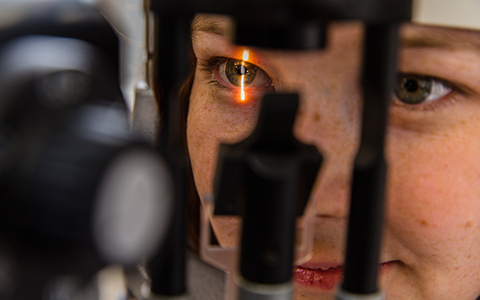
Optometry
Applied research and services related to vision and visual perception.
Social Networks
Follow us on the following channels:
Facts and Figures
News

The Future of Contact Lenses – When Vision Aids Become Smart Sensors
An evening with Prof. Lyndon Jones revealed how contact lenses may soon detect dis-eases, deliver medication, and even project valuable information into the eye.
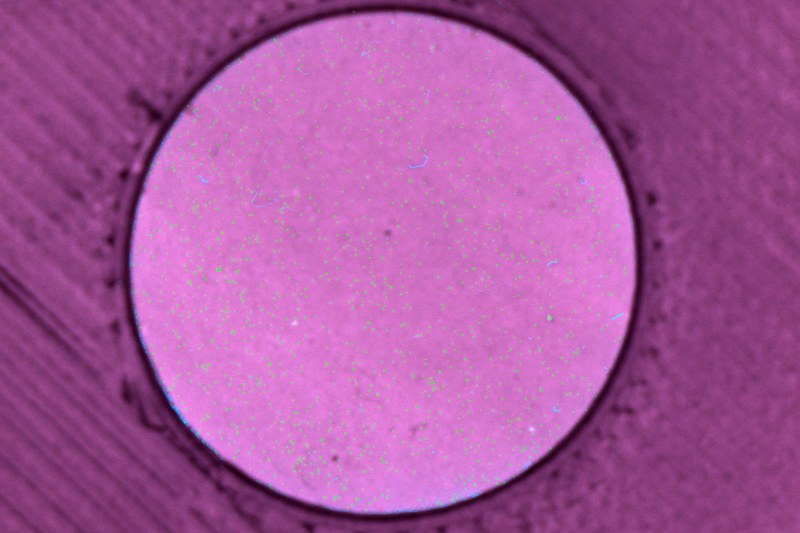
AI Microscope for Microplastics and Counterfeit Detection: High-Tech Made in Switzerland
The University of Applied Sciences and Arts Northwestern Switzerland FHNW has developed a novel microscope that uses artificial intelligence not only to detect microscopic plastic particles but also to automatically count them. Originally designed for environmental research, this innovative system is now opening up new and exciting possibilities in fields like forensics and industrial quality control – such as the detection of counterfeit coins or watches.
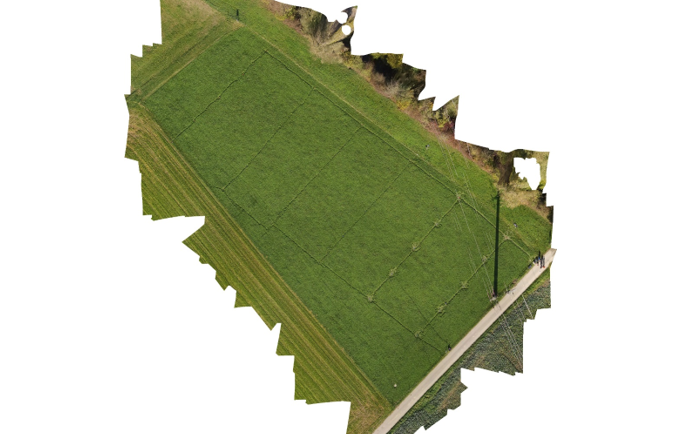
Mitigating of Macro- and Micro-Plastics in Agriculture Soils using Hyperspectral Imaging (MIRACLE)
The Institute of Biomass and Resource Efficiency FHNW recently successfully launched the SNF Practice-to-Science project Miracle. The results of the research will enable decision-makers from cantons, federal agencies, industry, environmental organizations and farmers to make long-term predictions about the impact of plastics in the environment using simple and effective means.