We help transform waste and by-products into valuable resources, turning scientific expertise into practical, sustainable solutions for industry and the environment.
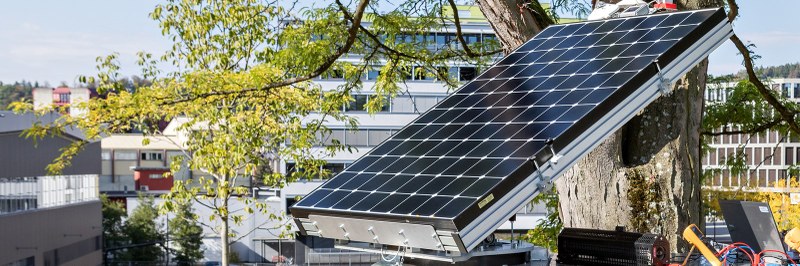
Digitalization in Waste Management
As in other sectors, processes in waste management are increasingly being digitalized. Examples include the collection and treatment of waste using sensor-assisted sorting technologies and high-performance computing. Environmental permitting and documentation requirements are also increasingly managed digitally. We use IT-based tools to better plan and control material flows and to improve resource efficiency in production and recycling facilities.
Microplastics in Soil
(Micro)plastic contamination spread to agricultural fields via compost and digestate can negatively affect soil ecosystems and organisms, both directly and indirectly. We have developed a new, innovative method for detecting plastics in soil, compost, and digestate based on hyperspectral imaging and artificial neural networks for pattern recognition. This method helps contribute to environmental protection by reducing the spread of microplastics.
Environmental Engineering
Electrodynamic Fragmentation (EDF) relies on ultrashort underwater discharges and is a technology for the efficient processing of waste streams. The University of Applied Sciences and Arts Northwestern Switzerland (FHNW) is one of the few research institutions in Switzerland equipped with an EDF laboratory for research studies. Experiments conducted at FHNW have enhanced understanding of the EDF process and enabled the development of new recycling technologies.
Digitalization and Sustainability
Sustainability2030 Conference
The Sustainability2030 conference aims to bring together experts from environmental, IT, and business disciplines and foster innovative projects and networks. SustainabilITy 2030 promotes the exchange of information, constructive discussion on digitalization in the environmental sector, and knowledge transfer among stakeholders. Participants are inspired by successful national and international digitalization projects and gain insights into funding opportunities.
CAS “Digitalization and Sustainability”
The CAS (Certificate of Advanced Studies) “Digitalization and Sustainability” focuses on the challenges of sustainable digitalization. Participants acquire the skills to identify solutions that, through subsequent implementation projects, will help shape Switzerland’s digital future. The CAS has been offered since Spring 2022.
Raw Materials
Phosphorus recycling
Metal recovery from combustion residues
Utilization of mineral waste
Developing processes for phosphorus and metal recovery contributes significantly to sustainable resource management. Currently, large amounts of mineral waste are still disposed of in landfills. This is set to change through treatment processes that improve quality and enable future utilization of mineral waste, for example in the construction industry.
Competencies
Development of IT-based tools for the recycling industry
Consulting in process and material flow optimization
Education and training in digitalization and sustainability
Assessment of environmental compatibility of processes and products
Consulting in phosphorus recycling
Development of new processes and technologies for waste utilization
Strategic and technical consulting for the waste management sector
Fundamental research on combustion residues
Selected projects
PyroScale: Pathways to Upscale Biochar Projects
- Institute
- Institute of Bioenergy and Resource Efficiency
- Research field
- Electrical engineering
Contact
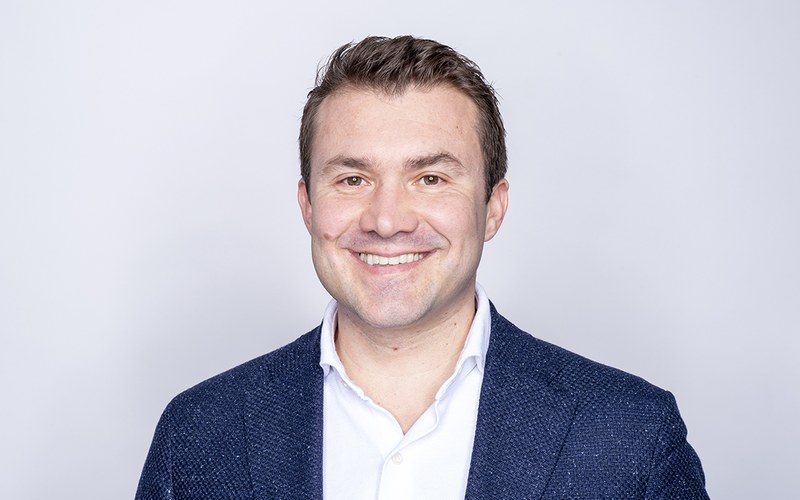
Prof. Dr. Petar Mandaliev
- Phone
- +41 56 202 87 07 (Direct)
- petar.mandaliev@fhnw.ch