Skip to main contentSkip to search barSkip to navigationSkip to footer
Logo of the University of Applied Sciences and Arts Northwestern Switzerland
  • DE
  • EN
  • Home

Ten Schools One Goal

The FHNW comprises 10 schools with different specializations. Select a school to see its specific courses, study programmes and information.

Applied Psychology

Architecture, Construction and Geomatics

Art and Design

Music

Computer Science

Life Sciences

School of Education

Social Work

Engineering and Environment

Business

  • Study offerings

    • All degree programmes
    • Master in Life Sciences
    • Master in Medical Informatics
    • Joint Degree Master in Biomedical Engineering
    • Info events
  • About degree programmes

    • Tuition fees and scholarships
    • Digital Life Sciences
  • International

    • Outgoing Students
    • Incoming Students
    • Double Degree
    • Partner universities
    • Student stories
    • Buddy programme
    • News and stories
  • Continuing education offerings

    • All continuing educations
    • CAS - Certificate of Advanced Studies
    • Modules and Seminars
    • Info events
  • Organisation

    • Consulting services
    • Legal information and terms & conditions
  • Research

    • Research fields
    • Projects
  • Collaboration

    • Process Technology Centre
    • Services
    • Tech Transfer Office
    • Student projects
  • International

    • Study abroad
    • International research projects
  • Updates and insights

    • News and stories
    • Research highlights
  • Events

    • All events
    • Info events
  • Media corner

  • About the School of Life Sciences

    • Strategy and values
    • Management board
    • Staff
    • Advisory board
    • People directory
    • Diversity and equal opportunities
    • Media corner
    • Infrastructure and campus
  • Institutes and centres

    • Institute for Chemistry and Bioanalytics
    • Institute for Ecopreneurship
    • Institute for Medical Engineering and Medical Informatics
    • Institute for Pharma Technology and Biotechnology
    • Centre for Teaching and Learning
    • Process Technology Centre
Logo of the University of Applied Sciences and Arts Northwestern Switzerland
  • About the School
    • School
    • Degree Programmes
    • Continuing Education
    • Research
    • Events
  • Social Media
    • Facebook
    • Instagram
    • YouTube
    • LinkedIn
  • About FHNW
    • Organisation
    • Schools
    • Locations
    • FHNW Library
    • Media Relations
  • Support
    • IT Support
    • Inside FHNW
    • Webmail
  • Data Protection
  • Imprint
  • Accessibility
  • Study offerings

    • All degree programmes
    • Master in Life Sciences
    • Master in Medical Informatics
    • Joint Degree Master in Biomedical Engineering
    • Info events
  • About degree programmes

    • Tuition fees and scholarships
    • Digital Life Sciences
  • International

    • Outgoing Students
    • Incoming Students
    • Double Degree
    • Partner universities
    • Student stories
    • Buddy programme
    • News and stories
  • Continuing education offerings

    • All continuing educations
    • CAS - Certificate of Advanced Studies
    • Modules and Seminars
    • Info events
  • Organisation

    • Consulting services
    • Legal information and terms & conditions
  • Research

    • Research fields
    • Projects
  • Collaboration

    • Process Technology Centre
    • Services
    • Tech Transfer Office
    • Student projects
  • International

    • Study abroad
    • International research projects
  • Updates and insights

    • News and stories
    • Research highlights
  • Events

    • All events
    • Info events
  • Media corner

  • About the School of Life Sciences

    • Strategy and values
    • Management board
    • Staff
    • Advisory board
    • People directory
    • Diversity and equal opportunities
    • Media corner
    • Infrastructure and campus
  • Institutes and centres

    • Institute for Chemistry and Bioanalytics
    • Institute for Ecopreneurship
    • Institute for Medical Engineering and Medical Informatics
    • Institute for Pharma Technology and Biotechnology
    • Centre for Teaching and Learning
    • Process Technology Centre

Type a search term and search continuing education,degree programmes, events, documents and other content.

  • Life Sciences
  • Continuing education
  • Continuing education offerings
  • All continuing education programmes
All continuing education programmes

CAS Systematic Review Information Specialist, FHNW School of Life Sciences

School of Life Sciences


Boost your expertise in research and publication support for systematic searching and transparent & reproducible reporting of evidence-synthesising secondary studies. From conducting systematic reviews to effectively advising researchers - this programme makes you a key resource in systematic review support.

Max. number of participants: 16
CAS Systematic Review Information System.jpg

Factsheet

Degree
Certificate of Advanced Studies FHNW Systematic Review Information Specialist
Learning environment
Online and Onsite
ECTS points
10
Next start
15.1.2027
Teaching languages
English
Venues
Online and FHNW Campus Muttenz
Fee
CHF 4 800 (Early Bird)*

At a glance

  • Expand your skills in conducting systematic literature searches.
  • Learn to create transparent, reproducible reports.
  • Provide specific methodological advice and stay up to date with the latest developments.
  • Benefit from an interdisciplinary programme with a strong focus on health-related fields and real-world, practice-based examples.

Aims and benefits

Expand your expertise in conducting systematic reviews and stay up to date with the latest methodological developments. The FHNW Campus Muttenz Library and Basel University Medical Library offer a certified continuing education programme for research and publication support of systematic reviews (and related study types) at the FHNW School of Life Sciences. 

Upon completing the CAS programme, you will be able to:

  • Understand the tasks and roles of information specialists
  • Carry out systematic reviews in a complete, transparent and reproducible manner by understanding and applying the necessary methodological requirements
  • Use specific guidelines, frameworks and digital tools to perform each step of a systematic review
  • Apply qualitative and quantitative methods to synthesise evidence, conduct an independent systematic literature search in a relevant field, document it and write it up as part of a scientific publication
  • Develop and implement strategies to establish and promote the service within your institution
  • Advise researchers effectively on systematic reviews
  • Actively follow methodological developments in systematic review implementation and continuously expand your knowledge independently by using key resources

You complete the continuing education programme with an individual thesis on a systematic review project – enabling you to apply your knowledge directly in your professional setting.


Target audience

This part-time programme is designed for university graduates from all empirical disciplines – especially those working in academic libraries, universities or research institutions – who regularly support or contribute to systematic reviews. Whether you are already active in the field or looking to deepen your involvement, this CAS offers the advanced knowledge and practical tools you need to succeed.

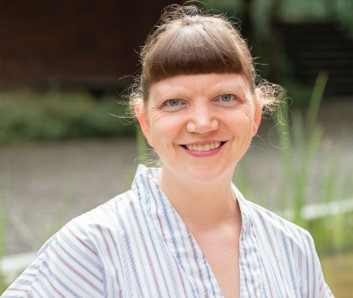
The CAS Systematic Review Information Specialist programme offered excellent complementary training for my professional development from medical communications specialist to research librarian and information specialist in a university library. The combination of in-person and online class time integrated well with my work schedule. The in-class exercises and final project provided opportunities for immediate application of the skills learned during the course. Access to FHNW resources facilitated familiarization with a broad range of subject area-specific bibliographical databases. Finally, the diverse group of participants and instructors synergized to create a supportive and collaborative learning environment – what more could one want from continuing professional education?
Alisa Berger, Liaison Librarian Medicine
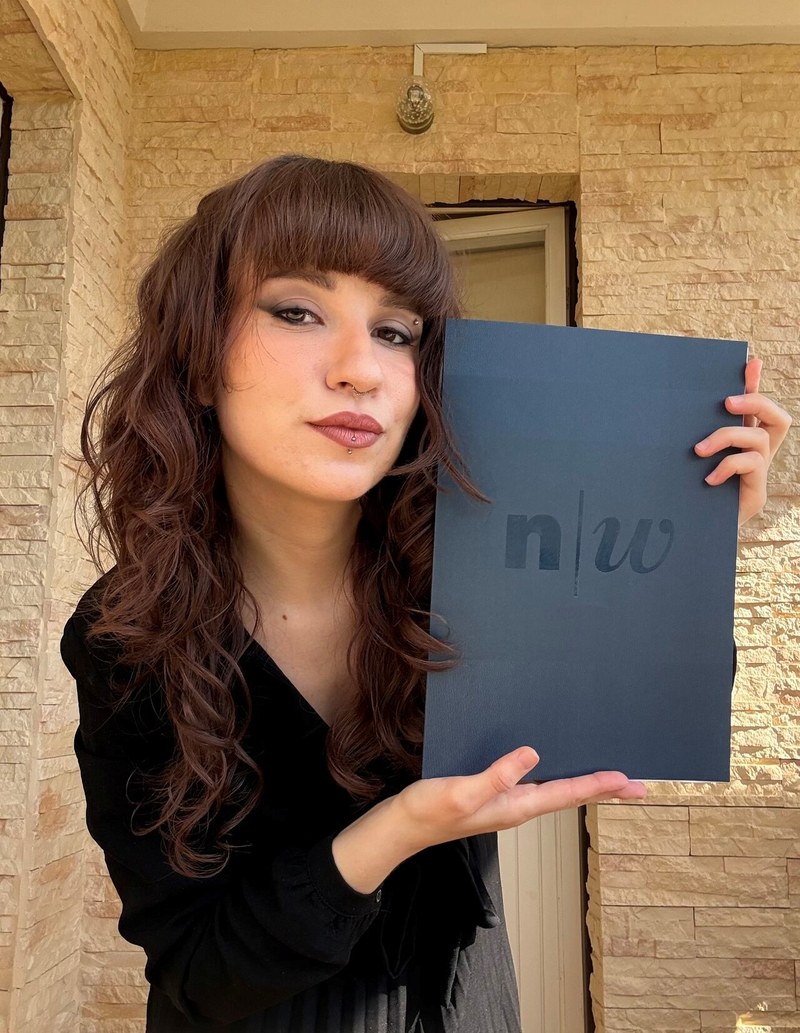
This CAS provided me with a great deal of methodological and practical information. The many practical exercises helped me to understand the subtleties of systematic reviews. The learning process is facilitated by competent and supportive lecturers who apply teaching methods that are adapted to a public that is already expert in the field of scientific information research.
Raphaël Grolimund, Bibliothécaire documentaliste archiviste, Infothèque HEG Genève

Structure and programme contents

In the five focused modules of this part-time programme, you will gain in-depth knowledge and acquire practical skills to apply directly in your professional practice.

Module 1: Introduction and methodology
  • Fields of activity, professional background, roles and review types
  • Systematic review process, guidelines and frameworks
  • Formulating a research question and developing a publication/dissemination plan
  • Protocol/preregistration
  • Evaluating the quality of studies
  • Synthesising qualitative and quantitative research results
Module 2: Search strategy and search tools
  • Developing a search strategy
  • Selecting search tools and search syntax, compiling search terms
  • Testing
Module 3: Carrying out a search and referencing
  • Auto Alerts
  • Exporting references
  • De-duplicating and screening references
  • Obtaining full texts
  • Citation searching
  • Updating the search
Module 4: Documenting and reporting the search
  • Specific guidelines, checklists
  • Analysing different types of documentation/reporting
  • Publishing your search strategy
Module 5: Service implementation
  • Strategic approach
  • Designing the service
  • Practising support sessions
  • Curating materials

Lecturers

  • PD Dr. Christian Appenzeller-Herzog (University Medical Library Basel)
  • Dr. Hannah Ewald (University Medical Library Basel)
  • Dr. Thomas Fürst (University Medical Library Basel)
  • Dr. Heike Gerger (Department of Family Medicine, Maastricht University and Erasmus Medical Center Rotterdam)
  • Dr. Julian Hirt (RefHunter; Department of Clinical Research, University of Basel; OST - University of Applied Sciences of Eastern Switzerland)
  • Dr. Andreas Ledl (Head of New Philologies, Economics and Educational Science, Zurich University Library)
  • Dr. Maria-Inti Metzendorf (Institute of General Medicine, Faculty of Medicine, Heinrich Heine University Düsseldorf)
  • Monika Wechsler (University Medical Library Basel)

All lecturers are fluent in German and can help if critical understanding issues arise during the live lessons.


Requirements and admission

At least one of the following admission requirements must be met:

  • Tertiary educational qualification (at least Bachelor’s degree level) and relevant professional experience.
  • Federal Diploma of Higher Education (from a Swiss “Höhere Fachschule” or “eidg. HFP” or “eidg. BP”) and at least 3 years’ professional experience in a subject relevant to the programme.
  • At least 5 years’ professional experience in a subject relevant to the programme and successful completion of continuing education courses (in-company or CAS/MAS/DAS), or partially completed tertiary education (> 50%).

As the instruction and educational materials are in English, proficiency in English (minimum level C1) is a prerequisite.


Organisational matters

Format

The CAS requires around 250 hours of work, divided into:

  • 3 attendance blocks of 2.5 days each (Fri/Sat plus Sunday morning in January, February and May)
  • 48 online lessons (16 evenings on Thursdays between 4 and 7 pm latest, from January to June)
  • Final thesis (approx. 50–60 hours, July to December)

For accommodation during attendance blocks in Muttenz, please note that prices may be more affordable in close by towns in Germany or France. Near Muttenz we recommend the following hotels:

  • Hotel Baslertor
  • Coop Hotel
  • Gaia Hotel (10 % discount on request available)

Public transport within the greater Basel area is excellent, we recommend the SBB app or the TNW app for easy public transport navigation.

Fee

*Early Bird discount valid until 30.6.26, afterwards the regular fee of CHF 5 600 applies.

Downloads

Programme specific

  • Factsheet CAS Systematic Review Information Specialist (PDF)
  • Programme Description CAS Systematic Review Information Specialist (PDF)

General Documents

All general documents can be found here.


Advising and information events

Contact

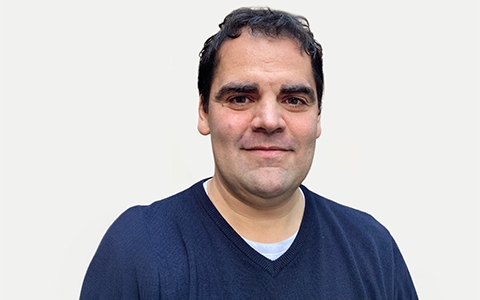
Thomas Fürst

Dr. Thomas Fürst

Head of programme and lecturer CAS Systematic Review Information Specialist
Phone
+41 61 207 31 96 (Direct)
E-Mail
thomas.fuerst@fhnw.ch
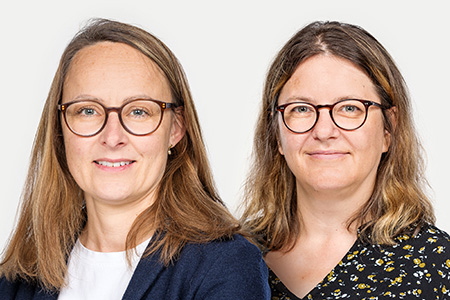
Elzbieta Lehmann and Nicole Widmann

Elzbieta Lehmann and Nicole Widmann

Phone
+41 61 228 55 40
E-Mail
weiterbildung.lifesciences@fhnw.ch

Information events

Loading...


Registration

Register now!

CAS Systematic Review Information Specialist
15 January 2027

Date
15.1.2027
Place
Online and FHNW Campus Muttenz
Final application date
13.9.2026
Number of seats
16
Notes
Maximum participants: 16
Register

School of
Life Sciences FHNW University of Applied Sciences and Arts Northwestern Switzerland

  • About the School
    • School
    • Degree Programmes
    • Continuing Education
    • Research
    • Events
  • Social Media
    • Facebook
    • Instagram
    • YouTube
    • LinkedIn
  • About FHNW
    • Organisation
    • Schools
    • Locations
    • FHNW Library
    • Media Relations
  • Support
    • IT Support
    • Inside FHNW
    • Webmail
Logo FHNW - 20 Years
Logo Swiss Universities
Logo European University Association
© University of Applied Sciences and Arts Northwestern Switzerland (FHNW)
  • Data Protection
  • Imprint
  • Accessibility
  • DE
  • EN