Skip to main contentSkip to search barSkip to navigationSkip to footer
Logo of the University of Applied Sciences and Arts Northwestern Switzerland
  • EN
  • Home

Ten Schools One Goal

The FHNW comprises 10 schools with different specializations. Select a school to see its specific courses, study programmes and information.

Applied Psychology

Architecture, Construction and Geomatics

Art and Design

Business

Computer Science

Engineering and Environment

Life Sciences

Music

School of Education

Social Work

  • Study offerings

    • All degree programmes
    • Master in Life Sciences
    • Master in Medical Informatics
    • Joint Degree Master in Biomedical Engineering
    • Info Events
  • About degree programmes

    • Tuition fees and scholarships
    • Digital Life Sciences
  • International

    • Outgoing Students
    • Incoming Students
    • Double Degree
    • Partner universities
    • Student stories
    • Buddy programme
    • News and stories
  • Continuing education offerings

    • All continuing educations
    • CAS - Certificate of Advanced Studies
    • Modules and Seminars
    • Info Events
  • Organisation

    • Consulting services
    • Legal information and terms & conditions
  • Research

    • Research fields
    • Projects
    • Institutes and centres
  • Collaboration

    • Process Technology Centre
    • Services
    • Tech Transfer Office
    • Student projects
  • International

    • Study abroad
    • International research projects
  • Updates and insights

    • News and stories
    • Research highlights
  • Events

    • All events
    • Info Events
  • Media corner

  • About the School of Life Sciences

    • Strategy and values
    • Management board
    • Administration and service staff
    • Advisory board
    • People directory
    • Diversity and equal opportunities
    • Media corner
    • Infrastructure and campus
  • Institutes and centres

    • Institute for Chemistry and Bioanalytics
    • Institute for Ecopreneurship
    • Institute for Medical Engineering and Medical Informatics
    • Institute for Pharma Technology and Biotechnology
    • Centre for Teaching and Learning
    • Process Technology Centre
Logo of the University of Applied Sciences and Arts Northwestern Switzerland
  • About the School
    • School
    • Degree Programmes
    • Continuing Education
    • Research
    • Events
  • Social Media
    • Facebook
    • Instagram
    • YouTube
    • LinkedIn
  • About FHNW
    • Organisation
    • Schools
    • Locations
    • FHNW Library
    • Media Relations
  • Support
    • IT Support
    • Inside FHNW
    • Webmail
  • Data Protection
  • Imprint
  • Accessibility
  • Study offerings

    • All degree programmes
    • Master in Life Sciences
    • Master in Medical Informatics
    • Joint Degree Master in Biomedical Engineering
    • Info Events
  • About degree programmes

    • Tuition fees and scholarships
    • Digital Life Sciences
  • International

    • Outgoing Students
    • Incoming Students
    • Double Degree
    • Partner universities
    • Student stories
    • Buddy programme
    • News and stories
  • Continuing education offerings

    • All continuing educations
    • CAS - Certificate of Advanced Studies
    • Modules and Seminars
    • Info Events
  • Organisation

    • Consulting services
    • Legal information and terms & conditions
  • Research

    • Research fields
    • Projects
    • Institutes and centres
  • Collaboration

    • Process Technology Centre
    • Services
    • Tech Transfer Office
    • Student projects
  • International

    • Study abroad
    • International research projects
  • Updates and insights

    • News and stories
    • Research highlights
  • Events

    • All events
    • Info Events
  • Media corner

  • About the School of Life Sciences

    • Strategy and values
    • Management board
    • Administration and service staff
    • Advisory board
    • People directory
    • Diversity and equal opportunities
    • Media corner
    • Infrastructure and campus
  • Institutes and centres

    • Institute for Chemistry and Bioanalytics
    • Institute for Ecopreneurship
    • Institute for Medical Engineering and Medical Informatics
    • Institute for Pharma Technology and Biotechnology
    • Centre for Teaching and Learning
    • Process Technology Centre

Type a search term and search continuing education,degree programmes, events, documents and other content.

Australia, BSc Bioanalytics and Cell Biology, FHNW School of Life Sciences

6.4.2026 – School of Life Sciences


  • Life Sciences
  • News and events
  • News and Stories
  • All news and stories
All news and stories
header_sandra.jpg

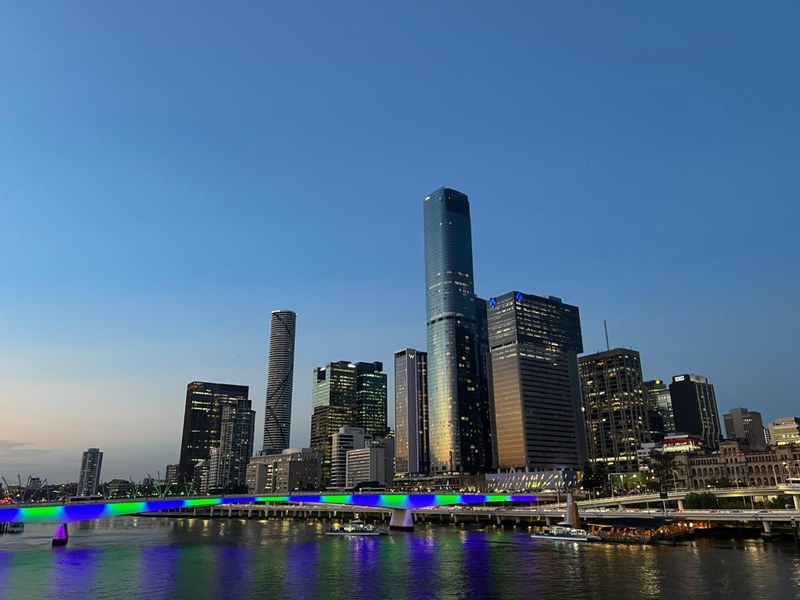
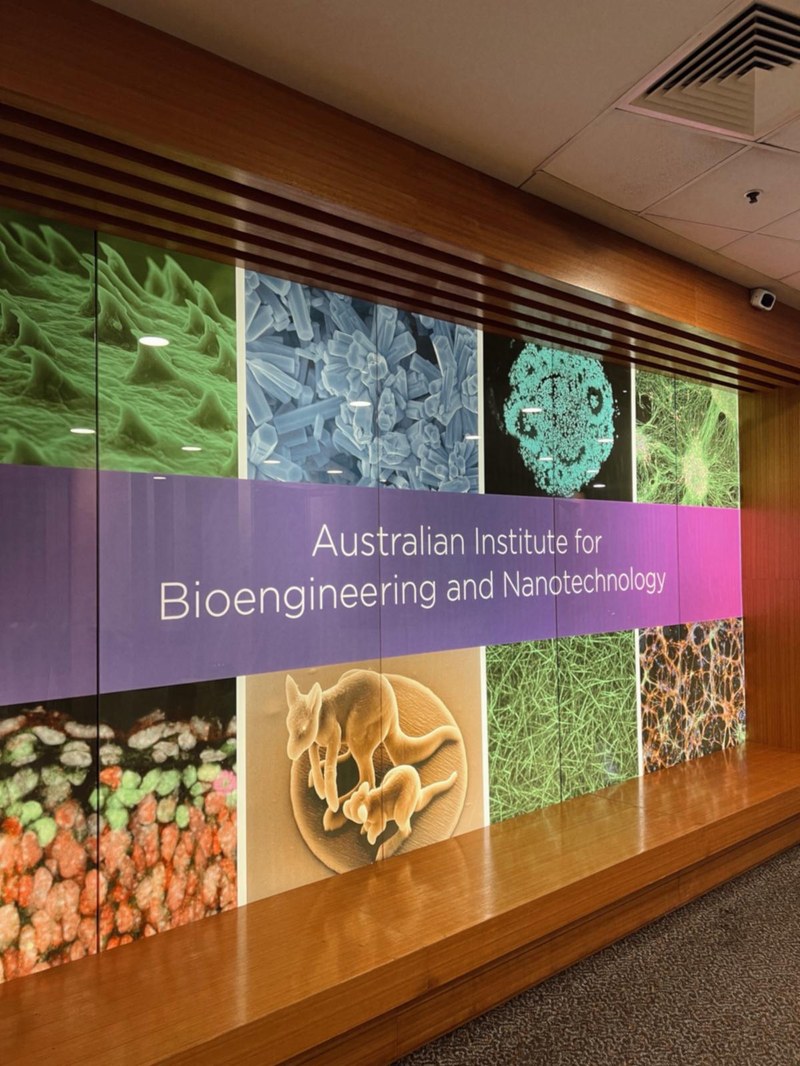
In 2026, Sandra Tenisch conducted research at the Australia Institution of Bioengineering and Nanotechnology in Brisbane for her bachelor's thesis.

  • Story

What made you decide to go abroad?
I wanted to do my bachelor thesis abroad because I was really interested in gaining new experiences, both scientifically and personally. Working in a different lab and environment gave me the chance to learn new techniques and see how research is done somewhere else.

Australia, especially the lab here, was a great opportunity because of the strong focus on stem cells and organoid research, which fits very well with my project. At the same time, I also liked the idea of stepping out of my comfort zone, improving my English, and experiencing a completely different culture.

Why did you choose your host institution/country?
I chose my host institution because I heard about it from another chemistry student who also completed his bachelor’s thesis at AIBN, albeit in a different research group, and had a really good experience. That motivated me to look more closely into the institute.

While researching, I came across the organoid group, which immediately caught my interest because it aligns very well with my background in cell biology and my focus on neurodevelopmental models. The work they are doing is highly relevant and closely matches what I wanted to learn for my bachelor’s thesis.

Choosing Australia was then a combination of this excellent research opportunity and the chance to experience living and working in a completely different country.

What does a typical day at the host institution look like?
It's a mix of lab work, data analysis, and planning. A typical day usually starts in the morning when I come to the lab and first take care of my brain organoids, especially doing medium changes and checking if everything looks healthy.

Depending on the schedule, I then prepare and perform experiments, for example immunostaining, cryosectioning, or setting up OGD. In between, I also spend time analysing images in Fiji or working with data in Excel or GraphPad.

I usually have lunch with my lab colleagues, which is a nice break and a good way to exchange ideas. In the afternoon, I either continue experiments or focus more on analysis and writing. Overall, it’s a good mix of hands-on lab work and data analysis.

Tell us about your research and your research findings during your residency.
During my bachelor’s thesis, I worked with human cortical organoids to model hypoxic injury, similar to what occurs in hypoxic-ischemic encephalopathy. I used an oxygen-glucose deprivation (OGD) setup to mimic this condition and then analysed how different neural cell populations respond over time.

My main focus was on neuronal and progenitor markers. I found that mature neurons showed clear vulnerability early after OGD, with a reduction in NeuN and MAP2 signals that persisted even at later time points. In contrast, some progenitor populations, such as SOX2 and PAX6, remained relatively stable.

Interestingly, intermediate progenitors marked by TBR2 showed a strong decrease, suggesting that this population is particularly sensitive to hypoxic stress. Overall, the results indicate that hypoxia affects different cell types differently and may have long-term effects on brain development.

What surprised you the most about your stay abroad?
What surprised me the most was how comfortable I felt so quickly. The people were very open, friendly, and supportive—both in the lab and outside—which made it really easy to settle in.

I also really appreciated how welcoming and relaxed the atmosphere was, while still being very productive scientifically.

Outside of work, I was amazed by the nature. Being able to spend my free time in such a beautiful and diverse environment made the whole experience even more special.

What tip would you like to give to future exchange students.
If I had known at the beginning you are a bit on your own, I think I would have been a bit more prepared for that. You have a lot of responsibility for your own project and progress, which can be challenging at times.

At the same time, this also gives you a lot of freedom and space for your own ideas and initiative, which is a really valuable experience.

My advice for future exchange students would be to be proactive, ask questions, and not be afraid to take responsibility. It also helps to stay organised and manage your time well, especially when you are balancing experiments, analysis, and writing.

Is there anything else you would like to share?
I think what I enjoyed most was actually the everyday life. I had a lot of freedom to plan my experiments and organise my own schedule, which made my days feel very independent and rewarding. Even though I had a strong routine and responsibility, like checking on my organoids almost every day, I still managed to find time to enjoy everything around me.

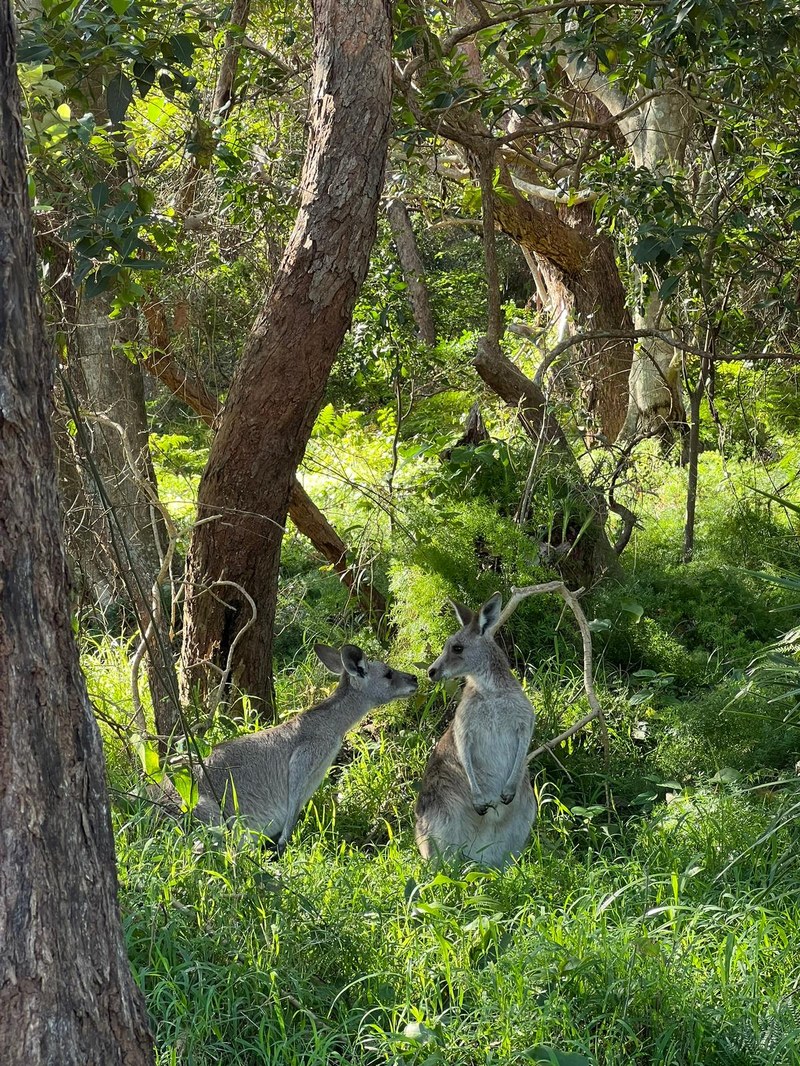
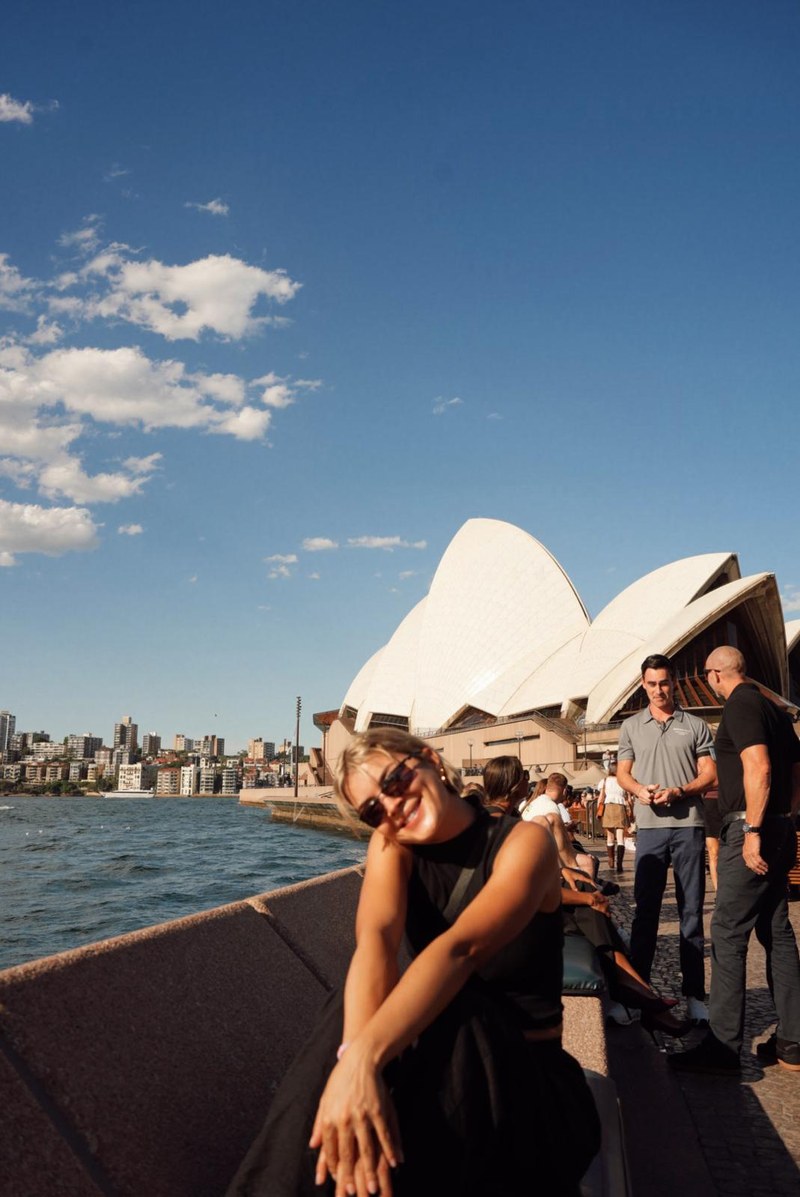
Outside the lab, I really took the chance to explore the beautiful nature in Australia and experience the wildlife. One of my highlights was feeding wild dolphins on Moreton Island, and also seeing wild kangaroos and going for long walks on the beach.

Overall, it really felt like the time of my life, and I would definitely recommend this experience to everyone.
  • me sydney.jpeg
  • AIBN.jpeg
  • Kangoroos.jpeg
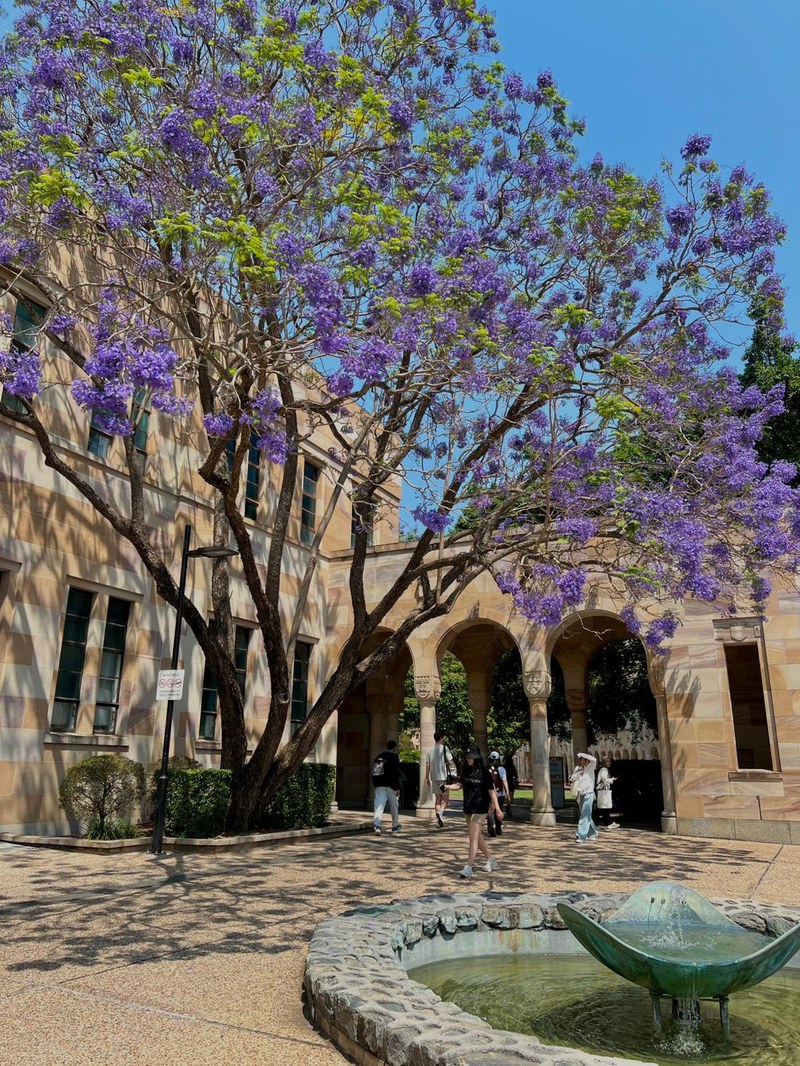
  • UQ_areal.jpeg

Take your chance to study abroad!
Thinking about a semester abroad or an international thesis? Find all the necessary information for outgoing students here:
DE - Outgoing StudierendeEN - Outgoing students

Contact

Irina Hauri

Irina Hauri

Head of International Office and Continuing Education Management
Phone
+41 61 228 50 66
E-Mail
international.lifesciences@fhnw.ch
Sarah Lehmann

Sarah Lehmann

Assistant International Office
Phone
+41 61 228 50 66
E-Mail
international.lifesciences@fhnw.ch

School of
Life Sciences FHNW University of Applied Sciences and Arts Northwestern Switzerland

  • About the School
    • School
    • Degree Programmes
    • Continuing Education
    • Research
    • Events
  • Social Media
    • Facebook
    • Instagram
    • YouTube
    • LinkedIn
  • About FHNW
    • Organisation
    • Schools
    • Locations
    • FHNW Library
    • Media Relations
  • Support
    • IT Support
    • Inside FHNW
    • Webmail
Logo FHNW - 20 Years
Logo Swiss Universities
Logo European University Association
© University of Applied Sciences and Arts Northwestern Switzerland (FHNW)
  • Data Protection
  • Imprint
  • Accessibility
  • EN