Skip to main contentSkip to search barSkip to navigationSkip to footer
Logo of the University of Applied Sciences and Arts Northwestern Switzerland
  • DE
  • EN
  • Home

Ten Schools One Goal

The FHNW comprises 10 schools with different specializations. Select a school to see its specific courses, study programmes and information.

Applied Psychology

Architecture, Construction and Geomatics

Art and Design

Music

Computer Science

Life Sciences

School of Education

Social Work

Engineering and Environment

Business

  • Study offerings

    • All degree programmes
    • Master in Life Sciences
    • Master in Medical Informatics
    • Joint Degree Master in Biomedical Engineering
    • Info events
  • About degree programmes

    • Tuition fees and scholarships
    • Digital Life Sciences
  • International

    • Outgoing Students
    • Incoming Students
    • Double Degree
    • Partner universities
    • Student stories
    • Buddy programme
    • News and stories
  • Continuing education offerings

    • All continuing educations
    • CAS - Certificate of Advanced Studies
    • Modules and Seminars
    • Info events
  • Organisation

    • Consulting services
    • Legal information and terms & conditions
  • Research

    • Research fields
    • Projects
  • Collaboration

    • Process Technology Centre
    • Services
    • Tech Transfer Office
    • Student projects
  • International

    • Study abroad
    • International research projects
  • Updates and insights

    • News and stories
    • Research highlights
  • Events

    • All events
    • Info events
  • Media corner

  • About the School of Life Sciences

    • Strategy and values
    • Management board
    • Staff
    • Advisory board
    • People directory
    • Diversity and equal opportunities
    • Media corner
    • Infrastructure and campus
  • Institutes and centres

    • Institute for Chemistry and Bioanalytics
    • Institute for Ecopreneurship
    • Institute for Medical Engineering and Medical Informatics
    • Institute for Pharma Technology and Biotechnology
    • Centre for Teaching and Learning
    • Process Technology Centre
Logo of the University of Applied Sciences and Arts Northwestern Switzerland
  • About the School
    • School
    • Degree Programmes
    • Continuing Education
    • Research
    • Events
  • Social Media
    • Facebook
    • Instagram
    • YouTube
    • LinkedIn
  • About FHNW
    • Organisation
    • Schools
    • Locations
    • FHNW Library
    • Media Relations
  • Support
    • IT Support
    • Inside FHNW
    • Webmail
  • Data Protection
  • Imprint
  • Accessibility
  • Study offerings

    • All degree programmes
    • Master in Life Sciences
    • Master in Medical Informatics
    • Joint Degree Master in Biomedical Engineering
    • Info events
  • About degree programmes

    • Tuition fees and scholarships
    • Digital Life Sciences
  • International

    • Outgoing Students
    • Incoming Students
    • Double Degree
    • Partner universities
    • Student stories
    • Buddy programme
    • News and stories
  • Continuing education offerings

    • All continuing educations
    • CAS - Certificate of Advanced Studies
    • Modules and Seminars
    • Info events
  • Organisation

    • Consulting services
    • Legal information and terms & conditions
  • Research

    • Research fields
    • Projects
  • Collaboration

    • Process Technology Centre
    • Services
    • Tech Transfer Office
    • Student projects
  • International

    • Study abroad
    • International research projects
  • Updates and insights

    • News and stories
    • Research highlights
  • Events

    • All events
    • Info events
  • Media corner

  • About the School of Life Sciences

    • Strategy and values
    • Management board
    • Staff
    • Advisory board
    • People directory
    • Diversity and equal opportunities
    • Media corner
    • Infrastructure and campus
  • Institutes and centres

    • Institute for Chemistry and Bioanalytics
    • Institute for Ecopreneurship
    • Institute for Medical Engineering and Medical Informatics
    • Institute for Pharma Technology and Biotechnology
    • Centre for Teaching and Learning
    • Process Technology Centre

Type a search term and search continuing education,degree programmes, events, documents and other content.

Ecotoxicology, FHNW School of Life Sciences

School of Life Sciences


  • Life Sciences
  • Research and services
  • Research in life sciences
  • Research fields
Research fields
teaser_1-2-2-sensaguard.jpg

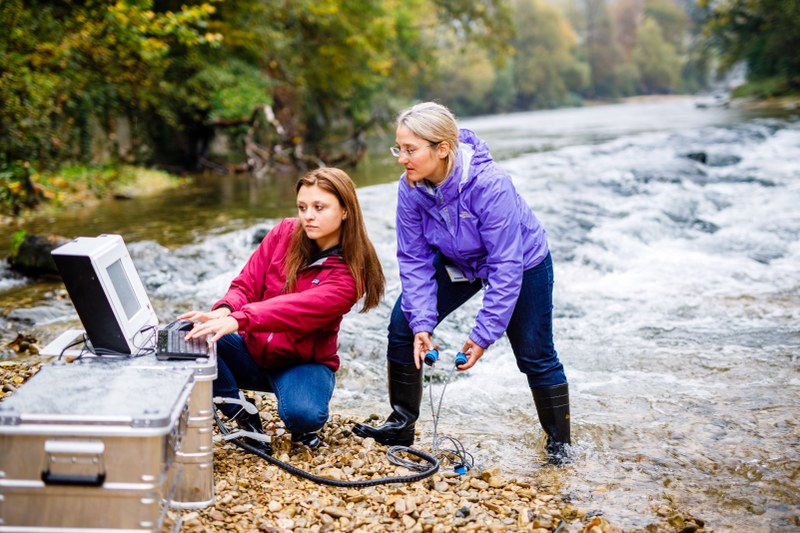
Measuring and studying the effects of pollutants on the environment

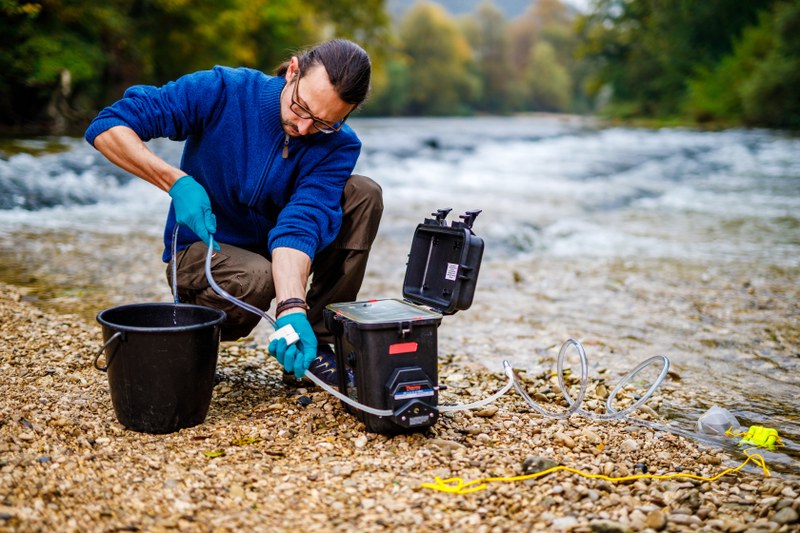
The field of ecotoxicology deals with research, analysis and quantification of pollutants and their effects on the environment. This provides important information that can be used to reduce or even prevent negative environmental consequences.

We use both in vivo living organisms and in vitro bioassays (cell-based investigation systems) to measure environmental effects. Single substances, complex mixtures or samples direct from the environment can be examined.

We deal with a wide range of research questions and carry out projects in various subject areas. Examples include the use of bioassays in wastewater treatment, the study of the effects of individual organic substances and mixtures on organisms, and the coordination of protective measures for native crayfish species.

Stories

Loading

Research focus areas

Bioassays for waste water management

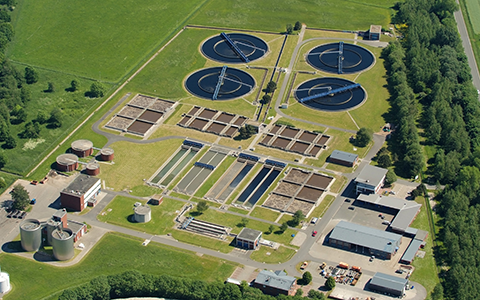
The construction of wastewater treatment plants (WWTP) in the 20th century was an innovation for water protection in Switzerland. Water quality was significantly improved by biological wastewater treatment; water pollution with nutrients, heavy metals and other problematic substances was greatly reduced. However, despite large-scale expansion of the wastewater infrastructure, substances of various origins (e.g. pharmaceuticals, industrial chemicals, biocides) continue to enter water bodies. These residues - so-called micropollutants - are not completely degraded in biological wastewater treatment plants and are discharged into water bodies with the effluent.

The upgrade of wastewater treatment plants with a fourth treatment stage by activated carbon filtration, ozonation or membrane filtration aims to greatly reduce future inputs of micropollutants. In the ozonation process however, partially harmful transformation and degradation products of active substances can be formed, which are efficiently detected by bioassays. In general, it is also possible to quantify possible improvements resulting from a fourth treatment stage by means of substance-independent monitoring in bioassays.

Micropollutants are only detected in low concentrations of a few micrograms per liter, but in polluted waters there is usually a mixture of active substances, which may have a negative effect on the ecosystem in water. This so-called mixture toxicity can often not be completely determined by chemical analyses, especially if the substances sought are not known in advance.

The effective toxicity and ecological relevance of substance residues and mixtures can be assessed by using bioassays. In ecotoxicology, these well-established test systems are used to assess the toxicity of individual substances or mixtures. Standardized bioassays are performed in vivo or in vitro with test organisms that represent the different trophic levels in the natural community in water bodies (e.g. bacteria, algae or fish).

The Ecotoxicology group also aims to establish and apply proven bioassay systems for inputs that enter water bodies through wastewater treatment plants. Various projects on the application of bioassays for wastewater treatment are ongoing.

Effects of substances on organisms

The environment contains a large number of anthropogenic substances such as pesticides, pharmaceutical residues and industrial chemicals. These can have negative effects on individual organisms and on an entire ecosystem. Understanding the effects of single substances and mixtures therefore plays a central role in our research group.

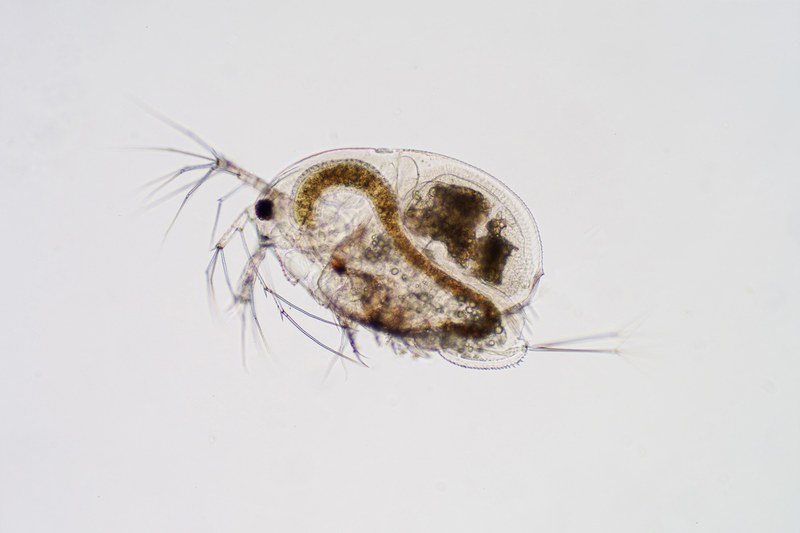
We investigate the effects of single substances and mixtures on different organisms such as honey bees and gammarids, both in laboratory experiments and in field studies. Different endpoints such as mortality, reproduction, behavior and gene expression are analyzed. In addition to experimental data, we calculate potential negative effects of mixtures based on single substance data.

Coordination Centre Crayfish Switzerland

The Swiss National Coordination Centre for Crayfish was established in 2014. On behalf of the Federal Office for the Environment we have been working on protection measures for the three native crayfish: stone crayfish, white-clawed crayfish, and noble crayfish. We also test different methods to stop the spread of invasive or non-native crayfish: signal crayfish, red swamp crayfish, spiny-cheek crayfish and narrow-clawed crayfish.

Projects

Loading

Education

Joint Professorship Eawag - FHNWSchool of Life Sciences

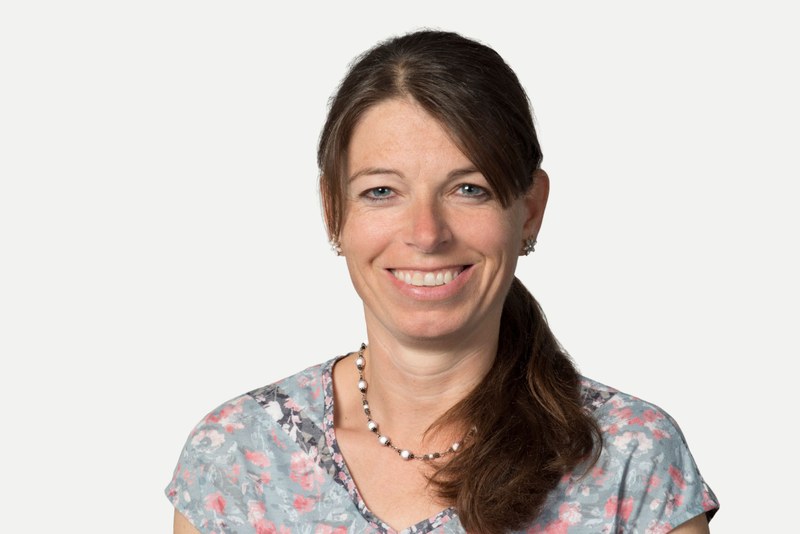
The joint professorship between Eawag and the School of Life Sciences FHNW held by Miriam Langer focuses on the training of specialists in the field of applied ecotoxicology. The aim of the collaboration between the School of Life Sciences FHNW and Eawag, the water research institute of the ETH Domain, is to carry out and promote jointly applied ecotoxicological projects. In this way, research approaches should increasingly find their way into practice.

Publications

Contact
Miriam Langer

Prof. Dr. Miriam Langer

Dean of BSc environmental sciences and technology
Phone
+41 61 228 58 83
E-Mail
miriam.langer@fhnw.ch

Team

Loading

School of
Life Sciences FHNW University of Applied Sciences and Arts Northwestern Switzerland

  • About the School
    • School
    • Degree Programmes
    • Continuing Education
    • Research
    • Events
  • Social Media
    • Facebook
    • Instagram
    • YouTube
    • LinkedIn
  • About FHNW
    • Organisation
    • Schools
    • Locations
    • FHNW Library
    • Media Relations
  • Support
    • IT Support
    • Inside FHNW
    • Webmail
Logo FHNW - 20 Years
Logo Swiss Universities
Logo European University Association
© University of Applied Sciences and Arts Northwestern Switzerland (FHNW)
  • Data Protection
  • Imprint
  • Accessibility
  • DE
  • EN