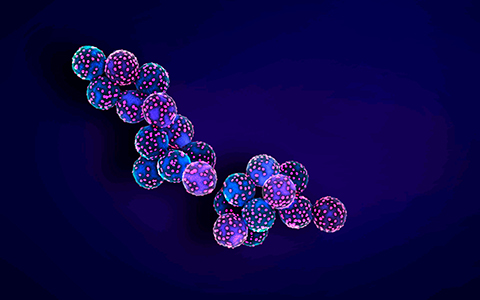
Bottom-up design of nanomaterials for molecular recognition and (bio)catalysis
Biological systems possess the ability to recognize, sort, catalyze, communicate and store information using a set of basic rules. Though these rules are known in and of themselves, they interplay in such a complex, intricate and synergistic manner as to result in tremendous efficiency.
The research activities of the molecular nanotechnology group takes its roots and inspiration in this vision and develop synthetic strategies to design novel, functional nanomaterials endowed with molecular recognition or biocatalytic properties.
Research focus areas
Designer macrocycles
Protein supramolecular engineering
Stories
Story
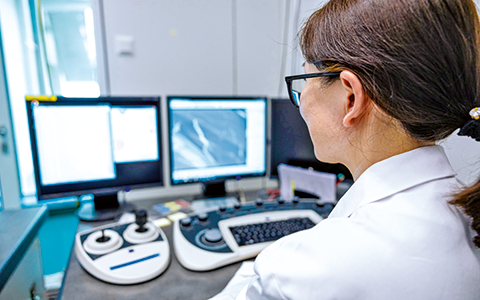
Big hopes for nanomolecules
Nano-engineered shield for enzyme replacement therapy could help it reach targets in the brain
- Date
- 30.4.2025
- Institute
- Institute for Chemistry and Bioanalytics
Story
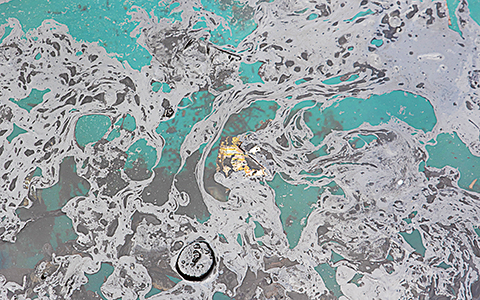
Using bacteria against crude oil spills
Porous silica particles provide bacteria with the nutrients they need to break down oil
- Date
- 12.12.2016
- Institute
- Institute for Ecopreneurship
Projects
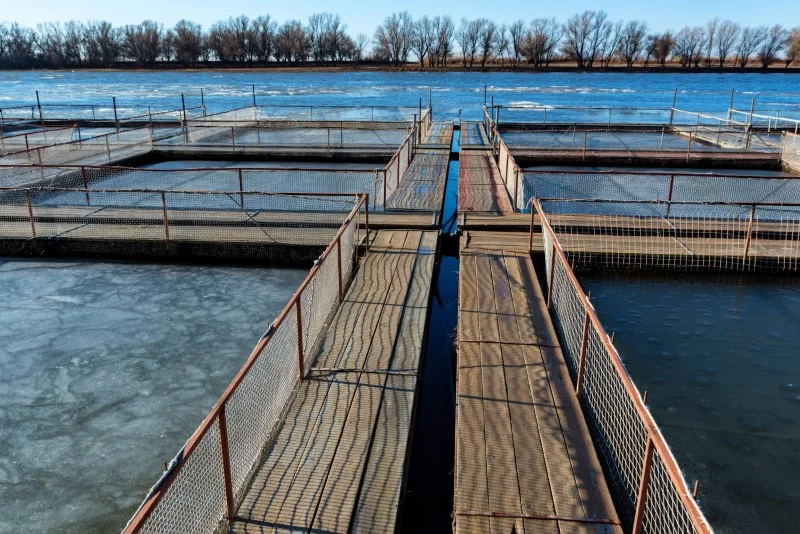
ONE EARTH
Upcycling residual dairy and animal biomass into valuable peptides and amino acids
- Institute
- Institute for Chemistry and Bioanalytics
- Research field
- Molecular nanotechnology
Ingreen
Production of functional innovative ingredients from paper and agro-food side-streams
- Institute
- Institute for Chemistry and Bioanalytics
- Research field
- Environmental biotechnology, Molecular nanotechnology, Sustainable resource management, Cell biology and in vitro toxicology