Skip to main contentSkip to search barSkip to navigationSkip to footer
Logo of the University of Applied Sciences and Arts Northwestern Switzerland
  • EN
  • Home
  • Degree programmes
  • Continuing education

Ten Schools One Goal

The FHNW comprises 10 schools with different specializations. Select a school to see its specific courses, study programmes and information.

Applied Psychology

Architecture, Construction and Geomatics

Art and Design

Music

Computer Science

Life Sciences

School of Education

Social Work

Engineering and Environment

Business

  • Research

    • Research fields
    • Projects
  • Updates and insights

    • News and stories
  • Events

  • Media corner

  • About the School of Engineering and Environment

    • People directory
    • Management Board
  • Institutes

    • Institute of Automation
    • Institute of Bioenergy and Resource Efficiency
    • Institute of Business Engineering
    • Institute of Electric Power Systems
    • Institute of Humanities and Social Sciences
    • Institute of Polymer Engineering
    • Institute of Mathematics and Natural Sciences
    • Institute of Polymer Nanotechnology
    • Institute of Optometry
    • Institute of Product and Production Engineering
    • Institute for Sensors and Electronics
    • Institute of Thermal and Fluid Engineering
    • Laboratories of the School of Engineering and Environment
Logo of the University of Applied Sciences and Arts Northwestern Switzerland
  • About the School
    • FHNW School of Engineering and Environment
    • Degree Programmes
    • Continuing Education
    • Collaboration in Research and Services
  • Social Media
    • LinkedIn
    • Instagram
    • Facebook
    • TikTok
    • YouTube
  • About FHNW
    • Organisation
    • Schools
    • Locations
    • FHNW Library
    • Media Relations
  • Support
    • IT Support
    • Inside FHNW
    • Webmail
  • Data Protection
  • Imprint
  • Accessibility
  • Research

    • Research fields
    • Projects
  • Updates and insights

    • News and stories
  • Events

  • Media corner

  • About the School of Engineering and Environment

    • People directory
    • Management Board
  • Institutes

    • Institute of Automation
    • Institute of Bioenergy and Resource Efficiency
    • Institute of Business Engineering
    • Institute of Electric Power Systems
    • Institute of Humanities and Social Sciences
    • Institute of Polymer Engineering
    • Institute of Mathematics and Natural Sciences
    • Institute of Polymer Nanotechnology
    • Institute of Optometry
    • Institute of Product and Production Engineering
    • Institute for Sensors and Electronics
    • Institute of Thermal and Fluid Engineering
    • Laboratories of the School of Engineering and Environment

Type a search term and search continuing education,degree programmes, events, documents and other content.

BSc Electrical and Information Technology, FHNW School of Engineering and Environment

School of Engineering and Environment


  • Engineering and Environment
  • Degree programmes
  • Study offerings
  • All degree programmes
All degree programmes
topbild-bachelor-elektrotechnik-informationstechnik-ht-fhnw.jpg

Smart responses to the challenges of our time.

Factsheet

Degree
Bachelor of Science FHNW in Electrical and Information Technology
ECTS points
180

There are hardly any areas of life that are not affected by electrical products – be it smartphones, smart homes (the housing of the future) or smart grids (intelligent electricity networks).

The broad spectrum of occupations in the professional world is reflected in the degree programme on offer, which you can complete on a part-time basis while working or on a full-time basis. We value well-founded basic knowledge complemented by laboratory experiments. At the same time, we work in a team on interdisciplinary, practice-oriented student projects that cover the entire field from microelectronics (e.g. configurable, digital effects units for guitarists who play electric guitars) through to electrical engineering (e.g. energy production using  kites).

The degree programme does not only target electronic engineers and electricians – at the start of the programme, a variety of educational backgrounds are taken into consideration.
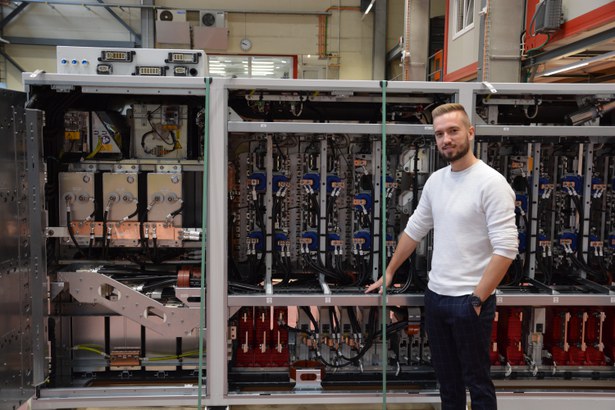
“It's not just the exciting and varied training that speaks in favor of studying electrical engineering at the FHNW, but also the wide-ranging and future-oriented job prospects as an electrical engineer.”
Pascal Merkli, Power Electronics Engineer Traction Converter, ABB Schweiz AG

Degree

Structure / modules

The degree contains the following four training domains: student projects, specialist training, context modules (incl. language training and courses in the humanities/social sciences) and free modules.

A detailed description of the modules that can be taken as part of the Electrical and Information Technology degree programme can be found in the module table (German).

Studying part-time

The degree can also be completed on a part-time basis while working.

Specialisations

In your last year of study, you can choose a major. These specialisations focus on the latest research and offer the ideal basis for starting a career or a master's degree that builds on the respective student's undergraduate degree.
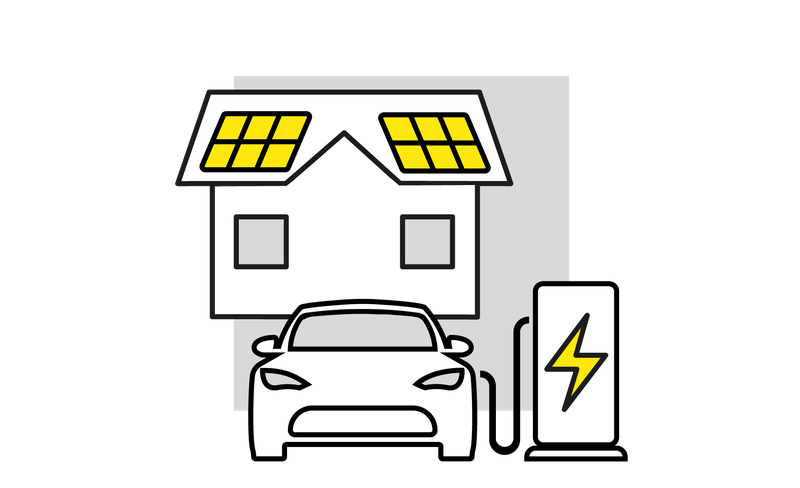
Electric Power Systems and Drives
Electric power systems, electric drives, and power electronics are key elements of electrical energy supply and mobility. Engineers are sought after and required to meet the challenges of the energy and mobility revolution with new, innovative and efficient solutions.

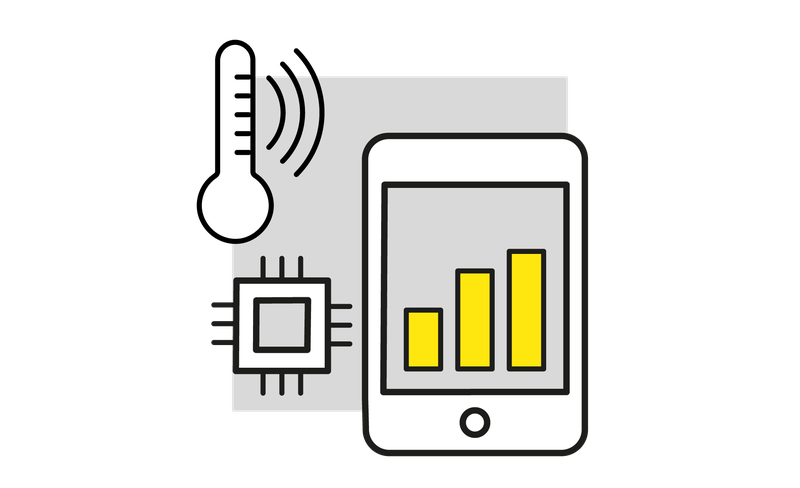
Embedded Systems Design

Fail-safe, robust and energy-saving - these are the requirements for the next generation of IoT devices that are essential for all aspects of life today.

Learn more about this career

Career prospects Electrical and Information Technology

Our graduates develop new electronic circuits, design energy supply systems, put a radio station into operation in remote parts of the world or conduct sales negotiations for their company's high-tech products in Asia.

Student projects

Each semester our students work on a project from the commencement of their studies. The focus here is initially on the methodology of project work. Later on, the focus switches to the technical level.
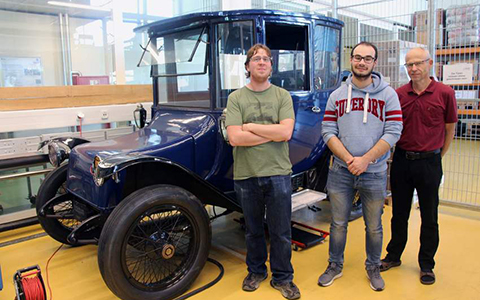
A Tesla-ancestor needs new batteries

Two students repair a 100 years old electric car. They update the battery-system and restore the car's driving functionality.

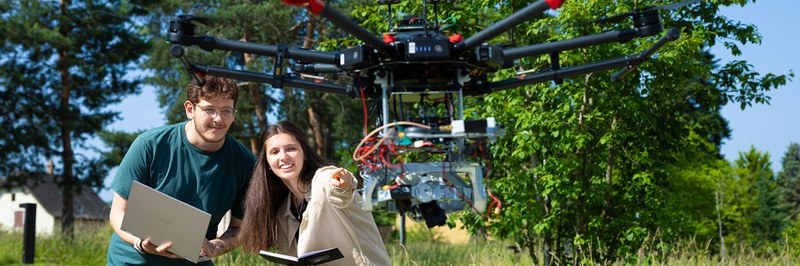
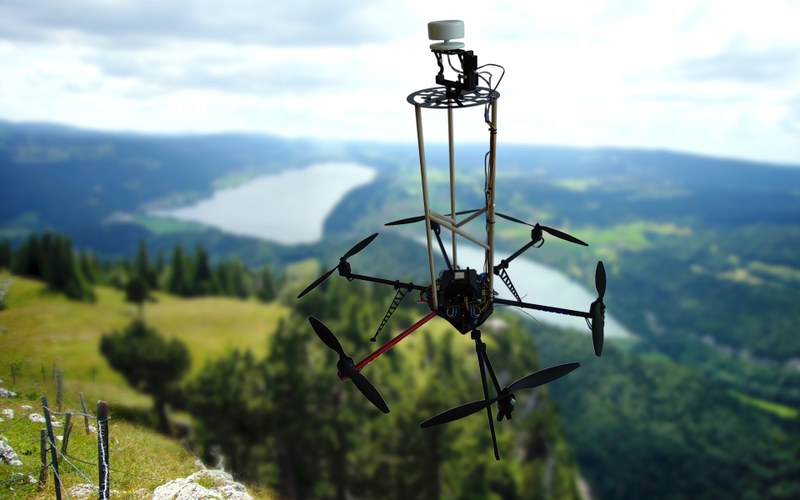
Wind measurement system with a drone

To measure the wind strength at potential locations for wind turbines, students have developed an ingenious measurement drone.

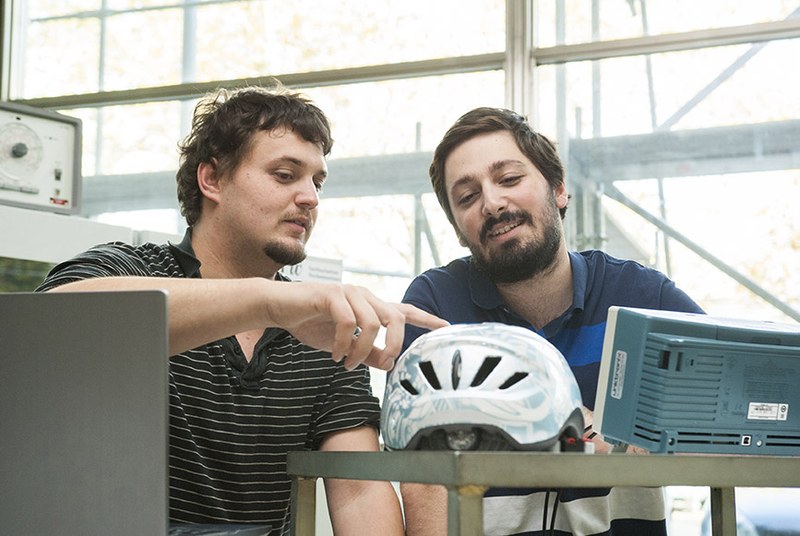
Smart helmet

Two students developed an intelligent helmet that measures the force of impact in the event of its user sustaining a fall and issues an emergency alert message.

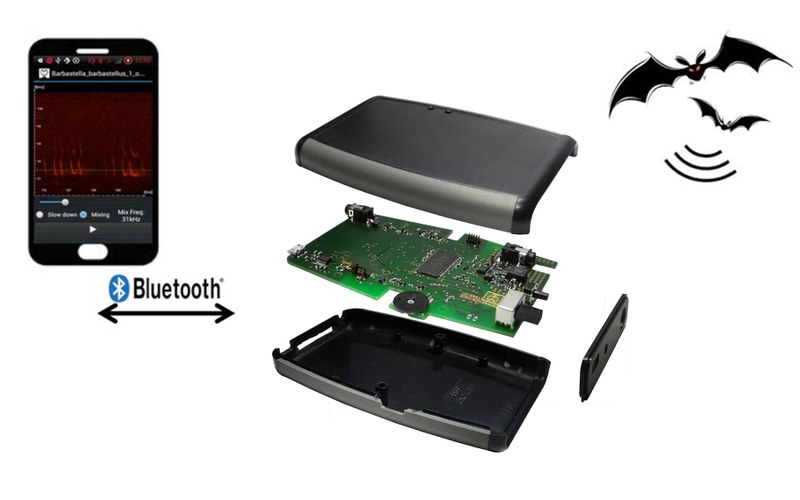
BatCapture

In order to detect bats, students have developed a convenient low-cost detector that communicates via smart phones.

Planning to study Electrical and Information Technology at FHNW?

Requirements, Fees and How To Apply

Discover all you need to know before starting your studies at FHNW, including fees, admission criteria, and more. Please note that this information is provided in German.

School of
Engineering and Environment FHNW University of Applied Sciences and Arts Northwestern Switzerland

  • About the School
    • FHNW School of Engineering and Environment
    • Degree Programmes
    • Continuing Education
    • Collaboration in Research and Services
  • Social Media
    • LinkedIn
    • Instagram
    • Facebook
    • TikTok
    • YouTube
  • About FHNW
    • Organisation
    • Schools
    • Locations
    • FHNW Library
    • Media Relations
  • Support
    • IT Support
    • Inside FHNW
    • Webmail
Logo FHNW - 20 Years
Logo Swiss Universities
Logo European University Association
© University of Applied Sciences and Arts Northwestern Switzerland (FHNW)
  • Data Protection
  • Imprint
  • Accessibility
  • EN