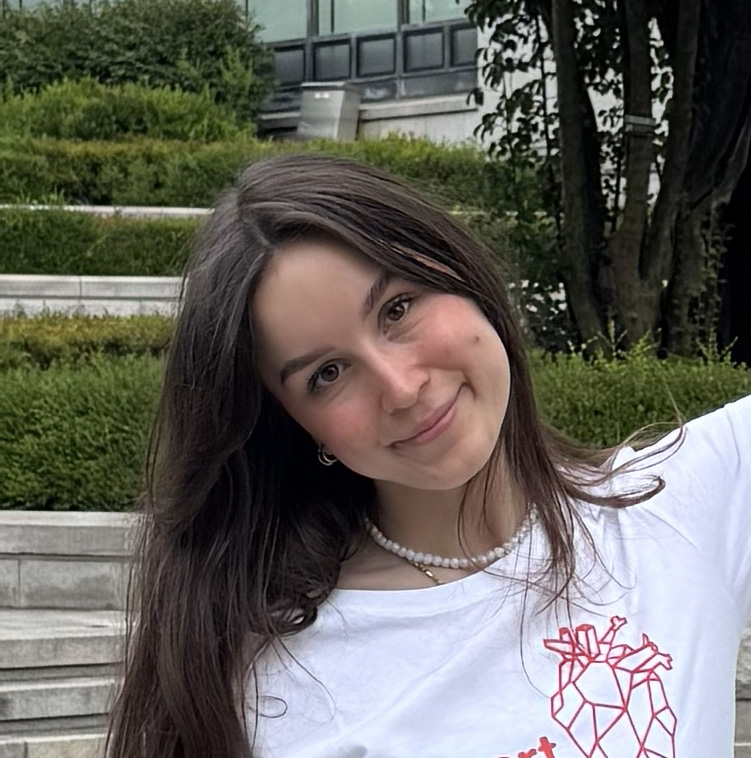
What happens when a Master’s thesis takes you more than 8 000 kilometres from home?
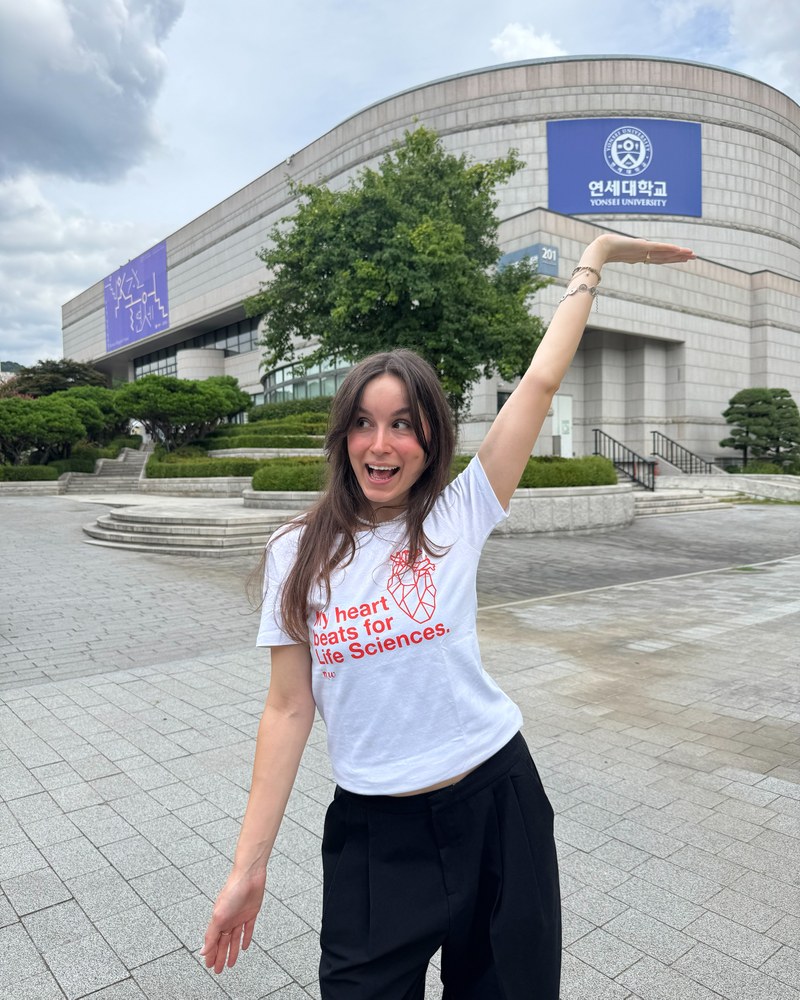
For Dorontina Mahmuti, MSc Life Sciences student, the answer is a research project at Yonsei University, a new working culture and evenings spent discovering one of Asia’s most vibrant cities.
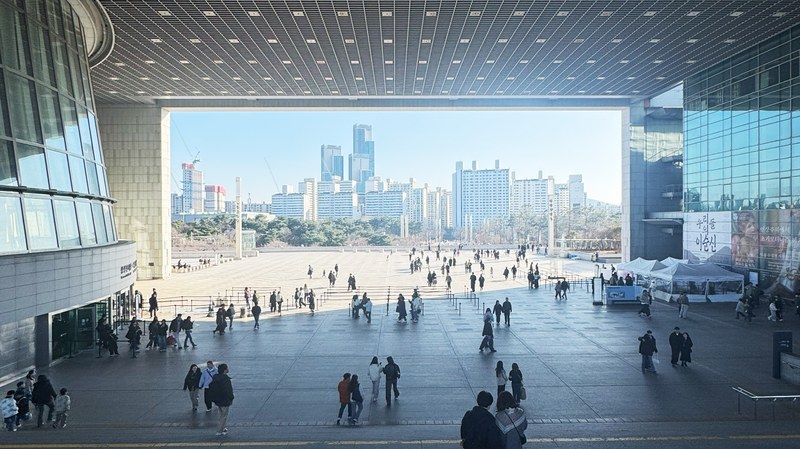
A city worth coming back to
Seoul was not entirely unknown territory for Dorontina. After visiting the South Korean capital the previous summer, she knew she wanted to return. So when Professor Suter-Dick offered her the opportunity to conduct her Master’s thesis at Yonsei University, the decision came quickly.
“I was in Seoul last summer and fell in love with the city. I wanted to go back and live here for a while.”
There was another reason that made the opportunity particularly exciting. The FHNW School of Life Sciences is establishing a collaboration with Yonsei University, one of South Korea’s prestigious SKY universities. Being among the first students to benefit from this connection appealed to Dorontina immediately.
Researching the impact of nanoplastics
Dorontina is specialising in Applied Cell Biology as part of her MSc in Life Sciences. At Yonsei University, her Master’s thesis focuses on a tiny material with potentially significant effects: nanoplastics.
She investigates what happens when these extremely small plastic particles come into contact with phagocytes. These immune cells help protect the body by taking up foreign particles and other unwanted material.
Dorontina observes how the cells react to nanoplastics: Do they move differently? Do they take up the plastic particles? And does their protein composition change? To find answers, she uses techniques such as live cell microscopy, cell staining and flow cytometry, allowing her to study the cells and their behaviour in detail.
Life beyond the lab
Fortunately, Dorontina’s journey from work to home is short. Her supervising professor, Professor Young-Min Hyun, helped her find a room in a dormitory for students in the medical field, just a ten minute walk from the laboratory.
And once the working day is over, Seoul offers a striking contrast to everyday life in Switzerland. While mornings and working hours follow a fairly familiar routine, evenings are a different story.
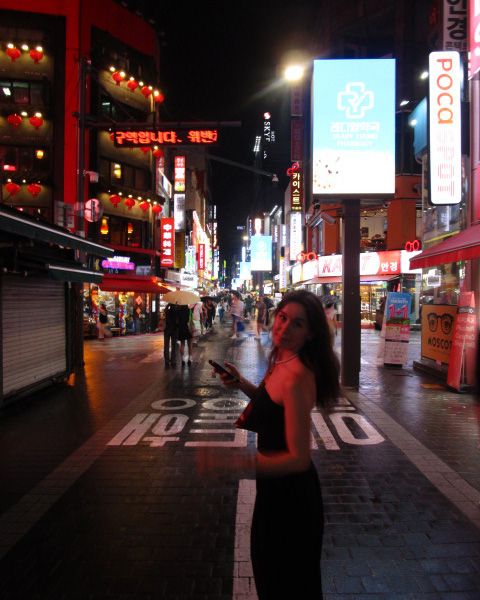
“People go out after work and meet family or friends. The streets are full of talking and laughter until late at night.”
Friends and contacts have also made settling in easier. Some connections existed before Dorontina arrived, while others developed in her own and neighbouring laboratories. Together, they have helped turn a research stay abroad into an experience that extends far beyond the university.
Discovering Seoul and herself
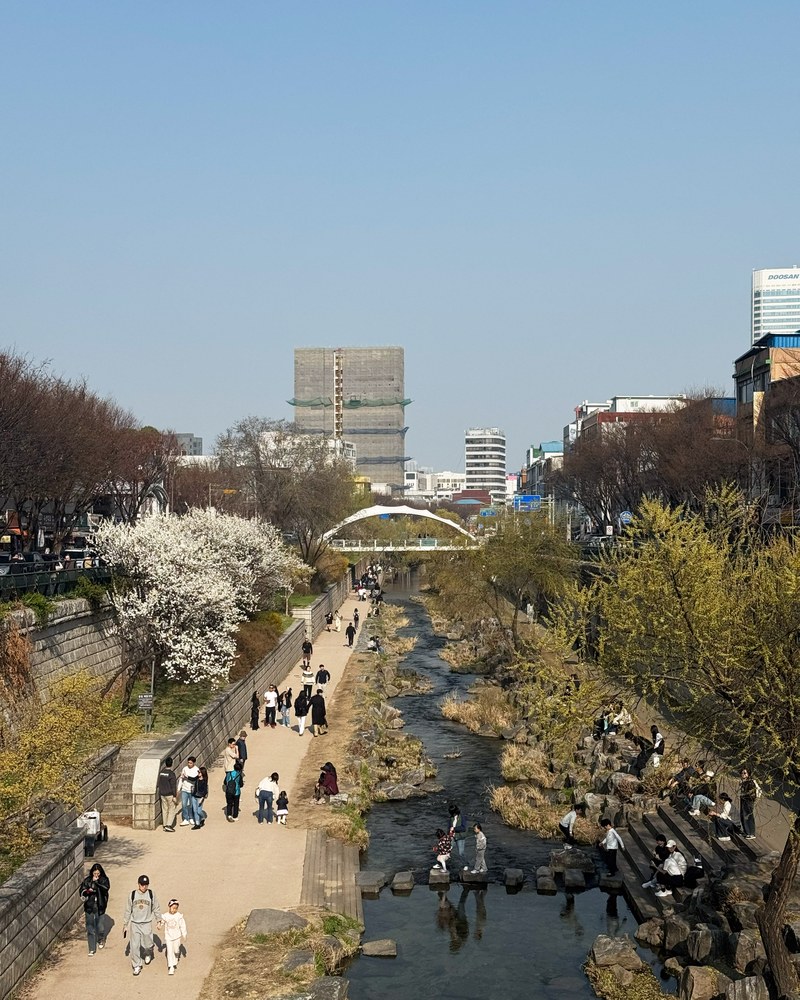
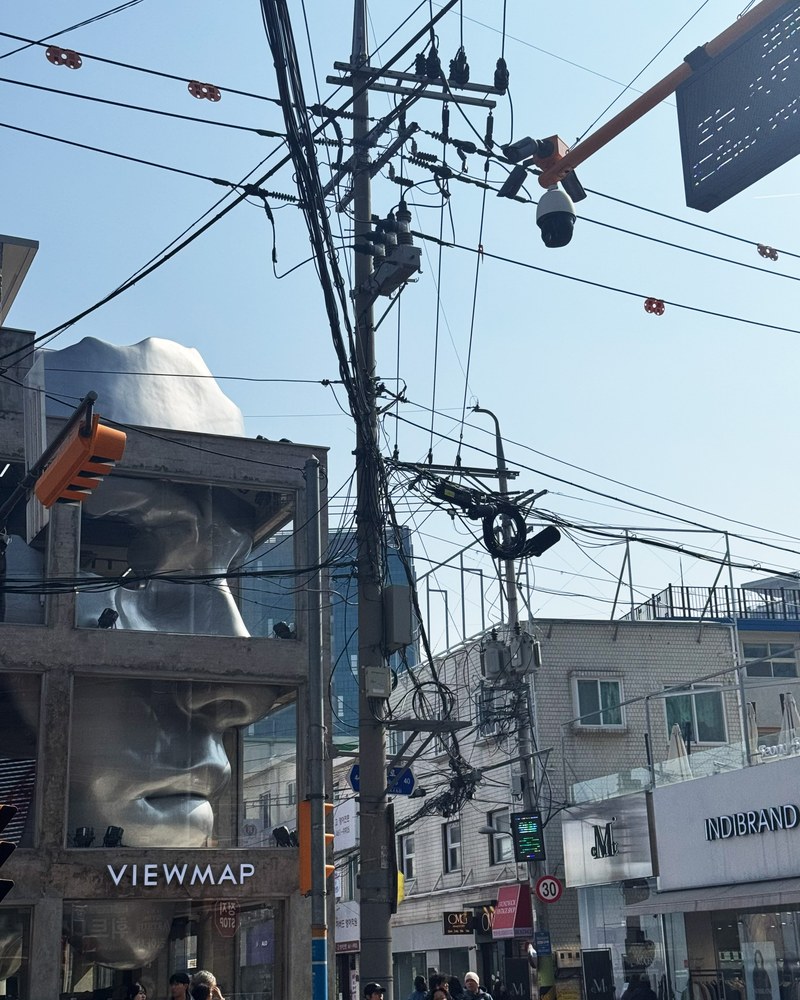
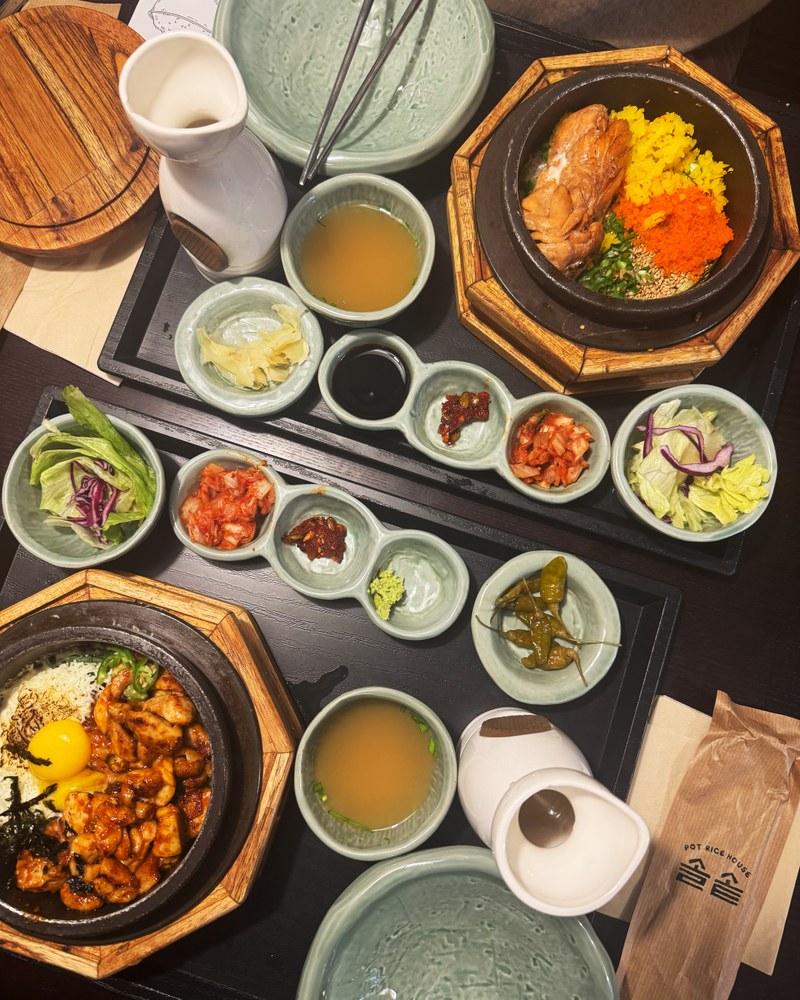
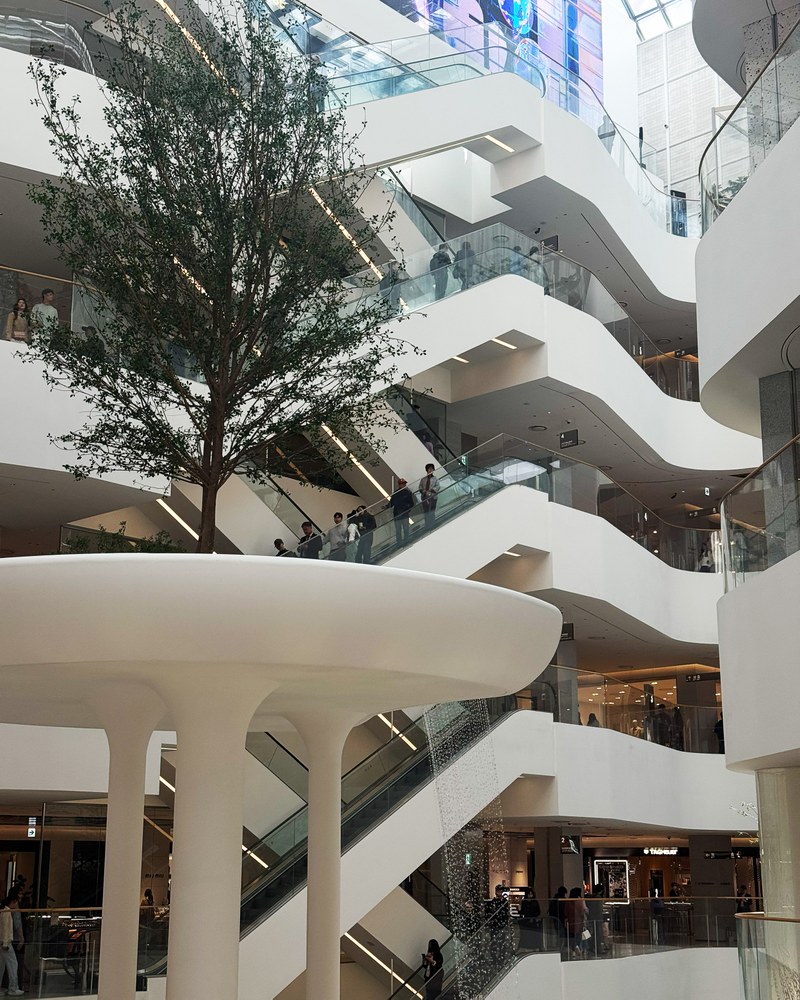
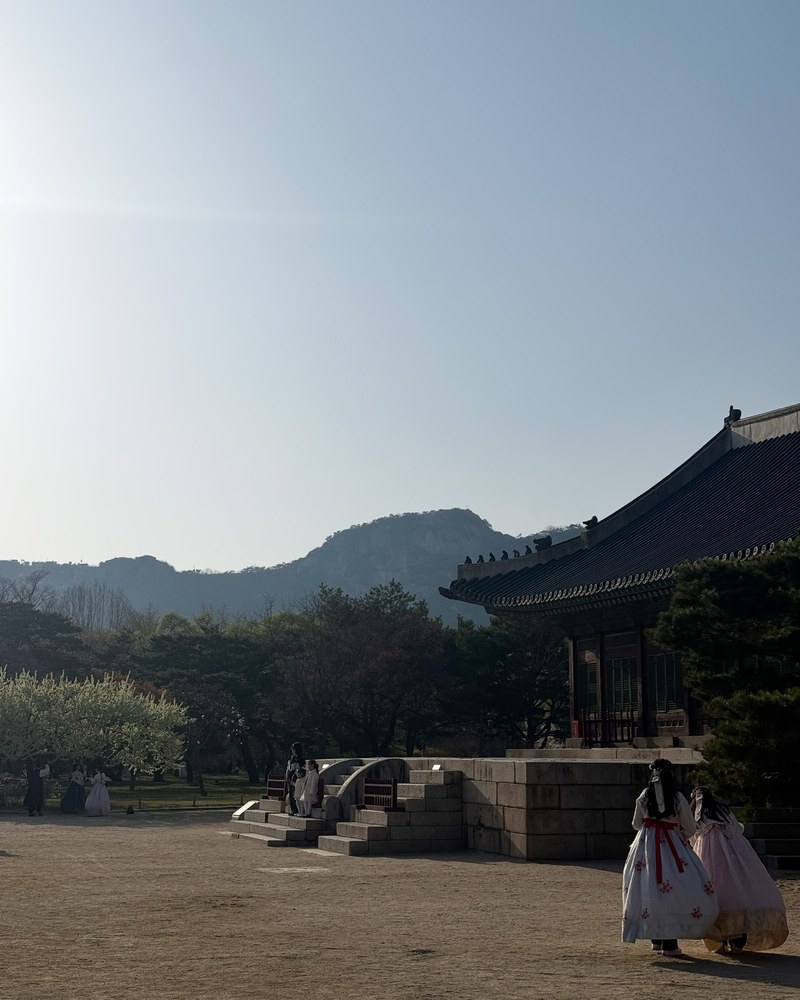
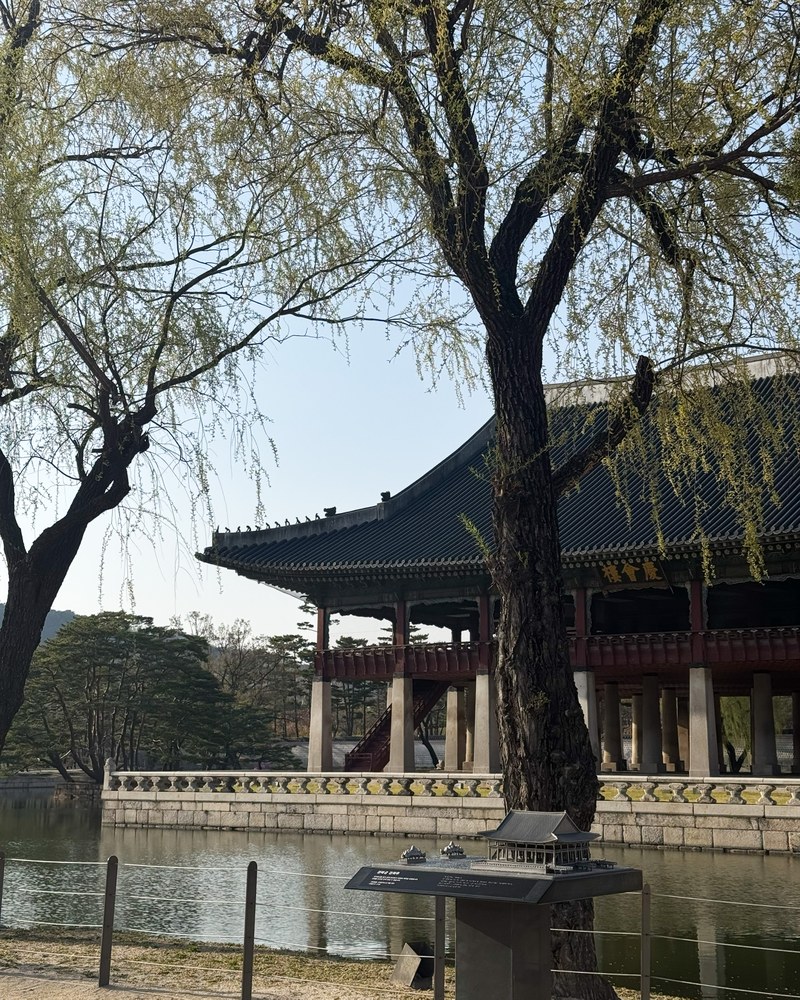
There is plenty Dorontina has grown to love about South Korea: the food, the parks, the lights at night, the mix of old and new architecture and the convenience of being able to get almost anywhere by public transport or on foot.
Adapting to another culture, however, is also part of the experience. While Korean traditions felt relatively familiar to her, the working culture and some aspects of social life required more adjustment.
As an extrovert, Dorontina initially found it difficult that people around her often seemed more reserved than she was used to. Over time, this became part of her personal experience abroad.
“Because of this, I also grew a lot and learned to enjoy my own company.”
Dorontina’s stay in Seoul shows that going abroad during a degree can be many things at once: an opportunity to advance a research project, experience another academic culture, make new connections and discover what everyday life feels like on the other side of the world.
And sometimes it starts simply with a place that makes you want to come back.
Take your chance to study abroad!