Alumnus Micha Wehrli on AI research, Danish ‘hygge’ and the opportunities of studying abroad.
Studying at the FHNW School of Life Sciences (HLS) often lays the foundation for careers that extend far beyond national borders. A current example of this is Micha Wehrli, a former HLS student and now a PhD candidate in ecotoxicology. As part of a major collaboration between Eawag, the FHNW, the Oekotoxzentrum and Aarhus University (Denmark), he is researching one of the most pressing issues of our time: how does climate change affect the toxicity of pesticide mixtures for soil organisms?
Courage is rewarded: the bridge to Denmark
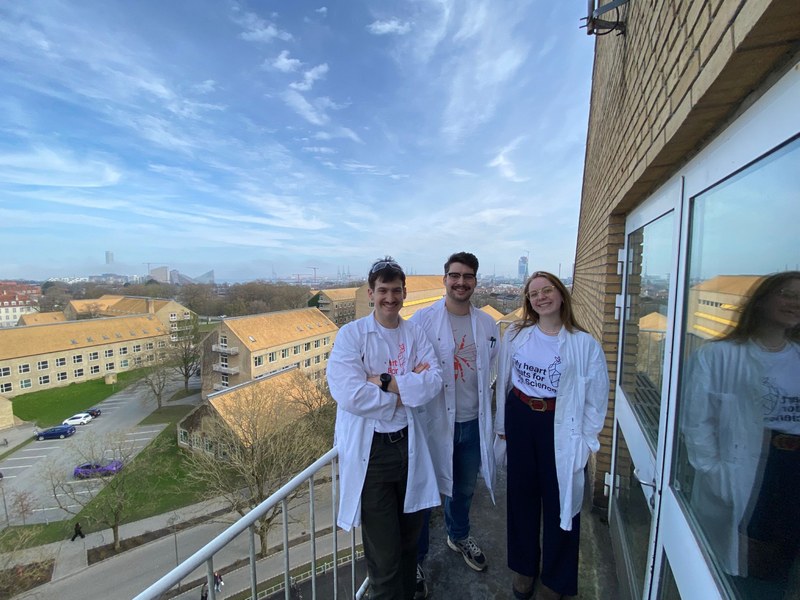
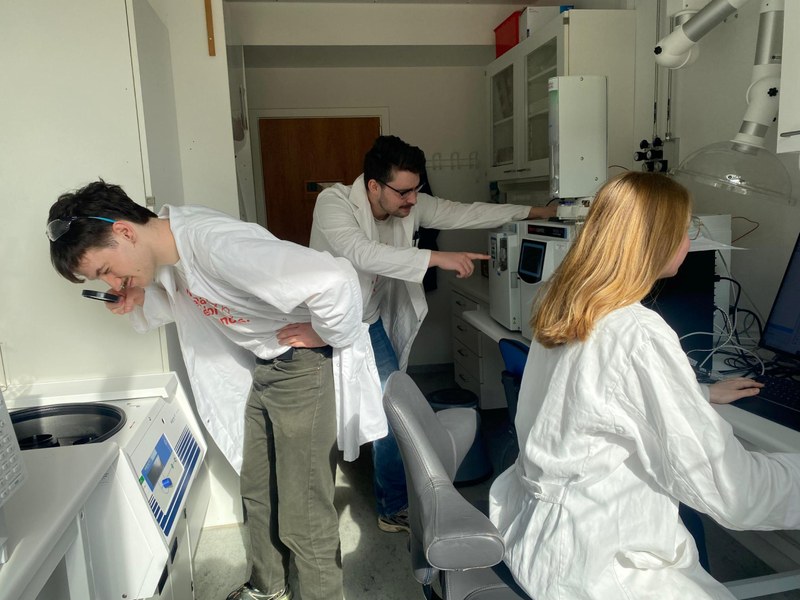
The fact that Ann-Sofie Aust, a BSc student in Environmental Sciences and Technology, and Dominik Züger, a Master’s student in Bioanalytics, are currently able to write their final theses at the ‘Climate Stress Lab’ in Aarhus is no coincidence. It is thanks to Wehrli’s initiative: he knows how formative such experiences are.
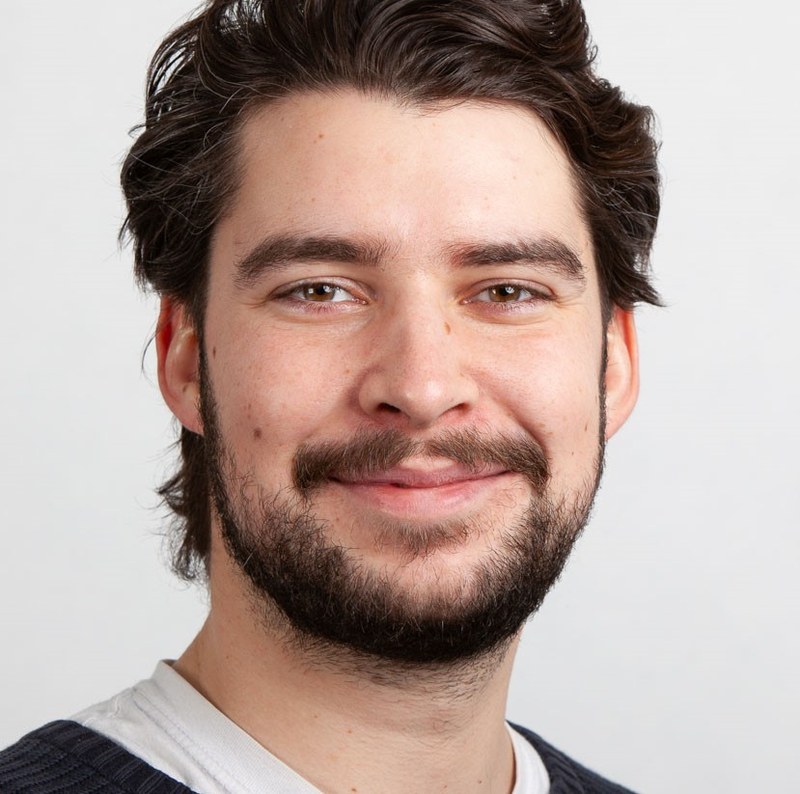
In doing so, he emphasises how crucial the university environment is. “The fact that HLS lecturers are actively involved and open doors when you knock is not something to be taken for granted.” Upon arriving in Aarhus, students encounter a very different working culture: a touch of “hygge” in everyday lab life. “We have great coffee breaks here and every Friday someone brings breakfast for the whole team. I’m sure I’ll miss this sense of community” says Wehrli.
Innovation through networking: COLLEMBOT
Just how fruitful this networking is can be seen in the COLLEMBOT project – an AI-supported counting system for springtails, developed in collaboration with the FHNW Institute of Geomatics. In the past, working with these tiny soil-dwelling creatures was a test of patience: “It used to happen that, after hours of manual counting, I’d close my eyes and still see the odd springtail flitting past in my mind’s eye” recalls Wehrli with a laugh. Today, the bustle beneath our feet fascinates him more than ever. “A square metre of forest floor can be home to thousands of these creatures. Most people walk over them their whole lives without realising it.”
A plea to look beyond the horizon
What makes Wehrli’s story so special is his personal motivation. Looking back, he does not describe himself as a ‘model student’:
"The HLS was a door-opener for me. I want to convey that you don’t have to be a model student to write a thesis or even a PhD abroad."
For him, the key to success lies in commitment above the minimum expected. “Whether at work, in a local club or within a community, in my view the most important thing is to get involved and look beyond one’s own horizons.” His commitment has taken him right to the big stage: this year, he was invited to help deliver the opening address at the SETAC Europe Annual Conference in Maastricht in front of thousands of scientists. But no matter how far his research takes him, his connection to home remains strong: “A summer’s day on the banks of the Rhine, on a Weidling boat or swimming in the river – as a Basel native, I really miss that a lot.”
The bridge remains
New projects between Muttenz and Aarhus are already planned – ranging from mass spectrometry to global proteomics. Micha Wehrli’s message to all HLS students is clear:
“The bridge remains. If anyone is interested in doing something in this field: don’t hesitate to get in touch!”
Take your chance to study abroad!