Production of functional innovative ingredients from paper and agro-food side-streams
Agro-food and paper mill side streams and by-products are sources of unexploited organic fractions exploitable into safe microbial biomasses, functional ingredients and intermediates, e.g. prebiotics, pre-fermented ingredients, bioplastics and chemicals.
In the INGREEN project, bio-based ingredients and materials will be used to produce innovative functional products for food, feed, packaging, pharmaceutical, nutraceutical and cosmetic sectors. We will develop validated, tailor-made biotechnologies based on safe microorganisms or eco-friendly approaches. Logistics and storage conditions will be optimized to favour the flow from feedstock to the bio-based prototype producers.
Target products
In industrial environments, INGREEN aims to demonstrate the efficiency and sustainability of the target biotechnologies to produce:
- lactobionic acid (LBA), galactooligosaccharides (GOS), microbial safe biomasses from whey
- polyhydrohyalkanoates (PHA) enriched biomasses as prebiotics from paper mill wastewater
- purified PHA as bioplastics from paper mill wastewater
- functional pre-fermented ingredients from rye and wheat milling fractions
Safe and characterized INGREEN ingredients will be used for innovative functional cheeses, bakery products and nutritious feeds. Functional GOS, LBA and pre-fermented bran will be used to produce prebiotic immune-stimulating gels, nutraceutical supplements and cleansers for human health.
INGREEN biodegradable material will be valorised into bag-in-box to boost prototype sustainability. Prototype safety, shelf-life, quality and functional performances will be compared to benchmarks. Life cycle analyses (LCA), life cycle costing (LCC), sound business cases and plans, and compliance with REACH and relevant EU safety legislation will be applied over the whole project to assess prototype benefits compared to benchmarks. INGREEN product specifications will contribute to defining and standardising the regulatory requirements for outcome innovation deals, market uptake and societal acceptance.
The FHNW School of Life Sciences will develop the product process for GOS using immobilized and protected lactase in membrane bioreactor systems. We will also evaluate the eco-efficiency of the developed technologies using LCA and the EU's Circular Economy Act, and evaluate the toxicity of the final products.
Project details
- Type
- Research project
- Research field
- Environmental biotechnology, Molecular nanotechnology, Sustainable resource management, Cell biology and in vitro toxicology
- School
- FHNW School of Life Sciences / Institute for Chemistry and Bioanalytics
- Funding
- EU Horizon 2020 GA No 838120
- Duration
- 2019 – 2023
- Team
- Enzymatic process in MBR - Philippe Corvini, Immobilized/protected lactase - Patrick Shahgaldian, Life Cycle Analysis - Christoph Hugi, Toxicity - Laura Suter-Dick
Contact
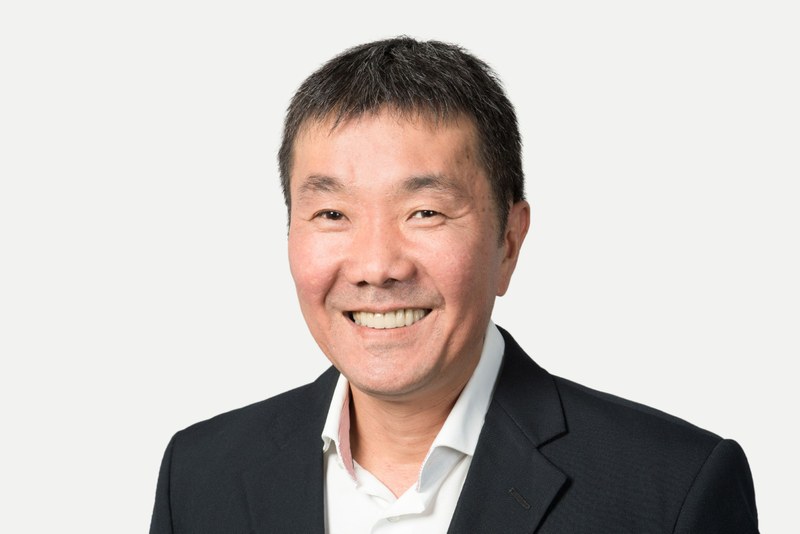
Prof. Dr. Philippe Corvini
- Phone
- +41 61 228 54 85
- philippe.corvini@fhnw.ch