We answer questions regarding the mechanical behaviour of polymers and composites using a range of appropriate experimental and numerical methods.
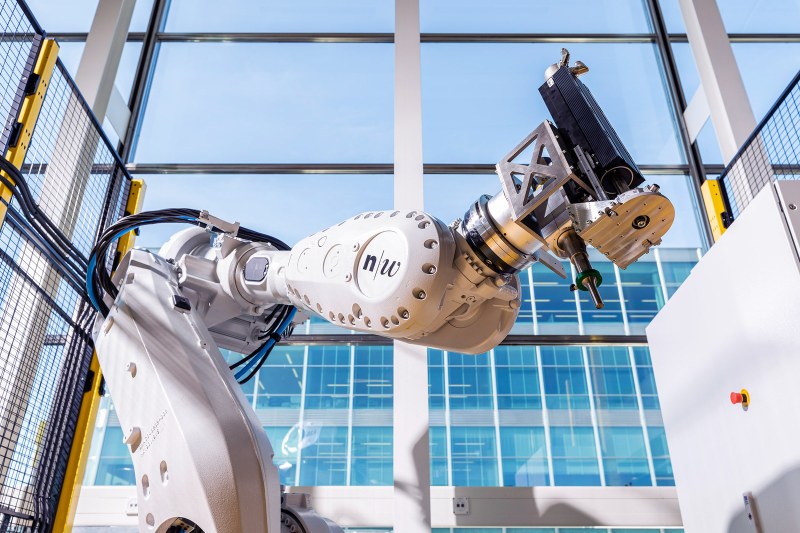
Lightweight construction and fibre composite technologies are key technologies for a climate-neutral industry and sustainable mobility. Together with industry and research partners, FHNW develops innovative, resource-efficient and circular material, process and digitalisation solutions along the entire value chain of fibre composite structures — from material development, manufacturing and simulation through to testing, structural health monitoring, repair and recycling.
Our vision is to achieve the industrial breakthrough of Swiss-made sustainable fibre composite and lightweight construction technologies for a climate-neutral economy by 2050. The focus is on high-performance yet sustainable composite materials that meet the highest requirements in terms of structural performance, safety, functionalisation and resource efficiency.
FHNW combines experimental and numerical methods to develop the next generation of composite materials and lightweight structures. These include thermoplastic and thermoset composites, bio-based and recycled materials, self-reinforced polymer composites, multifunctional materials, and smart structures with integrated sensors and structural health monitoring (SHM).
The Composite Materials Laboratory (link here) offers comprehensive infrastructure and expertise along the entire process chain. This includes:
- Processing technologies for thermoplastic and thermoset composites
- Additive and robot-assisted manufacturing processes
- TFP, tape laying, consolidation and forming processes
- RTM, infusion and autoclave processes
- Welding and joining technologies for thermoplastic composites
- Process simulation, material modelling and digital process chains
- Inline monitoring and data-driven process analysis
This is complemented by state-of-the-art testing and analysis methods for material, structural and process characterisation:
- Mechanical testing under static, dynamic and cyclic loads
- Impact, CAI and fatigue testing
- FST characterisation
- Ultrasonic and imaging-based non-destructive testing methods
- Microscopy, surface and damage analysis
- Thermal, rheological and chemical analysis
- Digital image correlation (DIC) and sensor-integrated testing methods
A particular focus lies on the industrial implementation of sustainable technologies for aviation, mobility, energy, infrastructure, sports, mechanical engineering and industrial applications. The research activities address, among other topics:
- Circular composite solutions and recycling strategies
- Bio-based and CO₂-reduced matrix systems
- Lightweight construction for energy-efficient mobility and hydrogen applications
- Automated high-rate manufacturing
- Digital twins and simulation-based development
- Smart composite structures with integrated sensors
- Repair and life-cycle engineering
Through close collaboration with industry, start-ups, networks and international research partners, FHNW enables the direct transfer of research results into industrial applications and supports companies in developing market-ready, sustainable and future-proof lightweight construction solutions.
Selected Projects
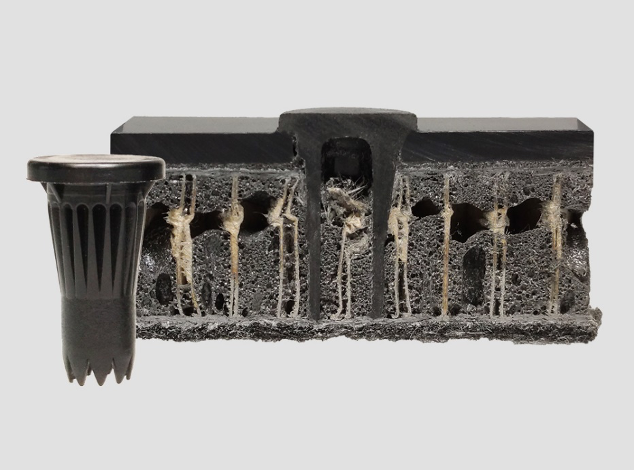
LiteWWeight®: An innovative multi-material joining technology for sandwich materials
- Institute
- Institute of Polymer Engineering
- Research field
- Mechanical engineering, Materials
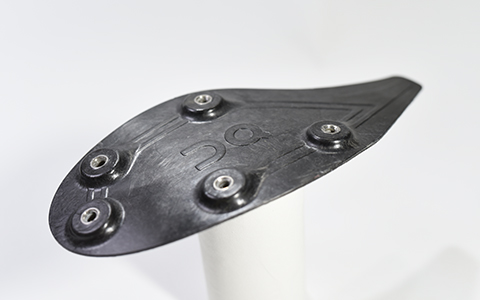
Taking waste from the aviation industry to new heights
- Institute
- Institute of Polymer Engineering
- Research field
- Materials, Aerospace, Energy and environment

High Performance Composite Structures for high temperature loads
- Institute
- Institute of Polymer Engineering
- Research field
- Materials, Aerospace
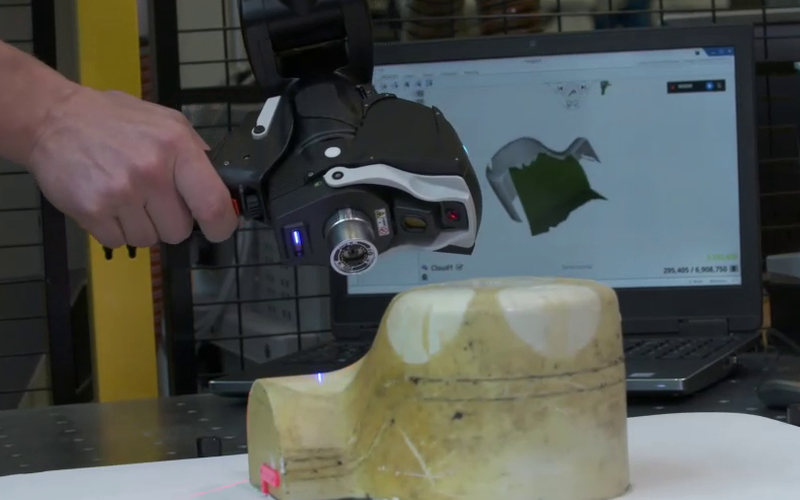
Next generation of composite manufacturing using digitalization
- Institute
- Institute of Polymer Engineering
- Research field
- Materials
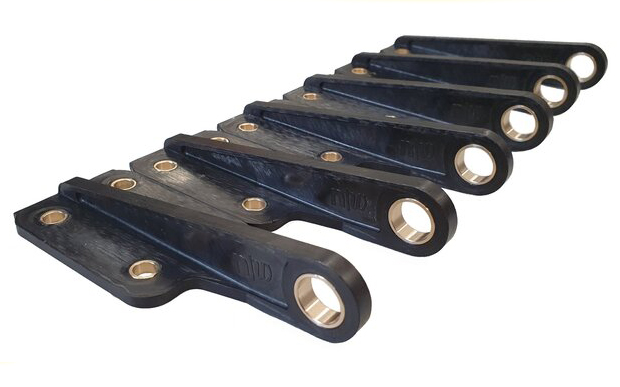
Additive Fusion Technology for 3D printed CFRP parts
- Institute
- Institute of Polymer Engineering
- Research field
- Materials
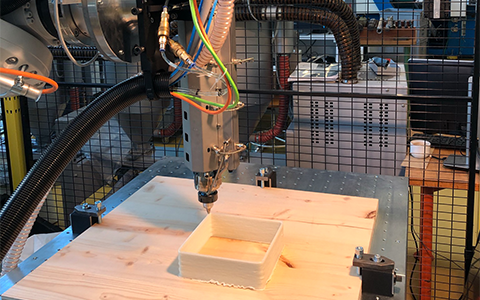
Robot-Assisted Additive Manufacturing
- Institute
- Institute of Polymer Engineering
- Research field
- Materials

Digital Twins for Non-Destructive Evaluation of Composite Materials with Ultrasound
- Institute
- Institute of Polymer Engineering
- Research field
- Materials
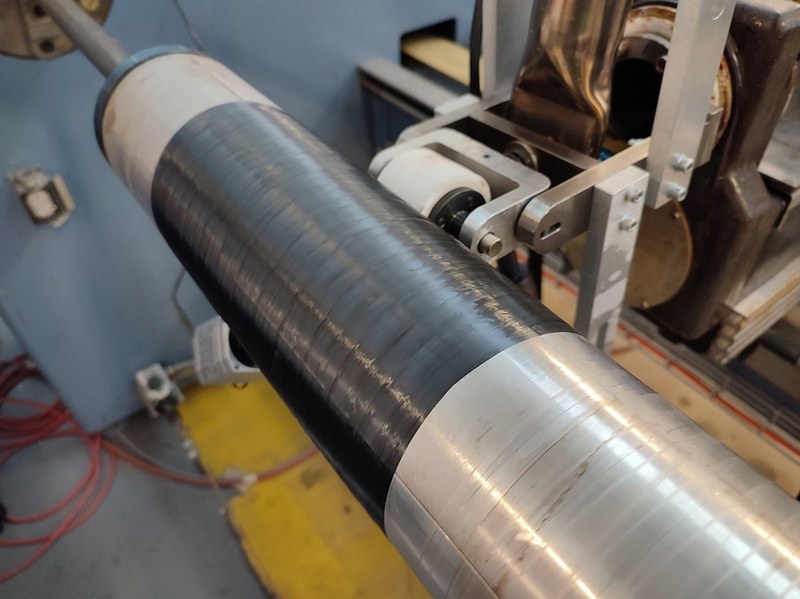
Development and Optimization of Thermoplastic Winding Technology for Manufacturing of Cryogenic Hydrogen Tanks
- Institute
- Institute of Polymer Engineering
- Research field
- Materials
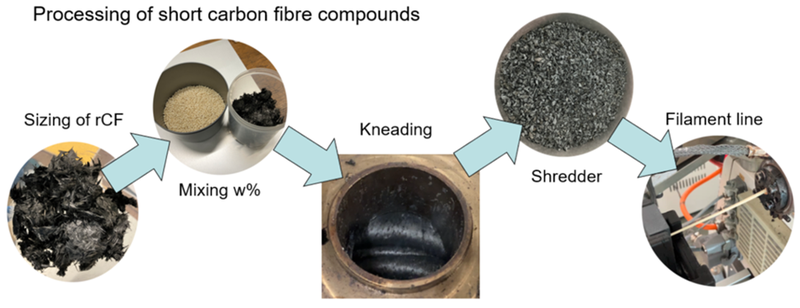
SuMa - Sustainable materials for 3D printed composite parts
- Institute
- Institute of Polymer Engineering
- Research field
- Materials
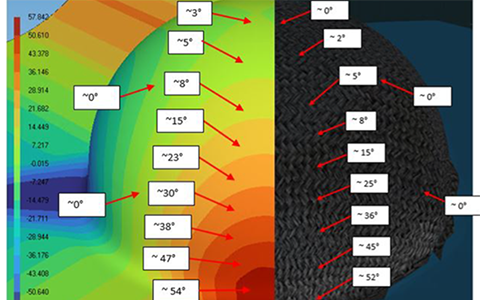
Sustainable fibre reinforced composites
- Institute
- Institute of Polymer Engineering
- Research field
- Materials
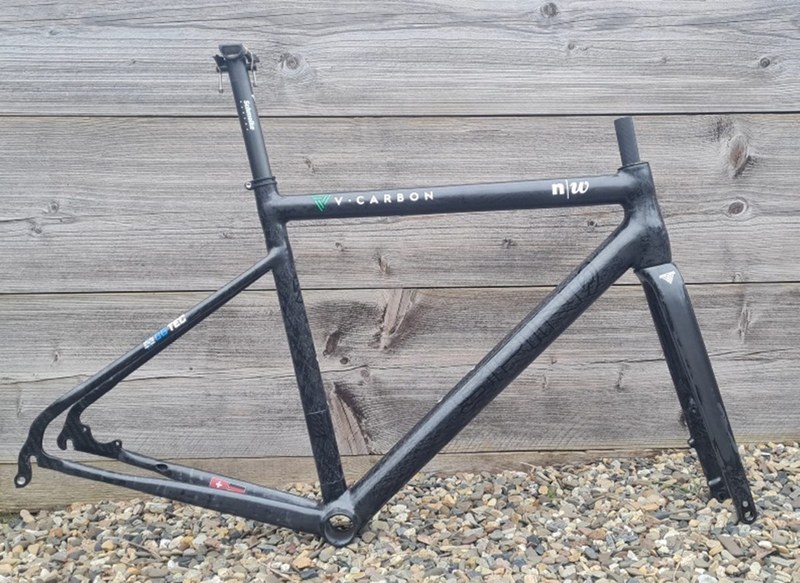
Recywind - Recyled carbon fibre in structural application
- Institute
- Institute of Polymer Engineering
- Research field
- Materials
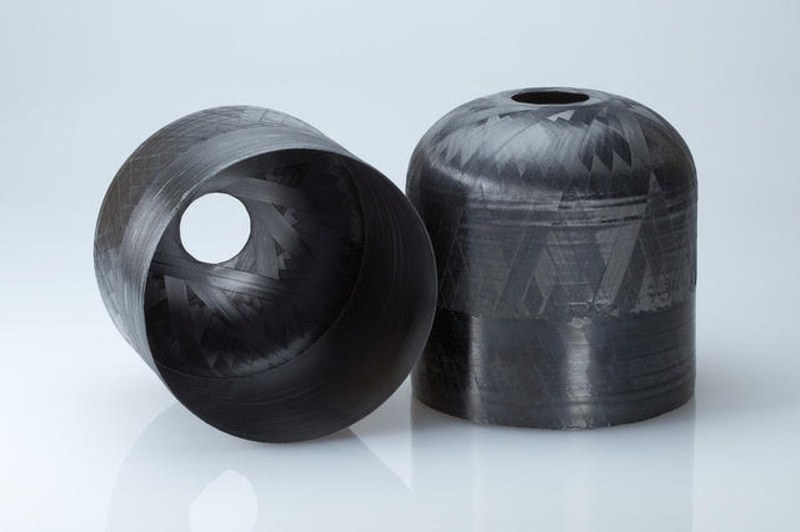
Thermoplastic Thin-Ply Tapes as a Key Technology for Lightweight Liquid Hydrogen Tanks
- Institute
- Institute of Polymer Engineering
- Research field
- Materials
Associated laboratories
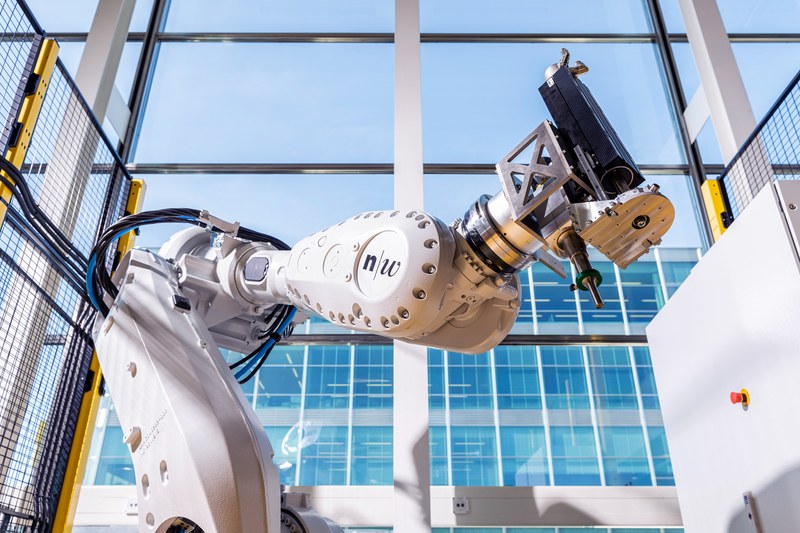
Lightweight and Composite Lab
Aerospace research field
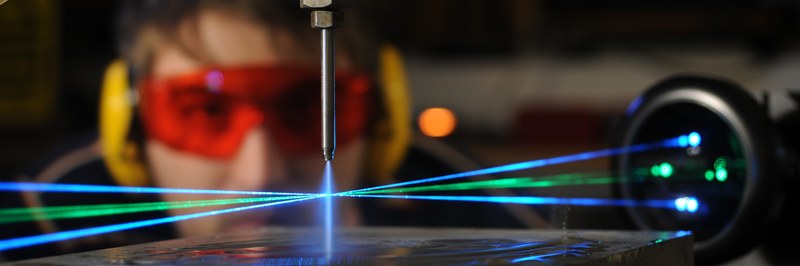
Aerospace
Contact
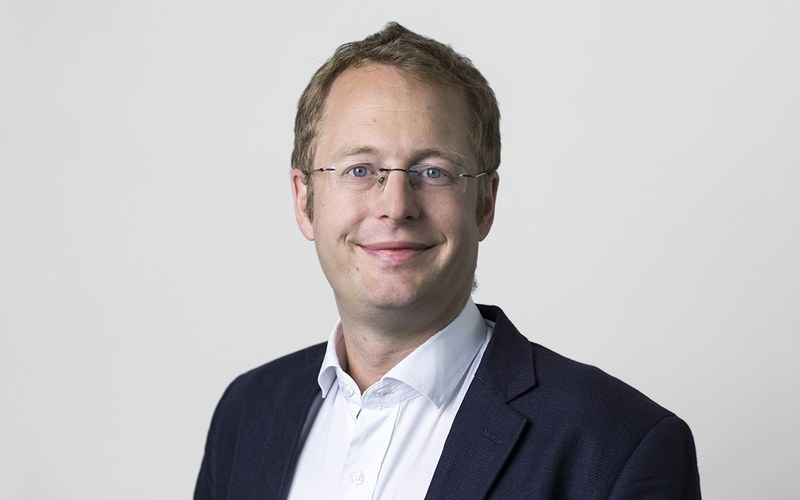
Prof. Dr. Christian Brauner
- Phone
- +41 56 202 74 75 (Direct)