Use and protection of water, energy and raw materials; treatment of wastewater and waste
We investigate the impacts of human consumption and production systems on planetary and human health, and on ecosystems and resources. Our work contributes to UN Sustainable Development Goals 3, 6, 12, 13, 14 and 15.
In close collaboration with industry and government stakeholders, we develop concepts and assess projects on sustainable consumption and production in biological and technological circular systems.
Our research team draws on a large portfolio of sustainability and participatory state-of-the-art assessment methods as well as strong cooperations within national and international research networks.
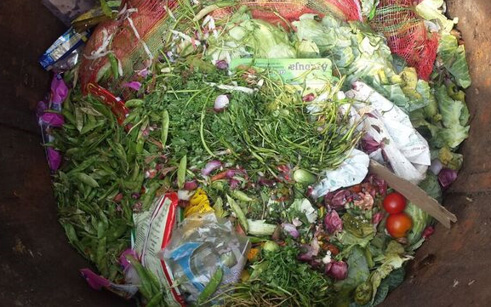
Circular economy of bioresources 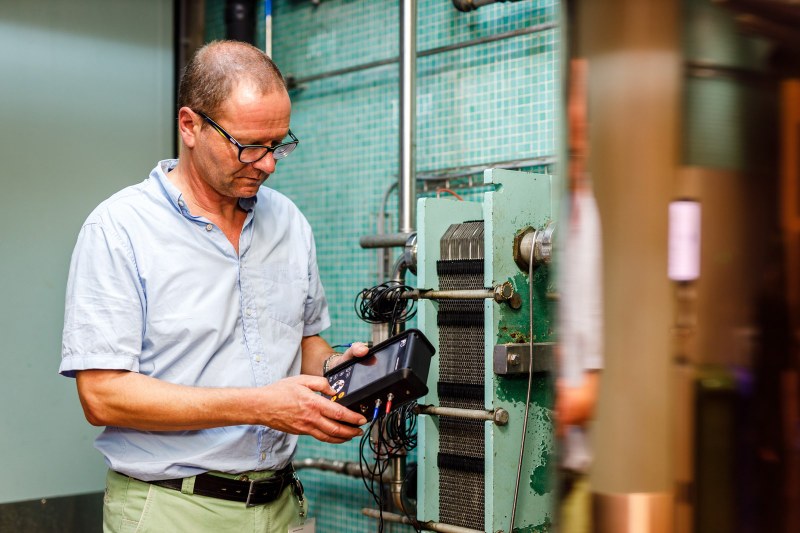
Circular approaches for products and materials 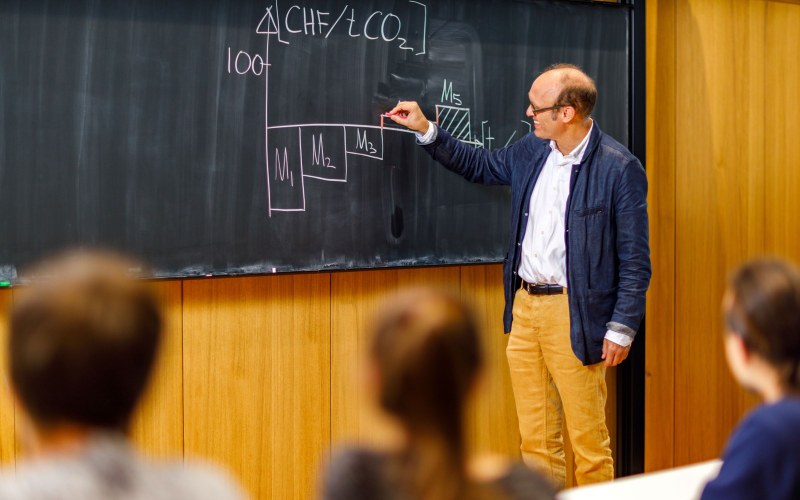
Sustainability assessment methods 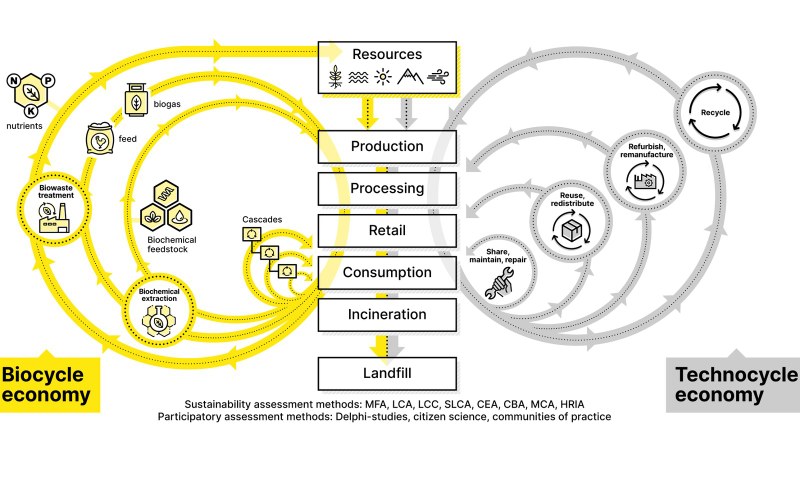
Research focus areas
Circular economy of bioresources
Circular approaches for products and materials
Sustainability assessment methods
Stories
Story
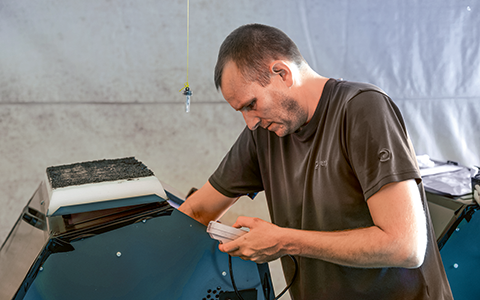
In the mix
Thomas Gross and his project team is combining biochar and compost to rehabilitate degraded soils.
- Date
- 30.4.2025
- Institute
- Institute for Ecopreneurship

News
Taking action on today's challenges in soil health
First edition of the European Healthy Soils Conference highlights obstacles and opportunities
- Date
- 13.10.2023
- Institute
- Institute for Chemistry and Bioanalytics, Institute for Ecopreneurship
Projects
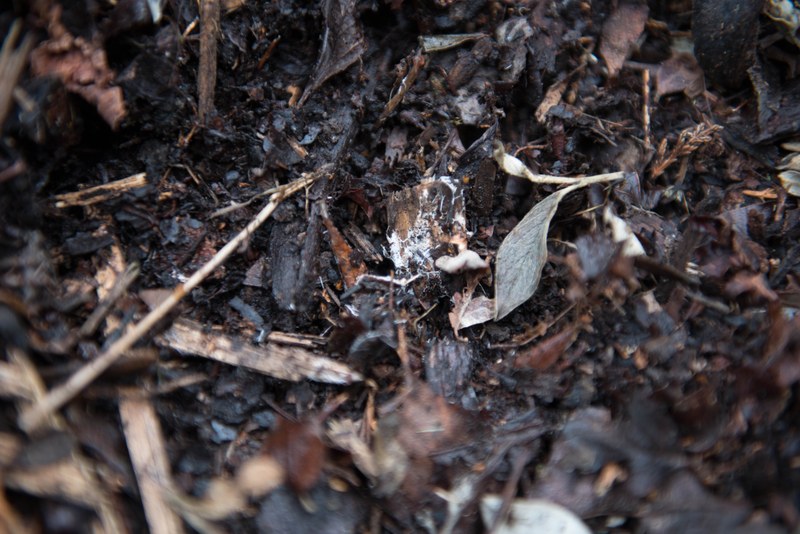
Agrocomposit
Biochar-compost composites to support site-specific soil functions and mitigate climate change
- Institute
- Institute for Ecopreneurship
- Research field
- Sustainable resource management
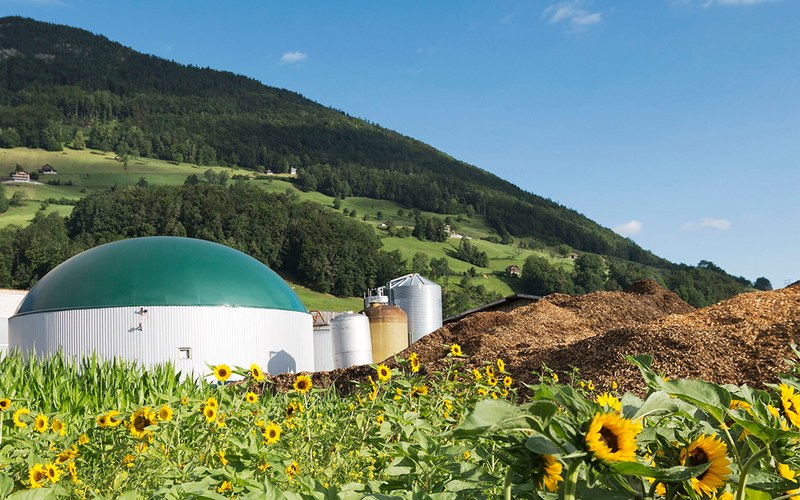
BioPhosRec
Development and validation of a new organic phosphorus recycling fertiliser through the utilisation of phosphorus-rich by-products from sewage treatment works
- Institute
- Institute for Ecopreneurship, Institute of Bioenergy and Resource Efficiency
- Research field
- Sustainable resource management
Business models for safe reuse of treated wastewater in India
Support to rejuvenation of the Ganga as part of the India-EU Water Partnership Action
- Institute
- Institute for Ecopreneurship
- Research field
- Sustainable resource management
Ingreen
Production of functional innovative ingredients from paper and agro-food side-streams
- Institute
- Institute for Chemistry and Bioanalytics
- Research field
- Environmental biotechnology, Molecular nanotechnology, Sustainable resource management, Cell biology and in vitro toxicology
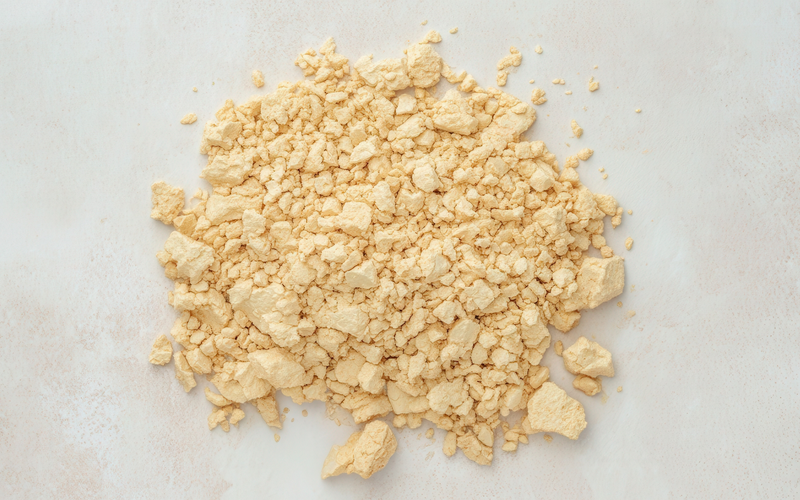
Okara valorisation
Development of a sustainable valorisation concept for okara, a by-product of soy milk and tofu production
- Institute
- Institute for Ecopreneurship
- Research field
- Sustainable resource management
Publications
Contact
Prof. Dr. Christoph Hugi
Team Leader and lecturer, sustainability and development
- Phone
- +41 61 228 55 84
- christoph.hugi@fhnw.ch
Team

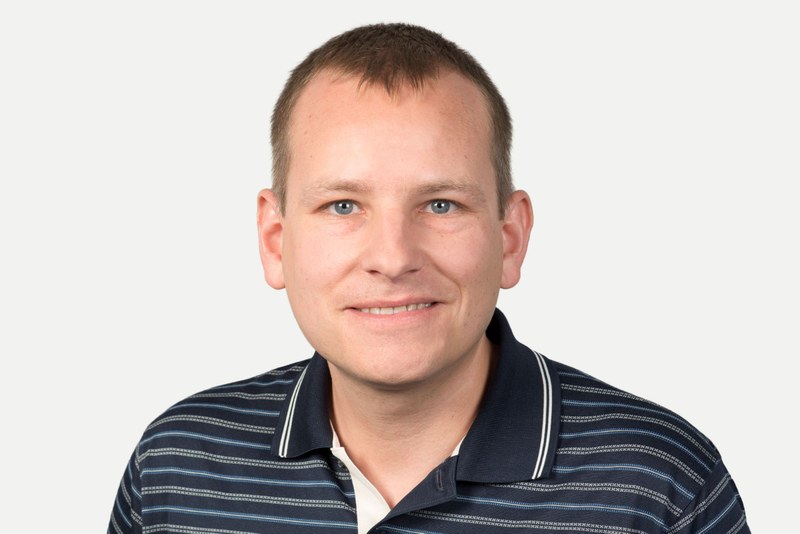
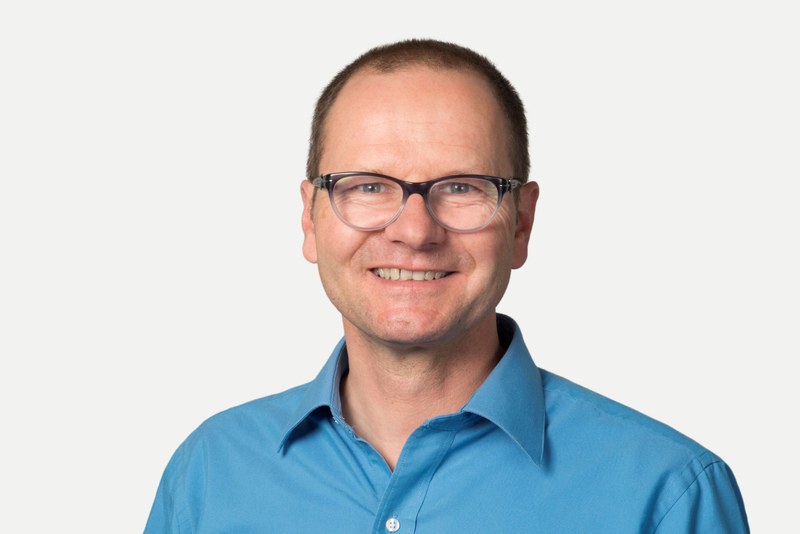
Dipl. Ing. FH Dirk Hengevoss
Research Associate in sustainable resource management
- Phone
- +41 61 228 55 98
- dirk.hengevoss@fhnw.ch