Automated GC-MS/MS analysis for targeted PFCA monitoring
Per- and polyfluoroalkyl substances (PFAS), the so-called forever chemicals, have been broadly used in household and industrial products since the 1950s. PFAS are present in water and soil, and can pose a risk to human health and the environment. Regulations for the allowed amount of PFAS in drinking water are getting stricter, with new limits set by EU law in 2020.
Perfluorocarboxylic acids (PFCAs) are a subgroup of PFAS that includes ultra-short-chain compounds such as trifluoroacetic acid (TFA). Although ultra-short-chain PFCAs generally have lower bioaccumulation potential than long-chain PFCAs, their persistence and high mobility make them a concern for water quality. Animal studies have also raised concerns about TFA’s potential reproductive and developmental toxicity. Together, these concerns highlight the need for reliable monitoring of ultra-short-chain PFCAs in water.
Current GC-MS/MS analysis methods can be used to detect ultra-short-chain PFAS, but sample degradation is a risk. We developed an automated, reliable GC-MS method to detect ultra-short-chain PFCAs in small volume samples.
The project
Automated GC-MS analysis method
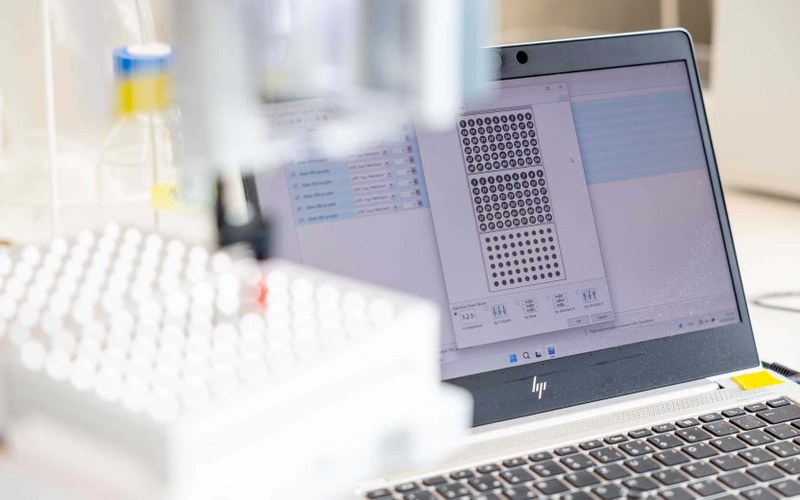
Our method automates both the preconcentration of water samples and the derivatisation of samples in-situ, before they are measured.
To concentrate the samples, we automated micro solid phase extraction (μSPE) using a PAL robotic tool change (RTC) sample preparation system.
A second PAL RTC system automates the synthesis, cooling, and dispensing of diphenyl diazomethane (DDM). The reagent is then added to the sample vial, where it reacts with PFCAs to form diphenylmethyl esters suitable for GC-MS/MS analysis.
Though our method does not surpass the most sensitive LC-MS/MS methods, we achieved low-noise baselines and well-defined peak shapes with acceptable recoveries and precision.
Our dual-PAL, in-vial DDM derivatisation approach shows how automation can deliver reliable PFAS data with reduced labour, improved safety and better long-term sustainability, all of which are beneficial for routine monitoring programmes.
Publications
- R. Häusler et al., “Automated derivatization and sample preparation protocol for ultrashort-chain PFCAs of water samples for GC-MS/MS detection,” Green Analytical Chemistry, vol. 19, p. 100385, Aug. 2026, doi: 10.1016/j.greeac.2026.100385.
Project details
- Type
- Research project
- Research field
- Instrumental analytics, Sustainable chemistry
- Topics
- Biology and chemistry, Health and medicine, Health promotion, prevention and public health, Mechanical engineering and robotics, Natural sciences, Pharmaceutical, medical and biotechnology, Technologies and engineering
- School
- FHNW School of Life Sciences / Institute for Ecopreneurship, Institute for Chemistry and Bioanalytics
- Partners
- Leopold-Franzens-University
CTC Analytics AG
University of Basel - Funding
- Innosuisse
- Team
- Rouven Hausler
Alexander Laver
Johanna Freilinger
Hagen M. Gegner
Marco Rupprich
Daniel Haussinger
Stefan Gaugler
Contact

Prof. Dr. Stefan Gaugler
- Phone
- +41 61 228 50 98
- stefan.gaugler@fhnw.ch

Further projects

Dried blood spot (DBS) testing to detect viruses in animals
- Institute
- Institute for Chemistry and Bioanalytics
- Research field
- Instrumental analytics
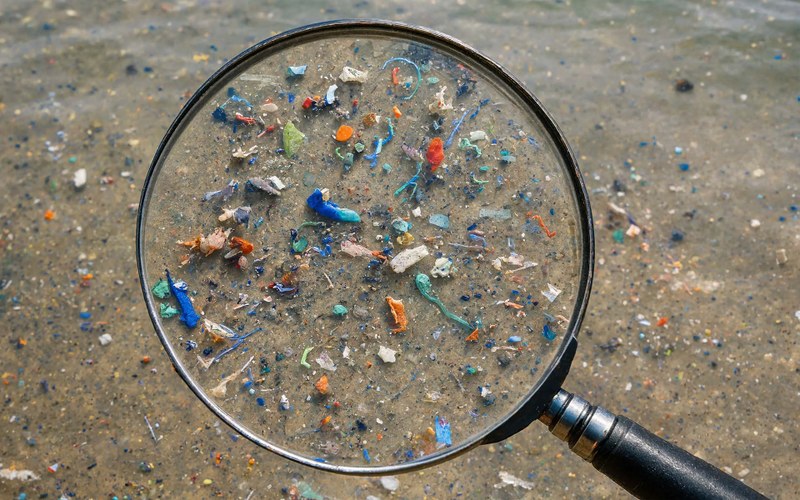
Microplastic analysis in environmental samples
- Institute
- Institute for Ecopreneurship, Institute for Chemistry and Bioanalytics
- Research field
- Instrumental analytics
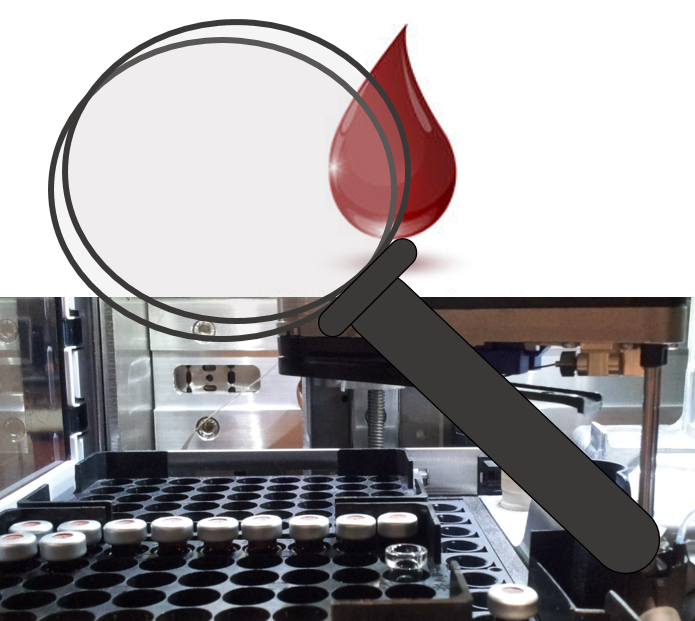
Automated preparation of whole blood samples
- Institute
- Institute for Chemistry and Bioanalytics
- Research field
- Instrumental analytics
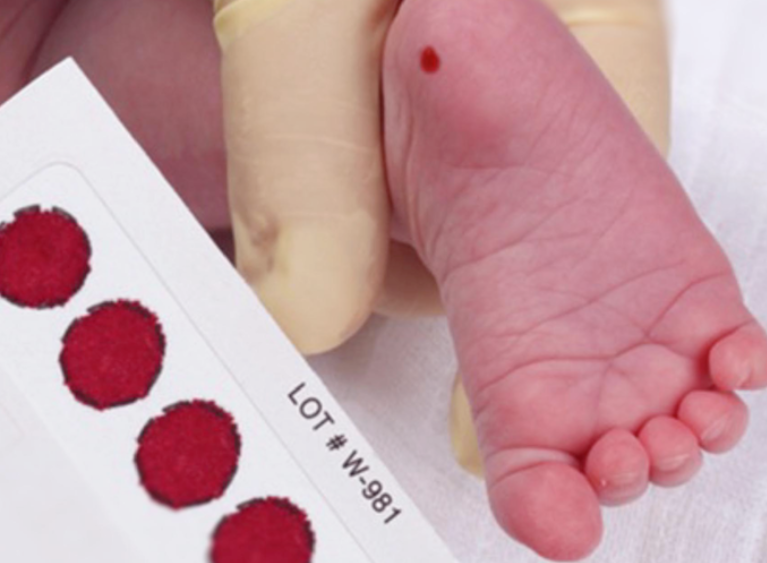
Fully automated blood screening in newborns
- Institute
- Institute for Chemistry and Bioanalytics
- Research field
- Instrumental analytics