How can artificial intelligences (AI) such as ChatGPT, Gemini and Runway be used meaningfully and sustainably in creative design and art projects? The workshop offers an introduction to the technical basics of these tools and gives participants the opportunity to integrate them competently into their own practice.

Factsheet
- Learning mode
- Onsite
- ECTS credits
- 2
- Duration
- 1 week
- Teaching language
- English
- Place
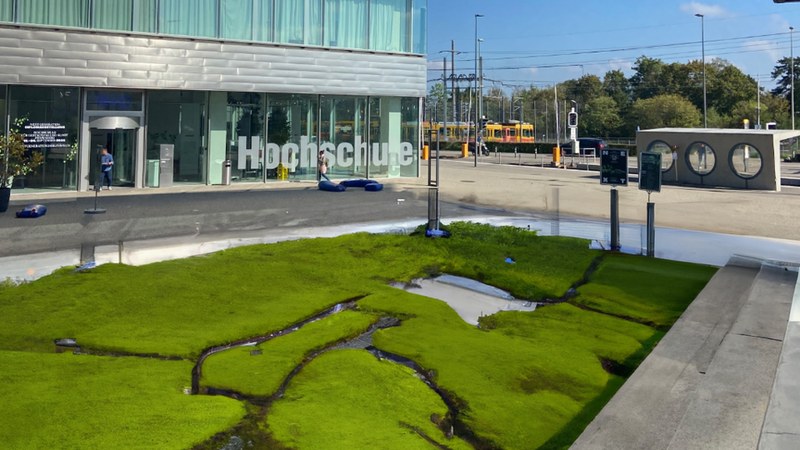
- Campus HGK Basel
- Fee
- CHF 900
At a glance
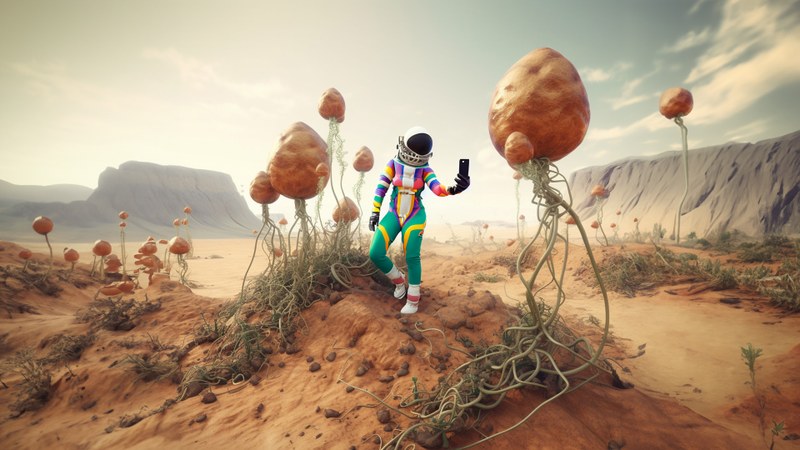
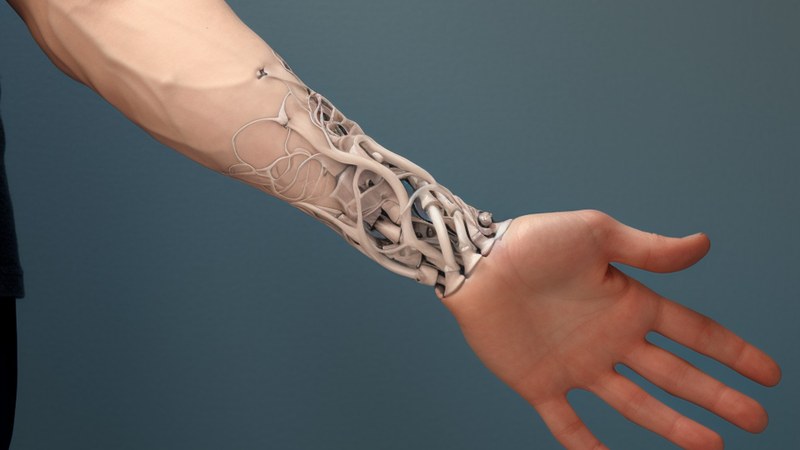
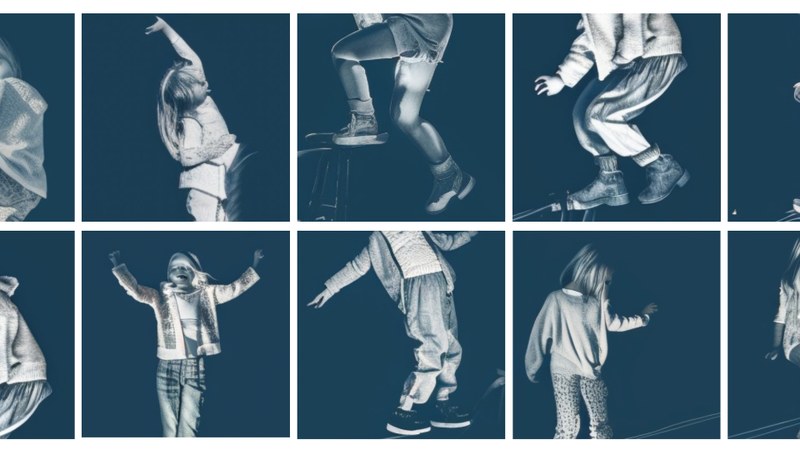
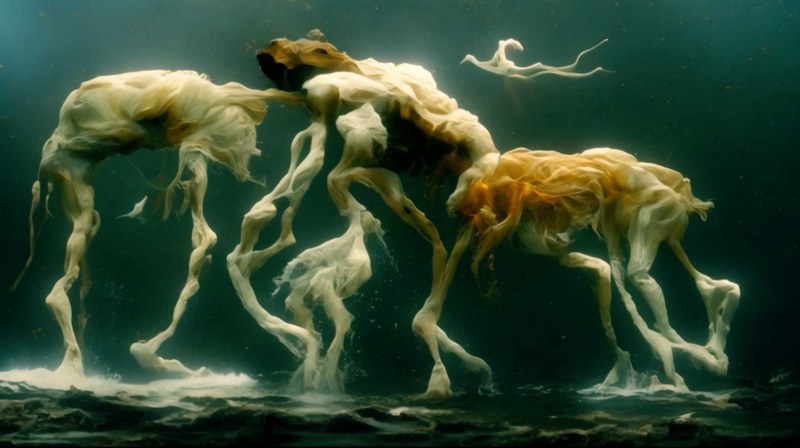
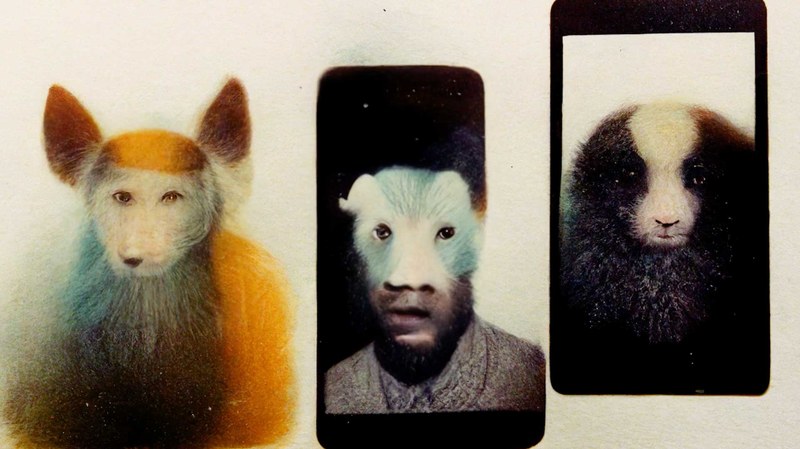
- This workshop provides a foundation in the functionality, possibilities, and limitations of generative AI technologies such as ChatGPT Images and Gemini Nano Banana Pro as well as Videogenerators like Runway.
- Creative integration of AI into personal projects: Through visual experiments and supervised project work, participants explore how AI can be integrated into their own practice and research.
- Critical reflection on the technology: The course addresses issues of copyright, bias in datasets, and the societal impact of AI in art and design.




Aims and benefits
The rapid increase in fidelity and flexibility of generative AI tools is currently leading to an accelerating adoption of this technology in the world of art and design. The primary goal of the workshop is to give participants an insight into generative AI methods so that they can both understand the theoretical foundations and test these approaches in their own projects. In doing so, they should be able to better assess the potentials, limits and risks of these technologies. This will enable participants to make informed decisions about how AI might be applied to their creative processes and how they would like to integrate the technology into their own practice.
Target audience
The workshop is aimed at researchers and practitioners of all design and artistic disciplines as well as related academic disciplines. Please note that additional costs may apply for the use of certain cloud services.
Structure and programme contents
Programme
Further Education Options
General Information Workshops Institute Digital Communication Environments (IDCE)
Lecturers
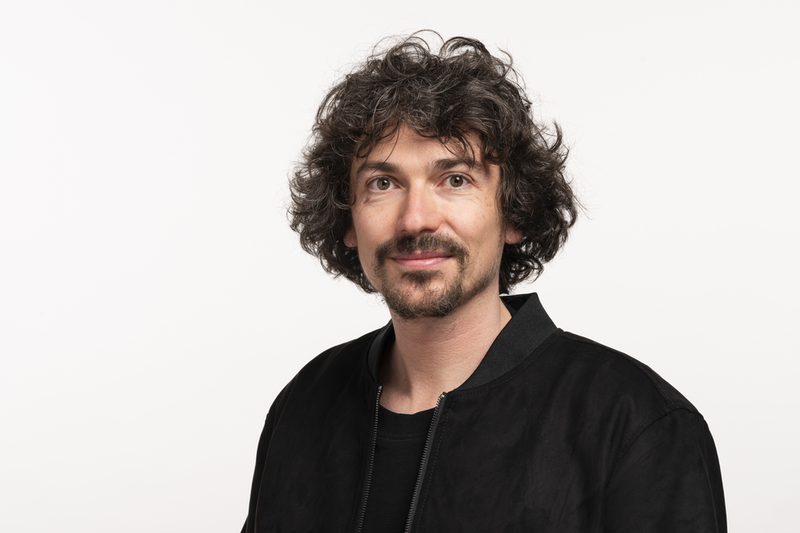
Dr. Ludwig Zeller, born in 1981, is a lecturer and researcher at the Institute for Digital Communication Environments (IDCE). As an alumnus of the Royal College of Art in London and the Academy of Media Arts Cologne, his research focuses on the intersection of technology and society, moving fluidly between design-artistic and academic disciplines. Ludwig Zeller earned his doctorate in Art and Media Studies with a dissertation on the speculative aesthetics and fictionality of critical and (meta-)speculative design. His work, which has been presented on numerous international platforms, focuses on emerging media technologies, particularly in the field of algorithmic arts. Current projects include Sonic Imagination (SNF Spark and Agora) and the mixed-reality sound laboratory OpenSoundLab. Since 2019, Ludwig Zeller has also been active in workshops on generative AI and explores the applications of these technologies in the arts. Further information: www.ludwigzeller.net.
Requirements and admission
The continuing education programs are primarily aimed at individuals with an academic degree from a recognized university and relevant professional experience after graduation. Individuals with equivalent qualifications will be admitted if their eligibility for participation is demonstrated by other evidence.
For further questions, please contact the Continuing Education Department, Ralf Michel
Organisational matters
Fees
Information and regulations
Advising and information events
Contact