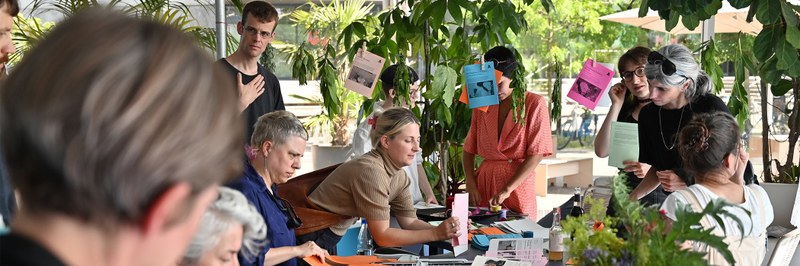
MAKE/SENSE is a three-year PhD programme organized with the University of Arts Linz (AT). It combines supervision in Basel and Linz with a curriculum grounded in critical, experimental, and transdisciplinary research.
The study programme
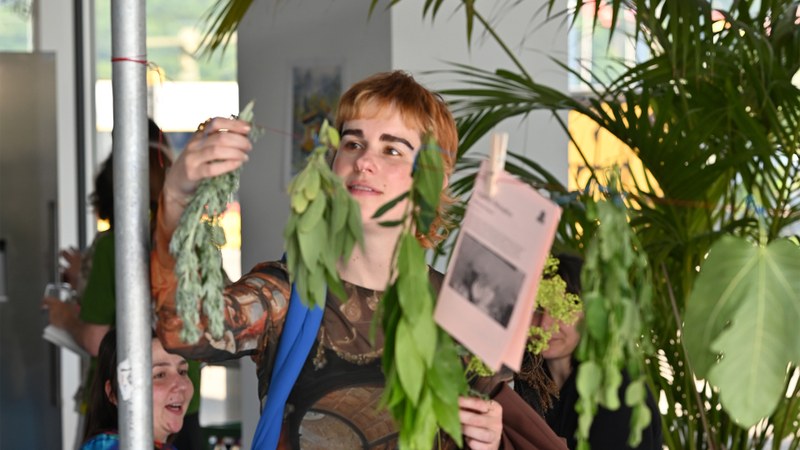
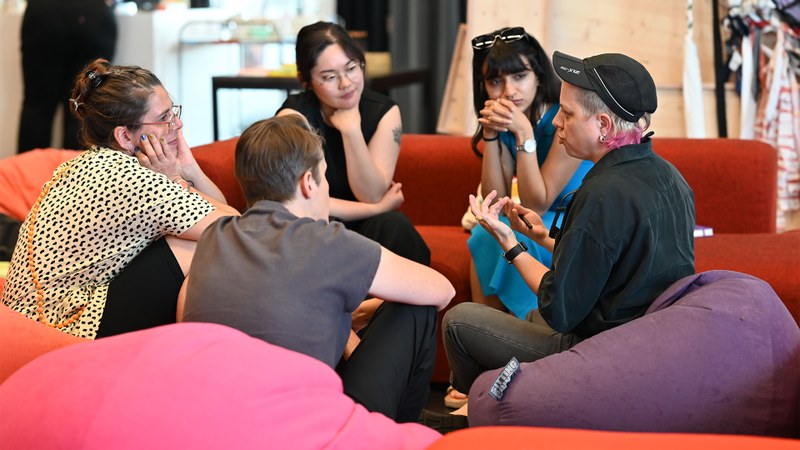
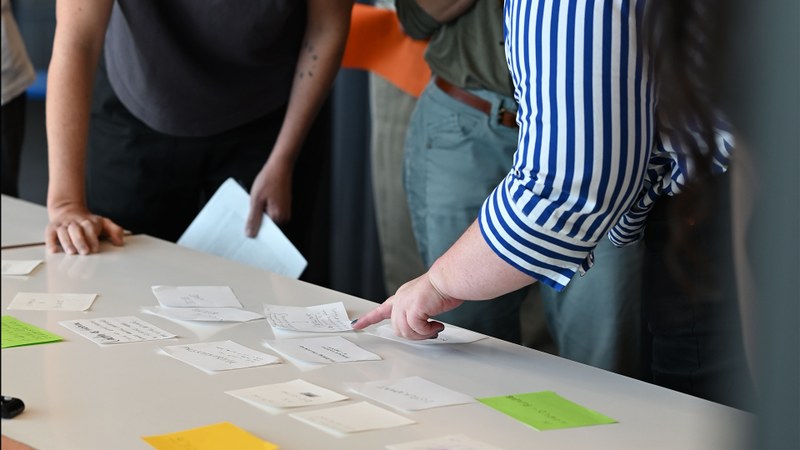
The MAKE/SENSE PhD, hosted by the Critical Media Lab, brings together researchers from art, design, media, and technology in a collaborative environment. The programme combines close mentorship with shared practices of documenting, hacking, rehearsing, and publishing that shape the lab’s ongoing research threads.
Research is approached as a process that responds to social, political, infrastructural and technological questions of our time. Candidates develop situated and experimental approaches informed by socially engaged perspectives. Projects may take the form of artistic interventions, activist media, software critique, fieldwork, or other practice-based experiments that question how knowledge is produced and shared.
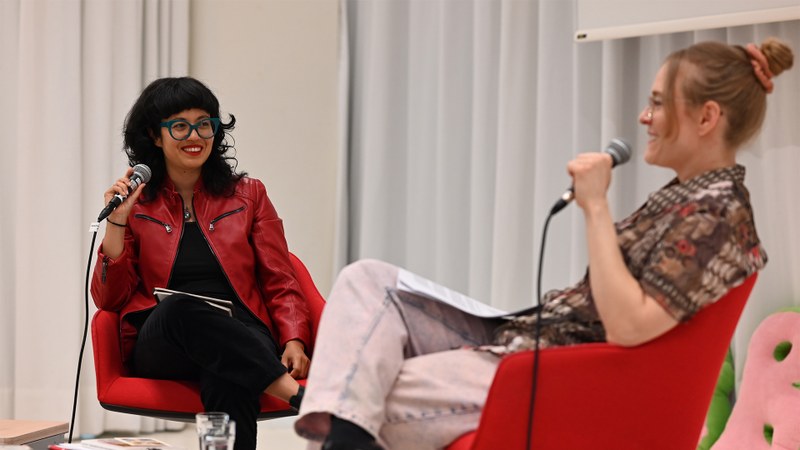
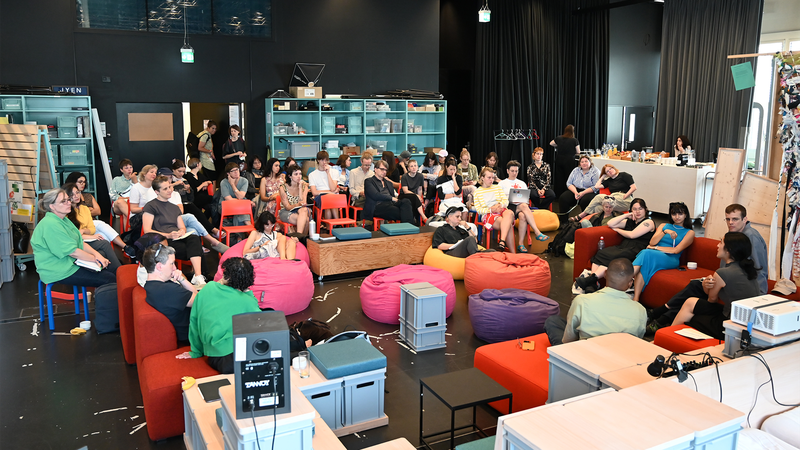
Doctoral training spans three structured years, with the option of extension. Students receive individual and group supervision in Basel and Linz, supported by monthly colloquia, a yearly assembly, and regular public events organized in collaboration with external partners. Research outcomes may include exhibitions, performances, installations, publications.
Supervision
PhD candidates are jointly supervised by the Basel Academy of Art and Design FHNW and the University of Arts Linz through regular individual and group meetings in both locations. These meetings provide individualized training and foster collective exchange, tailored to each doctoral project. At the Basel Academy of Art and Design FHNW, supervision is offered across its institutes, including:
- Experimental Design and Media Cultures (IXDM)
- Arts and Design Education (IADE)
- Art Gender Nature (IAGN)
- Digital Communication Environments (IDCE)
- Contemporary Design Practices (ICDP)
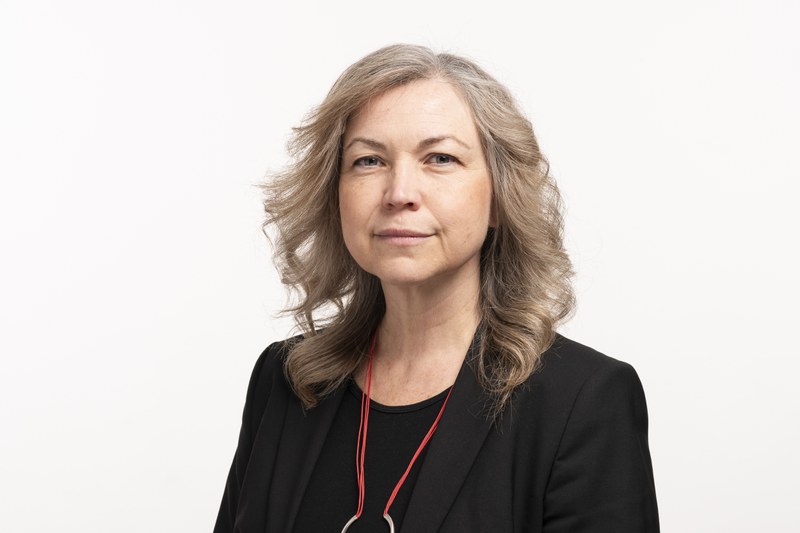
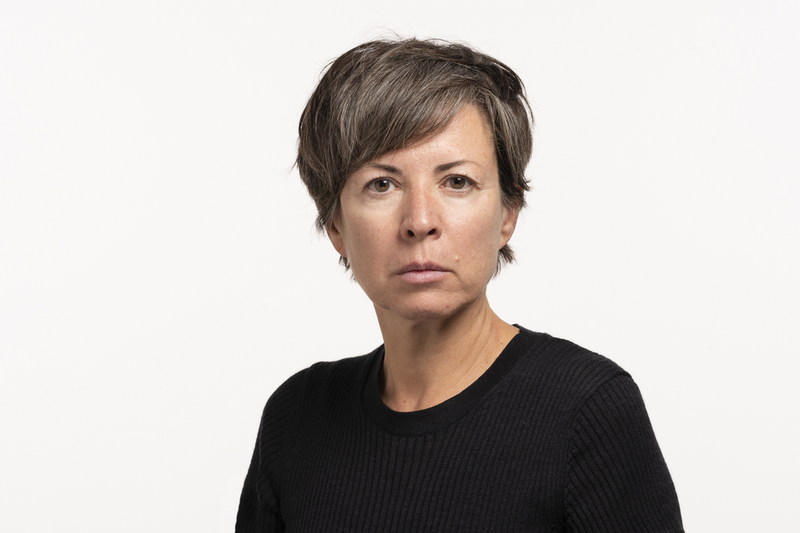
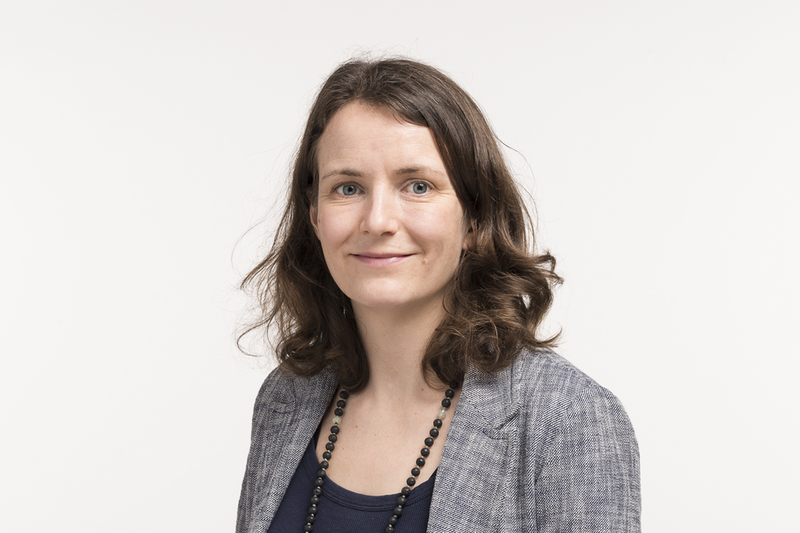
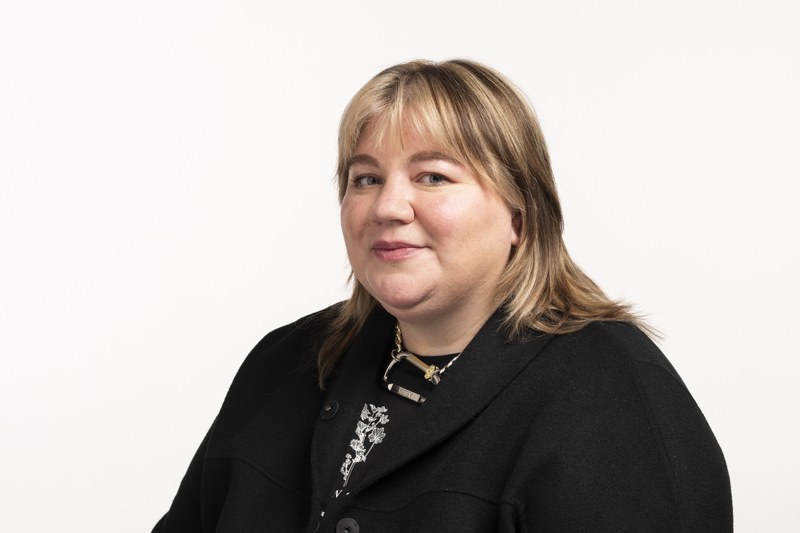
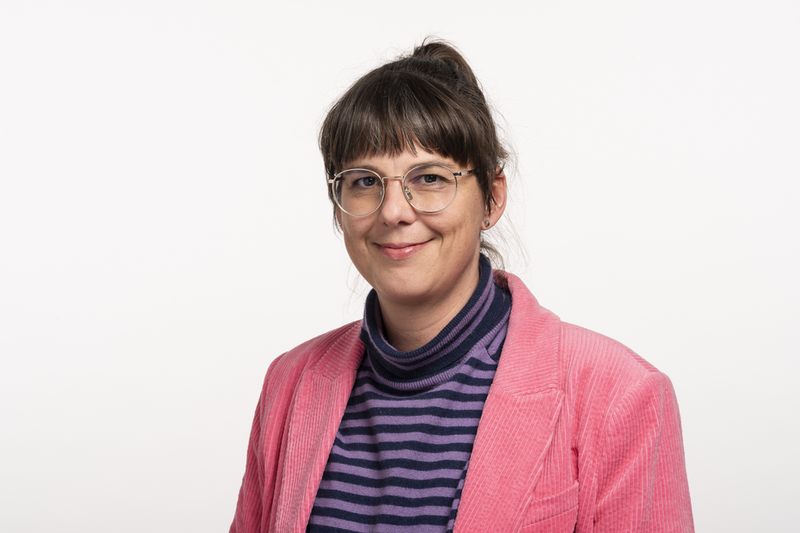
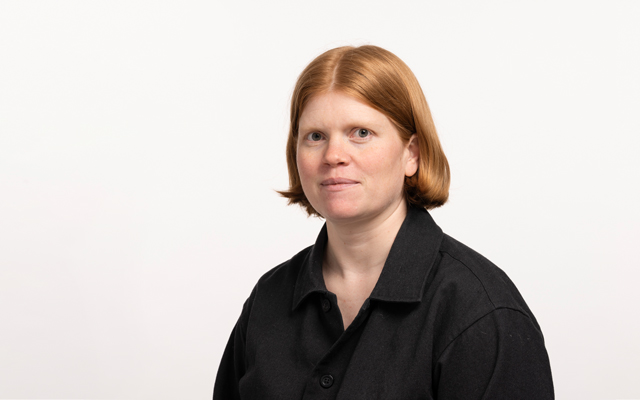
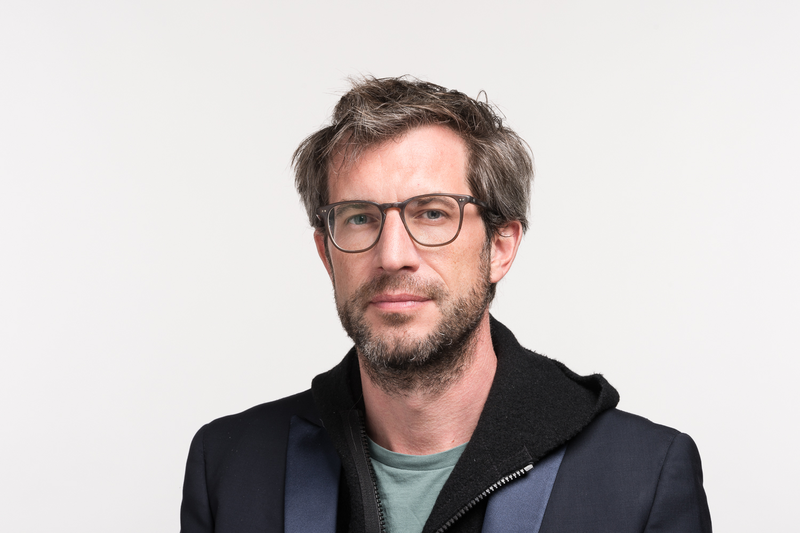
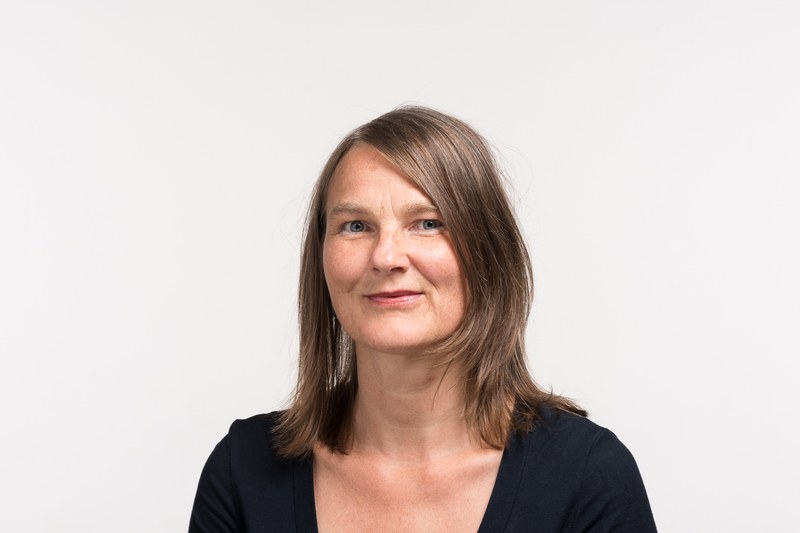
Current Supervisors

Target audience
Aims and benefits
Educational goal and career prospects
Infrastructure
Admissions
Admission
Information on the assessment
Additional study fees
Team

Nuria Barcelo
- Phone
- +41 61 228 40 22 (Central office)
- nuria.barcelo@fhnw.ch
Prof. Dr. Ines Kleesattel
- Phone
- 061 228 43 59 (Direct)
- ines.kleesattel@fhnw.ch
Prof. Dr. Lucie Kolb
- Phone
- +41 61 228 40 22 (Direct)
- lucie.kolb@fhnw.ch
Prof. Dr. Helen V. Pritchard
- Phone
- +41 61 228 40 22 (Central office)
- helen.pritchard@fhnw.ch

Jonas von Lenthe
- Phone
- +41 61 228 43 14 (Central office)
- jonas.vonlenthe@fhnw.ch
Cooperations
International
PhD Researches
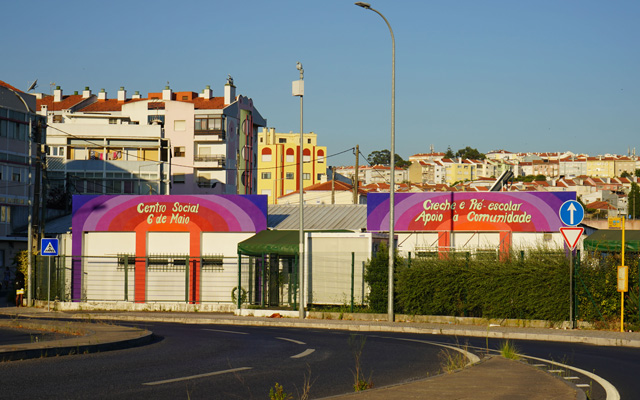
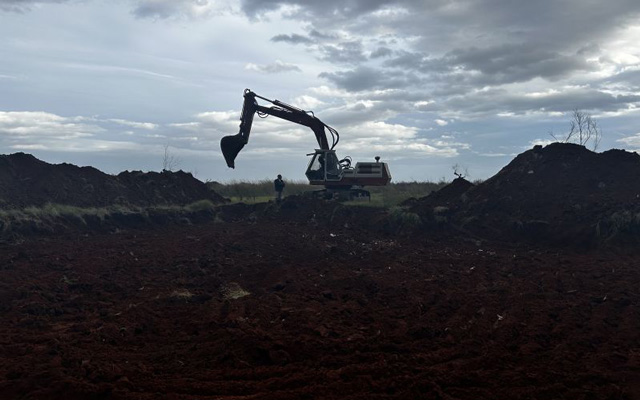
CAPACIDADES (25 de Abril/6 de Maio)
- Institute
- Institute of Experimental Design and Media Cultures
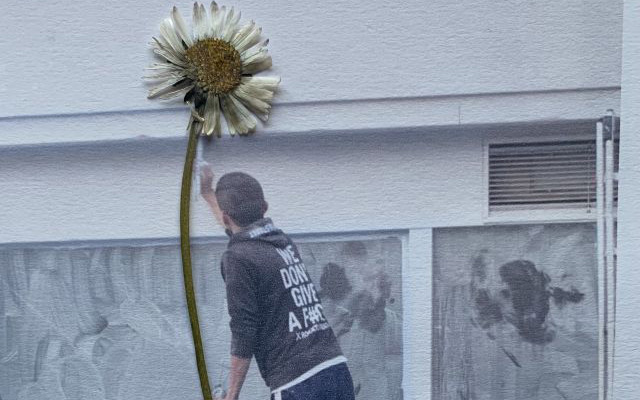
Circular design processes
- Institute
- Institute of Experimental Design and Media Cultures
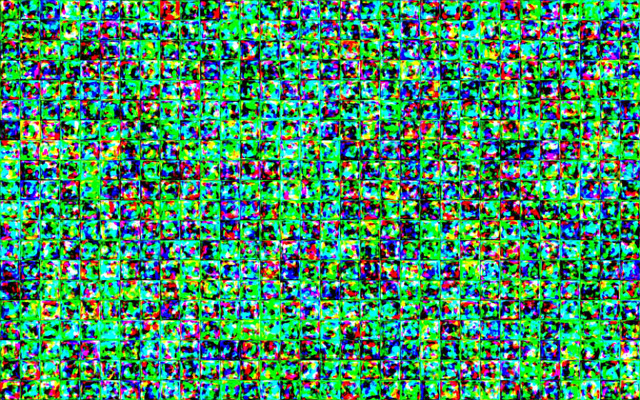
Critical Cyberspace Gender Narratives in Artificial Intelligence and database
- Institute
- Institute of Experimental Design and Media Cultures

Culinary Return
- Institute
- Institute of Experimental Design and Media Cultures
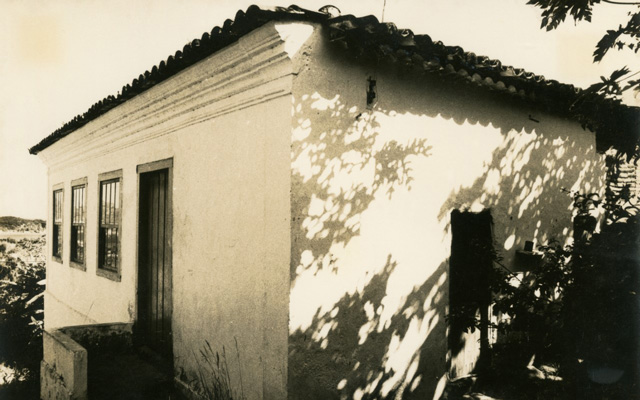
Polyphonic visions
- Institute
- Institute of Experimental Design and Media Cultures
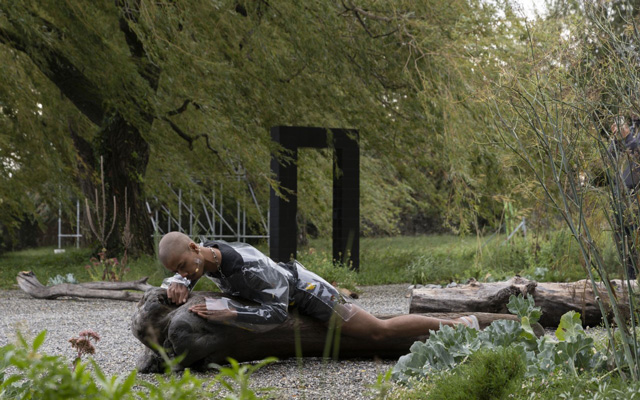
Queering Nature
- Institute
- Institute of Experimental Design and Media Cultures
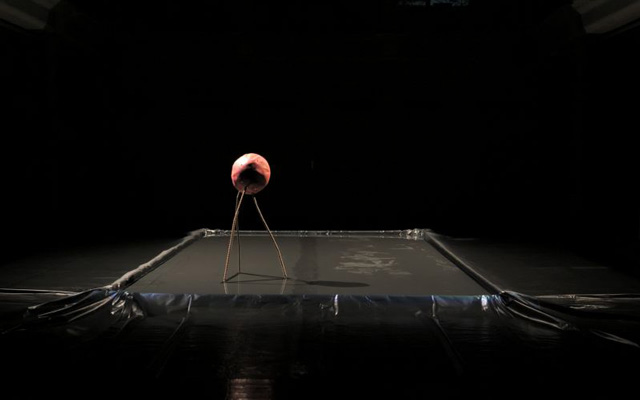
Relational Bodies
- Institute
- Institute of Experimental Design and Media Cultures
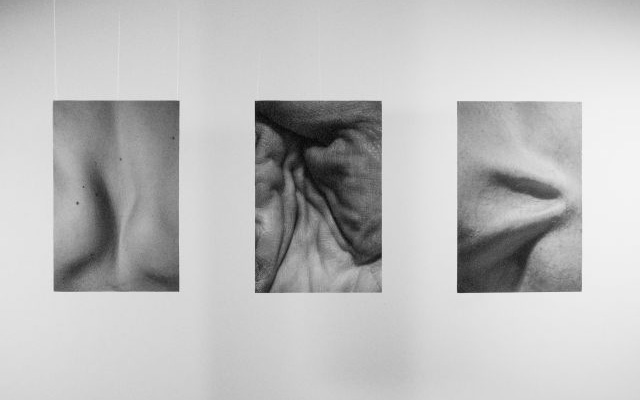
Seeing with Hands, Touching with Eyes
- Institute
- Institute of Experimental Design and Media Cultures
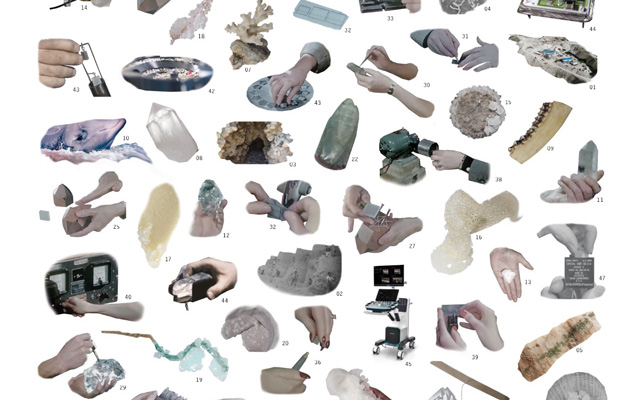
Situated Knowledges of Complex Matter
- Institute
- Institute of Experimental Design and Media Cultures
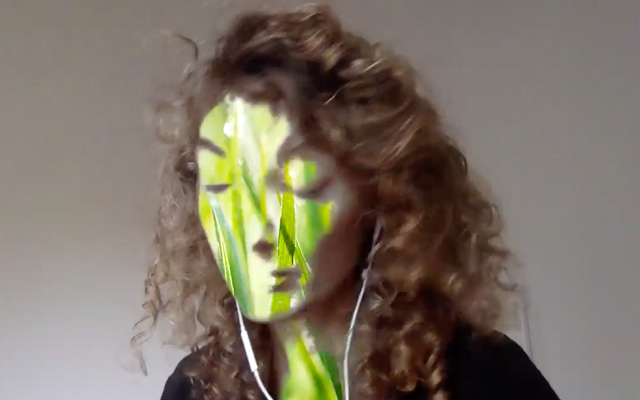
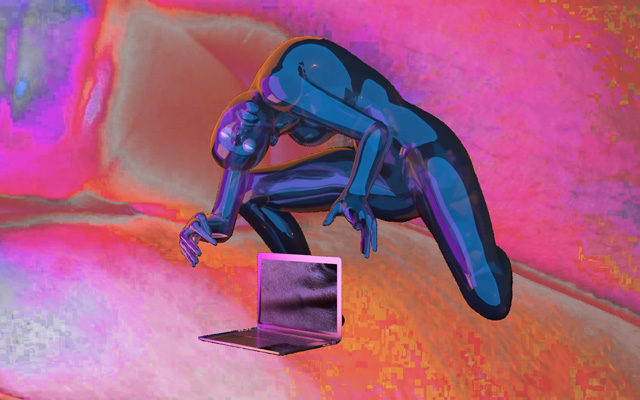
Some leaf bugs look so much like leaves that they get eaten by their peers
- Institute
- Institute of Experimental Design and Media Cultures
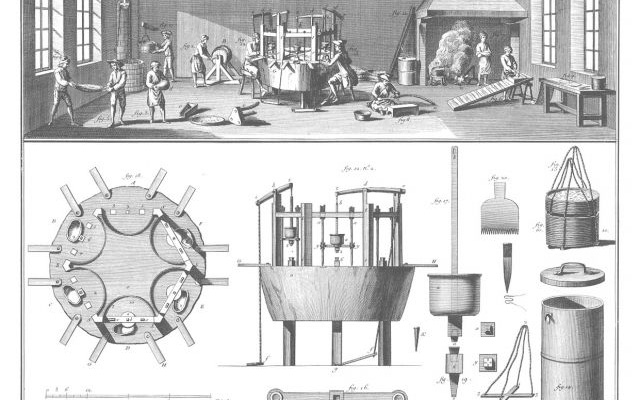
Whose Intelligence is Artificial Intelligence (Working title)
- Institute
- Institute of Experimental Design and Media Cultures
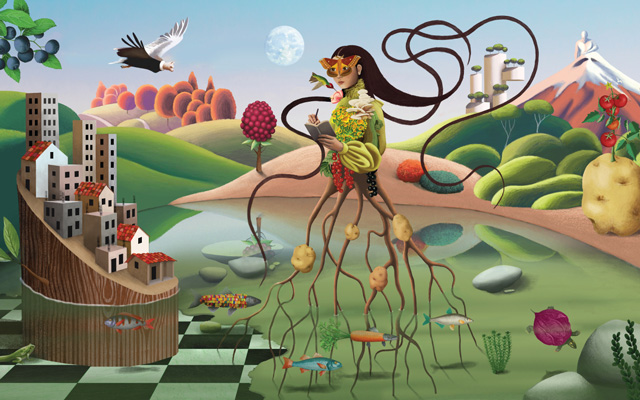
WomenAmasamientoNature
- Institute
- Institute of Experimental Design and Media Cultures