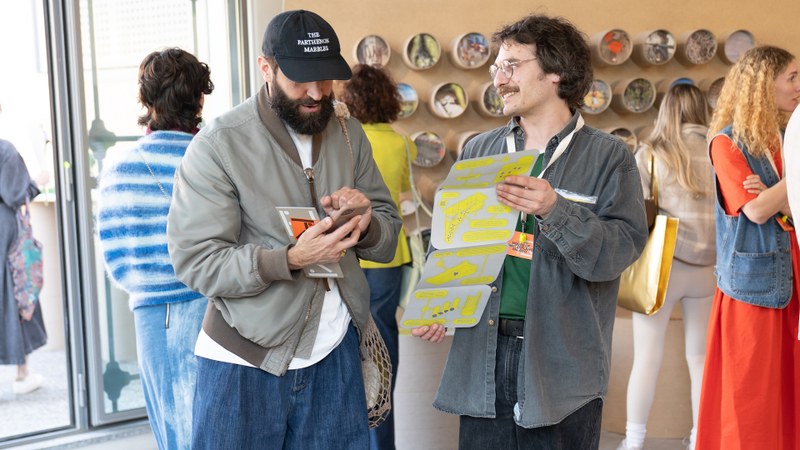
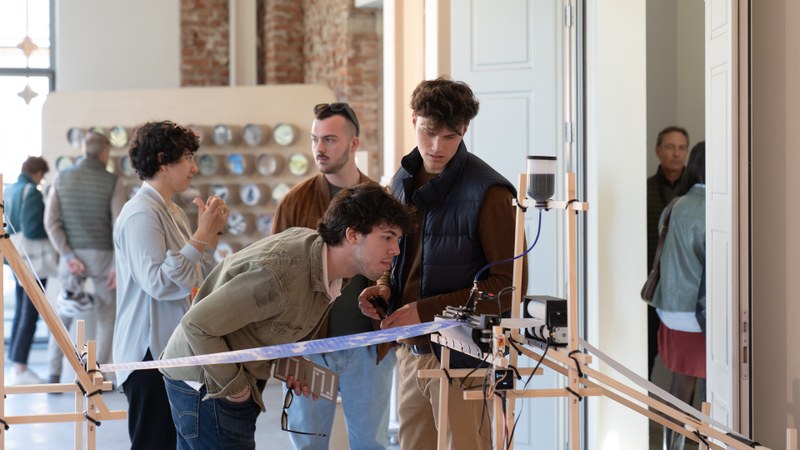
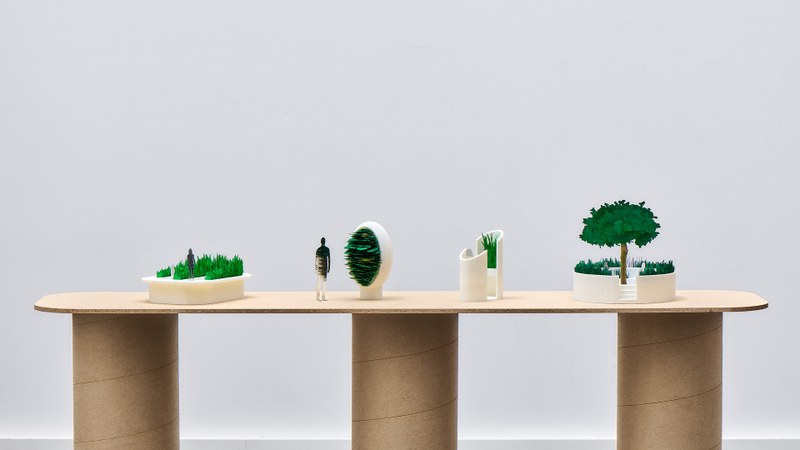
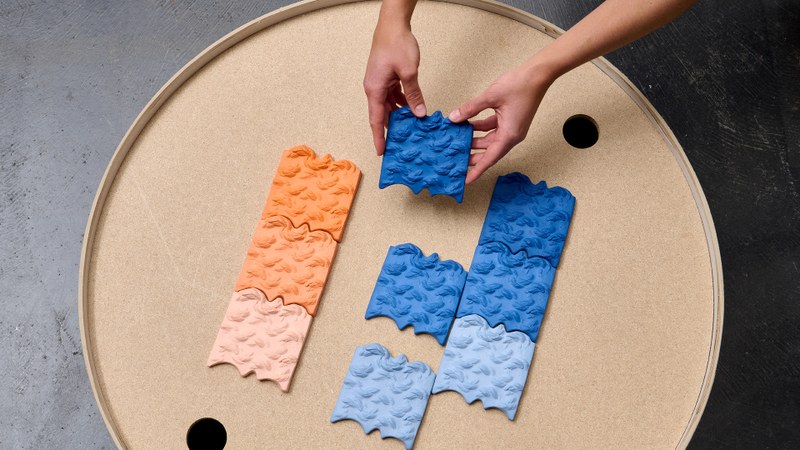
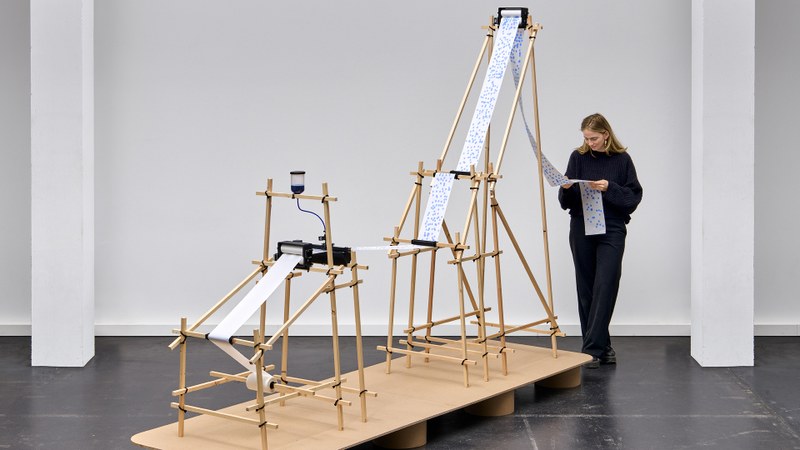
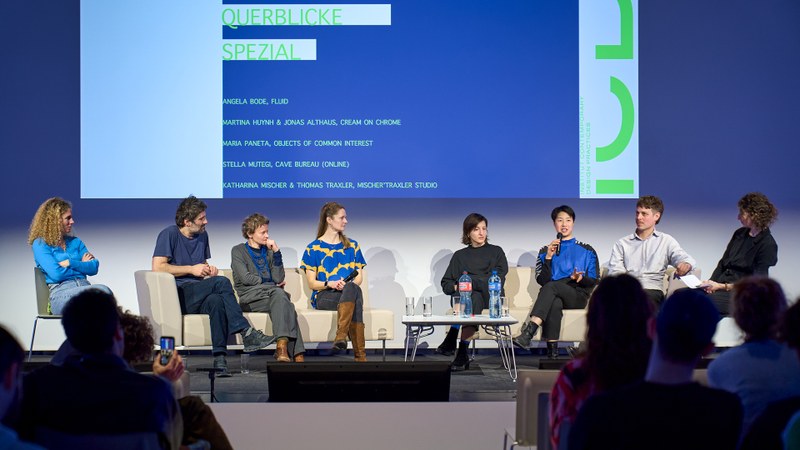
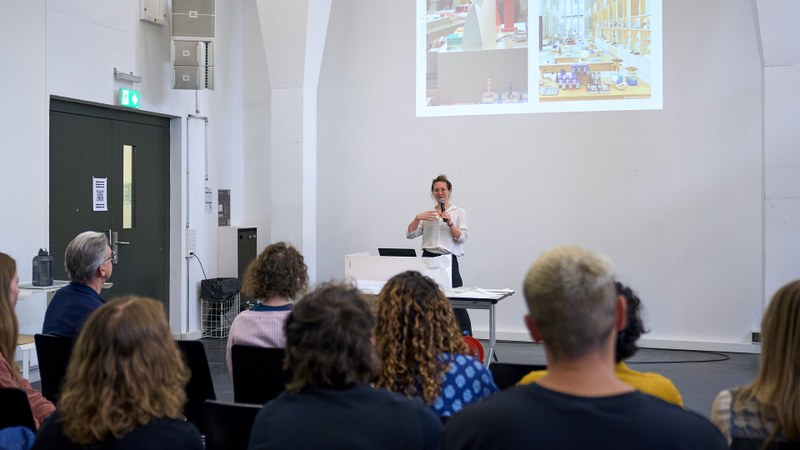
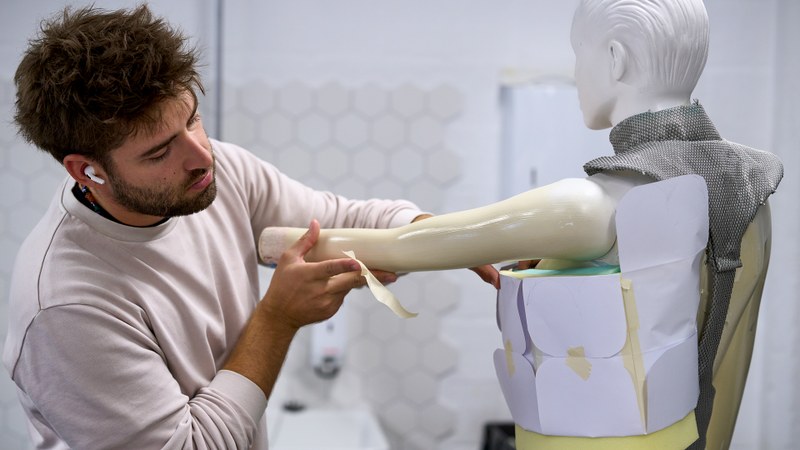
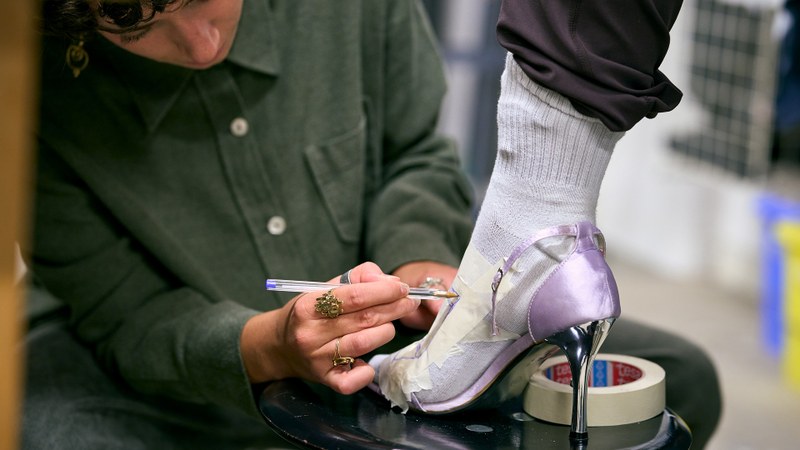
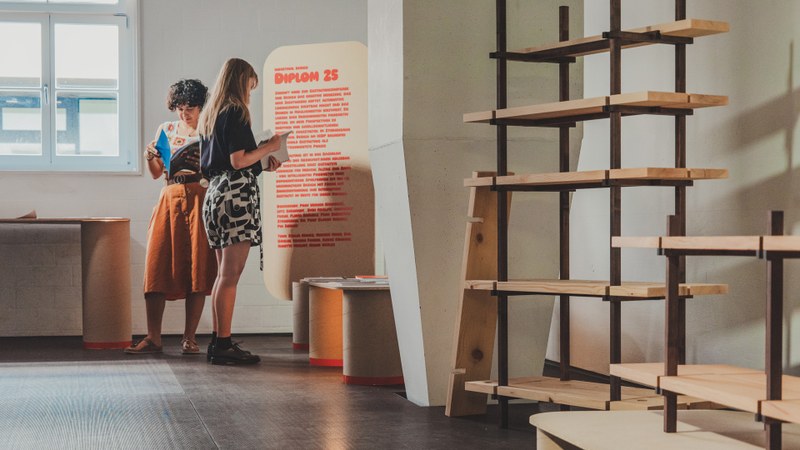
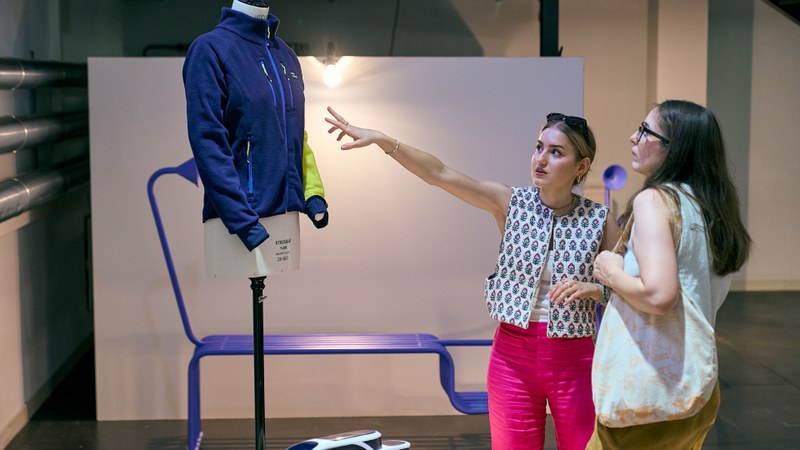
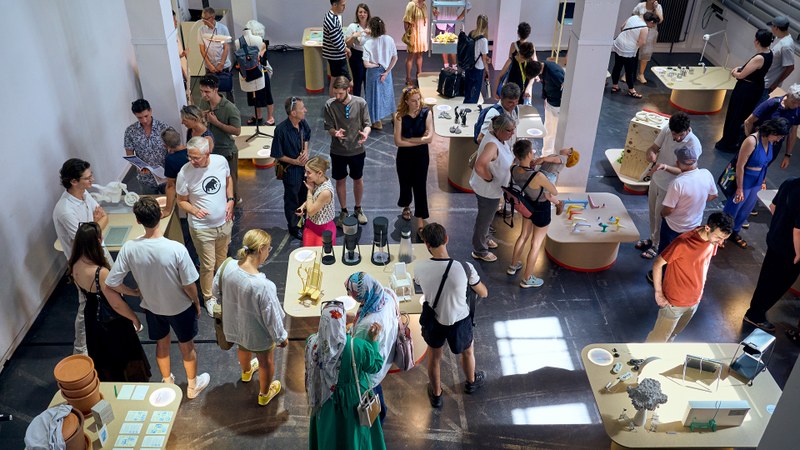
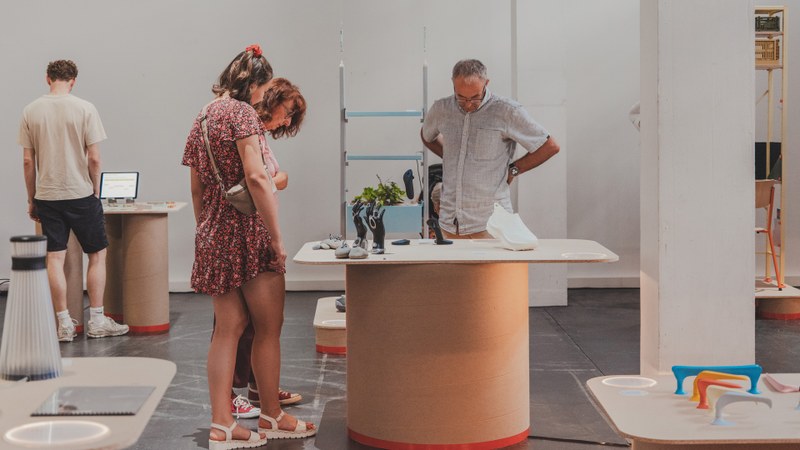
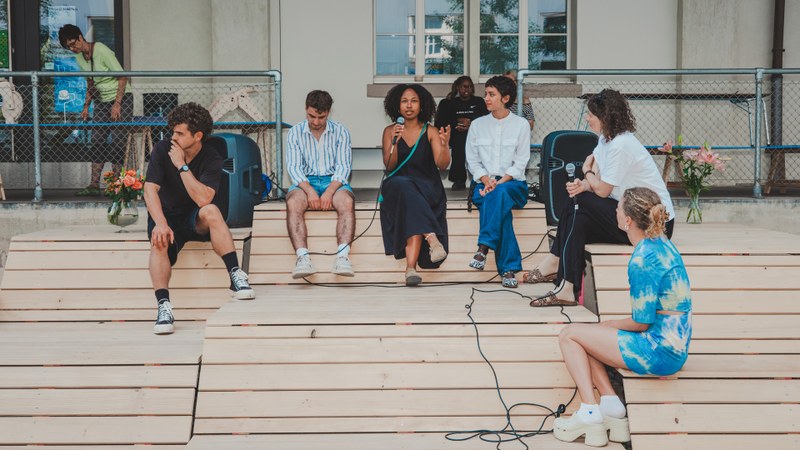
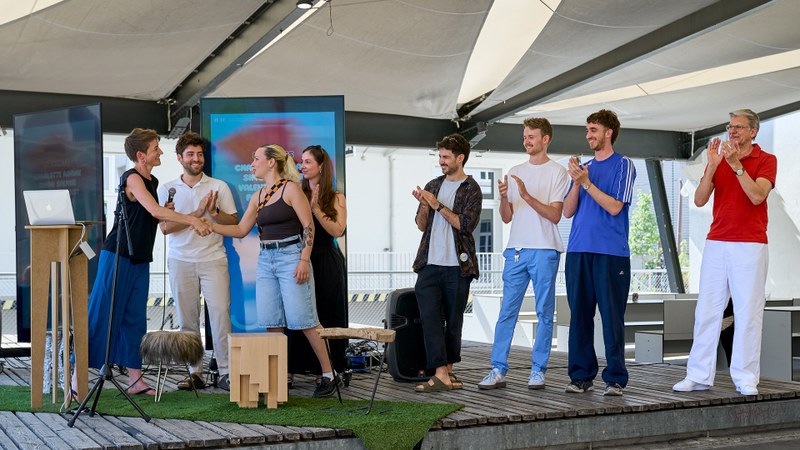
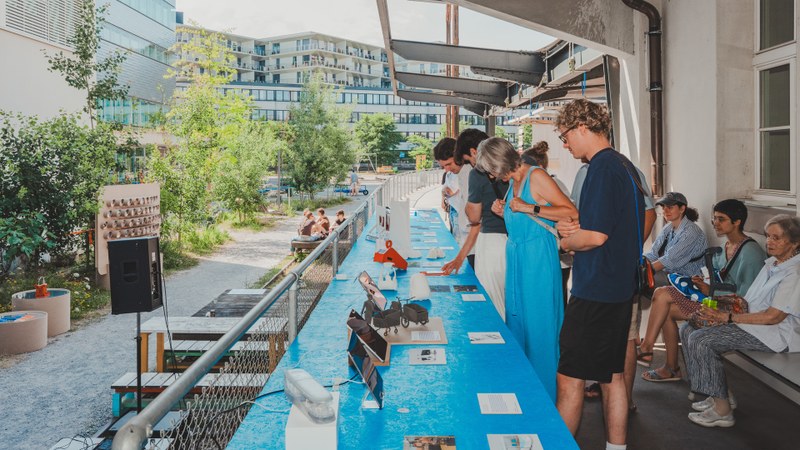
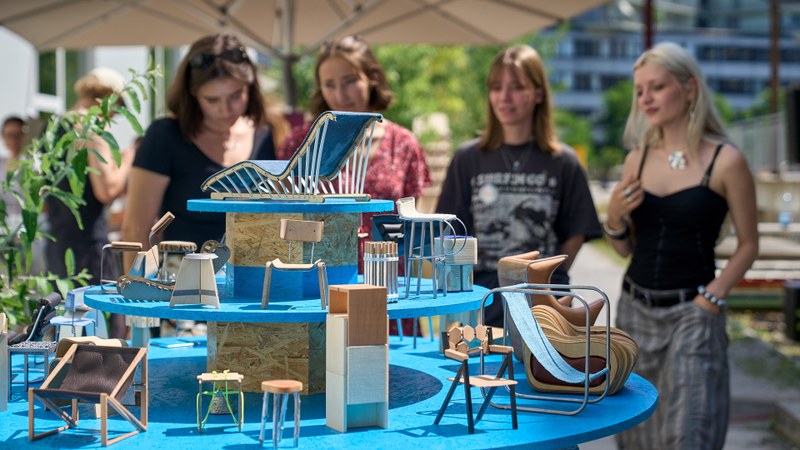
Aesthetics, usability, materials, emotional impact, legibility, formal value: the design of serially produced goods draws on the knowledge of various disciplines. To assume an active role as designers in an era of rapid social change, students learn how to approach their own discipline with confidence and how to deal with related areas in a professional and socially competent manner.
Factsheet
- Degree
- Bachelor of Arts FHNW
- Study mode
- Full-time
- Learning environment
- Onsite
- ECTS points
- 180
- Next start
- 14.9.2026
- Duration
- 6 semester
- Language
- German (B2 or equivalent), partly in English
- Place
- Campus HGK Basel
- Staying abroad
- Possible
- Application fee
- CHF 200.- (incl. aptitude assessment and enrolment)
- Semester fee
- CHF 750 (CH); CHF 1.000 (EU); CHF 1.250 (Not-EU/EFTA)
At a glance
- Students learn the conceptual, methodological and technical components of the creative, problem-oriented design process.
- Whether it's circular economy, new materials or digital technologies, students acquire the necessary know-how to realise responsible innovations.
- In order to address relevant current and future topics, the programme offers access to three labs: Design Culture Lab, Material@Sustainability Lab, Digital Integration Lab.
Why study this?
Goals and benefits
In the course of your studies, you will learn advanced practical, theoretical, and methodological aspects of design.The systematically structured training programme enables you to develop an awareness of the relevance of industrial design, as well as to actively shape the society and environment of today and tomorrow.The degree programme prepares you for the challenges of a rapidly changing society.So that you can apply what you have learned within the creative sector, in industry, and in business, the curriculum conveys a broad range of skills and competencies that can be extended into many areas.They provide the basis for a method- and knowledge-based design practice that is able to deal with the challenges of the present and the future.
Career prospects
As a graduate of the Industrial Design bachelor’s programme, you can expect a multifaceted professional field, in some cases highly specialised. You will be in a position to work in companies’ design departments and at design studios or to start your own business. In the context of information and communications technology, many new fields of activity for Industrial Design – such as in the area of digital services – are opening up. If you are aiming at leadership job in the design field, teaching or academia, continuing your education in our Industrial Design master’s programme is an ideal way of preparing for it.
Structure and programme contents
The study programme
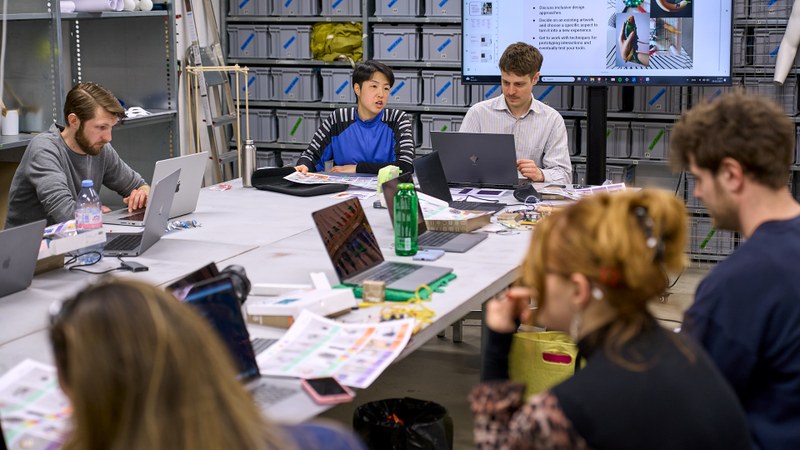
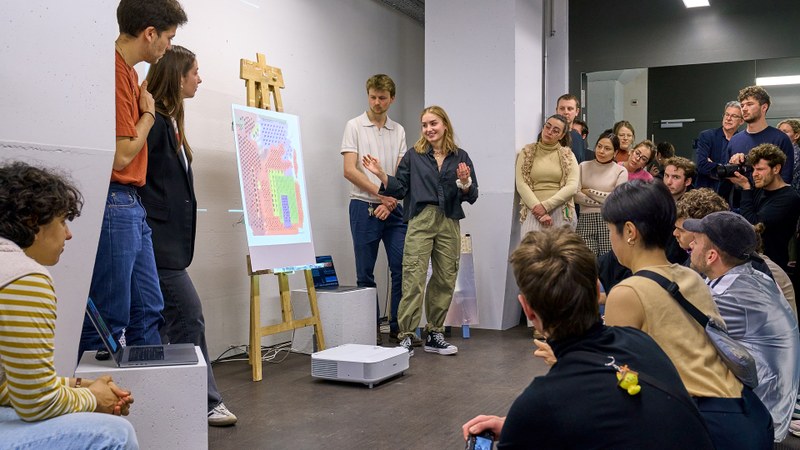
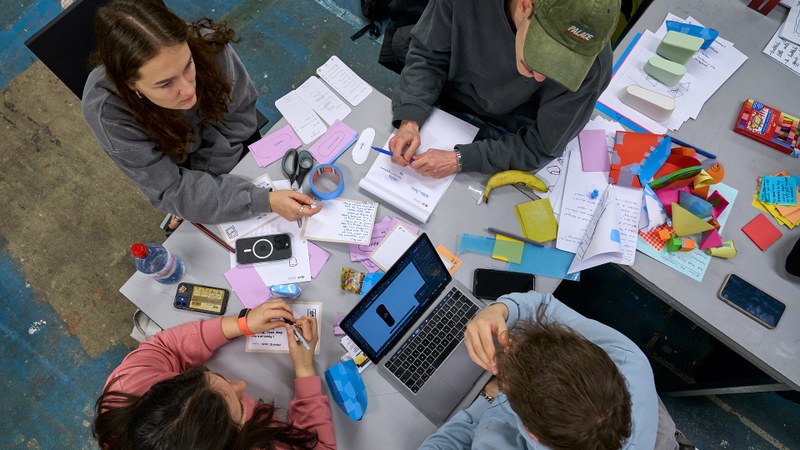
Aesthetics, usability, materials, emotional impact, legibility, formal value: the design of serially produced goods draws on the knowledge of various disciplines. To assume an active role as designers in an era of rapid social change, students learn how to approach their own discipline with confidence and how to deal with related areas in a professional and socially competent manner. As a basis for independent, critical design work, students get to grips with the conceptual, methodical and manual components of the creative, problem-oriented design process during their basic studies. The main study programme is focused on in-depth project work along the freely selectable focal points ‘introductory, practical and vision project’. To be able to address relevant current and future topics, the programme offers access to three laboratories: the Design Culture Lab provides a space for applying critical thinking and capturing new design perspectives. The Material@Sustainability Lab deals with sustainability issues, while the Digital Integration Lab offers an expanded perspective and infrastructure on the digital transformation.
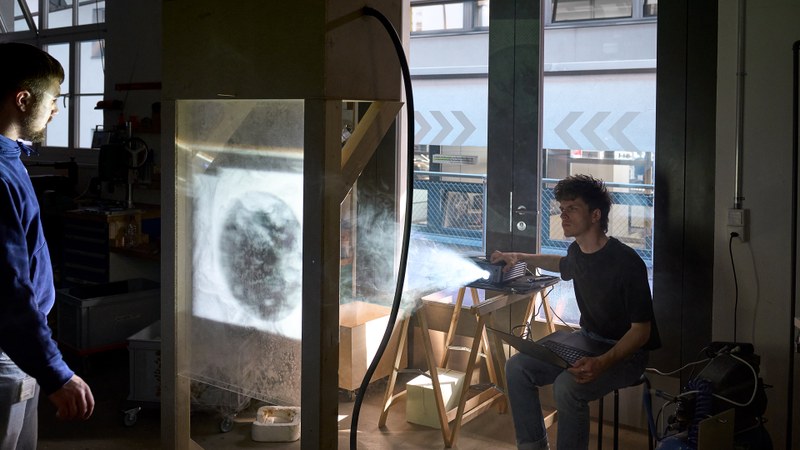
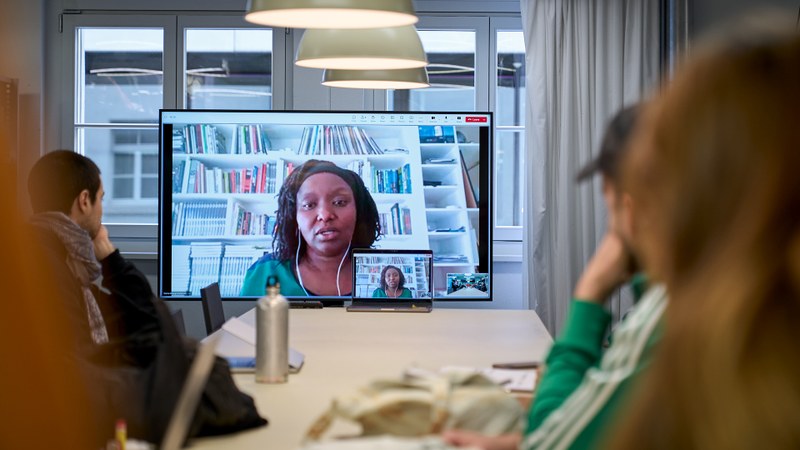
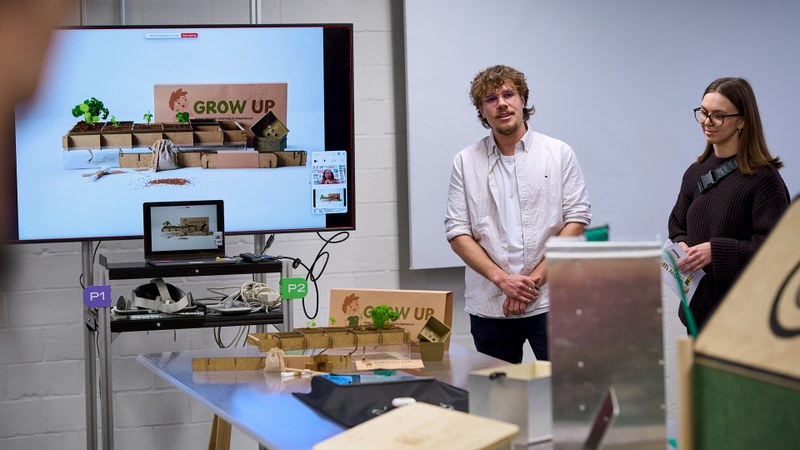
The courses offered reflect socially relevant issues: three labs were set up in order to address such issues in teaching. The Design Culture Lab offers the opportunity to apply critical thinking and understand new design perspectives. The Material@Sustainability Lab focuses on sustainability and the Digital Integration Lab gives our students a broader perspective and infrastructure with regard to the digital transformation. Students get to experience the latest design technologies such as three-dimensional sketching, virtual project presentations or coding.
Thematic focal points range from sustainable production to medical design and transport; from social innovation to home and living and interface design. It also addresses design questions related to capital and consumer goods. Critical reflection on the content and specifications as a requirement for innovative concepts and solutions is essential for doing so.
Target audience
The degree programme Industrial Design targets inquisitive and creative minds who wish to design and change things. It addresses students who are not interested only the form and function of serial goods but also wish to know how these products are used and in what contexts they develop impact. The degree programme calls for a wide range of interests on the part of the students and a curiosity to understand the social, cultural, economic, and technological challenges society faces. Hereby the focus is on the perspective of users. Apart from conceptual aspects, major emphasis is placed on the practical, hands-on design work including the materials, existing procedures as well as new technologies.
Insights Industrial Design
Tour of the Industrial Design degree programme (german)
Institute Contemporary Design Practices, Industrial Design, Transformation 23/24
LOOK Book ICDP, INSIGHTS NO.3
Material & Sustainability Lab
Infrastructure
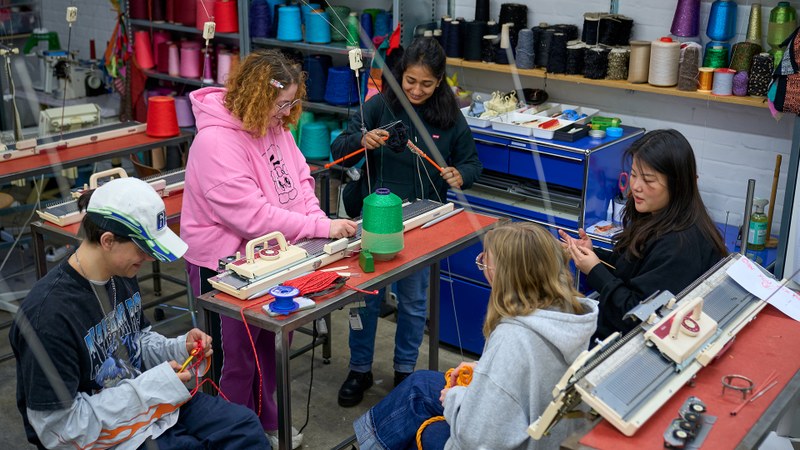
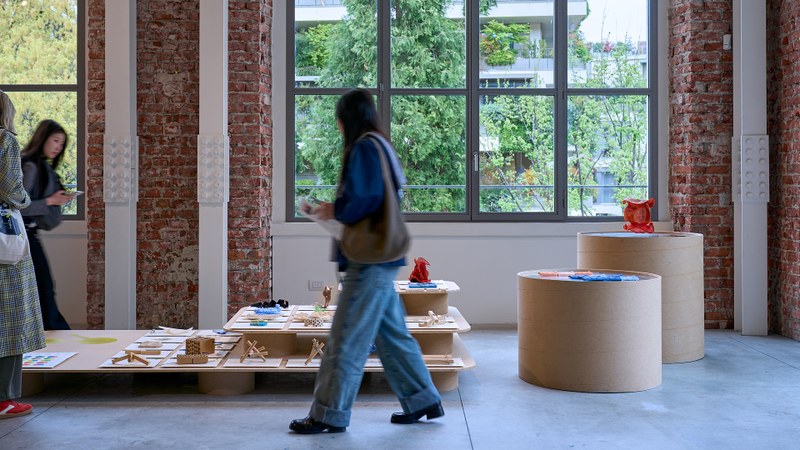
With its studios and central Campus.Workshops, HGK offers ideal conditions for combining craft curiosity, the acquisition of technical skills, and the necessary digital know-how. In addition, all students have their own 24/7 workspace in one of the spacious studios. In the degree programme Industrial Design, students experiment with the classical tools and machines used in wood, metal, and plastic processing but also with cutting-edge equipment such as laser cutters, CNC milling machines, and 3D printers. They develop prototypes out of numerous and different materials made available by the Institute. They have access to the Digital Integration Lab allowing them to work with virtual reality, 3D scanning, Arduino and Raspberry Pi, and AI. The facilities are open to students 365 days a year.
Blog
Further information on our events, projects and publications can be found on our blog.
International

International Office
Requirements and admission
Admission requirements
Educational requirementsFor admission to the aptitude assessment for the bachelor’s programmes in Design (Industrial Design, Interior Architecture and Scenography, Fashion Design, Process Design, Visual Communication and Digital Spaces), one of the following qualifications is generally required:
- a certified vocational baccalaureate
- a certified specialized baccalaureate
- a certified upper secondary school (level II) baccalaureate
- proof of an equivalent educational degree at an upper secondary school (level II) obtained otherwise (Swiss education system)
Language of tuitionThe language of tuition is German (B2 or equivalent). Proof of language proficiency is required at the start of the degree programme.
Workplace experience or preparatory course in Design
In addition, candidates need to provide proof of one year of workplace experience or completion of a two-semester preparatory course in Design.
Is a list of approved vocational trainings and professional fields, respectively.
Catching up on the vocational baccalaureate
Applicants who have not completed at least three years of upper secondary schooling (level II) are not legally entitled to admission to a Bachelor's degree programme. Information concerning full-time or part-time on-the-job training courses focusing on a vocational, design-based or specialized baccalaureate is provided by the local vocational colleges.
Admission on the basis of exceptional talent (1)
In exceptional cases, applicants can be admitted to the Bachelor’s degree programmes without being in possession of an upper secondary school (level II) certificate (Swiss education system), namely if they can provide proof of exceptional talent, either in a design-related or an arts-related field.
Note: We recommend that you make enquiries by means of an email to the office of the respective degree programme at admission.BA-industrialdesign.hgk@fhnw.ch at least two weeks prior to the application deadline (15 February), or arrange an appointment with the Head of the degree programme.
____________
(1) If you are in possession of one of the following educational degrees, you are eligible for this mode of admission:
Federal Certificate of Vocational Proficiency EFZ (apprenticeship), Professional Certificate EBA, Specialized Secondary School (FMS), Compulsory Schooling, no educational qualification
Information of the aptitude assessment + dates + study regulations
To apply for a place at the HGK Basel, the required documents must be submitted by deadline 15.02.2026.
Please send the specific enquiries to email address.
Dates aptitude assessment 2026
- 01.11.2025
Publication of the detailed information on the aptitude assessment - 15.02.2026
Registration deadline and deadline for submitting the required documents for the aptitude assessment. - 07.- 11.09.2026
Introductory weeks at the HGK Basel (mandatory) - 14.09.2026
Fall Semester begin 2026/27
FAQ online registration
Advising and information events
Contact

Prof. Werner Baumhakl
- Phone
- T +41 61 228 41 06
- werner.baumhakl@fhnw.ch
Information events
Loading...
Registration
Industrial Design BASeptember 2026
- Date
- 14.9.2026
- Duration
- 6 semester
- Place
- Campus HGK Basel
- Application start
- 1.11.2025
- Final application date
- 15.2.2026
Industrial Design BASeptember 2027
- Date
- 20.9.2027
- Duration
- 6 semester
- Place
- Campus HGK Basel
- Application start
- 1.11.2026
- Final application date
- 15.2.2027
Institute Contemporary Design Practices (ICDP)
FHNW University of Applied Sciences and Arts Northwestern Switzerland
Basel Academy of Art and Design
Institute Contemporary Design Practices (ICDP)
Freilager-Platz 1, Postfach
4002 Basel