Skip to main contentSkip to search barSkip to navigationSkip to footer
Logo of the University of Applied Sciences and Arts Northwestern Switzerland
  • DE
  • EN
  • Home

Ten Schools One Goal

The FHNW comprises 10 schools with different specializations. Select a school to see its specific courses, study programmes and information.

Applied Psychology

Architecture, Construction and Geomatics

Art and Design

Music

Computer Science

Life Sciences

School of Education

Social Work

Engineering and Environment

Business

  • Study offerings

    • All degree programmes
    • Bachelor of Arts
    • Master of Arts
    • CoCreate programme
    • PHD programmes
    • MDes programme
    • Integral HGK Basel
    • Guest Auditors
    • Info events
  • All about studying

    • Enrolment at the HGK Basel
    • Fees and scholarships
    • Degree programme administrations
    • Semester dates
    • Tools for studying
    • Counselling services
    • German language courses
    • Insurance and pensions
    • Civilian and military service
    • Legal and formal matters
    • Course catalogue
  • Study Internationally

    • International students
    • Incoming students
    • Outgoing students
    • Internship
    • Partner universities
    • German language courses
  • Continuing education offerings

    • All continuing education programmes
    • MAS - Master of Advanced Studies
    • CAS - Certificate of Advanced Studies
    • Modules
    • Info events
  • All about continuing education

  • International Office

    • Mobility for academics and staff
    • Study Internationally
  • Research

    • Research fields
    • Projects
    • PhD Projects
  • Collaboration

    • Services
  • Updates and insights

    • News and stories
    • Applause
    • Publications
    • Newsletter (DE)
  • Events

    • All events
    • Info events
  • Media

  • About the Basel Academy of Art and Design

    • Management and organisation
    • People directory
  • Institutes

    • Institute Art Gender Nature
    • Institute Arts and Design Education
    • Institute Contemporary Design Practices
    • Institute Digital Communication Environments
    • Institute Experimental Design an Media Cultures
  • Campus and Infrastructure

    • CIVIC
    • Media Library Basel
    • der TANK
    • FoodCultureLab
    • Café Freilager and Bistro of the Arts
    • Sport
    • Studi-Lounge
    • Accessibility & Facilities
  • Campus.Workshops

    • Sculptor’s studio
    • Bookbinding
    • Digital Fabrication Lab
    • Woodworking
    • Plastics
    • Paint shop
    • Media.Workshop
    • Metalworking
    • Sewing.Island
    • Screen printing
Logo of the University of Applied Sciences and Arts Northwestern Switzerland
  • About the School
    • HGK Basel
    • Degree Programmes
    • Continuing Education
    • Research
    • News & Stories
    • Events
    • NEXT Generation Degree Projects
  • Social Media
    • Instagram
    • LinkedIn
  • About FHNW
    • Organisation
    • Schools
    • Locations
    • FHNW Library
    • Media Relations
  • Support
    • IT Support
    • Inside FHNW
    • Webmail
  • Data Protection
  • Imprint
  • Accessibility
  • Study offerings

    • All degree programmes
    • Bachelor of Arts
    • Master of Arts
    • CoCreate programme
    • PHD programmes
    • MDes programme
    • Integral HGK Basel
    • Guest Auditors
    • Info events
  • All about studying

    • Enrolment at the HGK Basel
    • Fees and scholarships
    • Degree programme administrations
    • Semester dates
    • Tools for studying
    • Counselling services
    • German language courses
    • Insurance and pensions
    • Civilian and military service
    • Legal and formal matters
    • Course catalogue
  • Study Internationally

    • International students
    • Incoming students
    • Outgoing students
    • Internship
    • Partner universities
    • German language courses
  • Continuing education offerings

    • All continuing education programmes
    • MAS - Master of Advanced Studies
    • CAS - Certificate of Advanced Studies
    • Modules
    • Info events
  • All about continuing education

  • International Office

    • Mobility for academics and staff
    • Study Internationally
  • Research

    • Research fields
    • Projects
    • PhD Projects
  • Collaboration

    • Services
  • Updates and insights

    • News and stories
    • Applause
    • Publications
    • Newsletter (DE)
  • Events

    • All events
    • Info events
  • Media

  • About the Basel Academy of Art and Design

    • Management and organisation
    • People directory
  • Institutes

    • Institute Art Gender Nature
    • Institute Arts and Design Education
    • Institute Contemporary Design Practices
    • Institute Digital Communication Environments
    • Institute Experimental Design an Media Cultures
  • Campus and Infrastructure

    • CIVIC
    • Media Library Basel
    • der TANK
    • FoodCultureLab
    • Café Freilager and Bistro of the Arts
    • Sport
    • Studi-Lounge
    • Accessibility & Facilities
  • Campus.Workshops

    • Sculptor’s studio
    • Bookbinding
    • Digital Fabrication Lab
    • Woodworking
    • Plastics
    • Paint shop
    • Media.Workshop
    • Metalworking
    • Sewing.Island
    • Screen printing

Type a search term and search continuing education,degree programmes, events, documents and other content.

  • Art and Design
  • Research and services
  • Research
  • Projects
Projects

Plants_Intelligence. Learning like a Plant., Basel Academy of Art and Design

Basel Academy of Art and Design


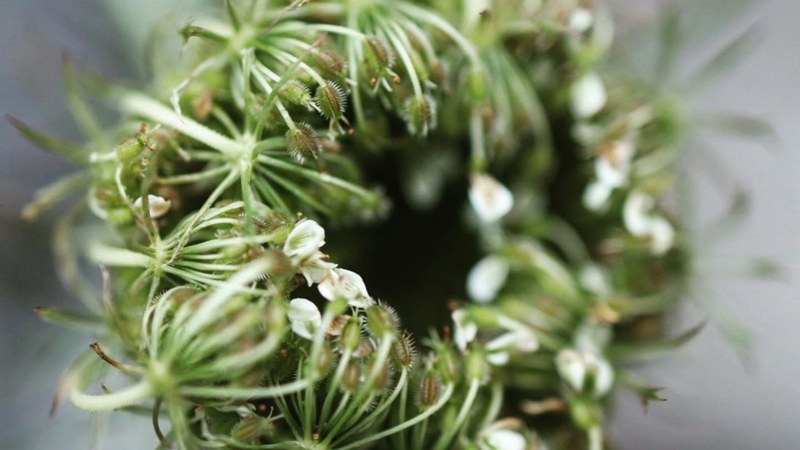
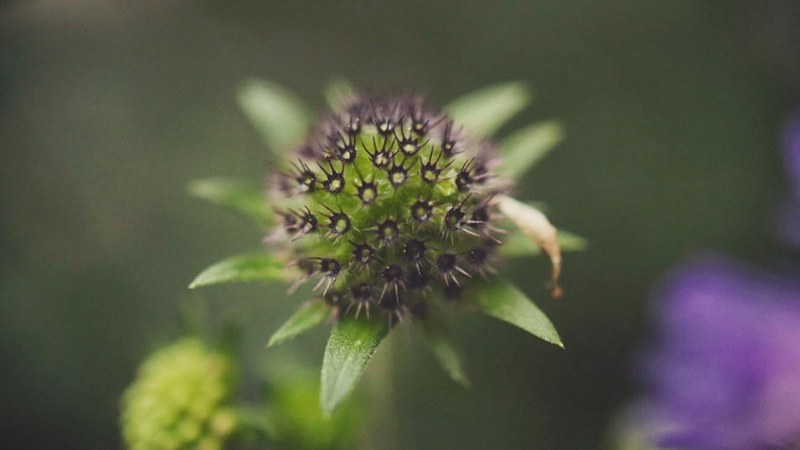
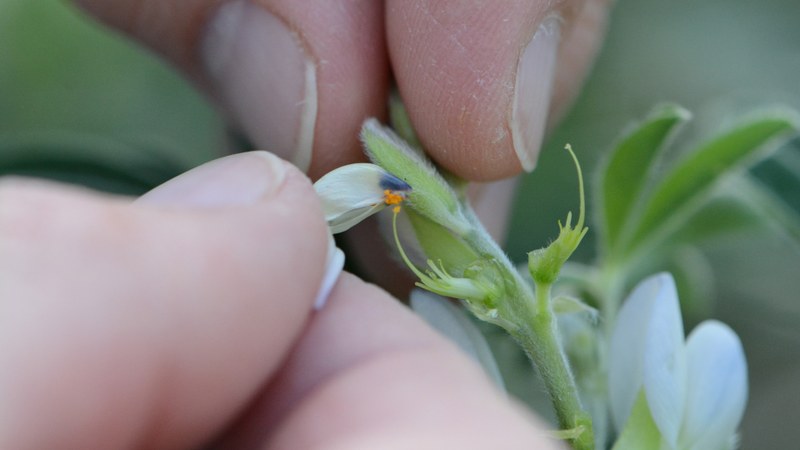
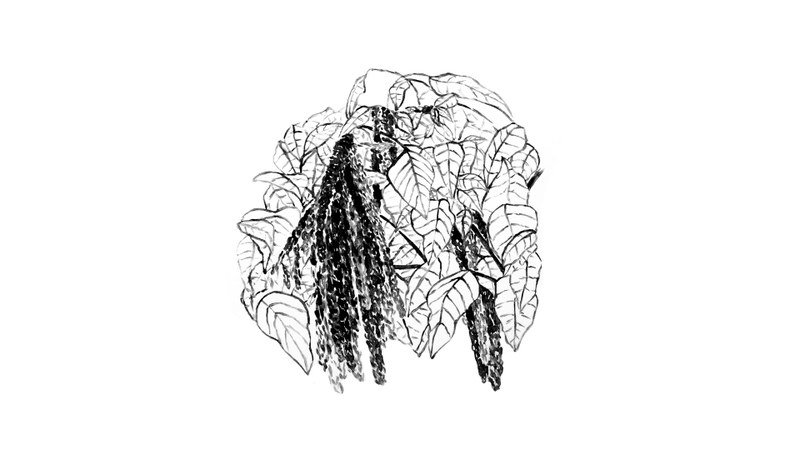
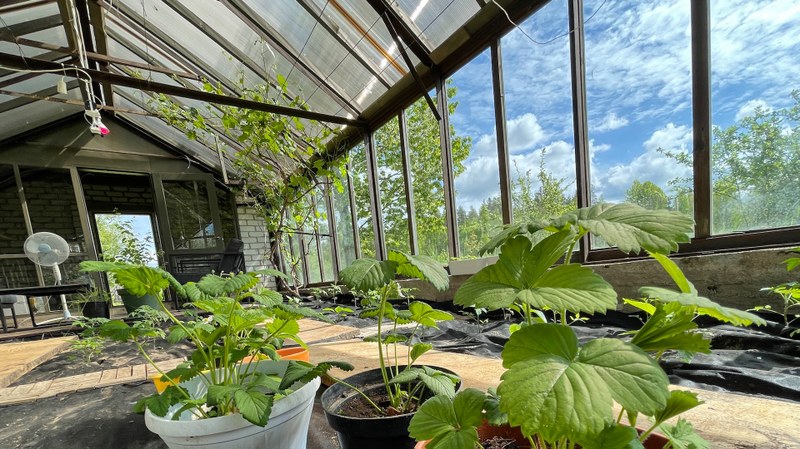
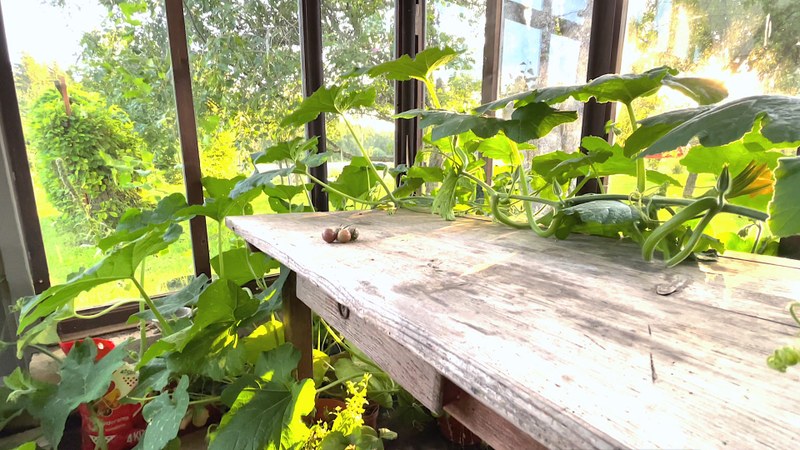
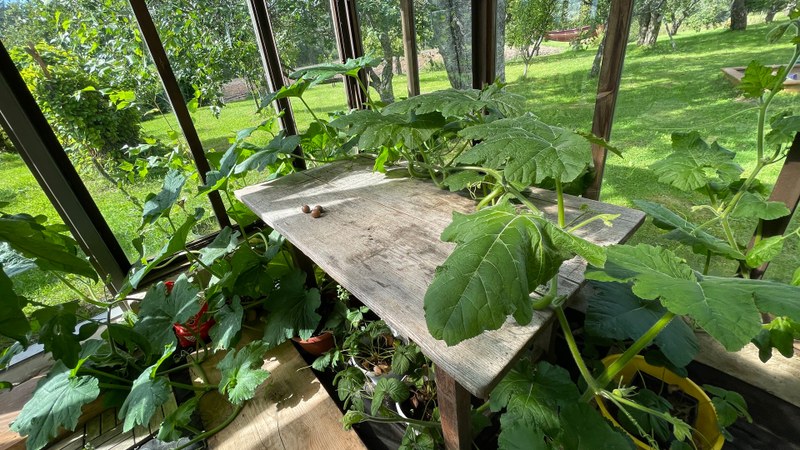
The Swiss National Science Foundation project “Plants_Intelligence. Learning like a Plant” asks from the perspective of art whether the recognition of vegetal forms of intelligence leads to other methods of knowledge generation, coexistence, breeding and ultimately to new, “intelligent” forms of plant and agricultural culture?
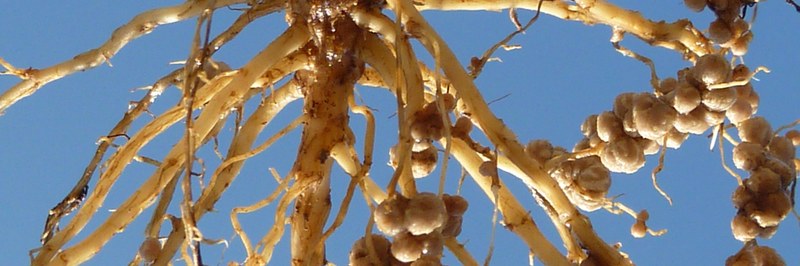
image001_header.jpg

Project details

University
Basel Academy of Art and Design / Institute of Art Gender Nature
Current research shows that plants are more complex beings than previously assumed. With reference to this, the SNSF research project "Plants_Intelligence. Learning like a Plant" negotiates the discourse of plant intelligence in the natural sciences, the humanities, and the arts. It explores the conceptualization of intelligence and its intertwining with concepts such as mind, consciousness, communication, memory, decision making, problem solving, learning, subjectivity. It asks whether this conceptualization makes sense of the behaviors of vegetal life and whether it promotes new perspectives on interspecies and terrestrial relationships. This question is based on the assumption that central reasons for the conjuncture of this terminology seem to lie in current debates about the Anthopocene: on the one hand, ways out of an exploitation-based understanding of the world are sought and the age of the Planthropocene (Natasha Myers) is proclaimed; on the other hand, with the rise of machine-based services in everyday life, non-anthropocentric forms of intelligent ontologies and epistemologies are under scrutiny. Connected to this conjecture is the question of whether the recognition of vegetal forms of "intelligence" led to other methods of knowledge generation, coexistence, even breeding, dealing with pests, and ultimately to new, "intelligent" forms of plant, agricultural, and forestry culture? How far can the concept of intelligence be stretched, what is gained or lost in the process, and what are the ethical and aesthetic implications?

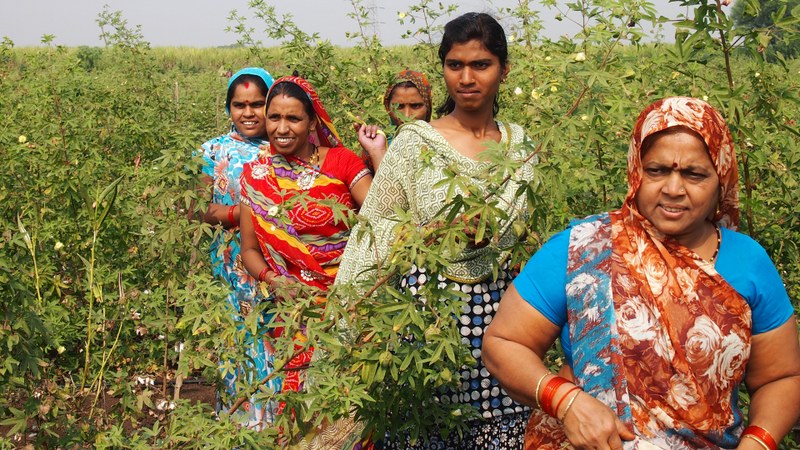
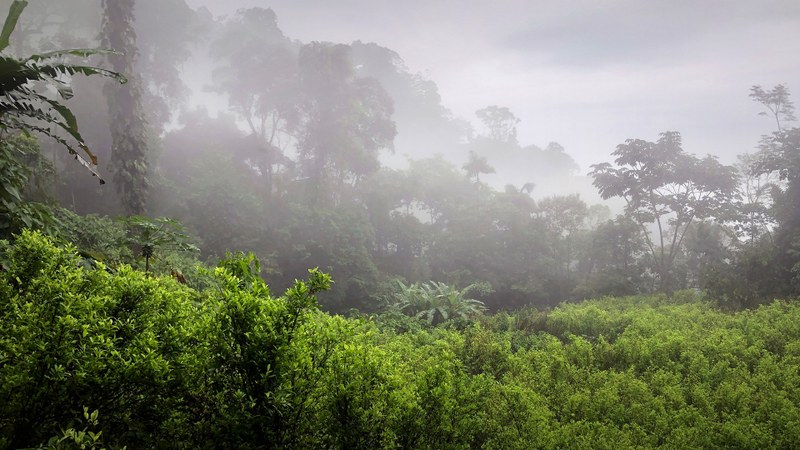
These are the questions the team, consisting of three artists and an art scientist, is exploring in close collaboration with research partners from botany, seed and plant breeding as way of organic agriculture, food sovereignty, media ecology, and indigenous nations. Using the examples of laboratory experiments with plant interaction and decision-making, of propagation patterns of lichens and mosses in urban spaces, of indigenous plant-human alliances and GMO-critical practices in South America, im/possibilities of vegetal intelligence are elaborated, compared and intertwined. While Argentina is the second country in the world to circulate genetically modified seeds on a large scale since the 1990s, including drought-resistant wheat since October 2020, Switzerland is the only one that has formulated the dignity of the creature in its genetic engineering law.

The aim is to ground possibilities of an aesthetic-participatory epistemology of intelligent plant knowledge in the theoretical-practical exploration of the different concepts of intelligence, the intertwining of natural sciences, humanities and the arts, and the establishment of a South-North and East-West tangent of vegetal mutual learning: Underestimated vegetal intelligence/processes are to be experienced as an aesthetic experience. By approaching the way of being of plants through the concept of intelligence, the project creates genuinely new knowledge about them. Moreover, this perspective opens up directional approaches to fields as diverse as agriculture and food security, urban planning, education and appreciation. The project is application-oriented and consists of intertwined practical and theoretical parts, incorporating decolonial, technoecofeminist and ethical approaches. The results come together in different formats: a series of virtual colloquia, video installations, maps, drawings, a book, a traveling exhibition, and an online platform that can be used as a sustainable archive of materials to transfer knowledge and develop innovative education.

SNSF Project
2022-2025

Team
  • Dr. Yvonne Volkart, PI/project leader, vegetal thinking
  • Dr. Felipe Castelblanco, PostDoc, artistic research
  • Julia Mensch, Doc, artistic research
  • Dr. Rasa Smite, artistic research
Research and Cooperation Partners

The research partners are proven experts in the discourse of plant intelligence. They are responsible for advising on content, methodology, and interdisciplinary discussion. With the cooperation partners the implementation of curatorial projects will be developed and realized.

National
  • Dr. Monika Messmer, Deputy Head of Department of Crop Science, Group Lead Plant Breeding, Research Institute of Organic Agriculture FiBL Frick
  • Sabine Himmelsbach, Director HeK House of Electronic Arts Basel
International
  • Ayënan Quinchoa Juajibioy, Member of the Kamënstá Territorial Council, Indigenous land-defender and digital creator. Putumayo, Colombia
  • Prof. Ursula Damm, Head of the Media Environments chair, Bauhaus-Universität Weimar
  • Prof. Dr. Birgit Schneider, Professorship for Knowledge Cultures and Media Environments, Department of European Media Studies, University of Potsdam
  • Prof. Dr. Katja Tielbörger, Head of Plant Ecology / Director Botanical Garden, University Tübingen
  • Heraldo Vallejo, Legal Representant FUNDACION TIERRA DE SELVA y la comunidad NODO DE PENSAMIENTO ANDINOAMAZONICO, MUNICIPIO DE MOCOA, Columbia
  • Marcos Ezequiel Filardi, Director Museo del Hambre, Buenos Aires
  • Kathrin Meyer, Director Museum Sinclair-Haus (Stiftung Kunst und Natur GmbH), Bad Homburg
  • Dr. Raitis Smits, Director Rixc, Riga

Workshops

Loading

Basel Academy of Art and Design FHNW University of Applied Sciences and Arts Northwestern Switzerland

  • About the School
    • HGK Basel
    • Degree Programmes
    • Continuing Education
    • Research
    • News & Stories
    • Events
    • NEXT Generation Degree Projects
  • Social Media
    • Instagram
    • LinkedIn
  • About FHNW
    • Organisation
    • Schools
    • Locations
    • FHNW Library
    • Media Relations
  • Support
    • IT Support
    • Inside FHNW
    • Webmail
Logo FHNW - 20 Years
Logo Swiss Universities
Logo European University Association
© University of Applied Sciences and Arts Northwestern Switzerland (FHNW)
  • Data Protection
  • Imprint
  • Accessibility
  • DE
  • EN