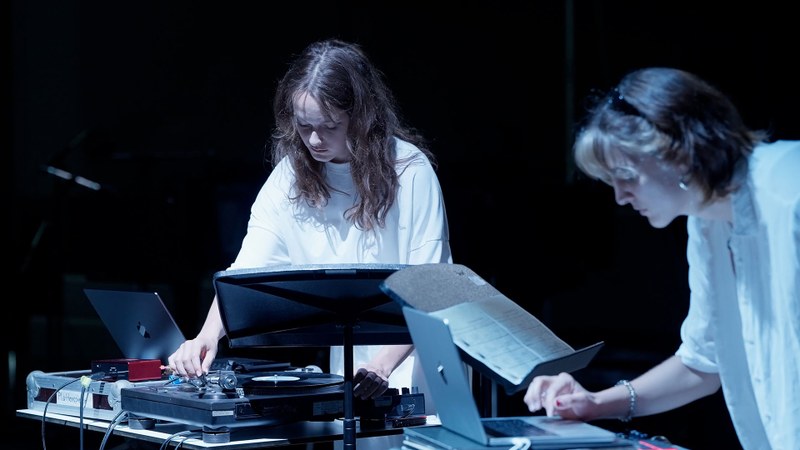
Study Creative Music Technology and Electronics in the cultural city of Basel in the border triangle of Switzerland, Germany and France! The Elektronisches Studio Basel and sonic space basel offer an inspiring, collaborative environment with a wide range of networking opportunities and space for artistic development.

Factsheet
- Degree
- Bachelor of Arts FHNW in Musik, Studienrichtung Audiodesign
- Study mode
- Full-time
- Learning mode
- Onsite
- ECTS credits
- 180
- Next start
- 13.7.2027
- Duration
- 6 semester
- Teaching language
- B1 level in German required
- Stay abroad
- Possible
- Application fee
- 200 CHF
- Semester fee
- 750 CHF (CH) | 1000 CHF (EU/EFTA) | 1250 CHF (Not-EU/Not-EFTA)
At a glance
- Study Creative Music Technology across the entire spectrum of composition-performance sound installation, recording studio technology, audiovisuals
- Practical work with the high-quality equipment of Elektronisches Studio Basel
- Closely coordinated subjects and many elective/specialisation options
Why study this?
There is a wide range of career options open to qualified audio designers. Depending on their chosen field of specialisation, audio design graduates go on to work in the independent art and culture scene, create sound installations, compose incidental music for the stage and/or screen, or work as professional electronic or instrumental musician. Others opt to set up their own recording and productions studio, work as freelance sound engineers in theatres or for bands and festivals, or pursue a career as a sound designer in the audio software industry, radio or TV.
Likewise, an audio design graduate may choose to continue along the research or teaching route.
The FHNW Bachelor of Arts in Music is a degree programme aimed at students who have a particular interest in electronic music and wish to pursue a career in creative/sound design.
What is Audio Design like? What is the sound of new compositions? What is possible?
The videos show performances of graduates and provide insight into the Audio Design Departement.
Cyrill Jauslin, Anton Bea: SOIL (2024)
performance at Gare du Nord of Cyrill Jauslin and Anton Bea
Structure and programme contents
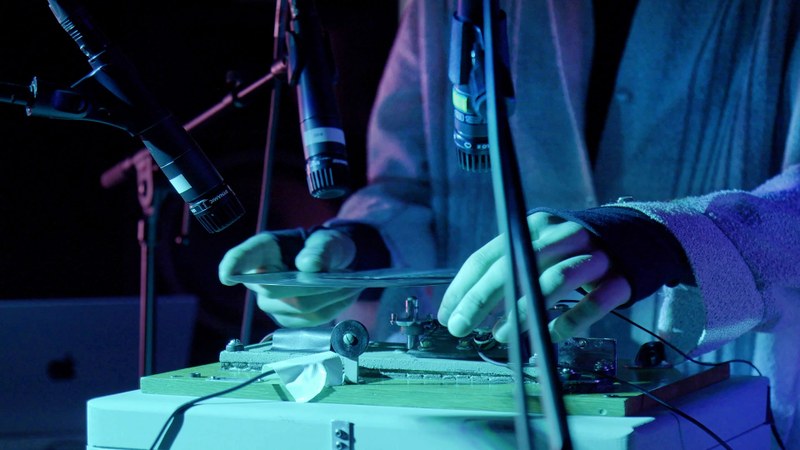
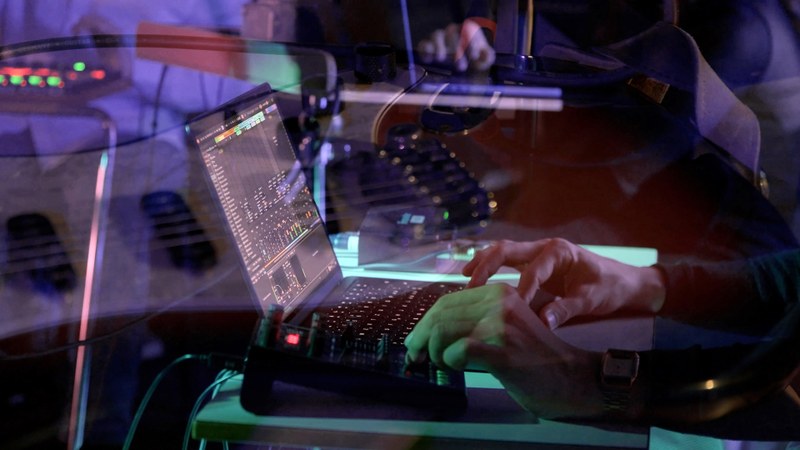
The audio designer has profound technical knowledge and a high level of musical competence. Audio designers realise and interpret compositions (their own as well as the works of others) on electronic instruments, compose soundtracks for films, stage music, develop their own instrumental setups and playing interfaces and design interactive sound installations.
Hands-on training
This study programme is geared as closely as possible to practice and dovetails with the production and research activities of the Electronic Studio. From a very early stage, students are involved in the activities of the Electronic Studio and are also required to initiate and carry out their own projects.
Modules and regulations
The BA and MA degree programmes at the Basel Academy of Music are based on modules.
The legally binding structure provides an initial guide to the content and weighting of the subjects on the degree programme.
The detailed content and modalities of the individual subjects can be found in the module descriptions.
The study regulations come into force together with the study and examination regulations of the Basel Academy of Music FHNW and form the legal framework.
Structure
Module descriptions
Study Regulations
Lecturers
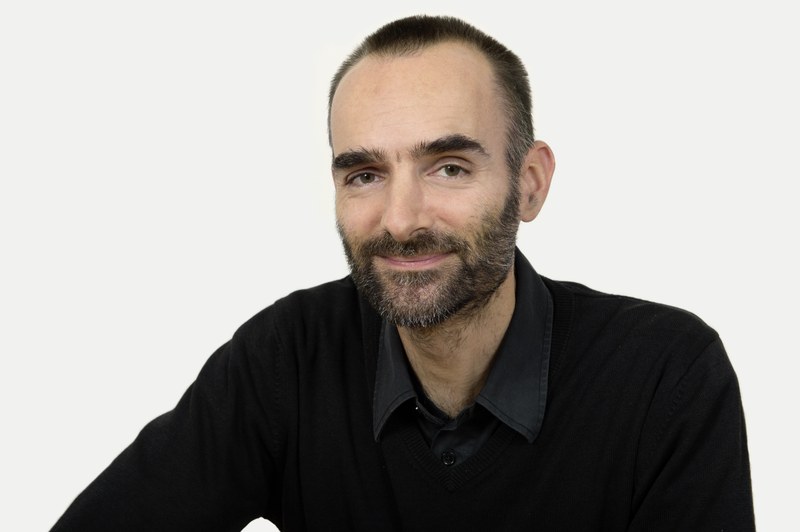
Svetlana Maraš
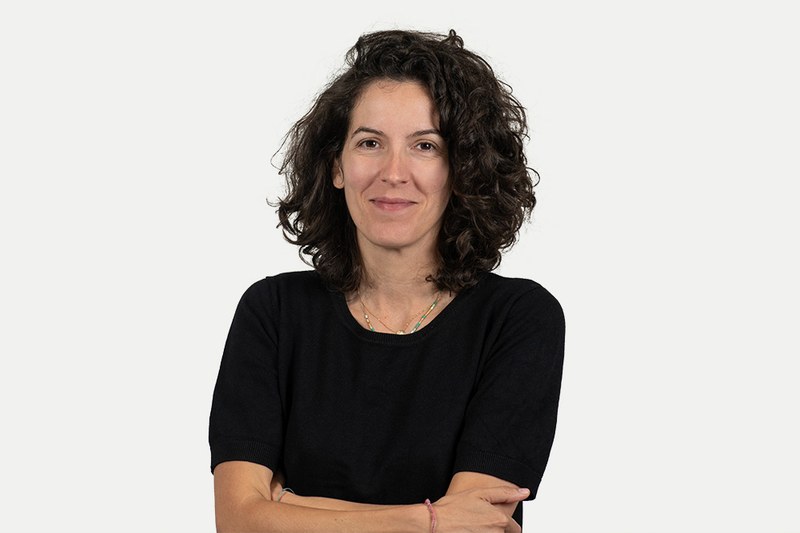
Volker Böhm
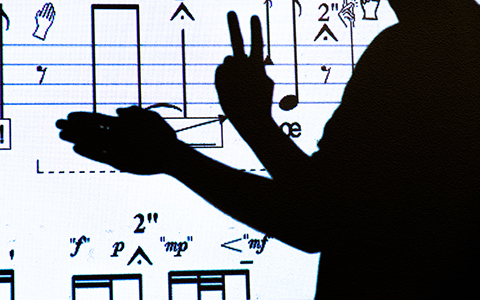
Audio Design/Electronic Music
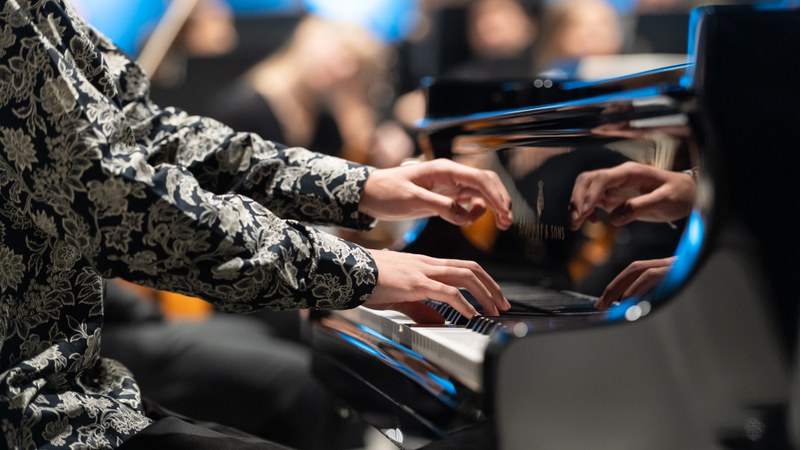
Institut Klassik
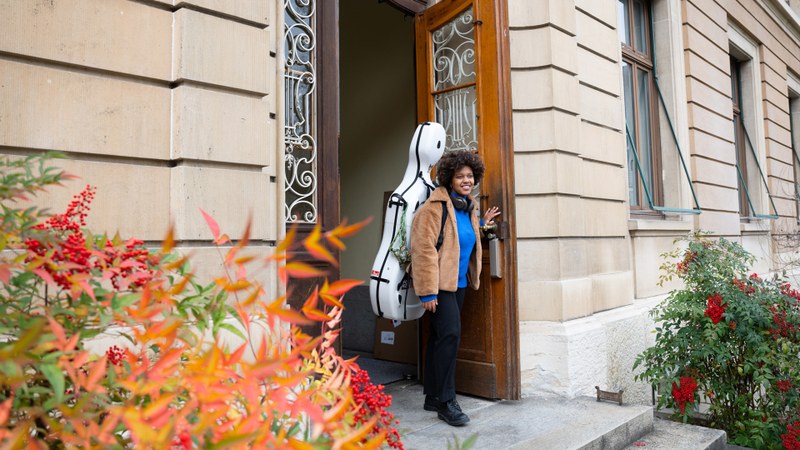
Requirements, admission, entrance exam
We expect students to have very good German language skills at the beginning of the studies.
Students who are not German native speakers must present a B1 German language certificate or a higher level certificate according to the Common European Framework of Reference for Languages (CEFR) at the beginning of the studies. This certificate must be complete, i.e. all modules (reading, listening, writing, speaking) have been tested separately and passed at a minimum level of B1 overall. Only certificates with the ALTE-Q-Mark seal of approval (e.g. the B1 certificate of the Goethe-Institut or the telc certificate) are accepted.
Entrance exam
The entrance exam is individual for each study programme direction.
Dates
Procedure
Organisational matters
Hands-on Electronic Studio Basel (ESB)
This study programme is geared as closely as possible to practice and dovetails with the production and research activities of the Electronic Studio. From a very early stage, students are involved in the activities of the Electronic Studio and are also required to initiate and carry out their own projects.
Led by Svetlana Maraš, ESB Noise Ensemble is a space for collaboration, live performance andpresentation of various creative outputs by the ESB students. Experimenting with technology,students create different formats such as audio-visual installations, live improvisations,performances with hybrid instruments and interactive sound sculptures.
ESB Noise Ensemble
About the Electronic Studio
sonic space basel
Projects / Ensembles
Quicklinks
Files and Regulations
Music library "Vera Oeri Bibliothek"
Advising and information events
Contact
Student Administration Academy of Music, Klassik
- Phone
- +41 61 264 57 32 (Direct)
- klassik.hsm@fhnw.ch
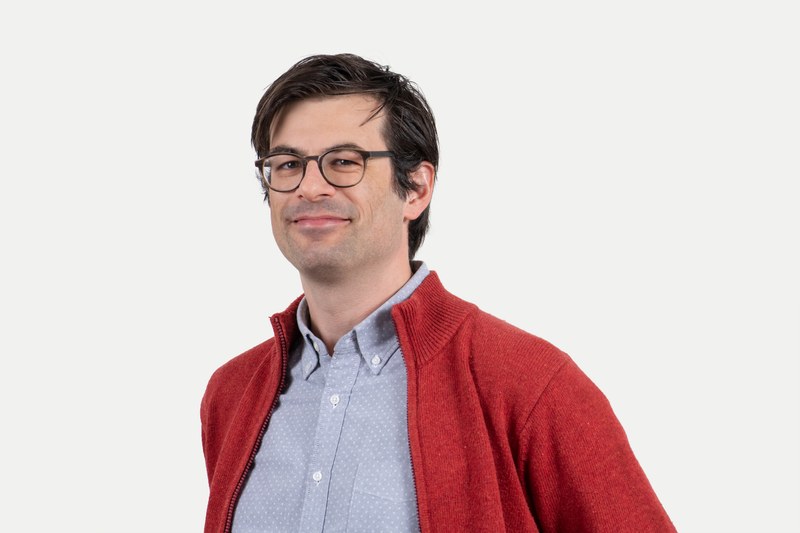
Prof. Roman Digion
- Phone
- +41 61 264 57 57 (Central office)
- roman.digion@fhnw.ch
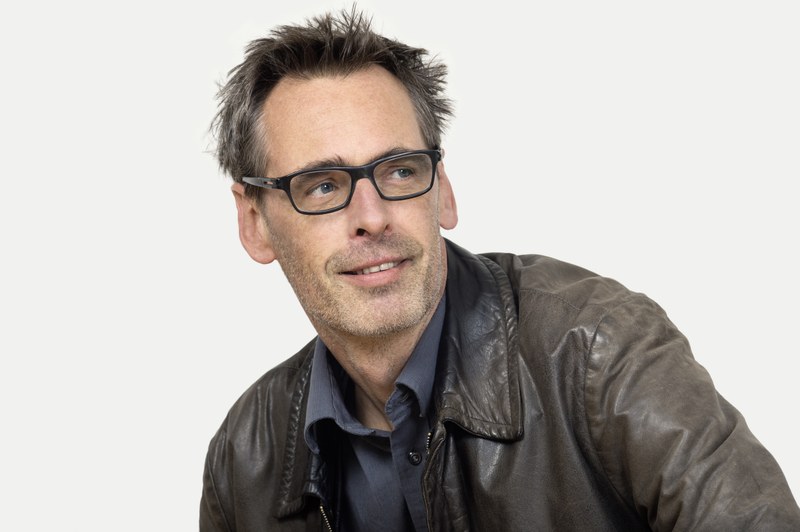
Prof. Uli Fussenegger
- Phone
- +41 61 264 56 19 (Direct)
- uli.fussenegger@fhnw.ch
Information events
Loading...