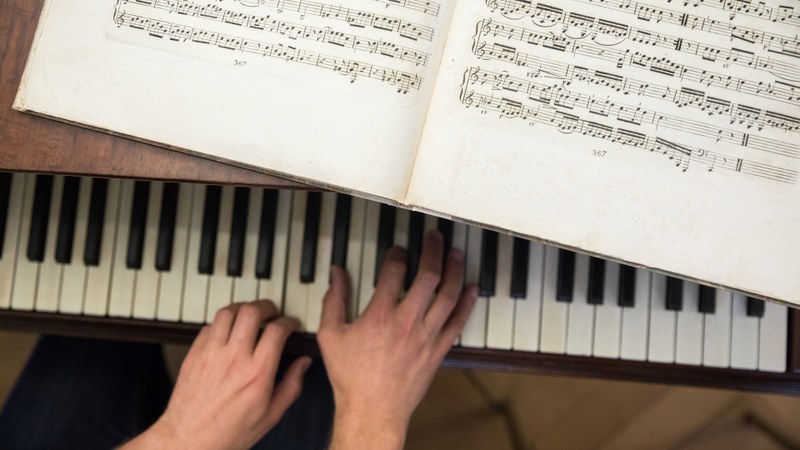
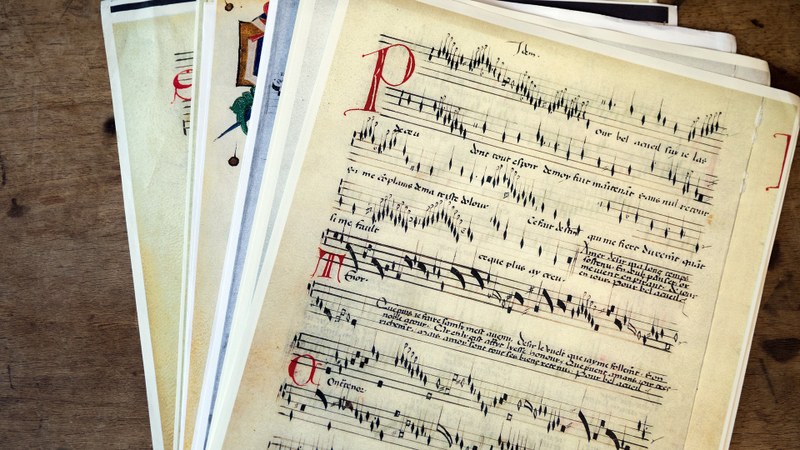
At the Schola Cantorum Basiliensis, a theory of early music has been developed since the 1970s that takes into account the different framework conditions of musical works of art of the past and leaves room for the contribution of musical practice to the creation of a musical work. In this master’s degree, students choose different areas of specialisation ranging from the earliest examples of European polyphonic music to the period around 1850. The Schola Cantorum Basiliensis is a recognised centre for early music. With high-calibre lecturers and an inspiring and diverse community of students, it offers ideal conditions for studying music at the highest level.
Factsheet
- Degree
- Master of Arts FHNW in Komposition und Musiktheorie, Studienrichtung Theorie der Alten Musik
- Study mode
- Full-time
- Learning mode
- Onsite
- ECTS credits
- 120
- Next start
- 13.9.2027
- Duration
- 4 semesters
- Teaching language
- German: level B2 is required
- Stay abroad
- Possible
- Application fee
- 200 CHF
- Semester fee
- 750 CHF (CH) | 1000 CHF (EU/EFTA) | 1250 CHF (Not-EU/Not-EFTA)
At a glance
- Examining the interaction between written and unwritten musical practice
- Engaging in historical ways of thinking from traditional music theory to the basis of a historically founded theory of later music
- Historical typography, notation, thoroughbass, improvisation and contrapunto alla mente
- Supplementary courses from the Department of Musicology at the University of Basel
Why study this?
Graduates of this programme are qualified for a variety of types of work as teachers of music and teachers of Music Theory at primary and secondary level, at music schools and in higher education. They are equipped with special analytical ‘tools’ that are useful not only for theory development, but also for their own musical practice: from performance practice to dramaturgy, concert presentation and management, and also for careers in journalism and the media.
Structure and programme contents
Studying under the pioneers of historically informed music theory
In the 1970s the Schola Cantorum Basiliensis began developing a programme in the theory of Early Music which takes account of not only the particular conditions under which musical “works of art” were created but also the bearing that musical practice had on this process. This approach, based on historically informed and open engagement with Early Music scores and traditional composition techniques, has also made a major contribution to the advancement of music theory beyond the Schola Cantorum Basiliensis. In recent years, Early Music Theory has been the driving force behind a fundamental shift in analytical and practical approaches to music in general.
Experimental engagement with historical ways of thinking and the experience with the compositional process bring the subject of historical performance practice to life in a vibrant and informed way. The study programme also focuses on the interaction between written and oral musical practice.
This Master’s programme covers a wide variety of focal points – from the earliest written evidence of polyphonic music in Europe right through to the 1850s. The curriculum also touches on areas of traditional music theory and provides the foundations for an historically informed theory of later music. Key subjects include historical composition techniques, notation, thoroughbass, improvisation and Contrapunto alla mente (improvised counterpoint). These are supplemented with other courses offered by the Musicology Institute of Basel University. The programme also places particular emphasis on students’ teaching abilities, and the capacity to write and speak on the subject in a clear and competent way.
Modules and regulations
The BA and MA degree programmes at the Basel Academy of Music are based on modules.
The legally binding structure provides an initial guide to the content and weighting of the subjects on the degree programme.
The detailed content and modalities of the individual subjects can be found in the module descriptions.
The study regulations come into force together with the study and examination regulations of the Basel Academy of Music FHNW and form the legal framework.
Structure
Module descriptions
Study Regulations
Lecturers
Schola Cantorum Basiliensis
Requirements, admission, entrance exam
We expect students to have good German language skills at the beginning of the studies. Students who are not German native speakers must present at least a B1 German language certificate (according to the Common European Framework of Reference for Languages (CEFR)) at the beginning of the studies.
Admission Criteria
Entrance exam
The entrance exam is individual for each study programme direction.
Dates
Procedure
Organisational matters
Quicklinks
Files and Regulations
Music library "Vera Oeri-Bibliothek"
Advising and information events
Contact
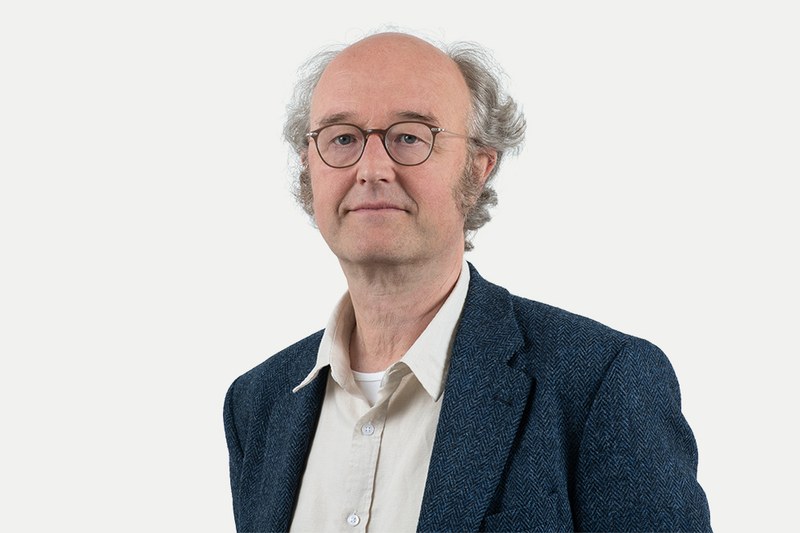
Prof. Dr. Martin Kirnbauer
- Phone
- +41 61 264 57 41 (Direct)
+41 61 264 57 57 (Central office) - martin.kirnbauer@fhnw.ch
Information events
Loading...
Registration
MA Composition / Music Theory | Early Music Theory
- Date
- 13.9.2027
- Duration
- 4 Semester
- Place
- Provisorium Letzi & Campus Musik-Akademie Basel