How can art become a force for peace? This programme explores the potential of artistic practice in conflict transformation, community building, and social healing. Through theory, dialogue, and creative action, you develop tools to engage with complex global challenges in ethical and imaginative ways.

Factsheet
- Degree
- CAS Certificate of Advanced Studies
- Learning mode
- Onsite
- ECTS credits
- 10
- Duration
- 8 months
- Teaching language
- English
- Place
- Basel
- Fee
- CHF 6900 + optional trip
At a glance
- A unique collaboration between art and peacebuilding: Developed jointly with Swisspeace and Atelier Mondial, the program connects artistic practice with international peace and conflict research.
- Practice-oriented learning and international networking: Workshops, excursions, mentoring, and a joint trip facilitate exchange with stakeholders from the arts, civil society, and international cooperation.
- Individual project in the field of Art & Peace: Participants develop an individual artistic or participatory project and expand their profile in the areas of artivism, peacebuilding, and cultural work.
Target audience
The CAS Art & Peace is aimed at artists, art educators, art and culture mediators, and experts who are involved in peacebuilding, work in international cooperation, or are interested in the role of art in education and society.
Structure and programme contents
In times of uncertainty and violence, artistic activities can – as studies worldwide have shown – offer essential qualities for survival, such as refuge and continuity. Art can help people process trauma and build resilience. The potential of art in peacebuilding and promotion has recently garnered increased attention. Beyond the formalities of conventional diplomacy, art creates a space where dialogue can unfold, social tensions can be addressed, and diverse perspectives can be accounted for. Art creates opportunities to express complex emotions and experiences, sustainably transform conflicts, and contribute to peace.
Programme
Curriculum
Lecturers
Dr. Alexandra Stäheli
Alexandra Stäheli is a cultural manager, cultural scientist, curator and journalist. She studied philosophy, German literature, history and art history in Basel and Berlin and completed a doctorate at the University of Zurich with a dissertation on postmodern thought.
From 1999 to 2009, she taught as a lecturer in the field of visual and media art at the HGK Basel and in the field of design at the ZHdK in the subjects of visual semiotics, art, design and cultural theory, film history and philosophy. From 2003 to 2009, she worked as an editor in the feature section of the Neue Zürcher Zeitung (NZZ).
Since 2009, she has been head of the international artists' exchange program Atelier Mondial, which is affiliated with the Christoph Merian Foundation. She has completed various further training courses on topics such as female leadership, international cooperation, art and trauma therapy. In her free time, she is involved in reading animation and narrative therapy with the association Sharing Stories, which she founded.
Isabel Prinzing
Isabel Prinzing works as Head of Communication at swisspeace, a practice and research institute dedicated to reducing violence and promoting peace in contexts affected by conflicts. She leads the development and execution of comprehensive communication strategies, overseeing events, websites, newsletters, and publications. She manages communication with different internal and external stakeholders, such as the Foundation Board, ensuring effective dialogue and fostering strong relationships. Isabel is also responsible for media relations, corporate identity, and internal communication.
In her role as Lead Project Coordinator for theBasel Peace Forum, Isabel orchestrates all ongoing activities. Through this platform, she has successfully brought together artists, politicians, and civil society leaders to spark innovative ideas and collaborative approaches to peacebuilding. Isabel Prinzing is currently pursuing a PhD at the Institute of Digital Technologies for Communication at Università della Svizzera italiana. Her research focuses on analyzing diverse visualizations and imaginaries of peace, with a keen interest in how visual representations of conflict, violence, and peace influence societal perceptions and narratives.
Before joining swisspeace in 2017, Isabel Prinzing gained valuable experience with the Stiftung Schweizer Sporthilfe, the Swiss Olympic Association, and Coop. She holds a Master of Arts in Media & Communication Science and Business Administration from the University of Zurich.
Ingo Niermann
Ingo Niermann is a writer, artist, and the editor of the speculative book series Solution (Sternberg Press). Recently published projects include the book The Monadic Age: Notes on the Coming Social Order (2024), and the podcast series Ocean Wants (2021). Based on his novel Solution 257: Complete Love (2016), Niermann initiated the Army of Love (thearmyoflove.net), a collective that tests and promotes a need-oriented redistribution of sensual love. His work has been featured at Yokohama Triennale, Berlin Biennale, Istanbul Biennale, DOCUMENTA(13), La Biennale di Venezia, MACBA, MoMA, mumok, Castello di Rivoli, ZKM, Steirischer Herbst, and Guggenheim New York. Niermann studied Philosophy and Sociology at Freie Universität Berlin and is a lecturer at Institute Art Gender Nature, HGK Basel FNHW, where he also edits the digital publishing project Wild Papers (wildpapers.ch).
www.ingoniermann.com
Further lecturers from the Art Gender Nature Institute, Swisspeace, Atelier Mondial and other institutions:
Requirements and admission
The CAS Art & Peace is designed for artists seeking to engage in international cooperation and peacebuilding, as well as for other professionals interested in exploring the role of art in fostering peace.
Please submit the following documents as PDF (total max. 10 pages):
- Curriculum Vitae
- Letter of motivation
- Work samples/ portfolio (art, design, written, sound, installations, link to website, etc.)
- Copy of degree certificate
Organisational matters
Number of Participants
Informations and Regulations
Advising and information events
Contact
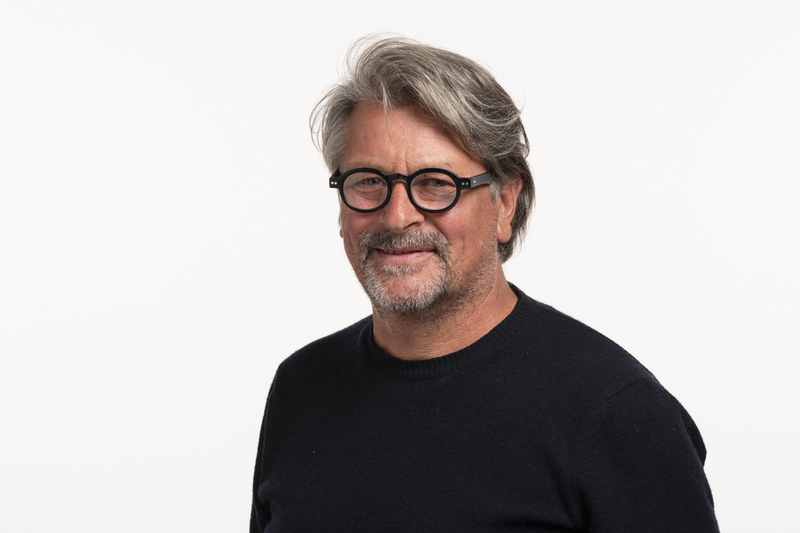
If you are interested in participating in the CAS Art & Peace in 2027 or would like more information, you are welcome to contact us.
Information events
Loading...
Info-Anlässe
Loading...