How can ‘artificial intelligences’ (AI) such as ChatGPT, Midjourney and Flux be used meaningfully and sustainably in creative design and art projects? The workshop offers an introduction to the technical basics of these tools and gives participants the opportunity to integrate them competently into their own practice.
Factsheet
- Learning environment
- Onsite
- ECTS points
- 2
- Next start
- 23.6.2026
- Duration
- 1 week
- Teaching languages
- English
- Venues
- Basel, Campus Dreispitz
- Fee
- CHF 900
At a glance
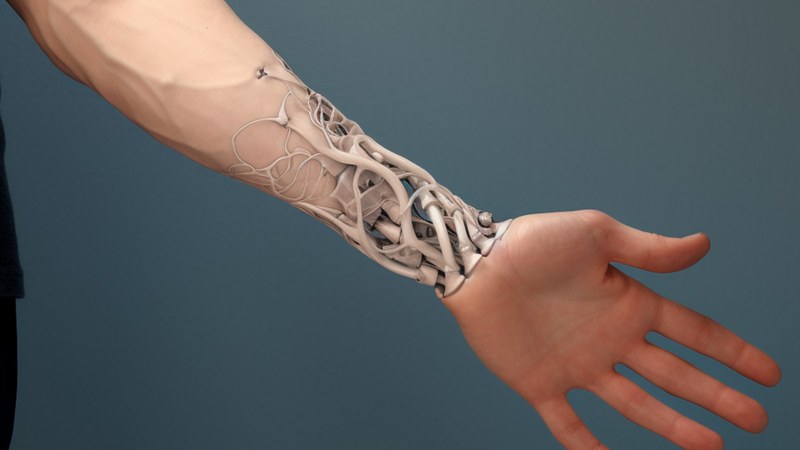
- Introduction to Generative AI for Art and Design: This workshop provides a foundation in the functionality, possibilities, and limitations of generative AI technologies.
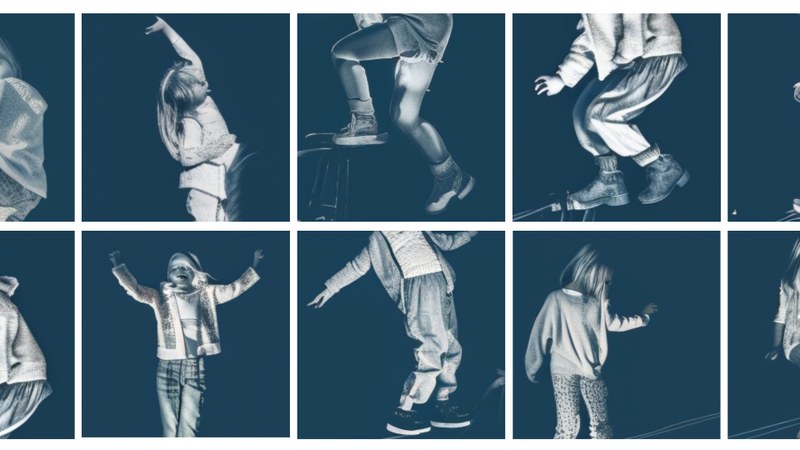
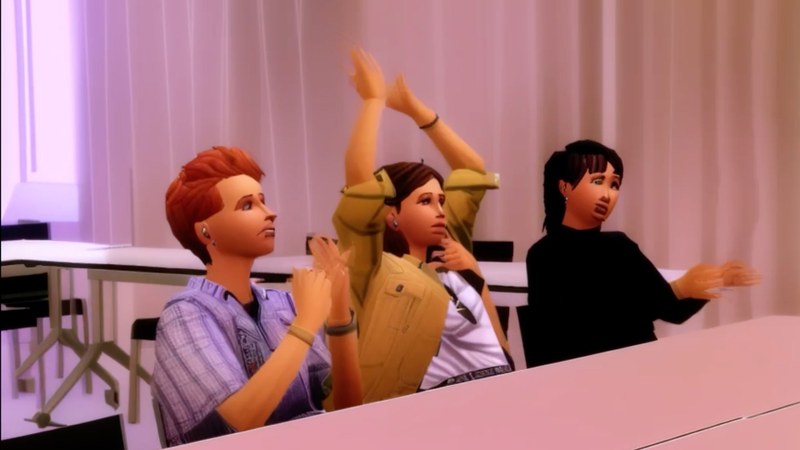
- Practical work with current AI tools: Participants experiment with applications such as ChatGPT, Midjourney, Flux, and video generators like Runway in a creative context.
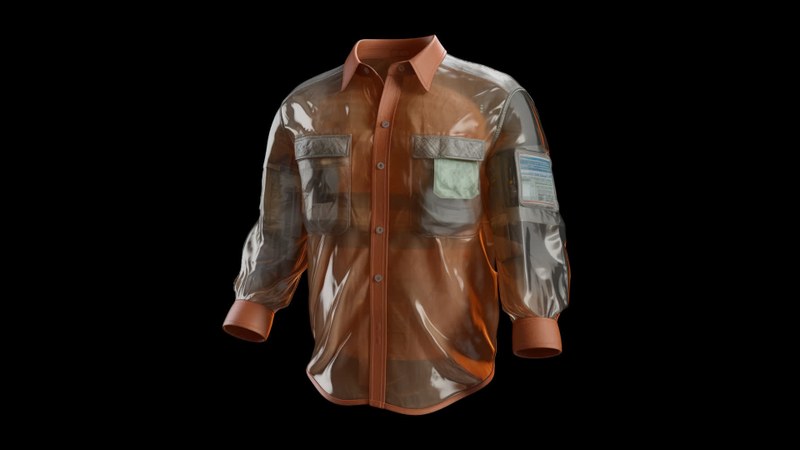
- Creative integration of AI into personal projects: Through visual experiments and supervised project work, participants explore how AI can be integrated into their own practice and research.
- Critical reflection on the technology: The course addresses issues of copyright, bias in datasets, and the societal impact of AI in art and design.
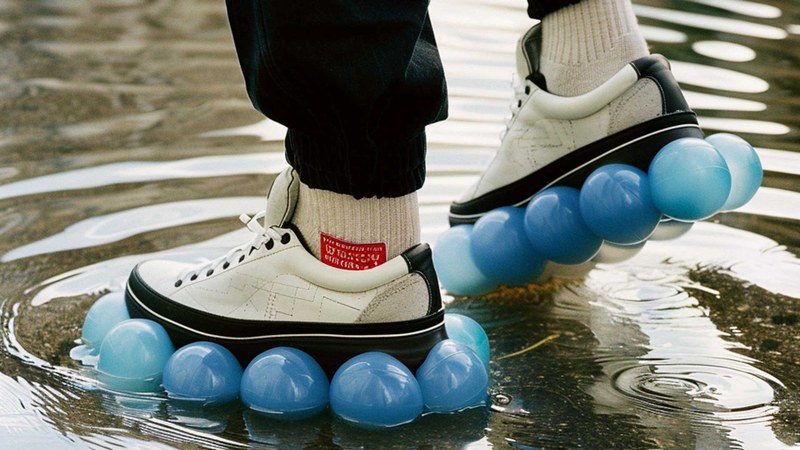
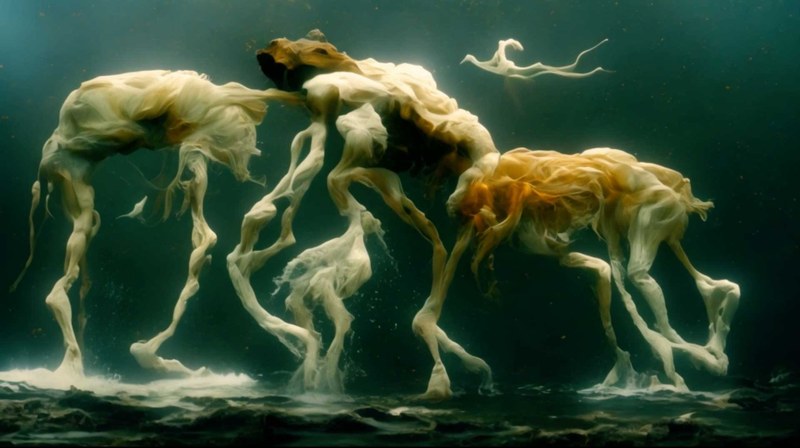
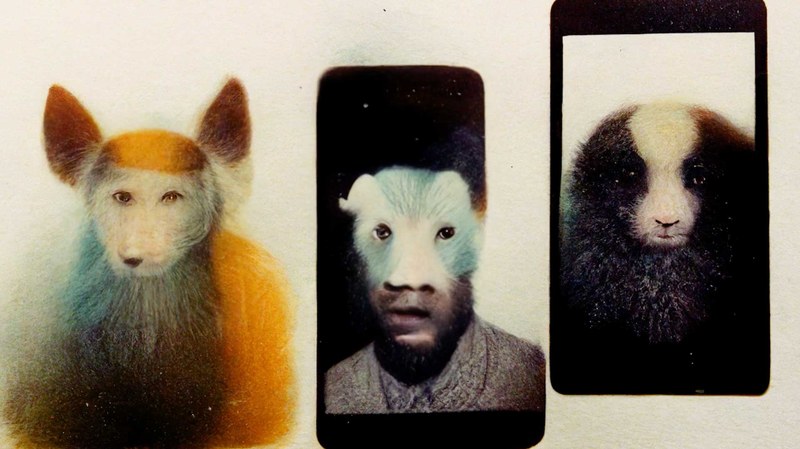
Aims and benefits
The rapid increase in fidelity and flexibility of generative AI tools suggests that this technology will play a major role in the world of art and design. The primary goal of the workshop is to give participants an insight into generative AI methods so that they can both understand the theoretical foundations and test these approaches in their own projects. In doing so, they should be able to better assess the potentials, limits and risks of these technologies. This will enable participants to make informed decisions about how AI might be applied to their creative processes and how they would like to integrate the technology into their own practice.
Target audience
The workshop is aimed at researchers and practitioners of all design and artistic disciplines as well as related academic disciplines. Please note that additional costs may apply for the use of certain cloud services.
Structure and programme contents
Participants will gain a basic understanding of generative AI systems and will be empowered to conduct practical experiments with these systems. The course provides an in-depth introduction to the application and combination of ChatGPT, Midjourney and and Flux as well as video generators such as Runway in the context of art and design. The acquired knowledge will be applied in visual experiments to enable participants to discuss the implications of artificial intelligence based on a sound understanding. In critical reflection, we address copyright issues as well as the structural bias of the underlying data sets. In supervised project work, participants will test how these innovative methods can be effectively integrated and used in their own practice and research.
Programme
Further Education Options
Modules/workshops worth 2 or 1 ECTS credits areoffered, which can be combined with each other and, in addition, with an individually supervised final thesis (5 ECTS credits) to lead to a Certificate of Advanced Studies (CAS).
General Information Workshops Institute Digital Communication Environments (IDCE)
The Institute Digital Communication Environments (IDCE) offers workshops for students, educators and graphic designers.
The workshops afford insights into topical themes of visual communication for analogue and digital communication channels in a study programme reflecting the rich tradition of the Basel School of Design. Practical exercises with a high level of professionalism form the core of the workshops focus. Reflection as well as contextual knowledge will be conveyed by way of input sessions, allowing participants’ work to be judged within a contemporary, future-oriented context relevant to professional practice.
The trinational Rhine River Valley is a unique cultural environment with easy access to France and Germany and to sites such as the Vitra Design Museum (G), the Isenheimer Alter (F), or Ronchamps (F). In Basel, the Fondation Beyeler, Tinguely Museum, Museum of Fine Arts, Schaulager, and Museum of Contemporary Art are world-renowned. Besides its museums, Basel offers a rich mixture of cultural events.
Lecturers
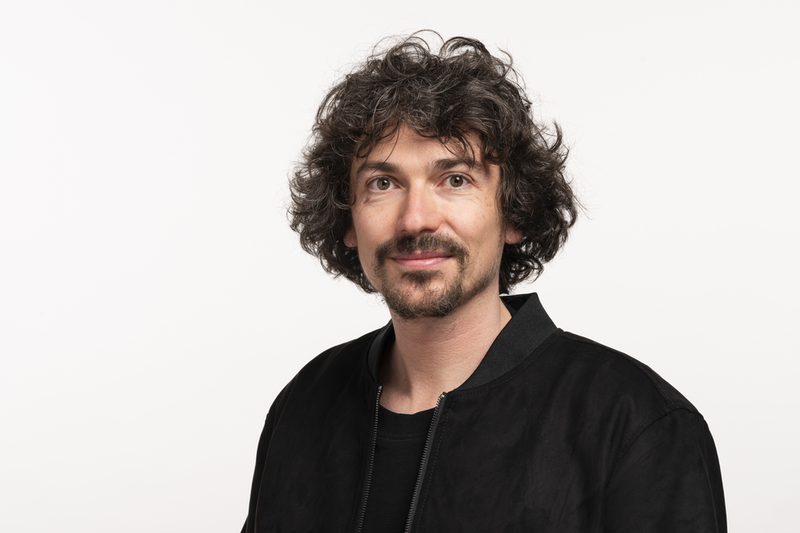
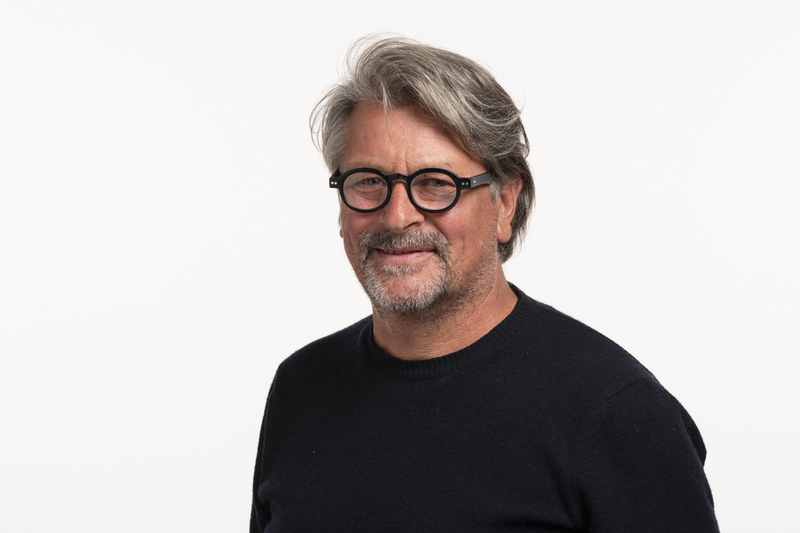
Dr. des. Ludwig Zeller, geboren 1981, ist Dozent und Forscher am Institut Digitale Kommunikations-Umgebungen (IDCE). Als Alumnus des Royal College of Art London und der Kunsthochschule für Medien Köln, forscht er der Schnittstelle von Technologie und Gesellschaft und bewegt sich fliessend zwischen gestalterisch-künstlerischen und wissenschaftlichen Disziplinen. Ludwig Zeller promovierte in Kunst- und Medienwissenschaften zur spekulativen Ästhetik und Fiktionalität der kritischen und (meta-)spekulativen Gestaltung. Zellers Arbeit, die vielfach auf internationalen Plattformen gezeigt wurde, konzentriert sich auf emergente Medientechnologien insbesondere im Bereich der algorithmischen Künste. Aktuelle Projekte umfassen «Sonic Imagination» (SNF Spark und Agora) und das Mixed-Reality-Klanglabor «OpenSoundLab». Zudem engagiert sich Ludwig Zeller seit 2019 in Workshops zu generativer KI und erforscht die Anwendungen dieser Technologien in den Künsten. Weitere Infos:www.ludwigzeller.net.
Requirements and admission
The workshop is aimed at researchers and practitioners of all design and artistic disciplines as well as related academic disciplines. Please note that additional costs may apply for the use of certain cloud services.
Organisational matters
Fees
Multiple Bookings:
Multiple Bookings:
2 ECTS CHF 900
4 ECTS CHF 1700
6 ECTS CHF 2400
8 ECTS CHF 3000
10 ECTS CHF 3500
20% discount with a valid student ID (MA/PhD). This must be sent in with the registration (pdf).
Information and regulations
Advising and information events
Contact
Registration
Generative AI in the Context of Art and Design23 June 2026
- Date
- 23.6.2026–27.6.2026
- Duration
- 5 days
- School days
- Thursday, Saturday, Wednesday, Tuesday and Friday
- Place
- Hochschule für Gestaltung und Kunst Basel FHNW
Freilager-Platz 1
4142 Münchenstein b. Basel