Visual communication plays a central role in shaping the images we encounter in daily life. Since the design of images is always an interpretation of the world by the designer, visual messages inevitably influence the perception of the beholder. In today’s world of digital communication channels, understanding how images are perceived, both in their visual appearance and the media through which they are disseminated, is essential for creating and sharing them consciously and responsibly.

Factsheet
- Learning mode
- Onsite
- ECTS credits
- 2
- Duration
- 1 week
- Teaching language
- English
- Place
- Campus HGK Basel
- Fee
- CHF 900
At a glance
- Practice-Led Iconic Research: Engage in a hands-on exploration of visual communication, formulating research questions and methodologies through the creation of images.
- Expert Instruction by Prof. Michael Renner: Learn from Prof. Michael Renner, a seasoned designer and educator with extensive experience in digital tools and visual communication.
- Portfolio Development: Develop a comprehensive portfolio of images that demonstrate your design strategies and visual solutions to research inquiries.
- Contemporary Relevance: Address the challenges of today's global communication channels by understanding and influencing how images are perceived and disseminated.



Aims and benefits
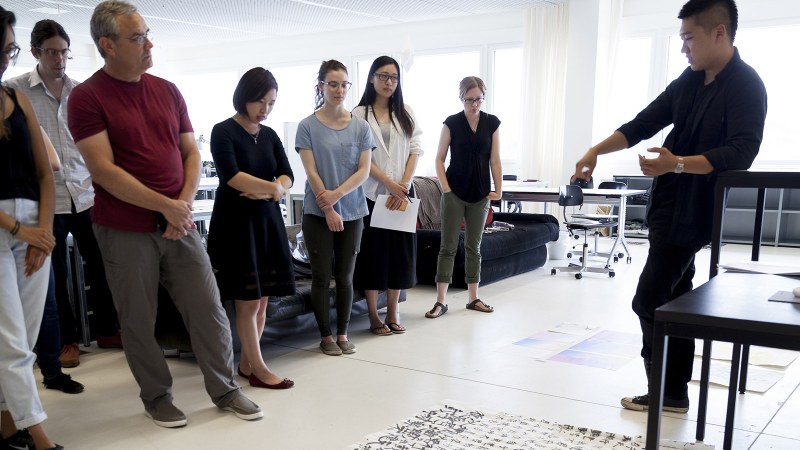
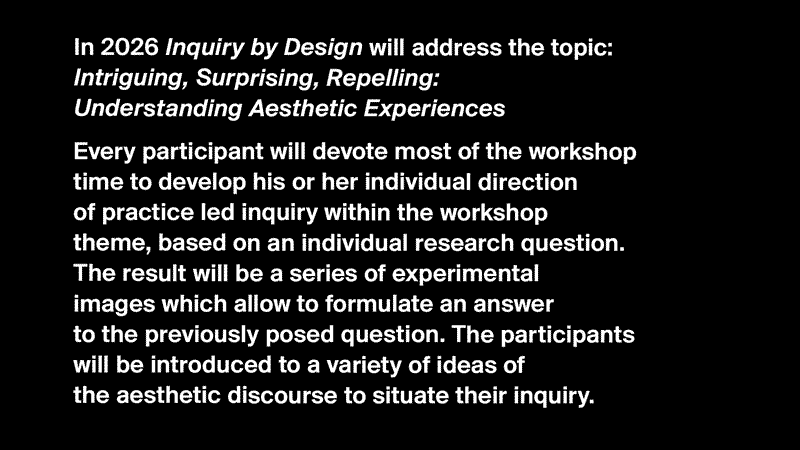
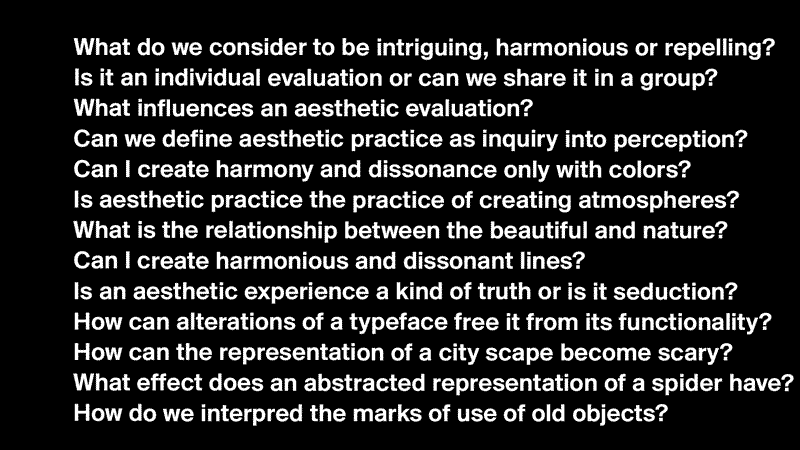
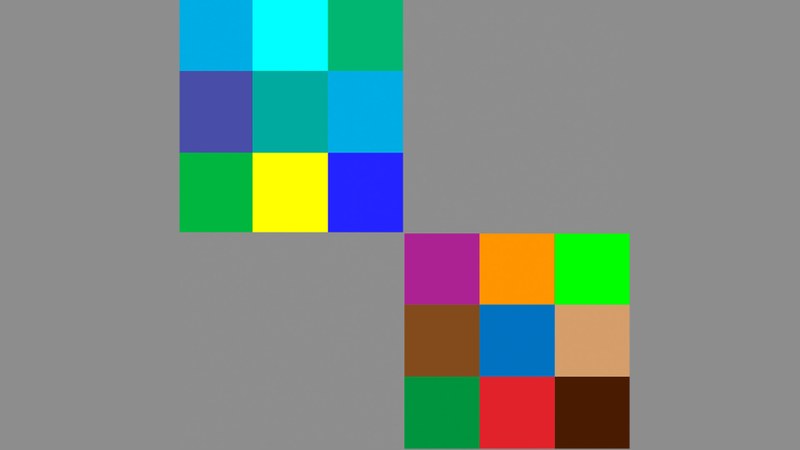
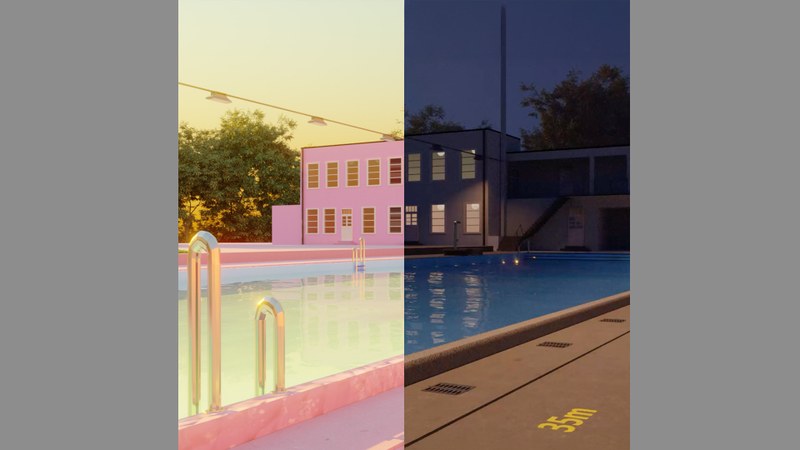
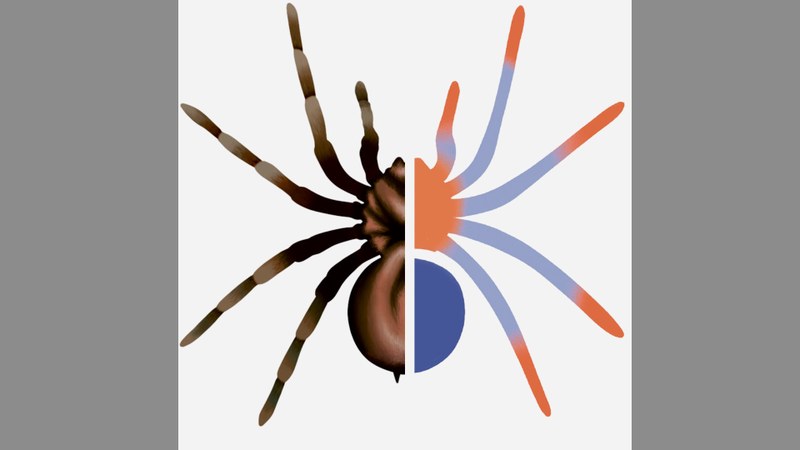
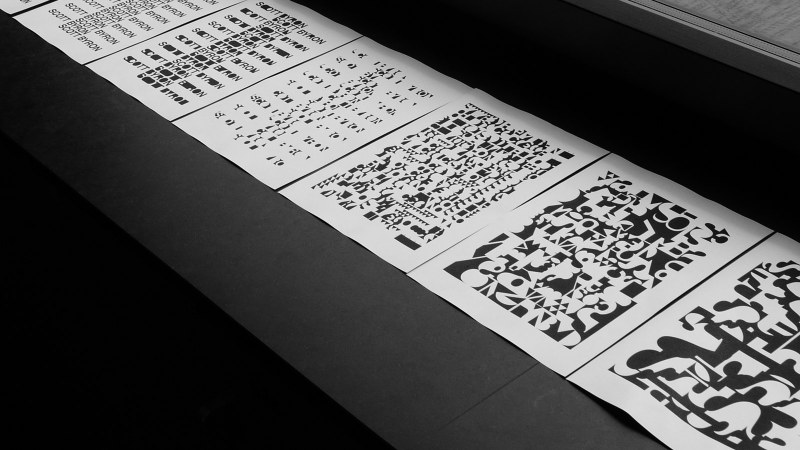
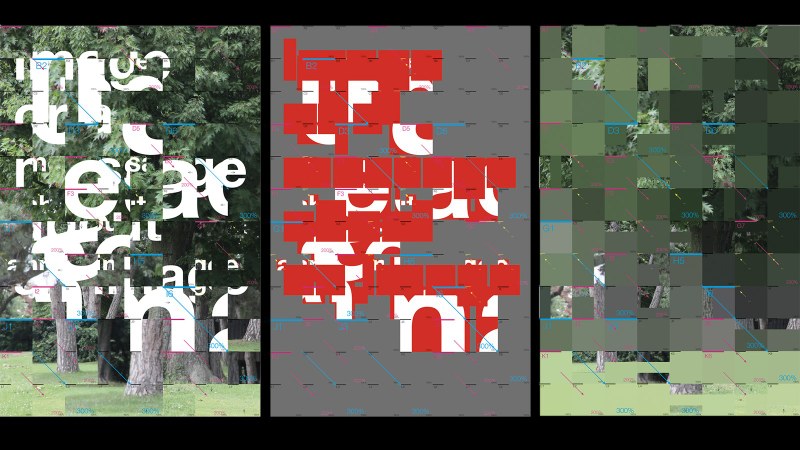
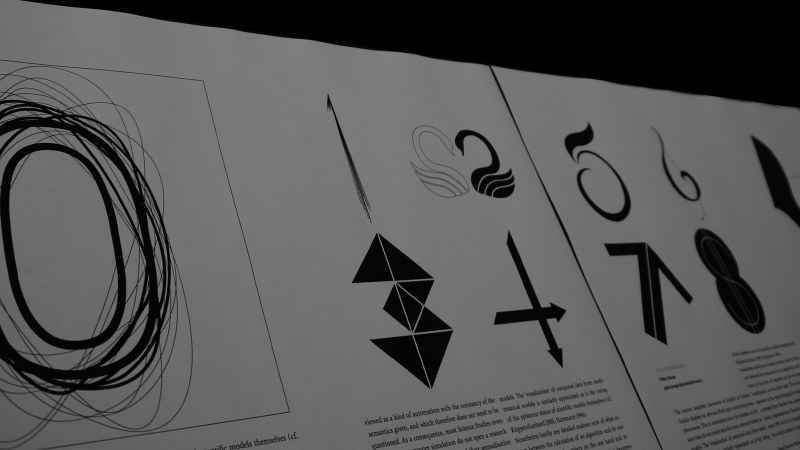
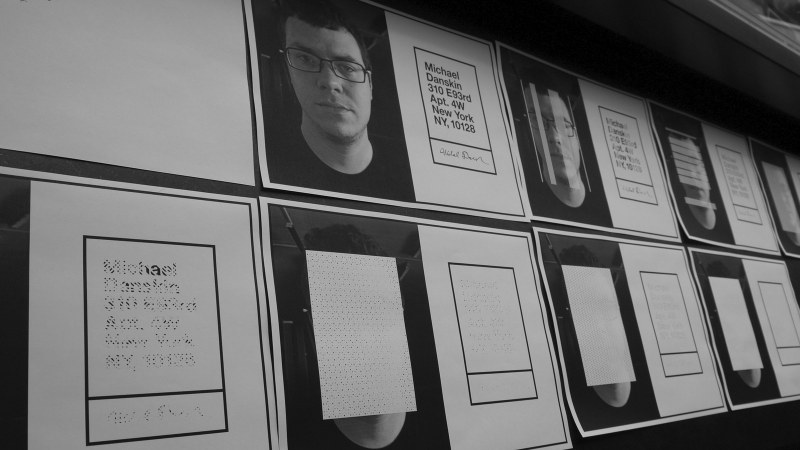
Typically, design processes are used to craft visual messages for a specific purpose. In contrast, the Inquiry by Designworkshop explores how design processes can be employed to enhance our understanding of how images create meaning in specific contexts. This approach, which we call Practice-led Image Research*, focuses on acquiring knowledge about the vast field of image phenomena. Various academic disciplines, including Art History, Linguistics, Psychology, and Anthropology, have emphasized the need for a scientific approach to studying images. While most academic fields address research questions through theoretical methodologies, the Inquiry by Design workshop introduces participants to practice-based methodologies in the field of Visual Communication.
*Renner M., et al. : Practice-led Iconic Research, Visible Language, the journal of visual communication research, 51.3/52.1. Dezember 2017/April 2018, Cincinnati.
Structure and programme contents
At the start of the workshop, participants will formulate an image research question and develop a practical methodology for exploration and inquiry through design. Throughout the week, they will create a portfolio of images that investigate a design strategy and serve as visual arguments in response to their research question.
Further Education Options
General Information Workshops Institute Digital Communication Environments (IDCE)
Lecturers
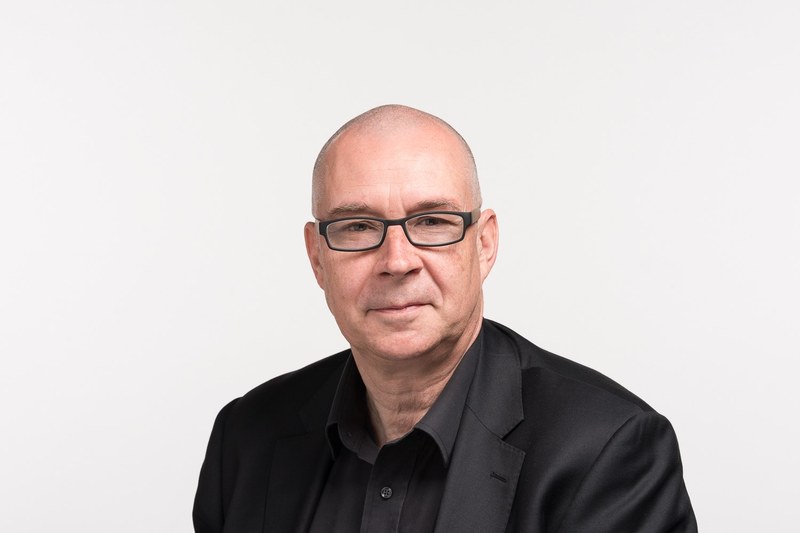
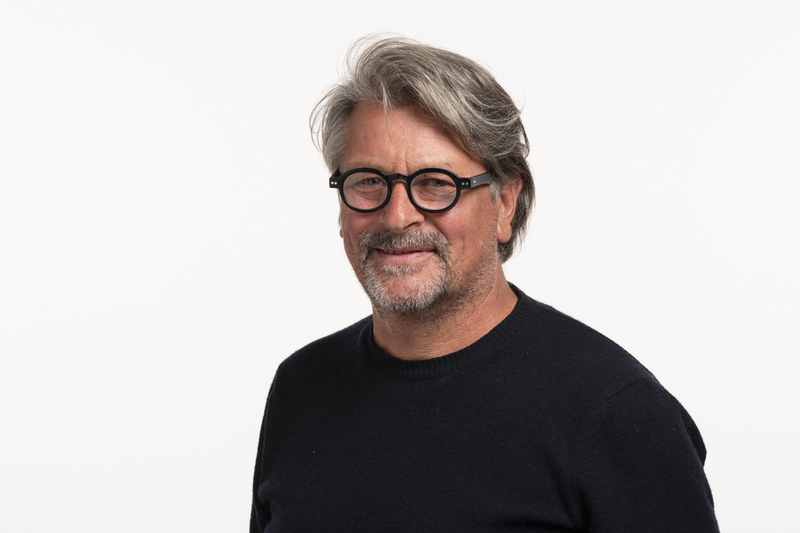
Prof. Michael Renner, 1961, experienced the digital revolution first-hand when he went to work for Apple Computer Inc. and The Understanding Business in California in 1986, just after completing his diploma as Graphic Designer at the Basel School of Design. Research and reflection upon the meaning of images in the context of digital tools became the central theme of Renner’s practical and theoretical design activities. Since 1990, he has had his own design studio in Basel with both corporate and cultural clients. He started teaching in 1990, at the Institute Digital Communication Environments of the Basel Academy of Art and Design FHNW with an emphasis on Information Design, Interaction Design, and Design Research. In 1999, he was named Chairman of the Institute. From 2005 until 2013, he was a member of “eikones”, the Swiss National Center of Competence in Iconic Research and the European research network “What Images Do”. His approach to develop research activities in the field of design is based on the aim to further develop existing competencies of image creation. With this approach of gaining knowledge through the creation of images, the design process becomes the central research theme and a methodology at the same time. He has lectured and held workshops in Europe and abroad. Renner is Visiting Professor at the University of Illinois at Chicago and at the Politecnico di Milano. He is a member of the Advisory Board of Visible Language and Alliance Graphique Internationale (AGI).
Requirements and admission
The continuing education programs are primarily aimed at individuals with an academic degree from a recognized university and relevant professional experience after graduation.Individuals with equivalent qualifications will be admitted if their eligibility for participation is demonstrated by other evidence.
For further questions, please contact the Continuing Education Department, Ralf Michel
Organisational matters
Fees
Information and regulations
Advising and information events
Contact