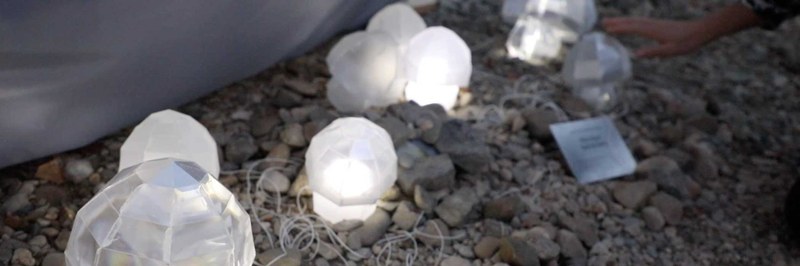
Tender Computing is a concept and workpractice that explores a soft, experimental and playful way of Physical Computing, which means the creative design of interactive objects and spaces. The module provides a project based introduction to Physical Computing and the Tender Concept in a curated lab-like atmosphere.
Factsheet
- Learning mode
- Onsite
- ECTS credits
- 2
- Next start
- 29.6.2026
- Duration
- 1 week
- Teaching language
- German / English
- Place
- Campus HGK Basel
- Fee
- CHF 900
At a glance
- Artistic-technological practice: You work at the intersection of art, code, the body and digital media.
- Theory meets hands-on: The course combines queer-feminist theory with practical work on sensor-based and interactive projects.
- Individual projects: You develop your own installations or performances using open-source tools.
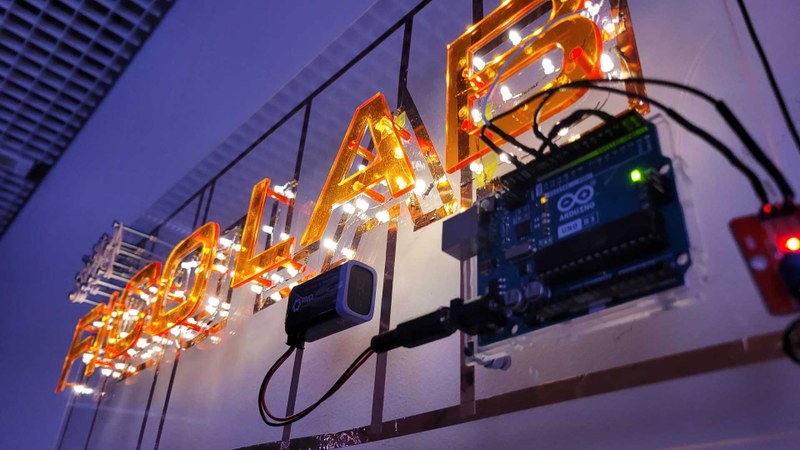
- Access to technology: Work with sensors, microcontrollers, digital interfaces and creative electronics.
- Community and exchange: Learn from experienced artists and engage in discussions on the social implications of digital technologies.
Aims and benefits
- Basic knowledge of electrical circuits.
- Basic knowledge of prototyping and coding with Arduino (C++).
- Basic knowledge of designing and crafting.
- Transfer of all three areas of expertise.
Target audience
The workshop is suitable for anyone interested in interaction design, visual communication, mediation, art, and who wants to challenge their creative thinking.
Structure and programme contents
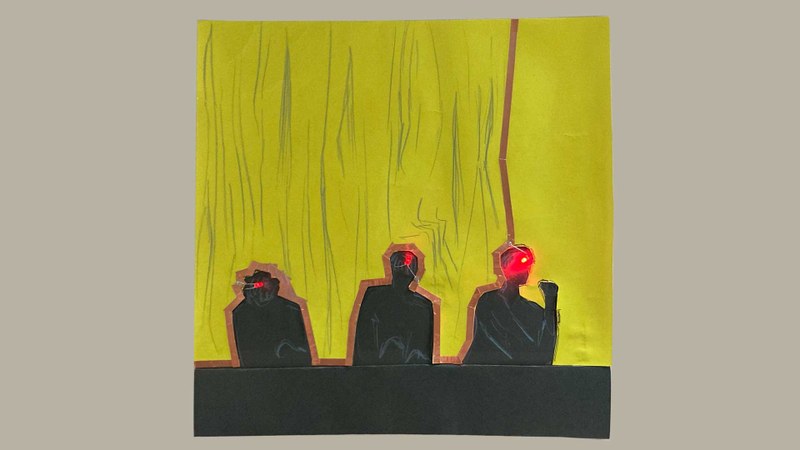
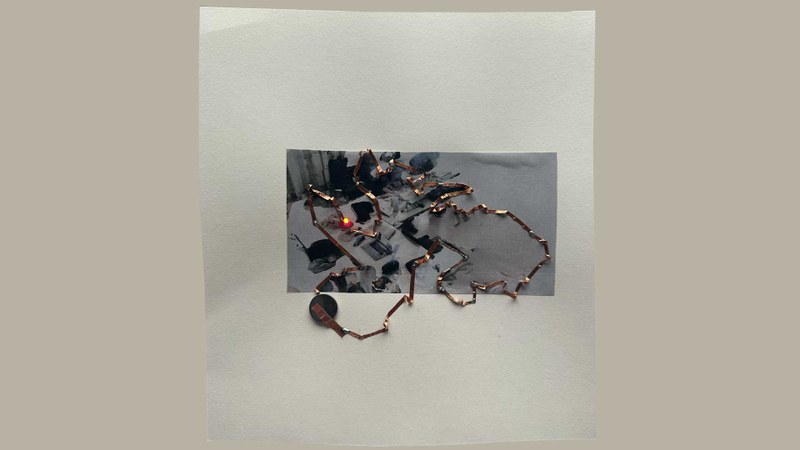
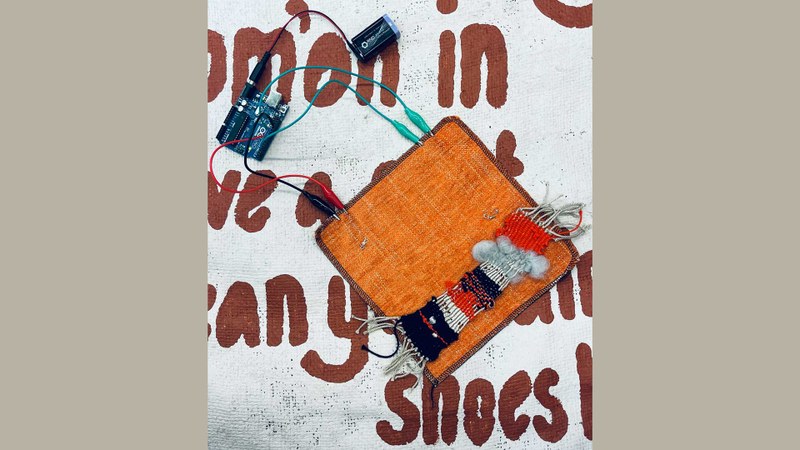
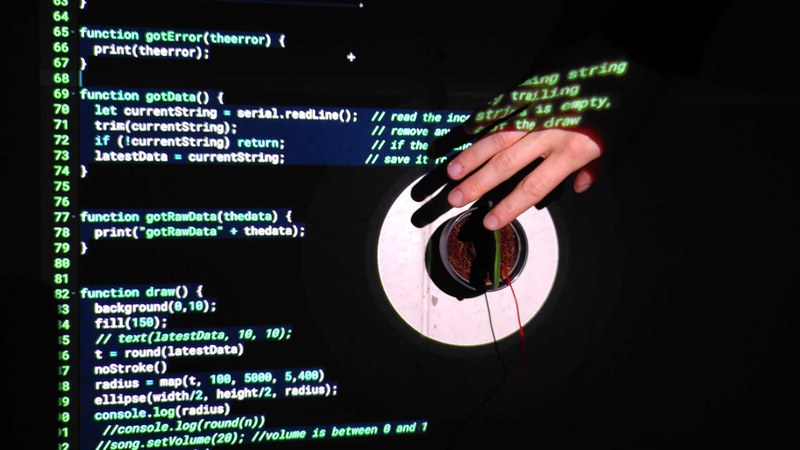
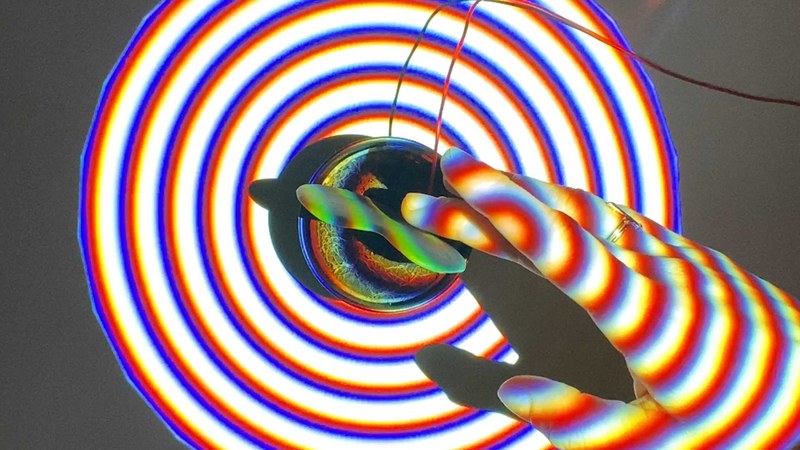
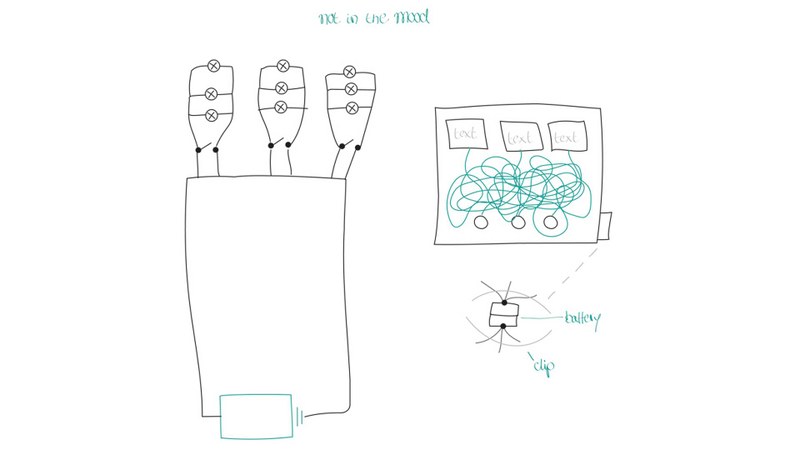
In order to design interactive objects and spaces, the participants learn how to design and assemble basic electronic circuits and how to code them. The course critically discusses functionality and non-functionality through the process of making and focuses on the variety of aesthetics of electronic circuit designs through handcrafting. The participants learn how to craft sensors and actuators on their own as well as to use industrial sensors as inputs and outputs in a concrete project using iterative processes in the development of a prototype with Arduino. They learn how to work independently with open source tools and information. They deepen their understanding about the use of technology and learn how to communicate a narrative through crafted electronics and coding.
Further Education Options
General Information Workshops Institute Digital Communication Environments (IDCE)
Lecturers
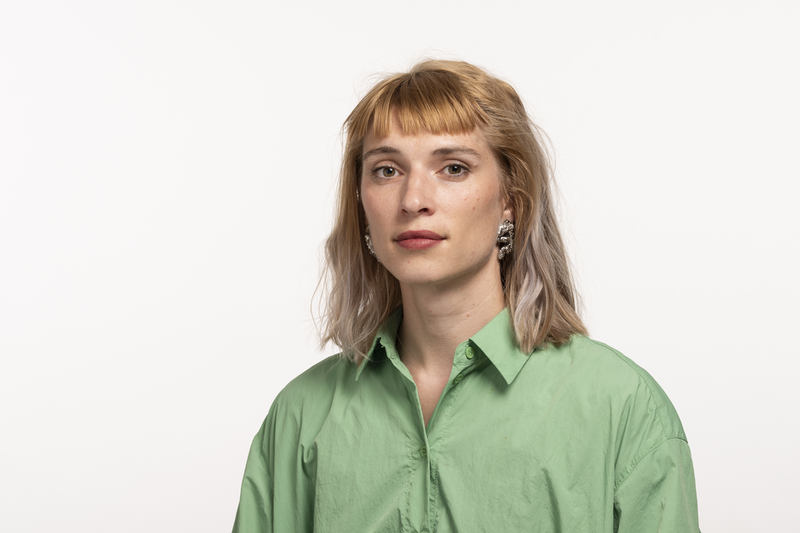
Sophie Kellner is a designer and has been teaching Bachelor and Master at the HGK Basel since 2019. She studied BA Textile Engineering in Albstadt (DE) and MA Fashion and Integrative Design in Basel (CH). In her concept “Tender Computing”, an extension of Physical Computing, she is particularly interested in the question of aesthetics and (non-)functionality of electronics, material and code in contrast to a design after the principle “technology for technology's sake”. She works in an exploratory, playful and experimental way with (non-)conductive materials, coding and narration. Sophie has taught at other institutions including Akademie der Künste Stuttgart, Kulturvermittlung Kanton Aargau, Haus der elektronischen Künste, Pädagogische Hochschule Basel and Vitra Design Museum.
Requirements and admission
The continuing education programs are primarily aimed at individuals with an academic degree from a recognized university and relevant professional experience after graduation.Individuals with equivalent qualifications will be admitted if their eligibility for participation is demonstrated by other evidence.
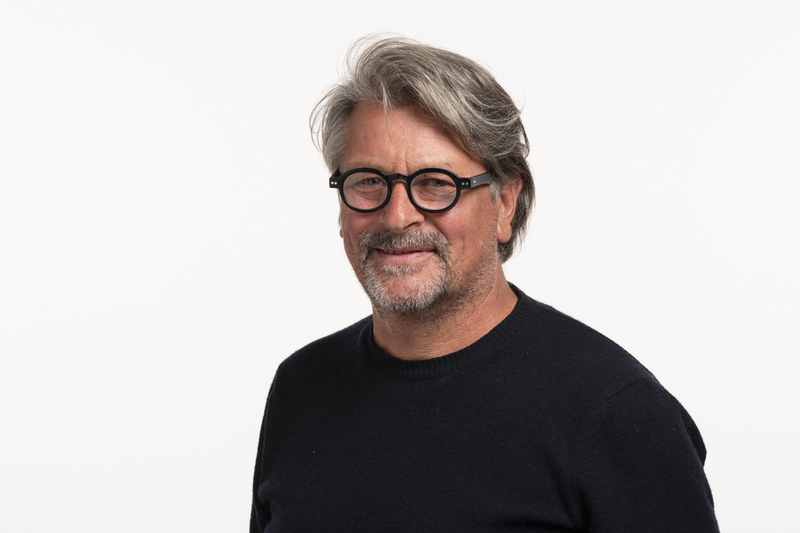
For further questions, please contact the Continuing Education Department, Ralf Michel
Organisational matters
Fees
Information and regulations
Advising and information events
Contact
Registration
Tender Computing29 June 2026
- Date
- 29.6.2026–3.7.2026
- Duration
- 5 days
- School days
- Monday, Tuesday, Wednesday, Thursday, Friday
- Place
- Basel